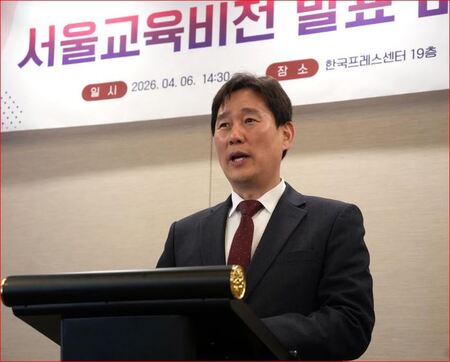
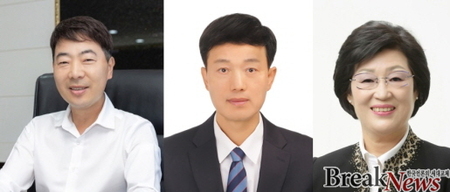
▲ 황인호 전 대전 동구청장은 4일, 대전시의회에서 진행된 차기 동구청장 출마 선언식을 통해 정체된 동구의 현안들을 강력한 추진력을 바탕으로 해결해 나가겠다는 뜻을 전했다. © 김정환 기자 |
황인호 전 대전 동구청장이 4일 대전시의회에서 차기 동구청장 선거 출마를 공식 선언하며 본격적인 행보에 들어갔다. 그는 동구가 성장 동력을 잃어가고 있다는 문제의식을 전면에 내세우며, 그간의 행정 경험과 연구 성과를 결합한 구상으로 자신의 이름과 혁신의 합성어인 ‘인호베이션’을 제시했다.
황 전 청장은 동구의 현 상황을 ‘정체’로 규정했다. 대전역세권 재정비, 시립의료원 건립 등 지역의 지형을 바꿀 굵직한 사업들이 속도를 내지 못한 채 지체되고 있다는 판단에서다. 특히 충청권 광역생활권 논의가 현실화되는 국면에서 동구가 거점으로 도약할지, 주변화될지를 가를 분기점에 놓였다며 지금이 행정의 결단과 추진력이 필요한 시점이라고 강조했다.
그가 내놓은 비전의 중심에는 ‘야간경제’가 자리한다. 박사 논문 주제이기도 한 야간경제 활성화를 구정의 핵심 전략으로 끌어올리겠다는 구상이다. 대전역 일대를 24시간 상권이 이어지는 공간으로 재편하고, 인공지능(AI)·로봇 기술을 접목한 비즈니스 콤플렉스 조성, 대형 베이커리 타운 구상 등을 함께 제시했다. 전통적인 도심 활성화 방식에 첨단 산업과 관광 요소를 결합해 일자리와 소비를 동시에 만들겠다는 접근으로 해석된다.
공약은 8가지 과제로 압축됐다. 역세권 중심의 첨단산업 기반 조성, 지역 맞춤형 기본소득 도입과 기존 복지망의 계승, 야간 상권을 통한 청년 고용 확대, 대청호·식장산 체류형 관광 인프라 구축, 공공기관 이전 유치 가속, 교육·문화 환경 개선, 선순환형 일자리 생태계 구축, 시립의료원 조기 추진이 골자다. 개발과 복지, 일자리와 의료를 한 묶음으로 설계해 도시의 체질을 바꾸겠다는 방향성이 드러난다.
다만 과제의 성격상 ‘구 단위 의지’만으로 속도를 내기 어려운 영역이 적지 않다. 역세권 개발과 의료원 건립, 공공기관 유치 같은 사업은 대전시와 중앙정부, 관계기관과의 협의, 시·국비 확보 여부가 성패를 가를 가능성이 크다.
야간경제 역시 ‘시설 조성’ 수준에 머물 경우 지속성을 담보하기 어렵다. 운영 주체를 어떻게 세울지, 민간 투자와 수익 구조를 어떤 방식으로 설계할지, 교통·치안·주차·소음 등 생활 규제까지 함께 묶어 풀어내야 상권이 일회성에 그치지 않는다. 야간 상권은 조명과 이벤트로만 움직이는 사업이 아니라, 안전과 이동, 거주환경이 동시에 받쳐줄 때 비로소 정착한다.
결국 황 전 청장에게 필요한 것은 개발 구호를 앞세우는 정치인의 모습이 아니라, 복합 현안을 조율하고 정책 이행을 끝까지 책임감있게 관리하는 통합형 정책 집행자로서의 역할이라는 것이다.
동구에 필요한 것은 새로운 구상을 계속 덧붙이는 행정보다, 이미 제시된 사업들을 우선순위에 따라 정리하고 실제 성과로 연결하는 추진력일 수 있다. 역세권은 도시계획과 산업 유치의 문제이고, 시립의료원은 공공의료와 복지의 문제이며, 야간경제는 상권·교통·안전이 맞물린 복합 과제다. 이를 개별 사업으로 흩어 다루기보다 하나의 생활도시 전략으로 통합해 관리하는 역량이 중요하다는 뜻이다.
이번 출마 선언을 통해 멈춰 있던 동구의 현안들을 재가동하겠다고 선언한 만큼, 앞으로는 각 공약이 어떤 재원과 일정, 협업 구조를 통해 실현 가능한지 구체적으로 제시해야 한다.
황인호의 재도전은 동구의 미래 의제를 다시 공론의 장으로 끌어냈다는 점에서 주목할 만하다. 다만 유권자의 판단은 비전의 크기보다 실행 계획의 밀도, 그리고 그 계획이 주민의 일상 변화로 이어질 수 있는지에 따라 갈릴 가능성이 크다.
*아래는 위 기사를 '구글 번역'으로 번역한 영문 기사의 [전문]입니다. '구글번역'은 이해도를 높이기를 위해 노력하고 있습니다. 영문 번역에 오류가 있을 수 있음을 전제로 합니다.<*The following is [the full text] of the English article translated by 'Google Translate'. 'Google Translate' is working hard to improve understanding. It is assumed that there may be errors in the English translation.>
Hwang In-ho Officially Candidates for Dong-gu District Mayor Re-Elects... "Inhovation" a Gamble on Nighttime Economy and Station Areas
Declares Candidacy at Daejeon City Council... Diagnoses Current Issues and Presents Eight Key Tasks; Key is "Implementation Planning," Not "Slogans"
Former Dong-gu District Mayor Hwang In-ho officially declared his candidacy for the next Dong-gu District Mayor election at the Daejeon City Council on the 4th, marking the start of his campaign. He highlighted the district's loss of growth momentum and presented a plan combining his administrative experience and research achievements, coining the term "Inhovation," a portmanteau of his name and the word "innovation."
Former Mayor Hwang characterized Dong-gu's current situation as "stagnation." He believes that major projects that could transform the district's landscape, such as the redevelopment of the Daejeon Station area and the construction of a municipal medical center, are stalling without gaining momentum. In particular, with discussions about a metropolitan living zone in the Chungcheong region becoming a reality, Dong-gu stands at a crossroads that will determine whether it will leap forward as a hub or be marginalized, and he emphasized that now is the time for administrative decisiveness and drive.
At the heart of his vision lies the "nighttime economy." He plans to elevate the revitalization of the nighttime economy, the subject of his doctoral thesis, to a core strategy for the district administration. He proposed reorganizing the Daejeon Station area into a 24-hour commercial district, developing a business complex incorporating artificial intelligence (AI) and robotics, and establishing a large-scale bakery town. This approach is interpreted as combining traditional downtown revitalization methods with cutting-edge industries and tourism to simultaneously create jobs and consumption.
His pledges are condensed into eight key tasks: fostering a cutting-edge industrial base centered around the station area, introducing a regionally tailored basic income and inheriting the existing welfare system, expanding youth employment through nighttime commercial districts, establishing residential tourism infrastructure around Daecheong Lake and Sikjangsan Mountain, accelerating the relocation of public institutions, improving the education and cultural environment, establishing a virtuous job ecosystem, and accelerating the establishment of a municipal medical center. The plan reveals a direction to transform the city's structure by integrating development, welfare, jobs, and healthcare into a single package.
However, due to the nature of the project, there are many areas where "district-level commitment" alone will be insufficient to accelerate progress. Projects such as subway station area development, the construction of medical centers, and the attraction of public institutions are likely to depend on consultations with the Daejeon Metropolitan Government, the central government, and relevant agencies, as well as securing city and national funding.
The nighttime economy, too, will struggle to sustain itself if it remains merely a "facility development" initiative. Establishing an operating entity, designing private investment and revenue structures, and integrating regulations on traffic, security, parking, and noise levels are crucial to ensuring that the commercial district is not merely a one-time event. A nighttime commercial district is not simply a business driven by lighting and events; it can only truly thrive when safety, mobility, and a comfortable living environment are simultaneously supported.
In this regard, former Mayor Hwang's role after his election should be more focused on becoming an integrated policy execution manager, coordinating complex issues and overseeing policy implementation through to completion, rather than simply repeating development slogans.
What Dong-gu needs is not an administration that continually adds new ideas, but rather the driving force to prioritize and connect existing projects to tangible outcomes. The subway station area is a matter of urban planning and industrial attraction, the municipal medical center is a matter of public health and welfare, and the night-time economy is a complex issue intertwined with commercial districts, transportation, and safety. Rather than tackling these issues as individual projects, it's crucial to integrate and manage them as a single, livable city strategy.
Hwang In-ho's declaration of candidacy pledged to revitalize Dong-gu's stalled issues. Therefore, he must provide specific details on how each pledge can be realized through the financial resources, schedule, and collaborative structure.
Hwang In-ho's re-election is noteworthy in that it has brought Dong-gu's future agenda back into the public sphere. However, voters' judgment is likely to be determined less by the scale of the vision than by the depth of the implementation plan and whether it can translate into changes in residents' daily lives.
원본 기사 보기:브레이크뉴스대전세종충청