▲ 2026 석정풍류 공연 포스터 ©이일영 칼럼니스트 |
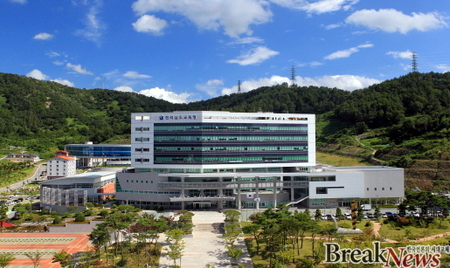
우리의 것으로 빛나는 세계무형유산 판소리의 성지 전북 고창군에서 올해 초 1월 첫 출발을 알린 듣고 배우고 즐기는 체험형 판소리 상설 공연 석정풍류(石井風流)가 3월 공연을 앞두고 있다. 공연은 매월 매주 수요일 오후 3시, 고창의 석정(石井) 온천 관광지구에 있는 웰파크호텔 컨벤션홀에서 열린다.
고창은 판소리 여섯 마당을 집대성한 동리 신재효(1812~1884) 선생이 태어나 활동한 고장이다. 선생의 가르침 아래 조선조 최초 전설의 여류 명창 진채선(1842~?)에 이어 서편제 춘향가를 세상이 각인시킨 김소희(1917~1995) 명창 등을 배출한 산실이다.
대한민국 최초로 연간 52주, 매주 수요일마다 열리는 상설 판소리 무대는 관객 참여형 프로그램으로 지난 1월 14일과 21일 박애리 명창이 고정훈 고수와 함께 첫 무대를 열어 김세종제 ‘춘향가’ 주요 대목을 통하여 큰 호응 속에 관객과 소통하는 판소리 상설 공연의 소중함을 일깨웠다.
이어 2월 11일과 18일에는 동편제 소리의 정수를 품은 임현빈 명창 무대가 김경태 고수의 깊은 울림의 장단 속에 열렸다. 춘향가, 수궁가, 흥보가, 심청가 주요 대목과 단가 사철가와 추억을 탄탄한 공력과 정교한 성음으로 열창하여 큰 박수를 받았다.
이어 3월 11일, 18일 석정풍류 3번째 공연이 열린다. 한국예술종합학교 교수이자 (사)세계판소리협회 이사장을 맡고 있는 채수정 명창이 앙상블 크로마 대표 김민철 고수의 장단에 적벽가를 부른다. 적벽가는 판소리 다섯 마당 중 유일하게 중국의 고전 소설 삼국지연의 중 적벽대전을 소재로 우리의 판소리로 빚어낸 작품이다.
 ▲ 채수정 명창 사진 ©이일영 칼럼니스트 |
채수정 명창의 공연은 다음과 같다. 1주 차(3월 11일)-‘도원결의’, ‘삼고초려’, ‘연환계’, ‘군사 설움’, ‘동남풍 부는 대목’, 2주 차(3월 18일)-‘조자룡 활 쏘는 대목’, ‘새타령’, ‘조조 놓아주는 대목’에 이르는 적벽가 주요 대목이다.채수정 명창이 공연하는 적벽가는 장단의 기본 틀에 맞춰 소리를 던지듯 우직하게 짚어 나가는 대마디 대장단의 맺고 끊음이 간결한 선율에 시김새가 섬세하게 도드라지는 박봉술-박송희로 이어진 유파의 동편제 소리다.
적벽가는 판소리 다섯 마당 중 가장 깊은 공력을 요구하는 소리이다. 이는 민족적 서사 속에서 서민적인 애환을 품은 판소리와 달리 중국의 대표적인 역사와 소설에 담긴 한문 위주의 언어와 전장과 전투에 이르는 특성적인 소재의 감성을 표현하는 난이도를 말한다. 이와 같은 표현에 적합한 높은 음역과 힘이 있는 소리를 통해 서사적 이야기를 끌어가야 하는 호령제 우조(羽調) 가락이 특성인 소리가 적벽가이다.
또한, 적벽가는 이국의 역사적 서사가 우리의 소리로 정착하면서 원전에 없는 ‘군사 설움 타령’과 같은 애환의 이야기가 생겨났다. 이 대목은 전장에 끌려온 병사들의 고향과 부모 형제를 그리워하는 애환의 감성이 ‘부모 생각’, ‘자식 생각’, ‘아내 생각’으로 구성되어 계면조(界面調) 가락으로 어우러지는 이중적 구조의 특성이 있다. 영웅 중심의 서사와 서민 중심의 애환이 깊은 해학 속에 펼쳐진다.
이처럼 적벽가는 우조와 계면조가 교차하며 서사가 진행되기 때문에 소리꾼은 호령제 우조의 강렬함과 계면조의 섬세함을 순간적으로 전환하며 이야기를 이어가야 한다. 이에 긴 서사의 집중력을 유지하면서 감정의 강약을 상세하게 전달하기가 결코, 쉽지 않다. 특히 2주 차 마지막 대목인 ‘조조 놓아주는 대목’은 관우(우조)와 조조(계면조)의 대조적 성음이 극적 긴장감을 고조시키면서 적벽가의 음악적 특징이 집약된 대목이다.
채수정 명창은 예향의 섬 전남 진도의 예혼(藝魂)이 출렁이는 바탕에서 탄생한 명창이다. 채 명창의 아버지 오당(悟堂) 채원식(蔡元植) 선생은 진도 출신의 서화가이자 금니사경(金泥寫經)의 명인이었다. 의제 허백련, 남농 허건으로 대표되는 남도 화맥(畫脈)의 본고장에서 홀로 선 예술혼은 많은 이야기를 품고 있다.
이르게 서울로 상경하여 정착한 아버지는 늘 쪽빛(남색)으로 물들인 전통 한지 자청지(磁靑紙)와 검 붉은빛 도드라진 소목지(蘇木紙)에 심오한 경전을 한 글자, 한 글자 금빛으로 써 내려갔다. 그 곁에서 어린 딸 수정은 신비의 감성을 거머쥐며 남도소리 한 자락을 불렀다. 저마다 소리꾼인 진도 태생 고모 다섯 명이 들려주던 노래를 따라 배운 소리였다. 그때마다 아버지는 가장 기뻐하시며 끝없이 빼곡한 사경(寫經)을 신명으로 완성하셨다.
뛰어난 재능을 인정받아 국악고등학교에 진학하여 판소리를 전공했다. 수궁가-전정민 명창, 심청가-성우향 명창, 춘향가-오정숙 명창을 두루 사사하였다. 그녀는 박송희 명창을 30여 년간 스승으로 모시며 박록주제 박송희류 흥보가와 적벽가를 이어받았으며 1993년 국가무형문화재 제5호 판소리 흥보가 이수자로 지정되었다.
 ▲ 채수정 명창 2024년 11월 옥스퍼드 대학 홀리웰 뮤직룸(Holywell Music Room) 한국 판소리 최초 공연 장면 © 이일영 칼럼니스트 |
채수정 명창은 이화여대에서 음악학 석사(1997), 경희대에서 국문학 석사(2004)를 받으며 판소리 연구의 폭을 넓혔다. 이는 소리(음악)와 사설(문학)의 통합적 이해가 판소리 예술의 구조와 미학을 살피는 첩경이라는 의식에서 비롯된 것이었다. 이러한 탐구는 이화여대 대학원에서 '판소리 다섯 바탕의 중모리 대목 연구'로 여성 최초 판소리 음악학 박사(2008)가 되는 결실로 이어졌다. 이와 같은 실기와 이론을 겸비한 예인으로 현재 한국예술종합학교 전통예술원 음악과 교수로 후진 양성에 주력하고 있다.
채수정 명창의 소리는 단전에서 밀어 올리는 통성이 무대 전체를 울리는 듯한 웅장함에 자꾸만 귀가 열려 드는 친화적인 특성이 있다. 이에 편안하고 안정적인 느낌으로 관객과 소통하는 공연을 펼친다. 석정풍류가 추구하는 듣고 배우고 즐기는 참여형 판소리는 소리꾼의 깊은 공력만큼이나 관객의 깊숙한 공감과 소통이 필요하다. 채수정 명창의 소리는 웅장함 속에 친화력을 지녀 이와 같은 취지에 가장 어울리는 울림을 선사할 것이다. artwww@naver.com
#고창 #석정풍류 #신재효 #적벽가 #채수정명창 #웰파크시티
필자: 이일영
한국미술센터 관장. 칼럼니스트. 시인)
 ▲ 필자: 이일영 ©이일영 칼럼니스트 |
*아래는 위 기사를 '구글 번역'으로 번역한 영문 기사의 [전문]입니다. '구글번역'은 이해도 높이기를 위해 노력하고 있습니다. 영문 번역에 오류가 있을 수 있음을 전제로 합니다.<*The following is [the full text] of the English article translated by 'Google Translate'. 'Google Translate' is working hard to improve understanding. It is assumed that there may be errors in the English translation.>
Gochang County, North Jeolla Province, the mecca of pansori, a shining World Intangible Heritage, is preparing for its March performance of Seokjeong Pungryu (石井風流), a permanent pansori performance experience that launched in January of this year. Performances are held every Wednesday at 3:00 PM at the Wellpark Hotel Convention Hall in the Seokjeong Hot Springs Tourist Area in Gochang.
Gochang is the birthplace of Dongri Shin Jae-hyo (1812-1884), the master of the six pansori madang (songs of the six madang), and the birthplace of her son. Under her tutelage, she produced renowned singers such as Jin Chae-seon (1842-?), the first legendary female pansori singer of the Joseon Dynasty, and Kim So-hee (1917-1995), who engraved the world with the song "Chunhyangga" (literally "Seopyeonje").
Korea's first permanent pansori performance, held every Wednesday for 52 weeks, is an audience-participatory program. On January 14th and 21st, master singer Park Ae-ri and master Go Jeong-hoon opened the show. Their performances, featuring key passages from the Kim Sejongje "Chunhyangga," evoked a rapturous response and highlighted the importance of permanent pansori performances that connect with the audience.
Following this, on February 11th and 18th, master singer Lim Hyeon-bin performed the essence of the Dongpyeonje, accompanied by the resonant rhythms of master Kim Gyeong-tae. His powerful performances of Chunhyangga, Sugungga, Heungboga, and Simcheongga, as well as the short songs Sacheolga and Memories, received enthusiastic applause with their solid technique and refined vocals.
The third Seokjeong Pungryu performance will be held on March 11th and 18th. Master singer Chae Su-jeong, a professor at the Korea National University of Arts and president of the World Pansori Association, will sing Jeokbyeokga to the rhythm of Ensemble Chroma's representative, master Kim Min-cheol. Jeokbyeokga is the only pansori work among the five genres, based on the Battle of Red Cliffs from the classic Chinese novel Romance of the Three Kingdoms, and reimagined in Korean pansori.
Master singer Chae Su-jeong's performances are as follows: Week 1 (March 11th) - "Peach Blossom Oath," "Samgo Choryo," "Yeonhwan-gye," "Gunsa Sorum," "The Southeast Wind Blows," and Week 2 (March 18th) - "Zhao Yun Shoots an Archery," "Sae Taryeong," and "Zhao Zhao Releases Him." Master singer Chae Su-jeong performs Jeokbyeokga, a style of Dongpyeonje (traditional Korean music) from the Park Bong-sul and Park Song-hee school. The melody is simple and delicately accentuated by the opening and closing of long, long phrases, following the basic rhythmic framework.
Jeokbyeokga demands the most dedication among the five pansori genres. Unlike pansori, which embraces the joys and sorrows of the common people within a national narrative, Jeokbyeokga requires a level of difficulty that emphasizes the emotional depth of the Chinese characters and the unique subject matter of battles and battles found in representative Chinese history and novels. Jeokbyeokga is characterized by the melody of the "Horyeongje Ujo" (羽調), a powerful and high-pitched sound suited to such expressions. This narrative is driven by the high register and powerful vocals of the "Horyeongje Ujo" (羽調), a song characteristic of Jeokbyeokga.
Furthermore, as the historical narratives of foreign countries became established in our music, Jeokbyeokga gave rise to stories of sorrow and joy, such as the "Gunsa Sorum Taryeong" (Military Sorrow Taryeong), not found in the original text. This section features a dual structure, with the longing for hometowns, parents, and siblings of soldiers dragged to the battlefield, composed of "Thinking of Parents," "Thinking of Children," and "Thinking of Wife," blended into the melody of the "Gyeomyeonjo" (界面調). The hero-centered narrative and the common people's sorrows unfold with profound humor.
Because Jeokbyeokga's narrative unfolds through the interplay of the "Horyeongje Ujo" and the "Gyeomyeonjo" (界面調), the singer must constantly shift between the intensity of the "Horyeongje Ujo" and the subtlety of the "Gyeomyeonjo" (界面調) to continue the story. Therefore, maintaining the focus of a long narrative while conveying the emotional intensity and nuances in detail is by no means easy. In particular, the final section of the second week, "The Release of Jo Jo," heightens the dramatic tension with the contrasting vocal tones of Guan Yu (Wu Jo) and Jo Jo (Gye Myeon Jo), condensing the musical characteristics of Jeokbyeokga.
Master singer Chae Su-jeong was born in the vibrant artistic spirit of Jindo, South Jeolla Province, an island renowned for its artistic traditions. Master singer Chae's father, Odang Chae Won-sik, was a calligrapher and master of gold-mud scriptures. This solitary artistic spirit, standing alone in the heart of the southern painting tradition, exemplified by Heo Baek-ryeon and Heo Geon, holds many stories to tell.
My father, who moved to Seoul early and settled there, would always transcribe profound scriptures, letter by letter, in gold on traditional Korean paper dyed in indigo (indigo blue) and embossed red-black Somokji (wooden paper). Beside him, his young daughter, Sujeong, would embrace a mystical sensibility and sing a melody of Namdo sori, a song she had learned from her five Jindo-born maternal aunts, all singers. Each time, my father would delight in these songs, and with ecstasy, he would transcribe an endless, dense collection of sutras.
Recognized for his exceptional talent, he enrolled in a traditional Korean music high school, majoring in pansori. He studied under the masters of Sugungga (Jeon Jeong-min), Simcheongga (Seong Woo-hyang), and Chunhyangga (Oh Jeong-suk). She studied under master singer Park Song-hee for over 30 years, inheriting the Park Rok-ju style of Heungboga and Jeokbyeokga. In 1993, she was designated as a Heungboga, National Intangible Cultural Heritage No. 5.
Master singer Chae Su-jeong broadened her pansori research, earning a master's degree in musicology from Ewha Womans University (1997) and a master's degree in Korean literature from Kyung Hee University (2004). This pursuit stemmed from her belief that an integrated understanding of sori (music) and saseol (literature) was the key to understanding the structure and aesthetics of pansori. This pursuit led to her becoming the first woman to earn a doctorate in pansori musicology from Ewha Womans University Graduate School (2008) with a thesis titled "A Study of the Jungmori Sections of the Five Basements of Pansori." A talented artist with both practical and theoretical skills, she currently serves as a professor in the Department of Music at the Korea National University of Arts, focusing on nurturing future generations.
Master singer Chae Su-jeong's voice, a powerful, rising sound from the lower abdomen, resonates throughout the stage, creating a captivating and engaging quality. This allows her performances to connect with the audience with a sense of comfort and stability. The participatory pansori pursued by Seokjeong Pungryu, where listening, learning, and enjoying are as crucial as the singer's profound dedication, requires a deep empathy and connection from the audience. Master singer Chae Su-jeong's voice, possessing a relatable quality within its grandeur, will resonate perfectly with this purpose. artwww@naver.com
#Gochang #SeokjeongPungryu #ShinJaehyo #RedByeokGa #MasterChaeSujeong #WellParkCity
Author: Lee Il-young
Director of the Korean Art Center. Columnist. Poet)