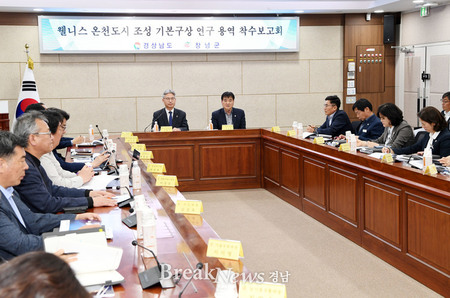
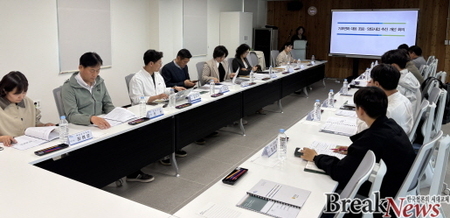
▲ 이선정 정책연구실 연구위원이 지난해 11월 남동구청에서 남동구 지역사회보장조사 결과를 발표하고 있다.(사진제공:인천시사회서비스원) © 박상도 기자 |
(브레이크뉴스인천 박상도 기자) 인천시사회서비스원이 9일, 최근 10개 군·구 전반의 사회보장 문제와 지역 주민 욕구, 필요한 정책을 확인하는 6기 인천시 지역사회보장조사 결과가 나왔다고 밝혔다.
인천사서원에 따르면, 이번 결과 관련 9일 시, 군·구 지역사회보장계획 수립 설명회도 진행한다.
이번 조사는 사회보장급여법에 따라 4년마다 수행하는 법정 조사로 지난해 1~12월 진행했다.
조사는 지역사회보장 기초현황 분석과 주민 욕구 조사, 초점집단면접으로 구성한다.
이 중 주민 욕구 조사는 지난해 8~10월 군, 구별 600가구, 총 6,058가구를 대상으로 했다.
세부적으로는 중복 포함, 일반 3,550가구와 아동, 노인, 장애인, 저소득, 1인 가구, 다문화 등 특수욕구계층 7,930가구를 분석했다.
조사 항목은 가구 일반현황, 14개 사회보장 관련 욕구, 복지의식 및 욕구 생활 여건 및 지역불균형, 1인 가구, 다문화 가족 생활 실태 등이다. 올해 2군9구로 행정 개편하는 내용도 반영했다.
조사 결과를 보면, 인천은 인구가 지속적으로 증가해 인구 300만 명을 유지하고 있으나 지역별 인구 증감 양극화가 두드러지게 나타난다.
중구, 서구, 연수구 등 신도시 개발이 활발한 지역은 각 25%, 19.7%, 5.3% 증가했다. 반면, 동구, 남동구. 계양구는 –9.2%, -8.4%, -6.4%씩 인구 감소세가 뚜렷하다.
인천 시민의 평균연령은 44.8세로 전국 평균 45.8세보다 1살 낮은 수준이나 고령화는 빠르다.
노년 부양비 증가율은 38.4%로 전국 평균 32.8%보다 5.6%p 높은 수준이다. 고령인구 비율도 지역마다 차이를 보인다.
강화군, 옹진군이 각 40.3%, 35.7%로 높은 수준이고 동구, 미추홀구, 남동구, 부평구도 20%가 넘어 초고령사회에 진입했다.
반면 연수구는 13.8%로 아직 고령화사회 단계다.
주민 평균연령은 강화군 55.8세, 옹진군 54.1세, 동구 50.0세로 전국 평균 45.8세를 웃돌았다.
평균연령 증가율은 남동구가 9.3%, 계양구 9.1%로 상대적으로 높았다.
1인 가구 비율 역시 편차가 큰 것으로 나타났다.
인천시 전체 1인 가구 비율은 32.5%이나 옹진군, 중구, 미추홀구는 각 48.5%, 41.7%, 37.2%로 평균을 상회했다.
반면, 연수구와 서구는 각 26.3%, 28.4%로 평균보다 낮았다.
2024년 기준 인천시의 1천 명당 의료기관 의사 수는 2.7명으로 전국 평균 3.2명보다 적었고 남동구와 중구만 전국 평균보다 높다.
의료서비스 접근성을 보여주는 미충족 의료율은 옹진군 19%, 미추홀구 8.9%, 서구 8.1% 순으로 높게 조사됐다.
같은 자치구 안에서도 원도심과 신도심 간 불균형 문제가 드러난다.
군, 구 지역사회보장협의체와 읍면동 협의체, 현장 공무원 152명 대상 초점집단면접 결과를 보면, 강화군과 옹진군, 부평구를 제외한 8개 구에서 지역 불균형과 자원 불균형을 지적했다.
특히, 원도심을 중심으로 노인, 1인 가구, 정신건강 위험군, 저소득 위기가구가 집중하고 경제·건강·주거 문제 등 복합적인 위기가구가 증가하는 문제가 공통으로 나타났다.
욕구 조사 결과를 보면, 가구주 연령대는 50~64세 장년층 비율이 36.3%로 가장 높고 이어 65~74세 초기 노인이 26.7%로 10가구 중 6가구는 50~74세 중장년이 가구주다.
맞벌이 가구 비율은 31.6%로 전국 평균 48%보다 크게 낮았고 가구 소득 수준은 중간 소득계층인 3분위가 31.7%로 큰 비중을 차지했다.
시급하게 수행해야 하는 정책은 군, 구마다 약간 차이가 있으나 인천시 전체를 봤을 때 아동돌봄, 노인돌봄, 장애인돌봄 순으로 나타났다.
다양한 서비스가 있는 데도 이용하지 않는 이유로는, 노인돌봄은 절반 이상이, 장애인 돌봄은 10명 중 3명이 서비스 이용 자격, 정보 제한을 들었다.
정책 시급성은 높으나 노력이 적은 분야는 주거와 고용이라고 답했다. 이 외에도 군, 구 분야별 어려움 경험, 서비스 필요성과 이용 현황, 정책 필요성 등 조사 결과를 분석했다.
이번 지역사회보장조사 결과는 올해 시, 군·구 6기 지역사회보장계획(2027~2030) 수립 기초 자료로 활용한다.
연구를 맡은 이선정 인천시사회서비스원 정책연구실 연구위원은 “인천은 아직 초고령사회는 아니나 고령화가 빠르게 진행하는 지역이기에 곧 돌봄 수요가 급증할 수 있어 대비가 필요하다”며 “지역별 차이가 있으나 수도권에 있는 대도시인데도 불구하고 전체적으로 지역 불균형이 심화하고 있어 6기 지역사회보장계획을 수립할 때 지역마다 이러한 점을 고려해야 미래를 대비할 수 있을 것으로 본다”고 말했다.
*아래는 위 기사를 ‘구글 번역’으로 번역한 영문 기사의 [전문]입니다.‘구글번역’은 이해도 높이기를 노력하고 있습니다. 영문 번역에 오류가 있을 수 있음을 전제로 합니다.<*Below is the full text of the English translation of the above article, translated using Google Translate. Google Translate strives to improve comprehension. Please understand that there may be errors in the English translation.>
Incheon Social Service Center, Results of Incheon City Community Security Survey...Policy Urgency: Child, Elderly, and Disabled Care
-Break News Incheon Park Sang-do Reporter
The Incheon Social Service Center announced on the 9th the results of the 6th Incheon City Community Security Survey, which examined social security issues across all 10 counties and districts, the needs of local residents, and necessary policies.
According to the Incheon Social Service Center, a briefing session on the development of city, county, and district community security plans will be held on the 9th in relation to these results.
This survey, a statutory survey conducted every four years under the Social Security Benefits Act, was conducted from January to December of last year.
The survey consists of a basic analysis of community security, a survey of resident needs, and focus group interviews.
The resident needs survey was conducted from August to October of last year, targeting 6,058 households, including 600 households per county and district.
Specifically, including duplicates, the analysis included 3,550 general households and 7,930 households with special needs, including children, the elderly, people with disabilities, low-income individuals, single-person households, and multicultural families.
The survey covered general household status, 14 social security-related needs, welfare awareness and needs, living conditions and regional imbalances, and the living conditions of single-person households and multicultural families. The survey also reflected the administrative reorganization into two counties and nine districts this year.
The survey results show that Incheon's population has steadily increased, maintaining a population of 3 million. However, regional population growth and decline are markedly polarized.
Areas experiencing active new city development, such as Jung-gu, Seo-gu, and Yeonsu-gu, experienced increases of 25%, 19.7%, and 5.3%, respectively. In contrast, Dong-gu and Namdong-gu experienced increases of 19.7%, 5.3%, and 5.3%, respectively. Gyeyang-gu showed a significant population decline of -9.2%, -8.4%, and -6.4%, respectively.
The average age of Incheon residents is 44.8 years, one year lower than the national average of 45.8 years, but the city is aging rapidly.
The elderly dependency ratio growth rate was 38.4%, 5.6 percentage points higher than the national average of 32.8%. The proportion of the elderly population also varies by region.
Ganghwa-gun and Ongjin-gun showed high rates of 40.3% and 35.7%, respectively, while Dong-gu, Michuhol-gu, Namdong-gu, and Bupyeong-gu also surpassed 20%, entering the super-aged society category.
In contrast, Yeonsu-gu still remains an aging society with a population of 13.8%.
The average age of residents was 55.8 years in Ganghwa-gun, 54.1 years in Ongjin-gun, and 50.0 years in Dong-gu, exceeding the national average of 45.8 years.
The average age increase rate was relatively high in Namdong-gu at 9.3% and Gyeyang-gu at 9.1%.
The proportion of single-person households also showed significant variation.
While the overall proportion of single-person households in Incheon was 32.5%, Ongjin-gun, Jung-gu, and Michuhol-gu exceeded the average at 48.5%, 41.7%, and 37.2%, respectively.
Conversely, Yeonsu-gu and Seo-gu were below average at 26.3% and 28.4%, respectively.
As of 2024, the number of doctors per 1,000 people in Incheon was 2.7, lower than the national average of 3.2. Only Namdong-gu and Jung-gu exceeded the national average.
The unmet medical needs rate, which indicates accessibility to medical services, was found to be high in Ongjin-gun at 19%, followed by Michuhol-gu at 8.9% and Seo-gu at 8.1%.
Even within the same autonomous district, imbalances between the old and new downtown areas are evident.
Focus group interviews with 152 people—county and district community security councils, township and neighborhood councils, and field officials—revealed regional and resource imbalances in eight districts, excluding Ganghwa County, Ongjin County, and Bupyeong District.
In particular, the old downtown area was characterized by a high concentration of elderly people, single-person households, households at risk for mental health, and low-income households, as well as a growing number of households facing complex challenges, including economic, health, and housing issues.
The needs survey results show that the highest percentage of household heads are those aged 50-64, at 36.3%, followed by those aged 65-74 at 26.7%. Six out of ten households are headed by someone aged 50-74.
The proportion of dual-income households was 31.6%, significantly lower than the national average of 48%. The middle-income third quintile accounted for a significant portion of household income, accounting for 31.7%.
While the most urgent policies differed slightly across counties and districts, across Incheon City as a whole, child care, elderly care, and disability care were identified as the top priorities.
More than half of respondents cited elderly care as a reason for not utilizing various services, while three out of ten cited limited eligibility and information for disability care.
Respondents indicated that housing and employment were areas with high policy urgency but low levels of effort. The survey also analyzed the survey results, including experiences of difficulties, service needs and utilization, and policy needs by county and district.
The results of this community security survey will serve as the basis for developing the 6th Community Security Plan (2027-2030) for the city, county, and district governments this year.
Lee Seon-jeong, a researcher at the Policy Research Lab of Incheon Social Service Center who was in charge of the research, said, “Incheon is not yet a super-aged society, but it is a region where aging is progressing rapidly, so the demand for care may soon surge, so we need to prepare.” She added, “There are regional differences, but even though it is a large city in the metropolitan area, regional imbalances are worsening overall. I think that when establishing the 6th Community Security Plan, we need to consider these factors for each region to prepare for the future.”
원본 기사 보기:ebreaknews.com