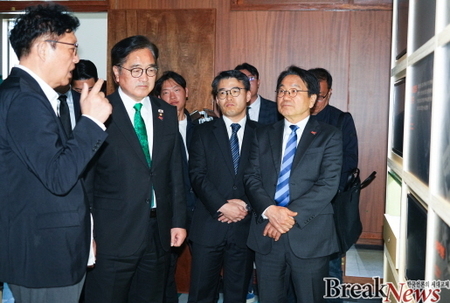
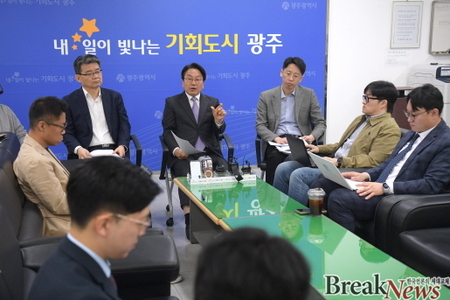
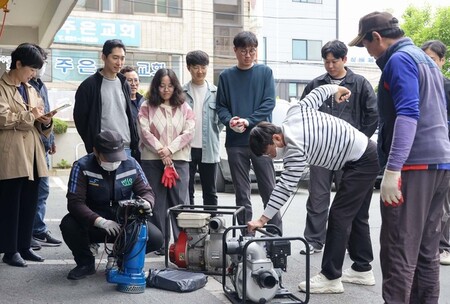
▲ 박완수 도지사가 9일 유가 안정화를 위한 전방위적 대책에 나섰다. |
[브레이크뉴스=이성용 기자] 중동 정세 불안으로 국제 유가가 요동치며 민생 경제에 빨간불이 켜지자, 경상남도가 도민들의 장바구니 물가와 기름값 부담을 덜기 위한 ‘전방위적 에너지 방어망’을 가동했다.
박완수 경남도지사는 9일, 유가 급등에 따른 도민 부담을 최소화하기 위해 ‘유가 안정화 특별 지시’를 내렸다. 이는 지난 6일 열린 ‘민생경제안정 대책회의’의 후속 조치로, 국제 유가 상승세가 도내 물가 전반으로 전이되는 것을 차단하겠다는 강력한 의지다.
경남도는 산업국장을 반장으로 한 유관기관 합동 대책반을 즉각 편성하고, 기업 지원과 물가 관리를 아우르는 입체적 대응에 나섰다. 가장 먼저 피부로 와닿는 주유소 가격 관리에 화력을 집중한다. 경남도는 한국석유관리원, 각 시군과 손잡고 ‘주유소 특별 점검’에 전격 돌입했다.
이번 대책의 핵심은 두 가지로, 부당하게 가격을 올리는 현장에는 강력한 단속을, 유가 급등 상황에서는 공공기관이 먼저 ‘허리띠(에너지 절약)’를 졸라매는 모습이다.
중동발 유가 불안은 지자체의 힘만으로 해결하기 어려운 거시적 변수지만, 현장에서 발생하는 불법적 가격 인상을 차단하는 것만으로도 도민들이 느끼는 체감 물가 압력은 상당 부분 완화될 수 있을 것으로 기대된다.
이미화 경상남도 산업국장은 “중동 정세 불안이 지역 물가에 미치는 충격을 최소화하기 위해서는 석유 업계의 자발적인 가격 안정 노력이 절실한 시점”이라며, “시군 합동 점검반을 통한 면밀한 상황 관리로 유통 질서를 바로잡아 도민들이 체감하는 유류비 부담을 낮출 수 있도록 하겠다”고 강조했다.
한편 경남도는 이란 사태 여파에 대응하기 위해 경제부지사를 본부장으로 하는 ‘경남 유관기관 민관합동 협의체(18개 기관)’를 가동하고 있다. 지난 6일 열린 대책회의에는 한국은행, 코트라(KOTRA), 한국수출입은행 등 주요 금융·수출 기관이 참석해 호르무즈 해협 공급 불안이 지역 물가와 물류비에 미치는 영향을 점검했다.
도는 대외 불확실성으로 어려움을 겪는 기업을 위해 2,800억 원 규모의 중소기업 육성자금을 지원할 계획이다. 또한 한국은행 경남본부(업체당 최대 10억 원)와 중소벤처기업진흥공단(3,900억 원 규모)의 융자 및 이차보전 사업과 연계해 금융 지원을 확대한다.
*아래는 위 기사를 '구글 번역'으로 번역한 영문 기사의 [전문]입니다. '구글번역'은 이해도 높이기를 위해 노력하고 있습니다. 영문 번역에 오류가 있을 수 있음을 전제로 합니다.
*Below is the [full text] of the English article translated using ‘Google Translate’.‘Google Translate’ is working to increase understanding.It is assumed that there may be errors in the English translation.
"Preventing Oil Price Surge"... Gyeongsangnam-do Establishes Defense Line Against 'Oil Shock' Originating in the Middle East
Governor Park Wan-soo Issues Special Directive for 'Oil Price Stabilization'
With international oil prices fluctuating due to political instability in the Middle East, putting the livelihoods of residents at risk, Gyeongsangnam-do Province has activated a "comprehensive energy defense network" to alleviate the burden of grocery and fuel prices on residents.
Governor Park Wan-soo issued a "Special Directive for Oil Price Stabilization" on the 9th to minimize the burden on residents caused by the surge in oil prices. This is a follow-up measure to the "People's Economy Stabilization Measures Meeting" held on the 6th and demonstrates a strong commitment to preventing the spread of rising international oil prices across the province.
Gyeongsangnam-do Province immediately formed a joint task force with relevant agencies, led by the Director of the Industrial Affairs Bureau, and launched a multi-faceted response encompassing both corporate support and price management. The province will focus its efforts on managing gas station prices, which directly impacts the economy. Gyeongsangnam-do Province, in partnership with the Korea Petroleum Quality & Distribution Authority and each city and county, has launched a "special inspection" of gas stations.
These measures focus on two key elements: rigorous crackdowns on unfair price hikes, and public institutions taking the lead in tightening their belts (energy conservation) during periods of skyrocketing oil prices.
While the instability of Middle Eastern oil prices is a macroeconomic variable that cannot be addressed solely by local governments, simply blocking illegal price hikes occurring on the ground is expected to significantly alleviate the perceived price pressure felt by residents.
Lee Mi-hwa, Director of the Gyeongsangnam-do Industry Bureau, stated, "To minimize the impact of Middle Eastern political instability on local prices, the oil industry's voluntary efforts to stabilize prices are crucial. We will closely monitor the situation through a joint inspection team of cities and counties to rectify the distribution system and reduce the perceived burden of fuel costs for residents."
Meanwhile, Gyeongsangnam-do Province is operating a "Gyeongsangnam-do Public-Private Joint Consultative Body (18 organizations)," headed by the Vice Governor for Economic Affairs, to respond to the aftermath of the Iranian crisis. At a meeting held on the 6th, key financial and export institutions, including the Bank of Korea, KOTRA, and the Export-Import Bank of Korea, participated to examine the impact of supply instability in the Strait of Hormuz on local prices and logistics costs.
The province plans to provide KRW 280 billion in SME development funds to companies struggling due to external uncertainties. Furthermore, the province will expand financial support by linking it with loans and secondary guarantee programs provided by the Bank of Korea Gyeongsangnam-do Headquarters (up to KRW 1 billion per company) and the Korea SMEs and Startups Agency (KRW 390 billion).
원본 기사 보기:브레이크뉴스경남