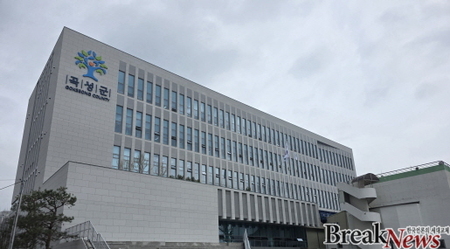
▲ 인천연구원 전경 ©박상도 기자 |
(브레이크뉴스인천 박상도 기자) 인천연구원이 11일, 기획연구과제로 수행한 ‘인천의 글로벌 도시 도약을 위한 물류산업 발전방안 연구: 싱가포르 사례를 중심으로’ 결과보고서를 발표했다.
인천연구원에 따르면, 이 연구는 글로벌 공급망 재편에 대응해 인천을 단순 거점에서 고부가가치 복합물류 허브로 전환하기 위한 전략 프레임워크를 제시하고 있다.
싱가포르의 성공 모델을 벤치마킹하고 인천의 구조적 한계를 진단하여 회복탄력성(Resilient), 혁신성(Innovative), 스마트화(Smart), 친환경(Eco-friendly) 등을 4대 핵심 축으로 설정했다.
보고서에 따르면, 최근 글로벌 물류 지형은 디지털 전환과 그린 물류를 중심으로 급격히 재편되고 있다.
특히, 싱가포르는 국가 주도의 장기 마스터플랜 아래 ‘도시-산업 통합 개발’이라는 철학을 바탕으로 물류 인프라를 고도화했다.
투아스 메가포트(Tuas Mega Port)로 항만 기능을 통합·집적화하고, 쥬얼 창이(Jewel Changi)로 공항을 복합문화공간으로 탈바꿈시킨 것이 대표적이다.
이러한 고부가가치 활동을 통해 싱가포르 물류산업은 2022년 기준 국가 전체 GDP의 8.4%에 해당하는 379억 싱가포르 달러(약 38조 원)의 부가가치를 창출했으며, 약 25만 명의 인력을 고용하고 있다.
성공 요인은 통합 거버넌스, 물리·디지털·인적 인프라 조성, 고부가가치 산업 연계, 개방형 혁신 생태계로 요약된다.
싱가포르 모델에 비춰본 인천의 한계는 뚜렷하다.
중앙정부·지방자치단체·공사로 파편화된 거버넌스가 통합적 방향 설정을 어렵게 하고 있다.
특히, 항만과 공항 사이의 데이터 단절 및 자동화 수준의 격차는 운영 효율을 저해하는 요인으로 분석됐다.
또한, 물류산업의 저부가가치 구조와 취약한 혁신 생태계, 미흡한 친환경 전략 및 전문 인재 양성 체계도 해결해야 할 과제로 나타났다.
연구진은 이러한 한계를 극복하기 위해 인천 맞춤형 전략 프레임워크를 제안했다.
이는 거버넌스부터 산업 현장까지 아우르는 통합 시스템으로 다음과 같은 4대 전략을 담고 있다.
(회복탄력성) 위원회 신설 및 마스터플랜 수립을 통한 거버넌스 혁신
중앙정부와 지자체, 공사를 아우르는 통합 거버넌스를 구축하고, 글로벌 공급망 위기에 선제적으로 대응할 수 있는 위기관리 체계를 강화한다.
(혁신성) 인천형 물류 혁신 지구 및 고부가가치 생태계 구축
Sea&Air 실증지구와 바이오-로지스틱스 허브를 조성하여 단순 물류를 넘어선 신산업 융복합 환경을 만들고, 글로벌 물류 기업의 R&D 센터 등을 유치해 산업의 질적 도약을 꾀한다.
(스마트화) 통합 플랫폼‘i-LogiNet’기반의 운영 효율 극대화
항만과 공항의 데이터를 실시간으로 연계하는 통합 플랫폼을 구축하고, 물류 자동화 로드맵을 통해 인프라 간 운영 격차를 해소하여 데이터 중심의 스마트 물류 체계를 완성한다.
(친환경) 그린물류 펀드 및 친환경 인센티브 도입
글로벌 탄소 규제에 대응하기 위해 그린물류 펀드를 조성하고, 친환경 장비 및 인프라 도입 기업에 대한 인센티브를 제공함으로써 지속 가능한 성장을 위한 친환경 물류 기반을 확보한다.
인천연구원 강동준 연구위원은 “인천이 글로벌 공급망의 핵심 접점으로 거듭나기 위해서는 단순한 물동량 확보를 넘어, 항만과 공항이 데이터로 연결되고 고부가가치 산업이 결합된 융복합 생태계를 구축해야 한다”고 진단하고, “ 이번 연구를 통해 제안한 방안이 글로벌 선도 도시들과 경쟁할 수 있는 인천의 실질적 정책적 기반이 되길 기대한다.”고 밝혔다.
*아래는 위 기사를 ‘구글 번역’으로 번역한 영문 기사의 [전문]입니다.‘구글번역’은 이해도 높이기를 노력하고 있습니다. 영문 번역에 오류가 있을 수 있음을 전제로 합니다.<*Below is the full text of the English translation of the above article, translated using Google Translate. Google Translate strives to improve comprehension. Please understand that there may be errors in the English translation.>
Incheon Research Institute Presents Four Strategies for Incheon's Logistics Ecosystem to Advance into a Global City
-Break News Incheon Park Sang-do Reporter
On the 11th, the Incheon Research Institute announced the results of its research project, "A Study on Logistics Industry Development Plans for Incheon's Global City Advancement: Focusing on the Singapore Case."
According to the Incheon Research Institute, this study presents a strategic framework for transforming Incheon from a simple hub to a high-value-added, integrated logistics hub in response to the restructuring of global supply chains.
Benchmarking Singapore's success model and diagnosing Incheon's structural limitations, the institute established four core axes: resilience, innovation, smartness, and eco-friendliness.
According to the report, the global logistics landscape is undergoing a rapid restructuring, centered on digital transformation and green logistics.
In particular, Singapore has advanced its logistics infrastructure based on the philosophy of "integrated urban-industrial development" under a government-led long-term master plan.
Tuas Megaport integrates and integrates port functions, and Jewel Changi transforms the airport into a multi-cultural space.
Through these high-value-added activities, Singapore's logistics industry has generated S$37.9 billion (approximately KRW 38 trillion) in added value, equivalent to 8.4% of the country's GDP, by 2022, and employs approximately 250,000 people.
The key factors for success can be summarized as integrated governance, the development of physical, digital, and human infrastructure, high-value-added industry linkages, and an open innovation ecosystem.
Incheon's limitations, compared to the Singapore model, are clear.
Fragmented governance across the central government, local governments, and public corporations is hindering the establishment of an integrated direction.
In particular, data disconnection and gaps in automation between ports and airports were identified as factors hindering operational efficiency.
Furthermore, the logistics industry's low value-added structure, weak innovation ecosystem, inadequate eco-friendly strategies, and inadequate professional talent development systems were identified as challenges that need to be addressed.
To overcome these limitations, the research team proposed a customized Incheon strategic framework.
This integrated system encompasses everything from governance to industrial sites and includes the following four strategies:
(Resilience) Governance innovation through the establishment of a committee and the development of a master plan.
Establish an integrated governance system encompassing the central government, local governments, and public corporations, and strengthen the crisis management system to proactively respond to global supply chain crises.
(Innovation) Establishing an Incheon-style logistics innovation district and high-value-added ecosystem
By establishing a Sea & Air demonstration district and a bio-logistics hub, we will create a convergence environment for new industries that go beyond simple logistics. We will also attract R&D centers from global logistics companies to foster a qualitative leap forward in the industry.
(Smartization) Maximizing operational efficiency based on the integrated platform "i-LogiNet"
We will establish an integrated platform that connects port and airport data in real time and bridge operational gaps between infrastructure through a logistics automation roadmap, completing a data-driven smart logistics system.
(Eco-Friendly) Introducing a Green Logistics Fund and Eco-Friendly Incentives
To address global carbon regulations, we will establish a green logistics fund and provide incentives for companies that introduce eco-friendly equipment and infrastructure, thereby securing an eco-friendly logistics foundation for sustainable growth.
Incheon Research Institute researcher Kang Dong-jun diagnosed, “In order for Incheon to be reborn as a key node in the global supply chain, it must go beyond simply securing cargo volume and build a convergence ecosystem where ports and airports are connected through data and high value-added industries are combined.” He added, “I hope that the measures proposed through this study will become a practical policy foundation for Incheon to compete with leading global cities.”
원본 기사 보기:ebreaknews.com