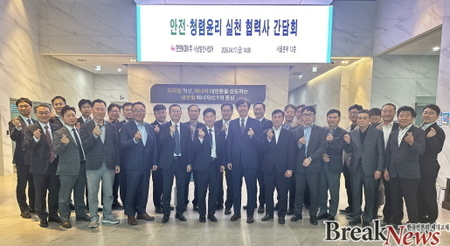
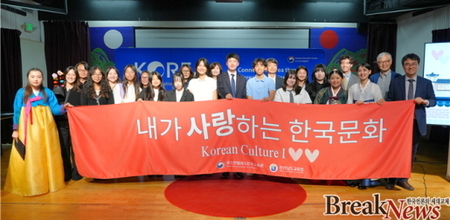
▲ 김영춘 예비후보 간담회 사진=김영춘 제공 © 김정환 기자 |
충남교육감 선거에 나선 김영춘 예비후보가 학령인구 감소와 교육격차, 다문화 교육 등 지역 현안을 놓고 공주시와 금산군에서 해법 찾기에 나섰다.
그는 “교육도시 공주의 비전을 실현하는 동시에 농산촌 교육 소외를 막겠다”며 거버넌스와 재정·제도·인력지원이 묶인 ‘패키지 전략’을 제안했다.
김 예비후보는 공주시 주민간담회에서 소규모 취약학교 확대에 따른 통폐합 압력과 긴 통학 거리, 지역공동체 붕괴 등을 심각한 위협으로 규정했다. 그러면서 공주형 돌봄교육과 AI 융합 교육을 결합한 지속 가능한 학교 모델을 제시하며 “지역별 교육격차를 줄이겠다”고 약속했다.
그는 특히 전교생 56명 규모의 정안초에 적용 중인 ‘적정규모학교’ 시범사업을 언급하며, 성과 검증 후 충남 농어촌 전역으로 확대하겠다는 구상을 밝혔다.
공주시가 2024년 교육부·대통령 직속 지방시대위원회가 지정한 교육발전특구 시범지역으로 선정된 만큼, 공주대·공주교대, 지역 기업 등과 연계해 AI·디지털 미래인재 육성을 강화하겠다는 의지도 드러냈다.
공주시 학습형 늘봄지원센터에 대해서는 프로그램과 예산을 교육재정으로 보강하는 방안을 지역 공약으로 제시하며 “교육특구 이름에 걸맞은 실질 성과를 만들겠다”고 강조했다.
금산군 간담회에서 학부모들은 노후 시설과 안전 문제를 우선 과제로 꼽았고, 김 예비후보는 “국민소득 4만 불 시대에 물 새는 교실을 두고 볼 수는 없다”고 공감했다.
그는 정부가 2024~2028년 5년간 29조 원을 투입해 노후학교 개축·리모델링과 안전 개선을 추진 중인 만큼, 이 재원을 충남에 적극 가져오는 정치·행정적 노력이 필요하다고 강조했다.
농촌 지역 다문화 학생 지원에 대해서는 “이미 다문화사회에 진입했지만 언어·문화 지원은 여전히 취약하다”며, 학교와 지자체가 함께 만드는 통합형 다문화 교육 거버넌스 구상을 내놨다.
이중언어 교육을 정규·방과 후 수업과 연계하고, 다문화 청소년 협의체를 통해 정책 결정 과정에 학생 참여를 보장하는 한편, 지역 대학과 협력해 ‘충남형 다문화 교육모델’을 구축하겠다는 계획이다.
김영춘 예비후보는 그동안 충남교육의 방향을 ‘대전환’으로 규정하며, 지역별 현안 간담회를 연속 개최해 정책 지지층을 넓히는 전략을 펼치고 있다. 공주에서는 교육발전특구와 적정규모학교를 앞세운 ‘교육도시 업그레이드’를, 금산에서는 노후학교 개선과 다문화 교육을 통해 ‘교육안전망 확장’을 키워드로 삼는 모습이다.
그는 “태어난 지역과 가정 형편, 다문화 여부에 따라 아이들의 인생 경로가 갈라지는 현실을 바꾸겠다”며, 공약 실행을 위한 재정 확보와 제도 개선에 도 전면 나서겠다고 밝혔다.
*아래는 위 기사를 '구글 번역'으로 번역한 영문 기사의 [전문]입니다. '구글번역'은 이해도를 높이기를 위해 노력하고 있습니다. 영문 번역에 오류가 있을 수 있음을 전제로 합니다.<*The following is [the full text] of the English article translated by 'Google Translate'. 'Google Translate' is working hard to improve understanding. It is assumed that there may be errors in the English translation.>
Kim Young-chun, a prospective candidate for South Chungcheong Province Superintendent of Education, proposes tailored educational solutions for Gongju and Geumsan.
Kim Young-chun, a prospective candidate for South Chungcheong Province Superintendent of Education, has launched a campaign in Gongju City and Geumsan County to address local issues such as the declining school-age population, educational disparities, and multicultural education.
He proposed a "package strategy" that combines governance, finance, systems, and human resources support, stating, "I will realize the vision of Gongju as an educational city while preventing educational exclusion in rural areas."
At a meeting with Gongju residents, Kim identified the pressure to consolidate and close small, vulnerable schools, resulting from the expansion of these schools, long commutes, and the collapse of local communities as serious threats. He also proposed a sustainable school model that combines Gongju-style care education with AI-integrated education, promising to "reduce regional educational disparities."
He specifically mentioned the "appropriately sized school" pilot project currently being implemented at Jeongan Elementary School, with a total of 56 students, and announced plans to expand the program throughout the rural and fishing communities of South Chungcheong Province after verifying its effectiveness.
Gongju City has been designated as a pilot area for the Special Education Development Zone designated by the Ministry of Education and the Presidential Committee on Local Governments in 2024. He also expressed his commitment to strengthening the development of future AI and digital talent in collaboration with Gongju National University, Gongju National University of Education, and local businesses.
Regarding the Gongju City Learning-Type Neulbom Support Center, he proposed a plan to supplement the program and budget with educational funds as a local pledge, emphasizing, "We will achieve tangible results befitting the name of the Special Education Zone."
At the Geumsan County meeting, parents prioritized aging facilities and safety issues, and Kim agreed, stating, "In an era of a per capita income of $40,000, we cannot tolerate leaky classrooms."
He emphasized that the government is investing 29 trillion won over five years (2024-2028) to renovate and remodel aging schools and improve safety. He emphasized the need for political and administrative efforts to actively bring this funding to South Chungcheong Province.
Regarding support for multicultural students in rural areas, he stated, "Although we have already entered a multicultural society, language and cultural support remains weak." He proposed an integrated multicultural education governance plan, co-created by schools and local governments.
He plans to integrate bilingual education into regular and after-school classes, ensure student participation in policy-making through a multicultural youth council, and collaborate with local universities to establish a "Chungcheongnam-do multicultural education model."
Preliminary candidate Kim Young-chun has defined the direction of Chungcheongnam-do education as a "major transformation," and has been pursuing a strategy of broadening support for his policies by holding a series of regional forums on current issues. In Gongju, he is focusing on "upgrading the education city" through special education development zones and appropriately sized schools. In Geumsan, he is focusing on "expanding the education safety net" through the improvement of aging schools and multicultural education.
He stated, "I will change the reality where children's life paths diverge based on their birthplace, family circumstances, and multicultural status," and he pledged to fully secure funding and improve systems to implement his pledges.
원본 기사 보기:브레이크뉴스대전세종충청