▲ 9일 서울시 중구 농업박물관에서 열린 2026년 청년여성농업인협동조합 연시총회 후 박혜진 청년여성농업인협동조합 회장(사진 앞줄 오른쪽에서 네 번째)과 청년 여성농업인들이 기념 촬영을 하고 있다. |
농촌의 고령화와 인구 감소는 한국 농업이 오래전부터 안고 있는 구조적 과제다. 농업 인구의 평균 연령은 계속 높아지고 있고, 젊은 농업인의 유입은 제한적이다. 이런 상황에서 농업의 미래를 좌우할 변수로 떠오른 것이 바로 청년 농업인과 여성 농업인의 역할 확대다. 최근 농협중앙회의 행보에서도 이러한 흐름이 뚜렷하게 읽힌다.
특히 취임 이후 현장 중심 행보를 이어가고 있는 강호동 농협중앙회 회장이 청년·여성 농업인을 핵심 성장 주체로 강조하면서 농협의 정책 방향에도 변화의 신호가 나타나고 있다.
청년 여성 농업인 조직의 성장
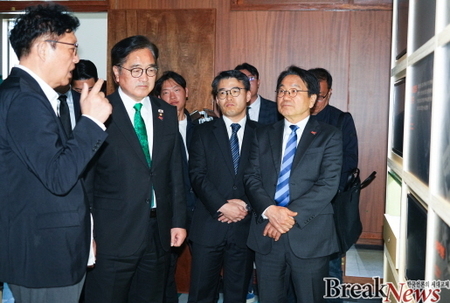
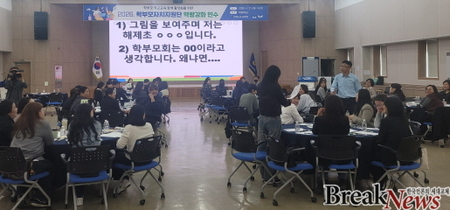
강 회장은 최근 서울 중구 농업박물관에서 열린 청년여성농업인협동조합 연시총회에 참석해 청년 여성 농업인들을 격려했다. 이 자리에는 전국 각지에서 활동하는 청년 여성 농업인들이 모여 지난 활동을 돌아보고 향후 계획을 공유했다.
청년여성농업인협동조합은 만 18세에서 45세 사이의 농업 경영인들이 중심이 돼 설립된 조직으로 올해 창립 10주년을 맞았다. 농산물 유통과 직거래, 교육 프로그램 운영, 후계 농업인 육성, 농업 정책 제안 등 다양한 활동을 통해 젊은 농업인의 네트워크 역할을 해왔다.
농촌 사회에서 여성 농업인의 역할은 이미 상당 부분 확대됐지만, 경영 주체로서의 인식은 상대적으로 늦게 형성됐다. 이런 배경에서 청년 여성 농업인을 중심으로 한 협동조합은 농촌의 새로운 변화 흐름을 보여주는 사례로 평가된다.
강 회장은 이날 행사에서 “청년여성농업인의 성장이 곧 농촌의 성장이고 대한민국 농업의 미래”라고 강조했다. 단순한 격려 메시지라기보다 농협이 앞으로 어떤 방향에 무게를 둘 것인지 보여주는 발언으로 해석된다.
그는 특히 디지털 농업과 스마트 유통, 농산물 브랜드화 같은 새로운 분야에 대한 도전을 주문했다. 농업이 전통적인 생산 중심 산업에서 벗어나 데이터와 기술, 유통 전략이 결합된 산업으로 변화하고 있다는 점을 반영한 메시지다.
농업 분야에서도 온라인 유통 확대, 농산물 브랜드 전략, 스마트팜 기술 도입 등이 빠르게 확산되고 있다. 이런 변화 속에서 청년 농업인과 여성 농업인이 새로운 사업 모델을 만들 수 있다는 기대가 커지고 있다.
이어지는 ‘청년 농업’ 행보
강 회장의 메시지는 이번 행사에만 국한된 것이 아니다. 그는 취임 이후 청년 농업인을 중심으로 한 현장 소통 행보를 이어가고 있다.
농협중앙회는 지난 2월에도 청년 농업인들과 간담회를 열어 현장의 목소리를 들었다. 이 자리에서는 농업 창업 과정에서의 자금 문제, 판로 확보, 스마트 농업 기술 도입 등 다양한 과제가 논의된 것으로 알려졌다.
농협 내부에서는 이러한 행보가 농업 세대 교체라는 구조적 과제를 해결하기 위한 전략의 일부라는 해석도 나온다. 농촌 인구 감소와 고령화가 동시에 진행되는 상황에서 청년 농업인을 육성하지 않으면 농업 기반 자체가 약화될 수 있기 때문이다.
단순 금융 넘어 ‘농업 플랫폼’으로
농협은 단순한 금융기관이 아니라 농업 생산과 유통, 금융, 정책을 연결하는 구조를 갖고 있다. 농업인 지원 정책과 지역 경제에도 영향을 미치는 조직이다.
이 때문에 농협의 정책 방향은 농업 생태계 전반에 영향을 미친다. 청년 농업인을 지원하는 프로그램이나 유통 플랫폼이 확대될 경우 농촌 구조에도 변화가 나타날 가능성이 있다.
최근 농협 내부에서도 디지털 유통 플랫폼 확대와 농산물 브랜드 전략 강화 같은 움직임이 이어지고 있다. 농산물 판매 채널을 온라인 중심으로 넓히고, 지역 특산물을 브랜드화해 부가가치를 높이려는 시도다.
한국 농업은 지금 전환의 시기를 맞고 있다. 생산 중심 농업에서 기술 기반 농업으로, 오프라인 유통 중심 구조에서 디지털 유통 구조로 빠르게 변화하고 있다. 이 과정에서 청년 농업인과 여성 농업인은 새로운 역할을 맡고 있다. 기술 도입과 브랜드 전략, 온라인 유통 등 새로운 분야에서 상대적으로 빠르게 움직일 수 있기 때문이다.
강호동 농협 회장이 청년 여성 농업인을 강조한 것도 이러한 구조 변화와 무관하지 않다는 분석이 나온다. 농업의 지속 가능성을 확보하려면 세대 교체와 산업 구조 변화가 동시에 이뤄져야 한다는 인식이 반영됐다는 것이다.
농업의 다음 세대 향한 메시지
청년여성농업인협동조합의 활동 역시 이런 흐름 속에서 주목받고 있다. 교육 프로그램과 직거래 유통, 정책 제안 활동을 통해 젊은 농업인의 목소리를 전달하는 역할을 하고 있기 때문이다.
행사에서 박혜진 청년여성농업인협동조합 회장은 “청년 여성 농업인은 농촌의 청년 인구 감소 속에서도 지역 농업의 미래를 준비하는 여성 리더”라며 앞으로도 다음 세대를 책임지는 역할을 이어가겠다고 말했다.
농업의 미래는 단순히 생산량이나 기술만으로 결정되지 않는다. 농촌 공동체를 유지하고 새로운 산업 모델을 만들어갈 사람이 필요하다.
농협이 청년과 여성 농업인을 중심에 두기 시작한 이유도 바로 여기에 있다. 농업의 다음 세대가 어떤 모습이 될지, 그리고 농협이 그 변화 속에서 어떤 역할을 할지 관심이 모이고 있다.
Young and Women Farmers Move to the Forefront as NH Chairman Kang Ho-dong Calls for a Generational Shift
-NH signals stronger support for young farmers as agriculture faces demographic and structural changes-
South Korea’s agricultural sector has long faced structural challenges, including an aging rural population and a steady decline in the number of people entering farming. As the average age of farmers continues to rise, the role of young and women farmers is increasingly being seen as a key factor that could shape the future of the industry.
Recent moves by National Agricultural Cooperative Federation suggest that this shift is becoming more prominent within the country’s largest agricultural cooperative network.
Since taking office, Chairman Kang Ho-dong has repeatedly emphasized the importance of younger generations and women farmers as core drivers of growth in rural communities.
Growing role of young women farmers
Kang recently attended the annual general meeting of the Young Women Farmers Cooperative held at the Agricultural Museum in central Seoul. The event brought together young women farmers from across the country to review their activities and discuss future plans.
The organization, established by farmers aged between 18 and 45, is marking its 10th anniversary this year. Over the past decade it has expanded activities ranging from agricultural product distribution and direct sales to education programs, successor farmer development and policy advocacy.
Although women have long played an essential role in farming communities, recognition of their position as business leaders in agriculture has developed more gradually. In this context, the rise of young women farmers is often viewed as a sign of broader change within rural society.
Message for the next generation of agriculture
At the event, Kang stressed that the growth of young women farmers would directly influence the future of rural communities and the broader agricultural sector.
He encouraged them to actively explore emerging areas such as digital agriculture, smart distribution systems and agricultural branding. His remarks reflect a broader transformation in the farming industry, where data, technology and marketing strategies are becoming increasingly integrated with traditional production activities.
Across the agricultural sector, initiatives such as online sales platforms, brand development for regional products and smart-farm technologies are rapidly gaining ground. Younger farmers and women entrepreneurs are widely seen as being well positioned to adopt these new business models.
Continued focus on young farmers
Kang’s message is part of a broader effort by the organization to engage more actively with the younger generation of farmers.
Earlier this year, the federation also held meetings with young farmers to hear their concerns and discuss issues such as financing for agricultural startups, distribution channels and the adoption of smart farming technologies.
Within the organization, these initiatives are often viewed as part of a broader strategy aimed at addressing the structural challenges facing rural communities.
Beyond finance: building an agricultural platform
The cooperative federation plays a unique role in Korea’s agricultural ecosystem. It not only provides financial services but also connects production, distribution, policy and community support across rural regions.
As a result, changes in its strategic direction can have a wider impact on the agricultural economy.
Recently, there has been growing emphasis within the organization on expanding digital distribution platforms and strengthening branding strategies for agricultural products. Efforts are also underway to broaden online sales channels and enhance the value of regional specialties.
A sector in transition
South Korea’s agricultural industry is currently undergoing a period of transformation. The sector is gradually shifting from a production-centered model toward one that integrates technology, branding and digital distribution.
In this environment, young farmers and women entrepreneurs are expected to take on increasingly important roles. Their ability to adapt quickly to technological change and new market structures is seen as a key advantage.
Observers say Kang’s emphasis on young women farmers reflects an understanding that generational renewal and structural change must occur simultaneously if the agricultural sector is to remain sustainable.
Looking toward the future
The activities of the Young Women Farmers Cooperative are attracting attention as part of this broader shift. Through education programs, direct distribution initiatives and policy advocacy, the organization aims to strengthen the voice of the next generation of farmers.
Chairperson Park Hye-jin noted that young women farmers represent emerging leaders preparing for the future of regional agriculture despite declining rural youth populations.
Ultimately, the future of agriculture will depend not only on production or technology but also on the people who sustain rural communities and create new business models.
For that reason, the growing focus on young and women farmers within the cooperative system is drawing increasing attention as the industry searches for its next generation of leaders.