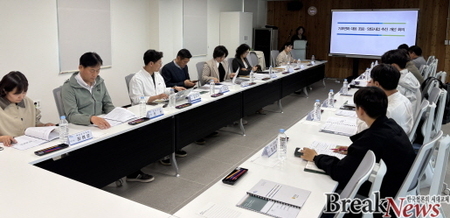
▲ 3.15의거 기념 동영상에서 사진 발췌. |
[브레이크뉴스=이성용 기자] 대한민국 현대사에서 민주주의를 향한 첫 외침이었던 '3·15 의거'가 올해로 66주년을 맞았다. 1960년 경남 마산(현 창원시)에서 불의에 항거해 일어난 시민들이 대한민국 민주화 운동의 효시로서 오늘날까지 깊은 울림을 주고 있다.
창원특례시 장금용 권한대행도 "마산(현 창원시)에서 시작된 '3·15 의거' 제66주년 기념식에 대통령이 직접 참석한다"며 "준비에 소홀함이 없도록 해달라"는 관계부서에 특별 주문했다.
■ 발단, 노골적인 3·15 부정선거와 시민들의 분노
1960년 3월 15일은 제4대 대통령 및 제5대 부통령 선거일이었다. 당시 이승만 정권과 자유당은 장기 집권을 위해 4할 사전투표, 3인조 공개투표, 야당 참관인 축출 등 전례 없는 대규모 부정선거를 자행했다.
이에 분노한 마산 시민들과 학생들은 선거 당일 오후부터 "부정선거 다시 하라"는 구호를 외치며 거리로 쏟아져 나왔다. 이는 독재 정권의 억압 속에서도 불의를 참지 않았던 시민 의식의 발로였다.
■ 전개 및 희생, 무자비한 유혈 진압과 주검으로 떠오른 김주열 열사
평화적이었던 시위는 경찰의 강경 진압으로 시위에 참여한 많은 시민들과 학생들이 피를 흘리게 되었다. 경찰은 시위대를 향해 최루탄과 실탄을 무차별적으로 발사했고, 이 과정에서 다수의 사상자가 발생했다.
특히, 당시 시위에 참가했던 마산상고(현 마산용마고) 입학생 김주열 열사가 행방불명되었다가 4월 11일 마산 중앙부두 앞바다에서 눈에 최루탄이 박힌 처참한 모습으로 떠올랐다. 이 비극적인 사건은 마산 시민들로부터 분노를 야기시켰고, 이후 전 국민의 공분을 사며 시위는 삽시간에 전국으로 확산됐다.
■ 역사적 의의, 독재를 무너뜨린 4·19 혁명의 불꽃
김주열 열사의 죽음으로 촉발된 마산의 2차 시위는 들불처럼 전국으로 번져나갔다. 이는 결국 학생과 시민이 중심이 된 4·19 혁명으로 이어졌고, 이승만 대통령의 하야와 제1공화국의 붕괴를 이끌어냈다.
▲최초의 유혈 민주화 운동, 3·15 의거는 대한민국 정부 수립 이후 독재 정권에 맞서 시민들이 자발적으로 일어난 최초의 민주화 운동이다. ▲국가기념일 지정, 그 역사적 가치를 인정받아 지난 2010년, 국가기념일로 공식 지정되었다. 현재 창원시 마산회원구에는 이들의 숭고한 희생을 기리는 '국립3·15민주묘지'가 조성되어 있다.
13살 당시 시위 현장을 지켜봤다는 시민은 "마산의 피는 대한민국의 민주주의를 꽃피운 자양분이 되었습니다. 66년이 지난 지금, 우리가 누리는 자유와 민주주의는 불의에 침묵하지 않았던 그날의 용기 위에 서 있음을 잊지 말아야 할 것입니다"라며 그때를 회상했다.
*아래는 위 기사를 '구글 번역'으로 번역한 영문 기사의 [전문]입니다. '구글번역'은 이해도 높이기를 위해 노력하고 있습니다. 영문 번역에 오류가 있을 수 있음을 전제로 합니다.
*Below is the [full text] of the English article translated using ‘Google Translate’.‘Google Translate’ is working to increase understanding.It is assumed that there may be errors in the English translation.
"Opening the First Dawn of Democracy in the Republic of Korea in Masan": The 66th Anniversary of the 'March 15 Uprising'
The Courage of Masan Citizens Against Electoral Fraud... The Spark of the April 19 Revolution
The 'March 15 Uprising,' the first cry for democracy in the modern history of the Republic of Korea, marks its 66th anniversary this year. The citizens who rose up against injustice in Masan, South Gyeongsang Province (present-day Changwon) in 1960 continue to resonate deeply to this day as the pioneers of the democratization movement in the Republic of Korea.
Jang Geum-yong, Acting Mayor of Changwon Special City, also ordered that "preparations be meticulously handled," noting that "the President will personally attend the ceremony commemorating the 66th anniversary of the 'March 15 Uprising' that began in Masan (present-day Changwon)." ■ The Origin: The Blatant March 15 Election Fraud and the Citizens' Outrage
March 15, 1960, was the day of the election for the 4th President and the 5th Vice President. At the time, the Syngman Rhee regime and the Liberal Party committed unprecedented large-scale election fraud to maintain their long-term hold on power, including 40% advance voting, open voting by groups of three, and the expulsion of opposition party observers.
Enraged by this, citizens and students of Masan poured into the streets starting from the afternoon of election day, shouting slogans such as "Rule the rigged election again." This was an expression of civic consciousness that refused to tolerate injustice even amidst the oppression of the dictatorial regime.
■ Development and Sacrifice: Ruthless Bloody Suppression and the Death of Martyr Kim Ju-yeol
The peaceful protests turned into bloodshed for many participating citizens and students due to the police's harsh crackdown. The police fired tear gas and live ammunition indiscriminately at the demonstrators, resulting in numerous casualties.
**The Outbreak and Sacrifice: Ruthless Bloody Suppression and the Death of Martyr Kim Ju-yeol** In particular, Martyr Kim Ju-yeol, a freshman at Masan Commercial High School (currently Masan Yongma High School) who had participated in the protests at the time, went missing until his body was found floating in the sea off Masan Central Pier on April 11, in a gruesome state with a tear gas canister lodged in his eye. This tragic incident sparked outrage among the citizens of Masan and subsequently aroused national rage, causing the protests to spread across the country in an instant.
■ Historical Significance: The Flame of the April 19 Revolution That Overthrew Dictatorship
The second wave of protests in Masan, triggered by the death of Martyr Kim Ju-yeol, spread like wildfire across the nation. This eventually led to the April 19 Revolution, centered on students and citizens, which resulted in the resignation of President Syngman Rhee and the collapse of the First Republic.
▲ The First Bloody Democratization Movement: The March 15 Uprising was the first democratization movement since the establishment of the Republic of Korea in which citizens voluntarily rose up against a dictatorial regime. ▲ Designation as a National Commemorative Day: Recognized for its historical value, it was officially designated as a national commemorative day in 2010. Currently, the 'National March 15 Democratic Cemetery' has been established in Masanhoewon-gu, Changwon City, to honor their noble sacrifice.
A citizen who witnessed the protest at the age of 13 recalled that time, saying, "The blood of Masan became the nourishment that allowed democracy in the Republic of Korea to blossom. Now, 66 years later, we must not forget that the freedom and democracy we enjoy stand upon the courage of that day when they did not remain silent in the face of injustice."
원본 기사 보기:브레이크뉴스경남