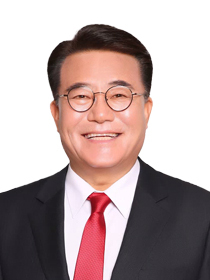
▲ 대전시의회 제295회 임시회 제1차 본회의에서 장애인고용 의무제도 활성화를 촉구하고 있는 황경아 의원=대전광역시의회 제공 © 정지완 기자 |
황경아 대전시의원(국민의힘·비례대표)이 16일 제295회 임시회 1차 본회의 5분 자유발언에서 장애인고용 의무제도의 실질적 이행을 촉구했다. 법정 기준에 못 미치는 고용률로 매년 부담금을 내는 데 그치지 말고, 실제 일자리로 이어지는 구조를 만들어야 한다는 주장이다.
황 의원은 장애인고용 의무제도가 장애인의 경제적 자립과 사회참여를 넓히기 위한 핵심 정책이지만, 대전시 공무원 장애인 고용률은 2025년 기준 3.1%로 법정 기준 3.8%에 미달한다고 지적했다. 그 결과 해마다 수억 원대 고용부담금이 지출되고 있다는 점도 함께 언급했다.
황 의원은 문제를 단순한 수치 부족으로 보지 않았다. 직접 고용으로 연결될 수 있었던 재원이 부담금으로 빠져나가는 구조 자체가 바뀌어야 한다는 것이다. 장애인 고용을 복지 차원의 시혜가 아니라, 지역사회 통합과 경제활동 참여를 보여주는 기준으로 봐야 한다는 말도 덧붙였다.
대안으로는 다양한 고용 방식의 확대를 제시했다. 대전 행복한우리복지관의 ‘행복한 앙상블’ 사례를 들며, 장애인의 문화예술 활동을 일자리 정책과 연결하는 접근이 필요하다고 했다. 이어 산하기관을 중심으로 문화예술 기반의 표준사업장을 만들고, 행정은 제도 지원을, 민간 예술단체는 인력 양성과 운영을 맡는 협력 모델도 제안했다.
황 의원의 발언은 결국 한 가지로 모인다. 장애인 고용을 부담금으로 대신하는 행정에서 벗어나, 실제 일자리를 만드는 행정으로 옮겨가야 한다는 것이다. 대전시가 그 요구를 선언이 아니라 제도로 받아안을 수 있을지, 이제 남은 것은 실행이다.
*아래는 위 기사를 '구글 번역'으로 번역한 영문 기사의 [전문]입니다. '구글번역'은 이해도를 높이기를 위해 노력하고 있습니다. 영문 번역에 오류가 있을 수 있음을 전제로 합니다.<*The following is [the full text] of the English article translated by 'Google Translate'. 'Google Translate' is working hard to improve understanding. It is assumed that there may be errors in the English translation.>
Daejeon City Council Member Hwang Kyung-ah: “Direct Employment Comes Before Disability Employment Levy”
Criticizing Daejeon City Civil Servant Employment Rate of 3.1%… Proposing Introduction of Culture and Arts-Type Standard Workplaces
Daejeon City Council Member Hwang Kyung-ah (People Power Party, Proportional Representation) urged for the substantive implementation of the mandatory disability employment system during her five-minute free speech at the first plenary session of the 295th extraordinary session on the 16th. She argued that instead of merely paying levies every year due to an employment rate falling short of legal standards, a structure must be created that leads to actual jobs.
Council Member Hwang pointed out that while the mandatory disability employment system is a core policy aimed at expanding the economic independence and social participation of people with disabilities, the employment rate of Daejeon City civil servants is projected at 3.1% by 2025, falling short of the legal standard of 3.8%. She also mentioned that as a result, hundreds of millions of won in employment levies are being spent annually.
Council Member Hwang did not view the problem as merely a lack of numbers. The argument is that the very structure in which funds that could have led to direct employment are diverted into levies must be changed. He added that the employment of people with disabilities should not be viewed as a form of welfare charity, but rather as a standard demonstrating community integration and participation in economic activities.
As an alternative, he proposed expanding diverse employment methods. Citing the example of the "Happy Ensemble" at the Daejeon Happy Woori Welfare Center, he argued that an approach is needed to link the cultural and artistic activities of people with disabilities with employment policies. He further proposed a cooperative model in which standard workplaces based on culture and arts are established centered around affiliated organizations, with the administration providing institutional support and private arts groups handling workforce training and operations.
Councilor Hwang's remarks ultimately converge on a single point: the administration must move away from substituting employment for disability through levies and shift toward an administration that creates actual jobs. Whether Daejeon City can embrace this demand as a policy rather than just a declaration remains to be seen; what remains now is implementation.
원본 기사 보기:브레이크뉴스대전세종충청