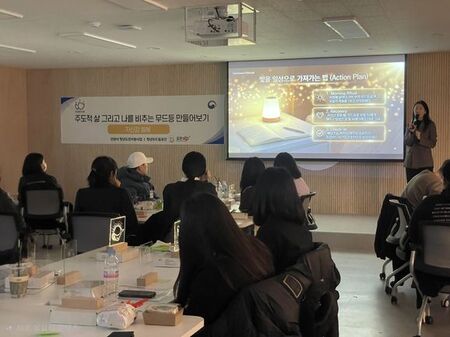
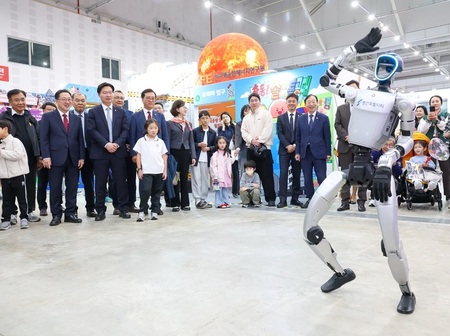
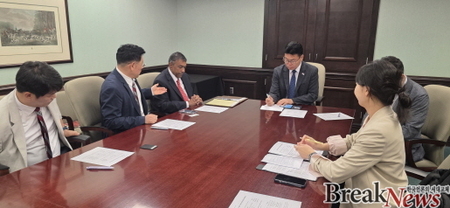
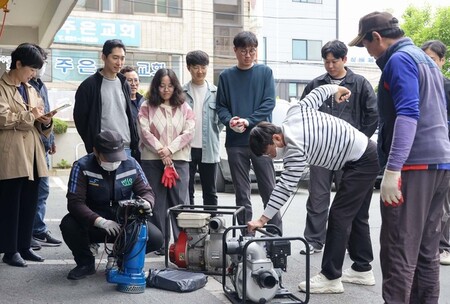
▲ 대전 대덕구, 해빙기 안전사고 예방 '급경사지, 산사태 취약지역' 등 현장 안전점검 진행 모습=대덕구청 제공 © 정지완 기자 |
대전 대덕구가 해빙기 안전사고에 대비해 지역 내 취약시설 전반에 대한 현장 점검에 들어갔다. 겨울철 얼어 있던 지반이 풀리는 시기에 옹벽 붕괴나 절개지 낙석, 공사장 흙막이 붕괴 같은 사고가 잇따를 수 있다는 점을 고려해, 위험요인을 미리 찾아내고 조치하겠다는 취지다.
점검은 지난 2월 23일부터 4월 10일까지 이어진다. 대상은 모두 131곳으로, 급경사지 83곳을 비롯해 건설현장 10곳, 산사태 취약지역 7곳, 노후주택 2곳, 교량 8곳, 육교 11곳, 터널 1곳, 소류지 2곳, 기타 취약시설 7곳이 포함됐다. 시설별 특성에 따라 점검 항목을 달리 적용해 위험도를 세밀하게 살피는 방식이다.
점검 과정에는 시설관리 부서 자체 확인뿐 아니라 민간전문가가 참여하는 안전관리자문단과 합동점검반도 투입된다. 주요 확인 항목은 구조물 균열, 지반 침하, 지하수 용출, 배수 상태 등이다. 해빙기 사고는 작은 틈이나 미세한 지반 변화에서 시작되는 경우가 적지 않은 만큼, 초기 징후를 얼마나 빨리 포착하느냐가 사고 예방의 관건이 된다.
구는 점검 결과에 따라 현장에서 바로 손볼 수 있는 사안은 즉시 조치하고, 위험성이 확인될 경우 사용금지와 철거, 보수·보강 등 긴급 대응에 나설 방침이다. 이후에도 순찰과 후속 관리를 이어가며 사고 가능성을 낮추겠다는 계획이다.
행정 주도의 점검에만 머무르지 않고 주민 참여도 함께 넓힌다. 대덕구는 자율방재단과 함께 수시 예찰을 벌이고, 생활 주변 위험시설은 안전신문고를 통해 신고할 수 있도록 안내할 예정이다. 여기에 주민이 직접 위험요인을 찾아 점검을 요청하는 주민점검신청제도 병행해 생활권 안전망을 보완하기로 했다.
해빙기 안전관리는 계절성 점검으로 보이기 쉽지만, 실제로는 여름철 호우와 태풍 대응의 출발점과도 맞닿아 있다. 균열과 침하, 배수 불량 같은 징후를 이 시기에 잡아내지 못하면, 이후 강우 시기에는 더 큰 피해로 이어질 수 있기 때문이다. 대덕구가 이번 점검을 사전 예방 중심으로 끌고 가겠다고 밝힌 배경도 여기에 있다.
대덕구는 앞으로도 재난 취약 요인에 대한 정기 점검을 이어가며 예방형 안전관리 체계를 강화할 계획이다. 안전은 사고 뒤의 수습보다, 위험을 일상 속에서 얼마나 빨리 발견하고 바로잡느냐에서 갈린다. 이번 해빙기 점검 역시 그 기본을 다지는 과정으로 볼 수 있다.
*아래는 위 기사를 '구글 번역'으로 번역한 영문 기사의 [전문]입니다. '구글번역'은 이해도를 높이기를 위해 노력하고 있습니다. 영문 번역에 오류가 있을 수 있음을 전제로 합니다.<*The following is [the full text] of the English article translated by 'Google Translate'. 'Google Translate' is working hard to improve understanding. It is assumed that there may be errors in the English translation.>
Daedeok-gu Inspects 131 Vulnerable Facilities During Thawing Season… Simultaneously Conducting Resident-Participatory Safety Management
Preemptively Responding to Collapse and Rockfall Accidents by Checking Cracks, Ground Subsidence, and Drainage Conditions
Daejeon's Daedeok-gu has begun on-site inspections of vulnerable facilities within the district to prepare for safety accidents during the thawing season. The initiative aims to identify risk factors in advance and take corrective measures, considering that accidents such as retaining wall collapses, rockfalls on cut slopes, and collapses of earth retaining walls at construction sites could occur as the ground thaws after being frozen during the winter.
The inspections will continue from February 23 to April 10. The targets total 131 locations, including 83 steep slopes, 10 construction sites, 7 landslide-prone areas, 2 aging houses, 8 bridges, 11 overpasses, 1 tunnel, 2 small reservoirs, and 7 other vulnerable facilities. This approach involves applying different inspection criteria based on the specific characteristics of each facility to meticulously assess risk levels.
The inspection process involves not only internal verification by the facility management department but also the deployment of a safety management advisory group and joint inspection teams composed of private sector experts. Key items to check include structural cracks, ground subsidence, groundwater seepage, and drainage conditions. As accidents during the thawing season often originate from small cracks or subtle ground changes, the speed at which early signs are detected is crucial for accident prevention.
Based on the inspection results, the district plans to take immediate action on matters that can be repaired on-site, and if risks are confirmed, it will initiate emergency responses such as prohibiting use, demolition, or repair and reinforcement. The plan is to continue patrols and follow-up management thereafter to minimize the likelihood of accidents.
The initiative goes beyond administratively-led inspections to expand resident participation as well. Daedeok-gu plans to conduct frequent surveillance in collaboration with the Volunteer Disaster Prevention Team and will guide residents to report hazardous facilities in their living areas through the Safety Reporting System (Safety Shinmungo). In addition, the district decided to supplement the safety net for residential areas by implementing a resident inspection request system, allowing residents to directly identify potential hazards and request inspections.
While safety management during the thawing season may easily appear to be merely a seasonal inspection, it is actually closely linked to the starting point for responding to summer heavy rains and typhoons. This is because failure to detect signs such as cracks, subsidence, and poor drainage during this period can lead to greater damage during subsequent rainfall. This is the background behind Daedeok-gu's announcement that it will focus this inspection on proactive prevention.
Daedeok-gu plans to continue conducting regular inspections of disaster vulnerabilities to strengthen its preventive safety management system. Safety is determined not by the aftermath of an accident, but by how quickly risks are detected and corrected in daily life. This thawing season inspection can be viewed as a process of solidifying that foundation.
원본 기사 보기:브레이크뉴스대전세종충청