브레이크뉴스 김충열 정치전문기자 = 전북도지사 출마를 선언한 더불어민주당 안호영 국회의원(전북 완주·진안·무주)은 공소청법과 중대범죄수사청법(중수청법)이 국회를 통과한 것에 대해 22일, 환영의 뜻을 밝혔다.
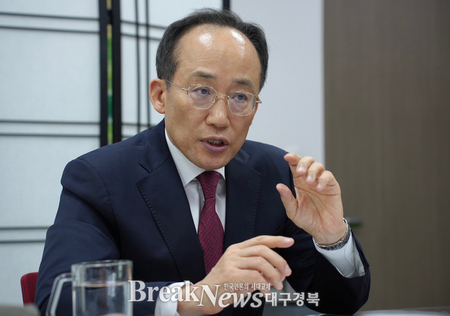
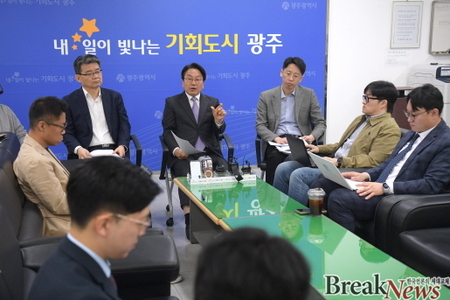
 ▲ 안호영 의원은 “검사의 권한을 법률로 제한하고 수사와 기소를 분리함으로써, 권한 독점으로 인한 억울한 피해자가 다시는 생기지 않기를 기대한다”며, “검찰개혁의 큰 방향이 잡힌 만큼, 6월 지방선거 이후 형사소송법 개정 등을 통해 남은 개혁 작업을 차질 없이 완수하겠다”고 밝혔다. © 사진, 뉴시스/ 김충열 정치전문기자 |
안 의원은 “이번 공소청법 통과는 그동안 수사권과 기소권을 모두 독점하며 무소불위의 권한을 휘둘러 온 검찰에 대해 국민이 보낸 경고장”이라며, “잘못된 관행을 바로잡고 사법체계를 곧추세우는 계기가 될 것”이라고 평가했다.
이어 “검찰 스스로 자정 활동을 통해 ‘바로 서기’를 바랐지만, 그렇지 못한 검찰을 국민이 직접 ‘바로 세운’ 것”이라고 강조하며, “검찰 권한 재조정이라는 국민의 오랜 숙원을 늦게나마 해결할 수 있게 돼 기쁘게 생각한다”고 말했다.
또한, 안 의원은 “검찰이 오랫동안 ‘검찰공화국’이라는 비판 속에서도 권력의 한 축으로 군림하며 권한 독점과 남용, 인권 침해 및 부패의 악순환을 되풀이해 왔다”고 지적했다.
아울러 “이번 법안 통과가 검찰의 수사·기소 분리 체계를 제도화하고, 권력기관 간 견제와 균형을 맞추는 전환점이 될 것”이라고 덧붙였다.
그는 “검사의 권한을 법률로 제한하고 수사와 기소를 분리함으로써, 권한 독점으로 인한 억울한 피해자가 다시는 생기지 않기를 기대한다”며, “검찰개혁의 큰 방향이 잡힌 만큼, 6월 지방선거 이후 형사소송법 개정 등을 통해 남은 개혁 작업을 차질 없이 완수하겠다”고 밝혔다.
한편, 이번에 통과된 공소청법은 검찰의 수사·기소 분리 체계 제도화 및 검사 권한의 법률적 제한을 통한 권한 남용 방지를 골자로 한다.
이에 따라 검찰의 특별사법경찰관 지휘·감독권이 폐지되며, 공소청은 기소 전담 기관으로 재편된다. 함께 통과된 중수청법 역시 당초 정부안보다 검사의 수사 개입을 원천 차단하는 방향으로 강화됐다.
요약하면 공소청법과 중수청법이 3월 21일, 국회 본회의를 통과하면서 78년 검찰 체제는 역사의 뒤안길로 사라지게 되었다. 하지만 '보완수사권' 문제는 이번 법안에 확정적으로 담기지 않았으며, 향후 검찰 개혁의 '마지막 쟁점'으로 남아 있다.
공소청은 검찰청을 대신해 기소와 공소 유지(재판)를 전담한다. 수사 기능은 원칙적으로 상실했다. 중수청은 행정안전부 소속으로 신설되며, 기존 검찰이 맡던 부패·경제 등 6대 중대범죄 수사를 전담한다.
검찰개혁의 최대쟁점 사항인 보완수사권은 공소청 검사가 경찰이나 중수청의 수사 결과에 대해 직접 보완수사를 할 수 있는지, 아니면 '요구'만 할 수 있는지는 6월 지방선거 이후 형사소송법 개정 등으로 미뤄 놨다.
보완수사권은 수사와 기소의 '완전한 분리'를 결정짓는 핵심 고리이다. 이재명 대통령 및 김민석 총리, 정성호 법무장관 측 입장은 "부실 수사 방지와 국민 권익 보호를 위해 검사에게 예외적인 직접 보완수사권이 필요하다"는 입장이다. 기소 여부를 판단하기 위해 최소한의 확인 수사는 필수적이라는 논리이다.
하지만 민주당 내 개혁파(정청래 대표, 추미애 법사위원장, 김용민 법사위 간사) 입장은 "직접 보완수사를 허용하면 사실상 검찰의 수사권이 부활하는 것과 다름없다"고 주장하고 있다. 검사는 오직 자료만 검토하고, 부족할 경우 수사기관에 '보완수사 요구'만 해야 한다는 입장이 충돌하고 있다.
현재는 조직의 근거법만 통과된 상태이며, 실제 검사가 보완수사를 직접 할 수 있을지 여부는 오는 6월 지방선거 이후 진행될 '형사소송법 개정안' 처리 과정에서 최종 결판이 날 것으로 보인다. 보완수사권 여부는 여당의 차기 당대표, 차기 대권 후보와 직결된 문제로 부상하고 있다. 따라서 이 문제는 검철개혁과 맞물려 여당내의 보완수사권 존치론자들과 폐지론자들의 충돌은 물론 여야가 또 다시 격돌할 것으로 전망된다. hpf21@naver.com
* 아래는 위 기사를 '구글 번역'으로 번역한 영문 기사의 [전문]입니다. '구글번역'은 이해도 높이기를 위해 노력하고 있습니다. 영문 번역에 오류가 있을 수 있음을 전제로 합니다.
*The following is [the full text] of the English article translated by 'Google Translate'. 'Google Translate' is working hard to improve understanding. It is assumed that there may be errors in the English translation.
Rep. Ahn Ho-young: “Act on the Establishment of the Serious Crimes Investigation Agency Passes National Assembly… Prosecutor’s Office Disappears into History After 78 Years”
A Warning from the People Against the Unchecked Power of the Prosecution
The Retention or Abolition of Prosecutors’ Supplementary Investigation Authority... Discussion Scheduled After the June 3 Local Elections
Break News, Political Reporter Kim Choong-lyoul = Rep. Ahn Ho-young of the Democratic Party of Korea (Jeonbuk Wanju, Jinan, Muju), who has declared his candidacy for Governor of Jeonbuk Province, expressed his welcome on the 22nd regarding the passage of the Indictment Agency Act and the Serious Crimes Investigation Agency Act (SCA Act) by the National Assembly.
Rep. Ahn stated, “The passage of this Indictment Agency Act is a warning from the people to the prosecution, which has wielded unchecked power by monopolizing both investigative and indictment authority,” adding, “It will serve as an opportunity to correct wrongful practices and set the judicial system straight.”
He continued by emphasizing, “We had hoped the prosecution would ‘set itself right’ through self-purification, but the people have directly ‘set it right’ when it failed to do so,” adding, “I am pleased that we have finally been able to resolve the public’s long-cherished wish for the readjustment of prosecution authority, albeit belatedly.”
Furthermore, Rep. Ahn pointed out, “Despite long-standing criticism that it is a ‘Republic of the Prosecution,’ the prosecution has reigned as a pillar of power, repeating a vicious cycle of monopolization and abuse of authority, human rights violations, and corruption.”
He added, “The passage of this bill will serve as a turning point in institutionalizing the separation of investigation and prosecution within the prosecution and establishing checks and balances among power agencies.”
He stated, “By limiting the authority of prosecutors by law and separating investigation and prosecution, I hope that innocent victims will never again suffer injustice due to the monopolization of power,” and declared, “Now that the major direction of prosecution reform has been established, we will complete the remaining reform work without setbacks through measures such as amending the Criminal Procedure Act following the local elections in June.”
Meanwhile, the recently passed Indictment Agency Act centers on institutionalizing the separation of investigation and indictment within the prosecution system and preventing abuse of power through legal restrictions on prosecutors' authority.
Accordingly, the prosecution's authority to command and supervise special judicial police officers is abolished, and the Indictment Agency is reorganized into an agency dedicated solely to indictment. The Serious Crimes Investigation Agency Act, which was passed alongside it, was also strengthened compared to the original government proposal to fundamentally block prosecutors' intervention in investigations.
In summary, with the passage of the Indictment Agency Act and the Serious Crimes Investigation Agency Act through the National Assembly plenary session on March 21, the 78-year-old prosecution system has faded into the annals of history. However, the issue of "supplementary investigation authority" was not definitively included in these bills and remains the "final point of contention" for future prosecution reform.
The Indictment Agency takes over the exclusive responsibility for indictment and prosecution maintenance (trials), replacing the Prosecutors' Office. Its investigative function has been lost in principle. The Serious Crimes Investigation Agency is newly established under the Ministry of the Interior and Safety and will exclusively handle investigations into six major serious crimes, including corruption and economic crimes, which were previously handled by the prosecution.
The issue of supplementary investigative authority, the biggest point of contention in prosecution reform, has been deferred to the amendment of the Criminal Procedure Act following the local elections in June. The question of whether prosecutors at the Prosecution Service can directly conduct supplementary investigations regarding the results of investigations by the police or the Serious Crimes Investigation Agency, or merely "request" them, has been set aside.
The supplementary investigative authority is a key link determining the "complete separation" of investigation and prosecution. The stance of President Lee Jae-myung, Prime Minister Kim Min-suk, and Justice Minister Jung Sung-ho is that "exceptional direct supplementary investigative authority for prosecutors is necessary to prevent shoddy investigations and protect the rights and interests of the people." Their logic is that a minimum level of verification investigation is essential to determine whether to indict.
However, the reformist faction within the Democratic Party (Chairperson of the Judiciary Committee Choo Mi-ae and Secretary Kim Yong-min) argues that "allowing direct supplementary investigations is tantamount to the de facto revival of the prosecution's investigative powers." This creates a conflict between their position that prosecutors should only review materials and, if necessary, merely "request supplementary investigations" from investigative agencies.
Currently, only the legal basis for the organization has been passed, and whether prosecutors will actually be able to conduct supplementary investigations directly is expected to be finally decided during the processing of the 'Amendment to the Criminal Procedure Act' following the local elections this coming June. The issue of supplementary investigation authority is expected to spark not only a clash between proponents of its retention and abolition within the ruling party but also another confrontation between the ruling and opposition parties. hpf21@naver.com