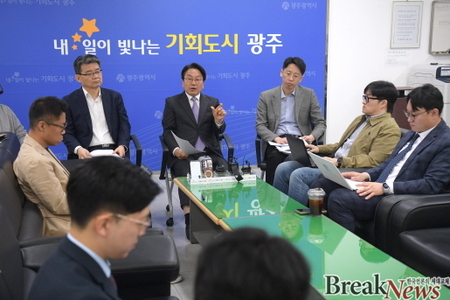
▲ 이재관 의원(충남 천안을·더불어민주당)=이재관 국회의원실 제공 © 정지완 기자 |
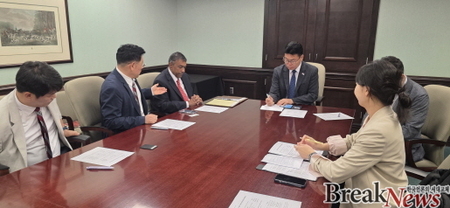
PB 시장이 빠르게 커지는 가운데, 유통 대기업과 중소 제조업체 사이의 불균형 구조를 어떻게 바로잡을 것인지가 국회 논의 테이블에 올랐다. 더불어민주당 이재관 국회의원(천안을)은 지난 24일 국회 의원회관에서 간담회를 열고 PB 확대 과정에서 드러난 구조적 문제를 점검하며 유통·제조업 상생발전 방안을 논의했다.
이번 간담회는 PB 확대를 단순한 유통 전략이 아니라 제조와 유통이 함께 성장하는 협력 구조로 전환할 수 있을지를 모색하는 자리로 마련됐다. 유통사가 주도하는 시장 확대 속에서 중소 제조업체가 하청형 납품 구조에 머무르지 않고, 성과를 함께 나누는 파트너로 설 수 있어야 한다는 문제의식이 중심에 놓였다.
이재관 의원은 개회사에서 PB 확대를 유통과 제조가 함께 성장하는 협력 모델로 발전시켜야 한다고 밝혔다. 성과가 한쪽에만 집중되는 방식으로는 산업 생태계의 지속 가능성을 담보하기 어렵고, 성과를 공유할 수 있는 구조로 전환하는 일이 중요하다고 강조했다.
축사에 나선 조정식 의원도 유통과 제조업의 상생발전은 산업 전반의 경쟁력을 좌우하는 과제라고 짚었다. 상생 협력 모델이 선언에 머물지 않으려면 유통사와 제조업체 간 대등한 파트너십이 실제 구조로 자리 잡아야 한다는 점을 함께 언급했다.
발제를 맡은 정연승 단국대 교수는 PB 생태계의 해법으로 공정성, 경쟁력, 효율성을 함께 고려한 구조 개선을 제시했다. 특히 중소 제조업체가 단순 납품업체를 넘어 기술력과 브랜드 경쟁력을 갖춘 주체로 성장할 수 있도록 종합적인 지원 정책이 필요하다고 진단했다. PB 확대의 효과를 산업 전반으로 넓히기 위해서는 제조사의 자생력과 협상력을 높이는 제도적 기반이 뒤따라야 한다는 뜻이다.
토론에서는 현장의 애로가 보다 구체적으로 제기됐다. 중소 제조업체의 경쟁력 강화를 위한 연구개발과 마케팅 지원, 우수 제조사 품질 인증 도입, 해외시장 진출 확대, 온·오프라인 유통 특성을 반영한 맞춤형 상생 생태계 구축 필요성이 잇따라 나왔다. PB 시장이 커질수록 가격과 납품 조건을 둘러싼 부담이 중소 제조업체에 집중될 수 있다는 점에서, 상생 논의를 구호 수준이 아니라 제도 설계로 구체화해야 한다는 요구가 읽힌다.
정부 측도 후속 정책 의지를 밝혔다. 산업통상자원부는 제조기업의 해외 유통망 진출 지원을, 중소벤처기업부는 상생협력 제도 고도화를 통해 협력 모델 확산에 나서겠다는 입장을 내놨다. 민간 자율에만 맡겨두기에는 시장 내 힘의 격차가 크다는 점에서, 관계 부처의 후속 조치가 실제 개선으로 이어질 수 있을지 주목된다.
이재관 의원은 마무리 발언에서 PB 확대의 순기능을 살리면서도 구조적 불균형을 완화할 수 있는 균형 있는 해법이 필요하다고 밝혔다. 이어 현장과의 소통을 강화하고 관계 부처와 협의를 이어가며 실효성 있는 개선 방안을 마련하겠다고 했다. PB 확대를 둘러싼 논의는 이제 유통 전략의 차원을 넘어, 중소 제조업의 기반과 산업 생태계의 공정성을 함께 묻는 정책 과제로 옮겨가고 있다.
*아래는 위 기사를 '구글 번역'으로 번역한 영문 기사의 [전문]입니다. '구글번역'은 이해도를 높이기를 위해 노력하고 있습니다. 영문 번역에 오류가 있을 수 있음을 전제로 합니다.<*The following is [the full text] of the English article translated by 'Google Translate'. 'Google Translate' is working hard to improve understanding. It is assumed that there may be errors in the English translation.>
Rep. Lee Jae-kwan, "The Shadow of Private Brand Expansion," Launches Discussion on Institutionalizing Win-Win Cooperation between Retail and Manufacturing
Balanced Solutions Needed to Alleviate Structural Imbalances... Urging the Establishment of Win-Win Cooperation Models
As the private brand (PB) market grows rapidly, the question of how to rectify the structural imbalance between large retail conglomerates and small and medium-sized manufacturers has been brought to the table for discussion in the National Assembly. On the 24th, Representative Lee Jae-kwan (Cheonan-eul) of the Democratic Party of Korea held a meeting at the National Assembly Members' Office Building to examine the structural problems revealed during the expansion of private brands and to discuss measures for the win-win development of the retail and manufacturing sectors.
This meeting was organized to explore whether the expansion of private brands can be transformed from a mere retail strategy into a cooperative structure where manufacturing and retail grow together. At the heart of the discussion was the critical awareness that, amidst market expansion led by retailers, small and medium-sized manufacturers must not remain confined to a subcontracting supply structure but must stand as partners who share in the profits.
In his opening remarks, Rep. Lee Jae-kwan stated that the expansion of private brands must be developed into a cooperative model where retail and manufacturing grow together. It was emphasized that it is difficult to guarantee the sustainability of the industrial ecosystem if achievements are concentrated on only one side, and that it is crucial to transition to a structure where results can be shared.
Representative Cho Jung-sik, who delivered a congratulatory speech, also pointed out that the mutually beneficial development of the retail and manufacturing sectors is a task that determines the overall competitiveness of the industry. He also noted that for the mutual cooperation model not to remain merely a declaration, an equal partnership between retailers and manufacturers must take root as a real structure.
Professor Jung Yeon-seung of Dankook University, who gave the presentation, proposed structural improvements that consider fairness, competitiveness, and efficiency together as a solution for the private brand (PB) ecosystem. In particular, he diagnosed that comprehensive support policies are needed to enable small and medium-sized manufacturers to grow beyond being mere suppliers into entities equipped with technological capabilities and brand competitiveness. This implies that to extend the benefits of expanding PBs to the entire industry, an institutional foundation that enhances the self-reliance and bargaining power of manufacturers must follow.
During the discussion, difficulties faced in the field were raised in more detail. There have been successive calls for R&D and marketing support to strengthen the competitiveness of small and medium-sized manufacturers, the introduction of quality certifications for excellent manufacturers, expanded entry into overseas markets, and the establishment of a customized win-win ecosystem that reflects the characteristics of online and offline distribution. Given that the burden regarding pricing and supply conditions may increasingly fall on small and medium-sized manufacturers as the private brand (PB) market grows, there is a discernible demand to concretize discussions on win-win cooperation into institutional designs rather than merely slogans.
The government has also expressed its commitment to follow-up policies. The Ministry of Trade, Industry and Energy stated its intention to support manufacturing companies' entry into overseas distribution networks, while the Ministry of SMEs and Startups announced plans to expand cooperation models by upgrading win-win cooperation systems. As the power disparity within the market is too significant to be left solely to private autonomy, attention is focused on whether the follow-up measures by the relevant ministries will lead to actual improvements.
In his concluding remarks, Representative Lee Jae-kwan stated that a balanced solution is needed to mitigate structural imbalances while preserving the positive functions of PB expansion. He added that he would strengthen communication with the field and continue consultations with relevant ministries to devise effective improvement measures. Discussions surrounding the expansion of private brands are now moving beyond the realm of distribution strategy and shifting into a policy issue that addresses the foundation of small and medium-sized manufacturing companies and the fairness of the industrial ecosystem.
원본 기사 보기:브레이크뉴스대전세종충청