▲ 인터뷰에 응하고 있는 김상준 교수 © |
6월 3일 제9회 전국동시지방선거를 앞두고 ‘누구를 뽑을 것인가’라는 해묵은 질문 너머, ‘우리는 우리의 삶을 어떻게 결정할 것인가’라는 근본적인 질문을 반복하게 된다. 4년에 한 번 행사하는 투표권이 대의제의 한계 속에 단절되는 현실에서, 평범한 시민들이 직접 사회적 난제의 해법을 찾는 ‘시민의회(Citizens' Assembly)’가 그 실천적 대안으로 떠오르고 있다.
시민의회는 이미 2004년부터 유럽과 캐나다 등에서 다양한 방식으로 운영되고 있고, 정치개혁과 사회혁신을 이끌 수 있는 유력한 방안으로 활용되고 있다. 선거제도 개혁(캐나다, 네덜란드), 헌법개정(아이슬란드, 아일랜드), 기후위기(프랑스, 영국)를 의제로 시민의회가 개최되어 가능성을 입증 받고 있다. 국내에서도 선거제도(2023년)와 연금개혁(2024년)을 주제로 500인회의(시민의회)가 국회 주관으로 열리기도 했다. 시민의회는 기존의 공론화 방식을 입법으로 제도화해서 시민들의 실질적인 참여와 의사결정을 보장하자는 것이다.
본지는 지난 3월 14일 이번 지방선거 특집의 첫 번째 순서로 한국형 시민의회론의 중심 인물이자 '시민의회 전국포럼' 상임대표인 김상준 교수를 만났다.
그는 시민의회를 단순한 절차적 제도가 아닌, 시민 개개인 속에 잠든 ‘공공(公共)’ 정신이 되살아나는 공론장의 하나라고 정의한다. 특히 김 교수는 시민의회를 ‘민주주의의 정밀한 실험실’에 비유한다. ‘층화 무작위 추출’이라는 과학적 기법을 통해 ‘민심의 거울’을 만들고, 오염되지 않은 환경에서 시민들이 직접 정책을 제련해내는 과정은 기존 여론조사나 정치권의 협상과는 차원이 다른 정당성을 부여한다고 말했다.
정치권 문턱에 오른 ‘시민의회법’… “입법보다 지역 조례가 앞설 수도…”
○ 본론에 들어가기에 앞서 먼저 ‘시민의회’를 추진하기 위한 법안이 지금 어떤 상태에 있는지, 입법 추진은 어떤 단계에 와있는지 궁금합니다.
지난해 말 이학영의원 대표발의로 법안의 형태를 갖추고 정식 의안접수를 추진했으나 그 이상의 진전은 없습니다. 지금은 모든 관심이 지방선거로 가 있어서 사실상 올스톱이죠. 국회의원은 정부나 소속당의 움직임에 민감하게 반응하고, 정치 정세의 변화에 따라 선택과 집중의 양상이 변합니다. 시민의회 의제는 정치적 풍향이나 정치 현장의 흐름에서 빗겨나 있으니 아무래도 정치권 관심 밖에 머물고 있죠. 개인적으로 강한 문제의식을 가진 의원이 있더라도 이런 상황에서 입법국면을 만들어 나가기가 어렵습니다.
○ 이 사안에 대한 국회의 관심도나 문제의식이 시민사회보다 낮은 건 아닌지요. 국회의원의 이해관계와는 거리가 있다는 점이 그 원인일 수도 있겠다는 생각이 드는데요. 중앙정부나 국회보다 기초 지자체 차원에서 좀 더 시민의회 의제에 접근하기가 쉽지 않을까요. 조례제정이 입법과정보다 절차적으로 용이하다는 점도 그렇고요.
현실적으로 국회 내의 동력을 찾기가 어려운 건 사실입니다. 지역에서 시민의회라는 실체를 훨씬 이해하기 쉽고 가깝게 느낄 수 있지요. 지방행정으로부터 소외 받는 현실에 대한 문제의식도 상대적으로 높을 수밖에 없구요. 지역 활동이 활발한 지역에서 일부 후보와 사전에 교감을 가지고 곳도 있고요. 지방선거운동이 시민의회운동과 연동되면 좋은 결과를 가져올 수 있으리라 봅니다. 전남 광주, 대전, 광명, 군포 등을 활발한 지역으로 꼽을 수 있는데, 전국포럼 임시총회에 보고된 바, 광명에서 4월 18일 예정으로 협약문 작성을 준비한 상태인데, 아마도 법 제정 전에 시민의회 조례가 먼저 성취될 수 있지 않을까 합니다. 그리고 정말로 의지가 있다면 현행 국회법 안에서 심의조항 잘 활용하면 현행법 아래서도 시민의회를 살려나갈 수 있어요. 일종의 ‘숨겨진 조항’이라고 할까요.
“마구잡이 다중이 아닌 ‘공적 책임감’의 집합체”
○ 얼핏 하버마스의 공론장 개념이 떠오르는데요. 시민들이 비판적이고 합리적인 토론을 통해 권력을 감시하는 공간으로서 공론장 말이죠.
바로 하버마스의 개념중에서 숙의를 강조하는 것이고, 바로 그 공론장의 구체화된 모습이 시민의회라고 할 수 있어요. 하버마스가 애매했던 점은 실천적인 방침이 없어서 그래요. 그가 공론장으로서 구체적으로 제시한 것이 미디어, 정당활동 등인데요. 그것만 가지고는 제대로 돌아가지 않는 거예요. 오히려 나빠지는 경우가 많지요. 하지만 하버마스 연구자 중에서 시민의회 연구자들이 많이 나왔으니 그가 공론장 연구의 선구자이긴 하죠.
○ 과연 시민의회 참가자(응모자)들이 평소에 훈련과 경험을 전혀 거치지 않고도 주어진 사회적 의제에 대해 합리적이고 심도 있는 토론을 할 수 있겠냐는 의문이 들어요.
세계 각국 시민의회의 많은 사례를 보면 평소 보지 못했던 일들이 벌어져요. 민주주의 교과서에나 나올 법한 경청, 숙의, 합의가 실현되는 거예요. 겸허히 듣는 자세, 진중하게 말하는 태도, 묵묵히 과정을 견디는 인내……결국에는 합당한 합의에 이르고 의견이 접근하더라는 거예요. 겪어본 사람은 인정하고 이해해요. 시민의회를 겪어보지 않으면 믿기 힘든 놀라운 사태가 벌어져요.
○ 그래도 여전히 ‘이렇게 마구잡이 모아놓으면 중구난방이 될 것이 뻔하다. 검증되지 않은 다중이 모여서 중대한 사회적 갈등 문제를 다룬다는 건 아무래도 상식 밖의 발상 같다’ 는 회의가 고개를 드는 것은 어쩔 수 없는데요.
근데 실제로 시민의회 의원으로서 선출되고 출석의뢰서를 받으면, 본인은 평소에 전혀 관심이 없었음에도 예상외로 수용률이 높아요. 관심 밖이었던 사회적 문제를 다시 생각해보게 되면서 시민으로서 주민으로서 ‘공적 책임감’이 더 무겁게 다가온다고 해요. 그러니 처음 만난 사람 얘기에도 귀를 기울이고, 자기 의견을 고집하거나 일방적으로 주장하지 않게 되는 것이죠. 이런 태도가 자발적으로 자연스럽게 시민의회 현장에서 발휘되는 것이죠.
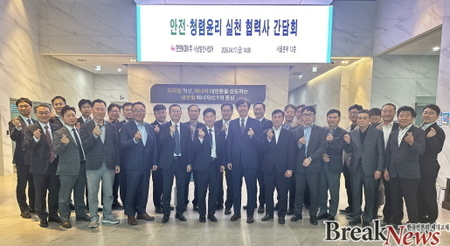
 ▲ 지난 3월 23일 열린 '시민의회 전국포럼' 정기총회에 참석한 회원들이 기념촬영을 하고 있다.[사진=시민의회 전국포럼] © |
무작위 시민이 해답을 만든다… ‘층화 표집’과 숙의의 힘
○ 일방적인 추첨으로 선택된 사람들이 자발적이고 주체적인 모습을 보인다는 건 뜻밖이네요. 그밖에도 ‘시민의회’가 일반적인 예상을 뛰어넘어 굉장히 우수한 제도로 작동하는 그런 순기능을 발휘할 수 있는 비결이나 방법이 어디에 있다고 보시는지요.
먼저 ‘층화 무작위 표집’(stratified random sampling)’ 방식으로 시민의회 의원을 선발하는 걸 들 수 있어요. 한국은 주민 조사가 치밀하게 잘되어 있어요. 정밀도가 높죠. 용어가 낯 설어서 그렇지 이미 각종 여론조사에서 활용하고 있는 표본추출 방식이에요. 다만 여론조사에서는 이미 유권자가 가진 견해를 묻는 것이고(또한 질문 방식에 따라 왜곡의 여지도 있고), 시민의회의 경우는 나중에 최종적으로 결론을 내는 것이 다른 점이죠. 그 다음에 충분한 교육, 충분한 정보, 자유로운 토의를 할 수 있는 조건과 환경을 제공하는데, 굉장히 엄밀하게 설계된 시스템이 작동되도록 한다는 점도 중요하고 이런 점이 여론조사와는 완전히 다르죠.
○ 막연히 시민들의 ‘선한 의지’나 ‘공공 의식’에 기대는 것이 아니라 ‘시민회의라는 공론장이 공정함을 보장할 것이다’는 신뢰가 무척 중요한 것 같은데요. 무작위 추첨방식 말고도 ‘공명정대함’을 보장하는 장치나 원리는 무엇인지요.
시민의회의 숙의과정에서 토론과 설문조사를 몇 차례 반복하면 처음에는 확연했던 견해 차이도 점점 합의에 가까워지는 걸 볼 수 있어요. 숙의 과정의 성패를 가늠하는 중요한 기준이 보다 엄정한 조건을 부여하는 데 있는데, 이런 과정을 설계하는 데는 기술적으로 어려움이 없고요. 세계적으로 733개 사례가 성공적인 합의 결과를 만들어냈다는 점이 매우 중요한데, 엄격한 조건 갖추고, 반복 실행했는데 동일한 결과를 낳았다는 것은 팩트인 것이다. 과학실험이 동일 조건에서 반복적인 실험결과가 일치하면 진리로 인정하듯이, 시민의회의 실험도 동일한 의미에서 과학적 검증을 거쳐 진리에 도달했다고 할 수 있는 거예요. ‘공명정대’에 대한 믿음을 주는 확실한 기초인거죠.
○ 한국 현실에서 실현 가능하다는 걸 입증한 사례로 어떤 게 있는지요.
시민의회에 대한 구구한 설명을 듣는 것 보다는 실제 사례를 살펴보는 것이 훨씬 이해가 빠르죠. OECD 국가에서 733개의 사례가 있구요, 그 속에 한국은 5개가 포함되어 있어요. 그중 하나가 2017년 7~10월에 열린 신고리 5•6호기 건설 중단 여부 공론화위원회이고요. 전 세계적으로 선례를 찾기 힘든 수준의 높은 참여율을 기록했죠. 한계가 없지는 않았지만 대통령이 힘을 실어주고, 정부 행정력이 충분히 동원되어서 누구나 합의에 이를 수밖에 없는 결과를 만들어냈죠. 참여시민들의 반응도 매우 좋았고요. 이게 가능하다는 것을 아는 사람은 압니다.
촛불의 DNA와 ‘천하위공’… 무너지는 공론장을 살리는 숨은 힘
○ 시민의회 의원 선발 방법, 엄밀하고 공정하게 설계한 과정, 동일하고 반복적인 결과 도출등, 과학적 방법을 통해 공정성을 입증할 수 있다는 사실에 충분히 납득이 가는군요. 그런데 이 대목에서 ‘사람’이 빠졌다는 느낌이 드네요. 현대의 평균적인 보통 시민들에게 보편적으로 내재된 자질 또는 능력 같은 측면도 시민의회의 동력이 아닐런지요. 이 대목에서 김교수께서 일찍이 ‘광장의 촛불 시민’에게서 보았다는 맹자의 ‘천하위공(天下爲公)’ 정신이 떠오르는군요.
시민의회의 내적 동력 또는 시민적 동력이랄까, 그런 부분에 대한 깊은 연구를 계속해야한다고 봐요. 우리가 광장에서 목격한 것은 단순한 정권 교체의 열망만이 아니었죠. ‘나라의 주인은 누구인가’라는 물음에 대한 시민들의 집단적인 응답이었죠. 맹자가 말한 천하위공(天下爲公), 즉 ‘천하는 공공의 것’이라는 감각이 한국인의 DNA 속에서 깨어난 사건이라고 봅니다.
하지만 광장의 에너지는 폭발력이 강한 만큼 휘발되기도 쉽지요. 저는 시민의회를 바로 그 뜨거운 촛불의 에너지를 담아내는 ‘장치이자 정밀한 제련소’라고 봅니다.
○ 시민의회가 ‘지금 여기’ 한국사회에 던지는 메시지는 무엇인지요.
오늘날 한국은 물론 세계적으로 일반 시민이 사회정치적인 문제에 대해 차분하게 대화를 하는 것은 애초에 불가능하다 여길 정도로, 토론과 협의 자체에 대한 회의가 크고, 공론에 대한 믿음이 사라졌어요. 아예 대화를 포기하고, 회피하는 심리가 만연해 있음을 쉽게 관찰할 수 있죠. ‘그저 악쓰는 사람들 밖에 안 보인다. 극단적 의견만 남는다. 대화가 대결이 된다,’ 이런 형편인 것이죠. 공론장이 무너지자 대화의 동기 자체가 사라졌어요. 한국은 그 정도가 유독 심한 나라 중에 하나이구요. 이렇게 파괴되고 왜곡된 공론장을 회복하고 새로운 정치문화를 만드는 데 시민의회가 결정적인 역할을 할 거라 봐요.
○ 시민의회의 주창자로서, 시민의 한 사람으로서 ‘시민의회’라는 의제 실현을 위한 김교수님의 의지와 그간의 소감을 듣고 싶군요.
요즘 새삼스레 ‘세상에는 완전한 것은 없고, 완전한 선물을 건네줄 천사도 없다’는 말이 떠올라요. 지금 세상이 어둡고 캄캄해서 생존에 급급할 뿐이라는 걱정이 더 커지기만 해서 그런가 봐요. 그런데 좋은 소식, 굿뉴스, 복음이라고 하죠. 우리가 생생하게 눈으로 보고 만져볼 수 있는 좋은 것들을 접하고 알게 되었으면, 그런 일이 잘 되어야 하는 것 아닌가 싶어요. 바로 우리 곁에 있는 보물, 우리 안에 있는 모습인데 믿지 못하고 있던 것이 세상에 드러날 때 조금씩 좋은 삶으로 다가가게 되는 거라 믿어요. 지방자치의 핵심 정신은 ‘자치’에 있고 시민의회가 자치의 가장 중요하고 유력한 수단이라는 믿음이 실현되도록 노력을 쏟아보고 싶어요.
김상준
경희대학교 공공대학원 명예교수. 지난 20여 년간 새로운 제도로서 시민의회의 한국사회 정착을 제안해 왔고, 2025년 3월 시민의회전국포럼 창립에 주도적 역할을 했다. 시민의회 관련 저서로 『미지의 민주주의: 신자유주의 이후의 사회를 구상하다』(2009)와 지난 20여 년간 변화하는 정세에 응하여 시민의회의 필요성과 역할을 제시한 글을 모은 『시민의회로 가는 길』(2025)이 있다.
아래는 위 기사를 ‘Google 번역’으로 번역한 영문 기사의 ‘전문’이다. ‘Google 번역’은 이해도를 높이기 위해 노력하고 있다. 영문 번역에 오류가 있을 수 있음을 전제로 한다. <*The following is [the full text] of the English article translated by ‘Google Translate’ and amended. ‘Google Translate’ is working hard to improve understanding. It is assumed that there may be errors in the English translation.>
[June 3 Local Election Special Interview]
Hearing from Professor Kim Sang-jun, an authority on the Korean-style Citizens' Assembly model.
“Voting once every four years is insufficient... The ‘Citizens' Assembly’ is a powerful means of self-governance.”
Ahead of the 9th nationwide simultaneous local elections on June 3, we find ourselves repeatedly asking the fundamental question, “How will we decide our lives?”—going beyond the age-old question of “who to elect.” In a reality where the right to vote, exercised only once every four years, is disconnected within the limitations of representative democracy, the “Citizens' Assembly,” where ordinary citizens directly seek solutions to difficult social challenges, is emerging as a practical alternative.
Citizens' assemblies have already been operating in various ways in Europe and Canada since 2004 and are being utilized as a powerful method to lead political reform and social innovation. Their potential is being proven as assemblies are held with agendas such as electoral system reform (Canada, Netherlands), constitutional amendment (Iceland, Ireland), and the climate crisis (France, UK). In Korea as well, the Council of 500 (Citizens' Assembly) was held under the auspices of the National Assembly, focusing on the electoral system (2023) and pension reform (2024). The Citizens' Assembly aims to guarantee substantive citizen participation and decision-making by institutionalizing existing methods of public deliberation into legislation.
On March 14, as the first installment of our special feature on the upcoming local elections, this publication met with Professor Kim Sang-jun, a central figure in the theory of the Korean-style Citizens' Assembly.
He defines the Citizens' Assembly not merely as a procedural institution, but as a public forum where the "public" spirit dormant within individual citizens is revived. In particular, Professor Kim likens the Citizens' Assembly to a "precise laboratory of democracy." He stated that the process of creating a "mirror of public sentiment" through the scientific technique of "stratified random sampling" and allowing citizens to directly refine policies in an unpolluted environment grants legitimacy on a completely different level from existing public opinion polls or negotiations within the political sphere. ------------------------------------------(Distinguished from the main text by box or color!)
The ‘Citizens’ Assembly Act’ Reaches the Political Threshold… “Local Ordinances May Take Precedence Over Legislation…”
○ Before getting to the main point, I would like to know the current status of the bill to promote the ‘Citizens’ Assembly’ and what stage the legislative process is currently at.
- At the end of last year, Representative Lee Hak-young initiated the bill, and we pushed for its formal submission as a legislative proposal, but there has been no further progress. Currently, all attention is focused on the local elections, so it is effectively at a standstill. Members of the National Assembly react sensitively to the movements of the government or their respective parties, and the patterns of selection and concentration shift according to changes in the political landscape. Since the agenda for the Citizens’ Assembly is out of step with the political winds or the current trends in the political arena, it naturally remains outside the interest of the political sphere. Even if there are members who personally hold a strong sense of concern regarding this issue, it is difficult to create a legislative phase in this situation.
○ Is it possible that the National Assembly’s level of interest or awareness regarding this matter is lower than that of civil society? I suspect that the fact that it is far removed from the interests of National Assembly members might be the cause. Wouldn't it be easier for local governments to approach the agenda of a citizens' assembly than for the central government or the National Assembly? This is also because enacting ordinances is procedurally easier than the legislative process.
- Realistically, it is true that it is difficult to find momentum within the National Assembly. Local regions can understand the reality of a citizens' assembly much more easily and feel closer to it. Consequently, there is inevitably a relatively higher awareness of the issues regarding the reality of being marginalized by local administration. In regions with active local activities, there are even places where candidates have established a prior rapport. I believe that linking local election campaigns with the citizens' assembly movement can yield positive results. Jeonnam Gwangju, Daejeon, Gwangmyeong, and Gunpo can be cited as active regions. As reported at the National Forum's Extraordinary General Assembly, Gwangmyeong is preparing to draft an agreement scheduled for April 18, so I believe a citizens' assembly ordinance might be achieved before the enactment of the law. And if there is truly the will, we can keep the Citizens' Assembly alive even under current laws by effectively utilizing the deliberation provisions within the existing National Assembly Act. Shall we call it a kind of ‘hidden provision’?
“A collection of ‘public responsibility,’ not a haphazard crowd”
○ At first glance, Habermas’s concept of the public sphere comes to mind. I mean the public sphere as a space where citizens monitor power through critical and rational debate.
- It is precisely the emphasis on deliberation within Habermas’s concept, and the Citizens' Assembly can be seen as the concrete manifestation of that public sphere. The reason Habermas was ambiguous is that he lacked practical guidelines. The specific elements he proposed as the public sphere were media and political party activities, but they do not function properly on their own. In fact, they often lead to deterioration. However, since many researchers of Citizens' Assemblies have emerged among Habermas scholars, he is indeed a pioneer in the study of the public sphere.
○ I have doubts as to whether participants (applicants) of a Citizens' Assembly can truly engage in rational and in-depth discussions on given social agendas without having undergone any training or experience in the past.
- Looking at many examples of Citizens' Assemblies around the world, things that are rarely seen occur. Listening, deliberation, and consensus—qualities typically found in democracy textbooks—are realized. An attitude of listening humbly, a serious demeanor when speaking, the patience to silently endure the process... ultimately, they reach a reasonable consensus and their opinions converge. Those who have experienced it acknowledge and understand this. Amazing events unfold that are hard to believe unless you have experienced a Citizens' Assembly.
○ Nevertheless, it is inevitable that skepticism still arises, with people thinking, "It is obvious that gathering people haphazardly like this will lead to chaos. It seems like an idea beyond common sense to have an unverified crowd gather to deal with serious social conflict issues."
- However, in reality, when elected as a member of the Citizens' Assembly and receiving a summons to attend, the acceptance rate is unexpectedly high, even if the individual had absolutely no interest in the matter beforehand. They say that as they reconsider social issues they had previously overlooked, a sense of ‘public responsibility’ as citizens and residents weighs more heavily on them. Consequently, they listen attentively to people they meet for the first time and refrain from stubbornly insisting on their own opinions or making unilateral claims. This attitude is voluntarily and naturally manifested in the Citizens' Assembly setting.
**Random Citizens Create Solutions… The Power of ‘Stratified Sampling’ and Deliberation**
○ It is unexpected that people selected through a unilateral lottery show such voluntary and proactive behavior. Aside from that, where do you believe the secret or method lies that allows the ‘Citizens' Assembly’ to demonstrate such positive functions as an excellent system that exceeds general expectations?
- First, I would cite the selection of Citizens' Assembly members through the ‘stratified random sampling’ method. Korea conducts thorough resident surveys. The precision is high. It may be that the terminology is unfamiliar, but it is a sampling method already utilized in various public opinion polls. However, the difference is that public opinion polls ask about views already held by voters (and there is also room for distortion depending on the questioning method), whereas the Citizens' Assembly reaches a final conclusion later. Furthermore, it is important to ensure that a highly rigorously designed system operates while providing conditions and an environment for sufficient education, information, and free discussion; this is what makes it completely different from public opinion polls.
○ It seems that trust—that the public forum known as the Citizens' Assembly will guarantee fairness—is crucial, rather than vaguely relying on citizens' "good will" or "public consciousness." Aside from the random drawing method, what are the mechanisms or principles that guarantee "fairness and impartiality"?
- In the deliberative process of the Citizens' Assembly, if discussions and surveys are repeated several times, one can see that differences in opinion that were initially distinct gradually approach consensus. A key criterion for gauging the success or failure of the deliberative process lies in imposing stricter conditions, and there are no technical difficulties in designing such a process. It is highly significant that 733 cases worldwide have produced successful consensus outcomes. The fact remains that these results were consistent despite being conducted under strict conditions and repeated. Just as scientific experiments are recognized as truth when repeated results match under identical conditions, the experiment of the Citizens' Assembly can be said to have reached the truth through scientific verification in the same sense. It serves as a solid foundation that instills faith in ‘fairness and impartiality.’
○ What are some examples that have proven feasibility in the Korean context?
- It is much easier to understand by examining actual cases rather than listening to lengthy explanations about Citizens' Assemblies. There are 733 cases in OECD countries, and Korea accounts for five of them. One of them is the Public Deliberation Committee on whether to halt the construction of Shin-Kori Units 5 and 6, held from July to October 2017. It recorded a participation rate so high that it is difficult to find precedents for it globally. While it was not without its limitations, the President lent his support, and the government's administrative power was fully mobilized, resulting in an outcome where everyone was compelled to reach a consensus. The response from the participating citizens was also very positive. Those who know, know that this is possible.
The DNA of the Candlelight and ‘Tianxia Weigong’… The Hidden Power Revitalizing the Collapsing Public Sphere
○ I am fully convinced by the fact that fairness can be proven through scientific methods, such as the selection process for Citizens’ Assembly members, the rigorously and fairly designed process, and the consistent and repetitive derivation of results. However, I feel that the ‘people’ are missing from this point. Could the qualities or abilities universally inherent in the average modern citizen also be the driving force of the Citizens’ Assembly? At this point, I am reminded of Mencius’s spirit of ‘Tianxia Weigong’ (the world belongs to the public), which Professor Kim observed early on in the ‘Candlelight citizens of the square.’
- Yes, I believe we need to continue in-depth research into the internal or civic driving force of the Citizens’ Assembly. What we witnessed in the square was not merely a desire for a change of regime. It was a collective response from citizens to the question, ‘Who is the master of the country?’ I view this as an event in which the sense of "Tianxia Weigong" (天下爲公), spoken of by Mencius—that "the world belongs to the common people"—was awakened within the DNA of Koreans.
However, just as the energy of the public square is explosive, it is also easily evaporated. I regard the Citizens' Assembly as both a "device and a precise refinery" that captures precisely that burning energy of the candlelight.
○ What the Citizens' Assembly throws at Korean society "here and now"
Today, not only in Korea but globally, skepticism regarding debate and consultation itself is so deep, and faith in public discourse has vanished, that it is considered impossible for ordinary citizens to engage in calm dialogue about socio-political issues from the outset. It is easy to observe a pervasive mentality of giving up on dialogue altogether and avoiding it. The prevailing sentiment is, "I only see people screaming. Only extreme opinions remain. Dialogue turns into confrontation." As the public sphere collapsed, the very motivation for dialogue disappeared. Korea is one of the countries where this is particularly severe. I believe the Citizens' Assembly will play a decisive role in restoring this destroyed and distorted public sphere and creating a new political culture.
○ As an advocate for the Citizens' Assembly and as a citizen yourself, I would like to hear your determination to realize the agenda of the "Citizens' Assembly" and your thoughts on the process so far.
- Lately, I am reminded once again of the saying, "There is nothing perfect in this world, and there is no angel to give a perfect gift." Perhaps it is because my worry that the world is currently so dark and gloomy that we are merely struggling to survive has only grown. However, we call it good news, the Gospel. If we are to encounter and learn about good things that we can vividly see and touch, shouldn't that be the case? I believe that when the treasures right beside us—the aspects of ourselves that we could not believe in—are revealed to the world, we gradually move closer to a better life. I want to devote my efforts to realizing the belief that the core spirit of local autonomy lies in ‘self-governance,’ and that the Citizens' Assembly is the most important and powerful means of self-governance.
Kim Sang-jun
Professor Emeritus, Graduate School of Public Administration, Kyung Hee University. For the past 20 years, he has proposed the establishment of the Citizens' Assembly as a new system in Korean society and played a leading role in the founding of the National Citizens' Assembly Forum in March 2025. Books related to the Citizens' Assembly include *Democracy Unknown: Envisioning a Post-Neoliberal Society* (2009) and *The Road to the Citizens' Assembly* (2025), a collection of writings presenting the necessity and role of the Citizens' Assembly in response to the changing circumstances of the past 20 years.
원본 기사 보기:경기브레이크뉴스&주간현대신문