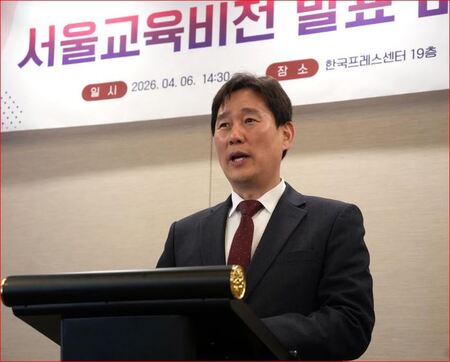
▲ 인류 역사는 에너지 전쟁의 역사다. -K발명역사이야기⑪ © |
인류역사는 에너지전쟁의 연속
불을 지피던 원시인에서, 석유를 둘러싼 현대 국가까지, 에너지를 둘러싼 전쟁은 문명의 궤적을 바꾸어왔다. 이제 인류는 또 다른 갈림길에 서 있다. 재생에너지와 신기술을 둘러싼 경쟁은 단순한 자원 전쟁이 아니라, 인류가 어떤 미래를 선택할 것인가에 대한 문명적 시험대다.
1차 자연에너지 시대에서 2차 합성연료 자연순환 에너지시대를 만들어가고 있다.
인류의 에너지 전쟁은 단순한 자원 확보가 아니라, 국제 정치·경제 질서를 재편해온 역사적 사건들이었다. 대표적 사례가 제1·2차 세계대전의 석유 공급 경쟁, 1970년대 오일쇼크, 걸프전, 그리고 최근 이란과 미국의 ‘3차 에너지 충격’이다. 이번 전쟁은 세계 경제판을 흔들고 있다. 에너지 전쟁은 세계 경제구조를 흔드는 칼이다.
첫째, 제1·2차 세계대전과 석유에너지 전략
제1차 세계대전(1914~1918)에서 영국과 프랑스는 안정적인 석유 공급망을 확보했지만, 독일은 연료 부족으로 전쟁 수행에 어려움을 겪었다. 석유는 전쟁의 승패를 좌우하는 전략 자원으로 부상했다.
제2차 세계대전(1939~1945)에서 미국의 막대한 석유 생산력은 연합군의 군수 능력을 뒷받침했다. 반면 독일은 석유 부족을 보완하기 위해 석탄 액화 기술을 통한 합성연료 개발에 집중했으나, 공급 한계로 전쟁 수행에 제약을 받았다. 독일은 석유 대신 풍부한 석탄을 석유로 개발하는데 주력했다.
둘째, 오일쇼크와 OPEC의 부상
1973년 1차 오일쇼크는 OPEC이 미국과 서방에 대한 석유 수출을 제한하면서 국제 유가가 급등, 세계 경제가 큰 충격을 받았다.
이어서 1979년 2차 오일쇼크은 이란 혁명으로 석유 생산이 급감, 글로벌 인플레이션과 경기 침체를 초래했다. 이 시기 중동 산유국은 국제 정치의 핵심 세력으로 부상하며, 에너지 자원이 외교적 무기임을 입증했다.
셋째, 걸프전(1990~1991)
이라크의 쿠웨이트 침공은 석유 공급망을 위협했고, 미국을 비롯한 연합군의 군사 개입을 촉발했다. 걸프전은 석유 안보가 곧 국가 안보라는 인식을 강화시켰으며, 이후 미국의 중동 개입은 에너지 패권 유지와 직결되었다.
오늘날 에너지 전쟁은 인류 미래를 흔들고 있다. 2026년 이란 전쟁은 호르무즈 해협이 봉쇄 위기에 직면하면서 전 세계 LNG·석유 유동량의 약 20%를 차단시켰다. 국제 유가는 120달러를 돌파하며 글로벌 인플레이션 압박을 가중시켰다. 국제에너지기구(IEA)는 이를 “역사상 가장 치명적인 글로벌 에너지 안보 위협”으로 규정했다. 이번 사태는 화석연료 중심 질서의 종말을 앞당기고, 재생에너지를 ‘안보 자산’으로 격상시키는 계기가 되고 있다.
인류 문명은 에너지 확보와 활용을 둘러싼 투쟁의 연속
불을 발견하고 나무를 태우던 원시적 시대부터, 석탄과 석유를 둘러싼 산업혁명과 현대의 지정학적 갈등까지, 에너지는 단순한 자원 이상 의 존재가 되었다. 에너지는 권력, 경제, 그리고 문명의 방향을 결정하는 핵심 동력이다.
1차, 자연 에너지 자원
물을 이용한 에너지 자원은 생활의 편리성과 다양성을 촉발시켰다. 물을 이용한 물레방아의 동력은 많은 민족이 이용해 왔으며 다양하게 이용하면서 생활도 발달시켰다.
인류는 석탄과 석유 화석연료를 발견하면서 생활이 윤택해 졌다. 이후, 태양에너지, 바람, 물 등의 자연적인 에너지를 이용했다. 바람을 이용한 풍력에너지, 햇빛을 이용한 태양광에너지개발 등으로 에너지는 산업혁명과 현대 문명의 심장으로 국가들의 부와 힘을 결정짓는 중요한 자원으로 에너지 전쟁이 확산되고 있다.
에너지 자원을 둘러싼 전쟁
석탄에서 석유로, 다시 가스와 핵에너지로 이어지는 에너지 패권을 잡기 위한 싸움은 세계 곳곳에서 전쟁과 갈등을 촉발시키고 있다. 세계대전부터 중동 지역의 수많은 분쟁까지 에너지는 국가 전략의 핵심이 되었다. 에너지는 경제적 자원이 아니라 국가의 생존과 안전을 좌우하는 무기가 되고 있다.
2차, 에너지원 개발과 미래 전쟁
인류는 화석 연료의 한계를 넘어, 수소, 탄소 기반 합성 연료, 바이오 연료 같은 새로운 2차 에너지원을 개발 중이다. 이 기술을 어느 나라에서 먼저 상용화되고 에너지 자립을 이루느냐에 따라 차세대 패권이 달라진다.
한국이 수소에너지개발에 막대한 예산을 투자하는 이유
수소에너지는 탄소중립 달성과 미래 산업 경쟁력 확보 방법이다. 수소는 전력화가 어려운 산업의 탈 탄소를 가능하게 하고, 재생에너지의 변동성을 보완하며 미래 글로벌시장 규모가 2050년 약 1조4000억 달러에 이를 것으로 전망하고 있다.
한국은 세계 최초로 ‘수소법’을 제정해 제도적 기반을 마련하여 그린수소 개발에 집중하고 있다. 재생에너지 기반 수소 생산으로 장기적 지속 가능성 확보하여 글로벌 공급망 참여함으로 수소는 차세대 산업 질서와 공급망 재편의 핵심 에너지원 국가로 부상하기 위함이다.
이제, 세계는 보이지않는 에너지 개발에 막대한 예산을 투자하고 있다. 한국은 중국, 일본, 미국, EU 등과 수소에너지개발에 경쟁하고 있다. 이는 산업 경쟁력과 글로벌 공급망 주도권을 잡기 위한 전략이다.
5,000년 한국발명역사를 통해 기술개발에 많은 실패경험을 가지고 인내와 끈기로 신기술을 개발해온 한국이 석유, 가스 등의 자연에너지 자원을 대체할 신 에너지개발에 앞장서야 하는 이유이다. 한국(K에너지) 전략은 산업과 안보와 기술을 통합한 전략이 필요하다.
*아래는 위 기사를 '구글 번역'으로 번역한 영문 기사의 [전문]입니다. '구글번역'은 이해도 높이기를 위해 노력하고 있습니다. 영문 번역에 오류가 있을 수 있음을 전제로 합니다.<*The following is [the full text] of the English article translated by 'Google Translate'. 'Google Translate' is working hard to improve understanding. It is assumed that there may be errors in the English translation.>
Human history is a history of energy wars. - Story of K-Invention History 11
Kang Chung-in, Future Educator
Human history is a continuous series of energy wars.
From primitive humans kindling fires to modern nations vying for oil, wars over energy have altered the trajectory of civilization. Now, humanity stands at another crossroads. The competition surrounding renewable energy and new technologies is not merely a war over resources, but a civilizational test of what future humanity will choose.
We are moving from the era of primary natural energy to the era of secondary synthetic fuels and natural circulation energy.
Humanity's energy wars have not been merely about securing resources, but have been historical events that have reshaped the international political and economic order. Representative examples include the oil supply competition during World War I and II, the oil shock of the 1970s, the Gulf War, and the recent "Third Energy Shock" between Iran and the United States. This war is shaking the global economic landscape. Energy wars are a sword that shakes the structure of the world economy.
First, World War I and II and Oil Energy Strategy
During World War I (1914–1918), while Britain and France secured stable oil supply chains, Germany struggled to wage the war due to fuel shortages. Oil emerged as a strategic resource that determined the outcome of the war.
During World War II (1939–1945), the United States’ massive oil production supported the logistical capabilities of the Allied forces. Conversely, Germany focused on developing synthetic fuels through coal liquefaction technology to compensate for its oil shortage, but faced constraints in conducting the war due to supply limitations. Instead of oil, Germany concentrated on developing its abundant coal into oil.
Second, Oil Shocks and the Rise of OPEC
The first oil shock in 1973 dealt a severe blow to the global economy as international oil prices skyrocketed following OPEC's restrictions on oil exports to the United States and the West.
Subsequently, the second oil shock in 1979 caused a sharp decline in oil production due to the Iranian Revolution, leading to global inflation and an economic recession. During this period, Middle Eastern oil-producing nations emerged as key forces in international politics, proving that energy resources serve as a diplomatic weapon.
Third, the Gulf War (1990–1991)
Iraq’s invasion of Kuwait threatened oil supply chains and triggered military intervention by the United States and its coalition forces. The Gulf War reinforced the perception that oil security equates to national security, and subsequently, U.S. intervention in the Middle East became directly linked to maintaining energy hegemony.
Today, energy wars are shaking the future of humanity.
The 2026 Iran war has cut off approximately 20% of global LNG and oil flow as the Strait of Hormuz faces a blockade crisis. International oil prices surpassed $120, intensifying pressure on global inflation. The International Energy Agency (IEA) has defined this as “the most lethal global energy security threat in history.” This crisis is accelerating the end of the fossil fuel-centered order and serving as a catalyst to elevate renewable energy to the status of a “security asset.”
Human Civilization Has Been a Continuous Struggle for Securing and Utilizing Energy
From the primitive era of discovering fire and burning wood to the Industrial Revolution surrounding coal and oil, and the modern geopolitical conflicts, energy has become more than just a simple resource. Energy is the core driving force that determines the direction of power, the economy, and civilization.
Primary, Natural Energy Resources
Energy resources utilizing water sparked convenience and diversity in daily life. The power of waterwheels, powered by water, has been used by many peoples, and their diverse applications have led to the development of their lifestyles.
Human life became more prosperous with the discovery of fossil fuels such as coal and oil. Subsequently, natural energies such as solar energy, wind, and water were utilized. With the development of wind energy and solar energy, energy has become the heart of the Industrial Revolution and modern civilization. As a crucial resource determining the wealth and power of nations, energy wars are spreading.
Wars Over Energy Resources
The struggle to seize energy hegemony, extending from coal to oil, and then to gas and nuclear energy, is triggering wars and conflicts across the globe. From World War II to numerous conflicts in the Middle East, energy has become a core element of national strategy. Energy is becoming not merely an economic resource, but a weapon that determines a nation's survival and security.
**Development of Secondary Energy Sources and Future Warfare**
Humanity is moving beyond the limitations of fossil fuels and developing new secondary energy sources such as hydrogen, carbon-based synthetic fuels, and biofuels. The future hegemony will depend on which country commercializes these technologies first and achieves energy independence.
**Why Korea is Investing Massive Budgets in Hydrogen Energy Development**
Hydrogen energy is a method for achieving carbon neutrality and securing future industrial competitiveness. Hydrogen enables the decarbonization of industries that are difficult to electrify, complements the variability of renewable energy, and is projected to reach a future global market size of approximately $1.4 trillion by 2050.
Korea is focusing on the development of green hydrogen by establishing an institutional foundation through the enactment of the world's first "Hydrogen Act." The goal is to emerge as a key energy source nation for the next-generation industrial order and the restructuring of supply chains by securing long-term sustainability through renewable energy-based hydrogen production and participating in global supply chains.
Now, the world is investing massive budgets in the development of invisible energy. Korea is competing with China, Japan, the United States, and the EU in the development of hydrogen energy. This is a strategy aimed at securing industrial competitiveness and leadership in global supply chains.
This is why Korea, having developed new technologies with patience and tenacity while experiencing numerous failures throughout its 5,000-year history of invention, must take the lead in developing new energy sources to replace natural resources such as oil and gas. The Korea (K-Energy) strategy requires an integrated approach that combines industry, security, and technology.