[브레이크뉴스경기남부=화성 이현준기자] 화성특례시는 중동전쟁 장기화에 따른 유가 급등과 글로벌 경제 불안에 대응하기 위해 중동사태 위기대응 비상대책회의를 개최했다.
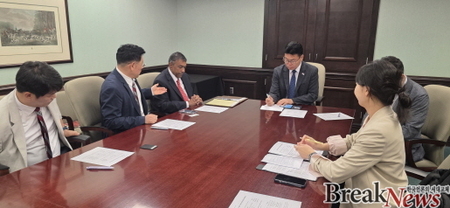
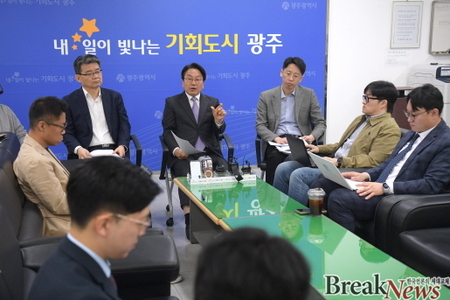
지난 3일 송문호 기획조정실장 주재로 열린 이번 회의에는 농업, 교통, 기업, 에너지 관련 부서장들이 참석해 유가 급등이 지역 경제 전반에 미치는 영향을 점검하고 분야별 대응 방안이 논의됐다.
주요 점검 내용으로는 농업 생산비 증가, 운수업계 재정 악화, 기업 수출 차질, 소상공인 경영 부담 확대 등이 다뤄졌다. 이에 대한 대응책으로 시는 피해 기업 중심의 자금 및 수출 지원, 면세유 공급 안정화, 버스 재정지원금 조기 집행, 화물 운수업계 유가보조금 지급 등을 검토했다. 또한 민생 안정을 위해 지역화폐 발행 확대와 캐시백 10% 정책 시행, 전기차 보조금 2차 공고 5월 조기 시행, 종량제 봉투 원료 확보 등 긴급 대책을 추진할 계획이다.
공공부문 에너지 절약 대책도 대폭 강화된다. 현재 시행 중인 공공기관 승용차 5부제를 4월 8일부터 2부제로 확대하고 공영주차장 5부제도 병행 실시한다.
아래는 위 기사를 '구글 번역'으로 번역한 영문 기사의 [전문]입니다. '구글번역'은 이해도를 높이기를 위해 노력하고 있습니다. 영문 번역에 오류가 있을 수 있음을 전제로 합니다.<*The following is [the full text] of the English article translated by 'Google Translate'. 'Google Translate' is working hard to improve understanding. It is assumed that there may be errors in the English translation.>
[Break News Gyeonggi South = Reporter Lee Hyun-jun, Hwaseong] Hwaseong Special City held an emergency crisis response meeting to address the Middle East crisis and global economic instability caused by soaring oil prices resulting from the prolonged Middle East war.
The meeting, presided over by Song Mun-ho, Director of the Planning and Coordination Office, was attended by heads of departments related to agriculture, transportation, business, and energy. They reviewed the impact of soaring oil prices on the overall regional economy and discussed response measures for each sector.
Key issues addressed included increased agricultural production costs, worsening financial conditions in the transportation industry, disruptions to corporate exports, and increased management burdens for small business owners. As countermeasures, the city reviewed financial and export support focused on affected companies, stabilization of tax-exempt fuel supply, early disbursement of financial support for buses, and the provision of fuel subsidies to the freight transportation industry. Furthermore, to stabilize people's livelihoods, the city plans to implement emergency measures such as expanding the issuance of local currency, implementing a 10% cashback policy, an early announcement of the second round of electric vehicle subsidies in May, and securing raw materials for pay-as-you-throw garbage bags.
Energy conservation measures in the public sector will also be significantly strengthened. The current five-day rotation system for public institution passenger cars will be expanded to a two-day rotation system starting April 8, and the five-day rotation system for public parking lots will also be implemented in parallel.
원본 기사 보기:브레이크뉴스 경기남부