박철성 기자 〈리서치센터 국장·칼럼니스트〉
■ 신현송 재산 55% 해외·가족 전원 외국 국적… 환율 책임자 맞나
■ 이재명 대통령의 베팅 — 수혜자는 시장? 국민?
■ 청구서는 이미 작성됐다, 국민이 청문회장에 내미는 청구서

|
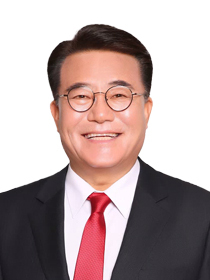
▲신현송 한국은행 총재 후보자. 침묵을 철학으로 내세운 그의 선택, 시장은 이미 그 의미를 먼저 해석하기 시작했다.
환율을 지켜야 할 사람의 돈이 해외에 있다. 그의 가족은 외국 국적이다. 신현송. 그가 한국은행 총재 후보다.
4월 20일, 이창용의 임기가 끝난다. 인사청문회는 15일이다. 시장은 이미 움직였다. 인사도 끝나지 않았는데, 금리 기대가 먼저 출렁였다. 말이 아니라, 침묵이 시장을 건드렸다.
■ 시장은 기다리지 않는다
중앙은행 총재의 한마디는 금리다. 환율이다. 자산 가격이다. 총재가 말을 하지 않으면, 시장이 먼저 해석한다. 그리고 자금이 먼저 요동친다.
신현송은 아직 총재가 아니다. 아무 말도 하지 않았다. 그런데 채권시장은 이미 긴축을 읽었다. 금리 인하 기대는 물러났다. 변동성은 먼저 움직였다. 말이 없었기 때문에 더 과하게 움직였다. 침묵의 역설이다. 말하지 않아도 반응한다. 오히려 더 격렬하게.
■ 이창용의 4년 — 한 문장으로 끝난다
이창용의 4년은 하나로 정리된다. 시장은 항상 그의 입을 먼저 봤다.
말이 많고, 빠르고, 직설적이었다. 기자간담회 도중 채권시장 변동성이 평상시 대비 7배에서 15배까지 폭발했다. 총재의 입이 리스크라는 말이 공공연하게 나돌았다.

|
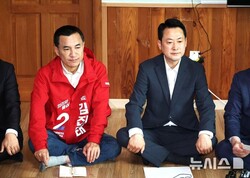
▲이창용 한국은행 총재. 말이 시장을 움직이던 4년, 그의 발언은 금리와 환율의 방향을 동시에 흔들었다.
그러나 방향은 읽혔다. 불확실성 속에서도 최소한의 나침반은 있었다. 재앙인지 구원인지는 여전히 엇갈린다. 그러나 한 가지는 분명하다. 시장은 그의 입에 익숙해졌다.
■ 신현송의 침묵 — 이론은 맞다, 현실은 다르다
신현송의 철학은 학문으로 정제돼 있다. "중앙은행이 더 크게 말할수록 자신의 메아리를 들을 가능성이 더 커진다." 2017년 유럽중앙은행(ECB·유럽 중앙은행) 연설에서 한 말이다. 2018년 학술논문에서도 반복했다. 8년 시차를 두고 같은 경고를 반복했다는 것은 즉흥이 아니다. 신념이다.
그 신념은 틀리지 않았다. 중앙은행이 시장을 지나치게 안내하면, 메아리만 듣는 구조가 된다. 이른바 에코챔버(Echo Chamber·반향실) 현상이다. 학문적으로는 맞는 말이다.
문제는 지금 한국이 이론을 시험하는 곳이 아니라는 점이다.
원·달러 환율이 1500원 문턱을 넘나든다. 중동발 전쟁 리스크가 국제 유가를 흔들고 있다. 미국의 관세 공세가 한국 수출 기업의 숨통을 조이고 있다. 이 복합 위기 앞에서 총재가 침묵을 철학으로 삼는다면, 시장이 스스로 답을 만든다. 그리고 그 답은 대부분 과하다.
이미 한 번 확인됐다. "환율 레벨은 중요하지 않다"는 취지의 발언 하나. 그 한 문장이 현실 인식 논란으로 번졌다. 발언 당일, 환율은 장중 1540원에 육박했다. 금융위기 이후 17년 만의 최고치였다. 말을 아끼던 사람이 입을 열었을 때, 파장은 더 컸다. 이것이 아이러니다.
■ 이재명 대통령은 왜 신현송을 골랐나 — 그리고 누가 웃는가
이재명 대통령은 신현송의 문제점을 몰랐을까. 몰랐을 리 없다. 그럼에도 낙점했다. 왜인가.
비아이에스(BIS·국제 중앙은행들의 은행) 출신이다. 정치권과 거리가 있다. 독립성의 외양을 갖추기에 딱 좋다.
학자형 인물이다. 실무에 익숙해지는 데 최소 2년이 걸린다는 게 전문가들의 판단이다. 그 2년, 청와대는 조용한 총재를 갖는다.
6·3 선거가 코앞이다. 금리를 건드리지 않으면서 경기 부양 기조를 유지해야 한다. 말 아끼는 총재가 그 역할에 맞는다.
세 가지 모두 정치의 언어다. 시장의 언어가 아니다. 그 간극에서 가장 웃는 자는 혼란한 틈에 포지션을 잡는 자다. 방향을 모르는 자금은 항상 누군가에게 흘러간다. 그 피해는 고스란히 국민 몫이다.
더 근본적인 의문도 있다. 재산의 55%가 해외에 있다. 배우자는 미국 국적, 장남은 영국 국적이다. 장녀는 1999년 영국 국적 취득 후 27년간 국적상실 신고조차 하지 않았다. 환율이 오를수록 가족 재산의 원화 환산액이 늘어나는 구조다. 그 구조를 유지한 채 환율 정책을 결정하는 자리에 앉는다. 이해충돌 논란이 제기되는 이유가 바로 여기에 있다. 국민의 청구서는 이미 작성됐다. 청문회장에서 받아야 할 답변들이다.
■ 지금 더 위험한 건 '침묵'이다
말이 많으면 시장이 출렁인다. 하지만 말이 없으면 더 크게 출렁인다. 지금은 후자가 더 위험하다. 방향이 없으면 시장이 스스로 최악의 시나리오를 쓴다. 그 순간 중앙은행은 주도 기관이 아니라 대응 기관으로 밀린다. 침묵이 미덕인 시대는 끝났다.
■ 결론은 이미 나와 있다
총재가 침묵하면, 금리를 시장이 대신 정한다. 그 순간 한국은행은 끌려가는 기관이 된다. 그 대본의 주인공은 결국 국민이다.
신현송 후보자에게 묻는다. 당신은 어떤 총재의 입을 가질 것인가. 학자의 신념인가, 현장의 언어인가. 청문회장에서 그 답을 내놓아야 한다. 시장은 이미 기다리다 지쳤다.
박철성 기자 〈리서치센터 국장·칼럼니스트〉
【 청문회 D-5, 국민 청구서 】
① 환율 1540원 육박 당일, "레벨은 중요하지 않다"고 했다. 지금도 그 입장인가. 총재로서 첫 마디는 무엇인가.
② 침묵이 철학이라면, 시장 패닉 앞에서도 침묵할 것인가. 개입의 기준을 밝혀라.
③ 재산의 55%가 해외 자산이다. 환율이 오를수록 가족 재산 원화 환산액이 늘어나는 구조다. 그 구조를 유지한 채 환율 정책을 결정한다. 이해충돌을 어떻게 차단할 것인가.
이창용 현 총재조차 "애국심이 자산보다 클 것"이라며 두둔해야 했다. 스스로 해명하라.
④ 배우자는 미국 국적, 장남은 영국 국적이다. 장녀는 1999년 영국 국적 취득 후 27년간 국적상실 신고를 하지 않았다. 국적법상 신고 의무 위반 아닌가. 총재로서 국익 판단에 흔들림이 없다고 단언할 수 있는가.
⑤ 지명 직전 코리아 에티에프(ETF·상장지수펀드)를 10억원어치 집중 매수했다. 한은 인사 검증 일정과 겹치지 않았는가. 장남의 해외 주식 보유와 통화정책 결정의 이해충돌 여부를 해명하라.
⑥ 보수 정부 인사가 진보 정부의 한국은행 총재가 됐다. 이재명 대통령과의 정책 코드, 독립성을 어떻게 담보할 것인가.
⑦ 미국발 관세 충격이 현실화되면 금리를 올릴 것인가, 내릴 것인가. 원칙을 밝혀라. "국내 상황 중점"이라는 원론 말고.
⑧ 글로벌 금융 사이클 이론의 창시자가 한국은행 총재가 된다. 자기 이론의 포로가 되지 않을 자신이 있는가.
⑨ 당신을 선택한 이유가 '말 없는 총재'이기 때문이라는 해석이 있다. 6·3 선거를 앞둔 정치적 계산이라는 의혹도 있다. 사실인가 아닌가. 아니라면 정면으로 부인하라.
아래는 위 기사를 구글 번역을 통해 영문으로 옮긴 전문입니다. 이해를 돕기 위한 참고용 번역으로, 일부 표현에는 원문의 뉘앙스와 차이가 있을 수 있습니다.
The following is a reference translation generated for reader convenience. Some nuances may differ from the original Korean text.
■ 55% of Shin Hyun-song’s Assets Overseas, Family Holds Foreign Citizenship… Is He Fit to Guard the Won
■ President Lee Jae-myung’s Bet — Who Wins, the Market or the Public
■ The Bill Is Already Written — The Public Will Present It at the Hearing
By Park Cheol-seong, Veteran Journalist
|
|
▲Shin Hyun-song, nominee for Bank of Korea governor. As he embraces silence as a philosophy, markets have already begun to interpret what that silence means.
The man expected to defend the currency holds much of his wealth abroad. His family holds foreign citizenship. Shin Hyun-song is the nominee for governor of the Bank of Korea.
On April 20, the term of Rhee Chang-yong ends. The confirmation hearing is set for April 15. But markets have already moved. Before the appointment is finalized, expectations on interest rates have begun to swing. Not words, but silence has stirred the market.
■ Markets Do Not Wait
A central bank governor’s words are interest rates. They are exchange rates. They are asset prices. When the governor does not speak, markets interpret first. And capital moves first.
Shin has not yet taken office. He has said nothing. Yet the bond market has already priced in tightening. Expectations for rate cuts have retreated. Volatility moved ahead of everything else. Because there were no words, the reaction was stronger. This is the paradox of silence. Markets react even without guidance, often more violently.
■ Rhee’s Four Years — Summed Up in One Sentence
Rhee’s tenure can be reduced to one fact: markets watched his words first.
He spoke often, quickly, and directly. During press briefings, bond market volatility surged seven to fifteen times above normal levels. It became widely accepted that the governor’s words themselves were a source of risk.
|
|
▲Rhee Chang-yong. Over four years, his words moved both interest rates and exchange rates simultaneously.
Yet direction was visible. Even in uncertainty, there was at least a compass. Whether it was a disaster or a form of guidance remains debated. But one thing is clear: markets grew accustomed to his voice.
■ Shin’s Silence — The Theory Is Right, the Reality Is Not
Shin’s philosophy is academically refined.
“The more a central bank speaks, the more likely it is to hear its own echo,” he said in a 2017 speech at the European Central Bank. He repeated the warning in a 2018 academic paper. The eight-year gap suggests conviction, not improvisation.
The argument is not wrong. Excessive guidance can create an echo chamber. Markets may only hear what they are told.
But Korea today is not a place to test theory.
The won-dollar exchange rate is hovering around 1,500. Middle East tensions are shaking global oil prices. U.S. tariff pressures are tightening the margins of Korean exporters.
In this layered crisis, if a governor adopts silence as doctrine, markets will construct their own answers. And those answers tend to be extreme.
This has already been seen. A single remark that “the exchange rate level itself is not that important” triggered controversy over his perception of reality. On that day, the won approached 1,540 per dollar, the highest level in 17 years since the global financial crisis. When someone known for restraint speaks, the impact is larger. That is the irony.
■ Why Did President Lee Choose Shin — And Who Benefits
Did President Lee not recognize these risks. Unlikely. Yet he made the choice.
Shin is from the Bank for International Settlements, distant from domestic politics. He carries the appearance of independence.
He is an academic. Experts say it could take at least two years to fully adapt to policy execution. For those two years, the administration would have a quiet governor.
Local elections are approaching. Growth support must be maintained without aggressively moving interest rates. A restrained governor fits that need.
These are political calculations, not market logic.
In that gap, the biggest beneficiaries are those who position themselves amid uncertainty. Capital without direction always flows somewhere. The cost is borne by the public.
A more fundamental question follows.
Fifty-five percent of Shin’s assets are overseas. His spouse holds U.S. citizenship. His son holds British citizenship. His daughter acquired British nationality in 1999 and has not filed for loss of Korean nationality for 27 years.
As the exchange rate rises, the value of those foreign assets increases in won terms. How, then, will conflicts of interest be managed within that structure.
This is precisely why such concerns are being raised. The public’s bill has already been written. The hearing is where answers must be delivered.
■ The Greater Risk Now Is Silence
Too many words move markets. But no words move them more.
Without direction, markets write their own worst-case scenarios. At that point, the central bank ceases to lead and begins to follow.
The era when silence was a virtue is over.
■ The Conclusion Is Already Clear
If the governor remains silent, the market will set interest rates in his place. The Bank of Korea will be led, not lead.
And in that script, the final stakeholder is the public.
Shin Hyun-song must answer one question: what kind of voice will he have as governor. The conviction of a scholar, or the language of the field.
The market has already waited long enough.
By Park Cheol-seong, Veteran Journalist
【 Hearing D-5: The Public’s Bill 】
1. On the day the won approached 1,540, you said the level is not important. Do you still stand by that. What will be your first statement as governor.
2. If silence is your philosophy, will you remain silent during market panic. Define your intervention threshold.
3. With 55 percent of your assets overseas, how will you prevent conflicts of interest as exchange rates rise.
4. Your spouse holds U.S. citizenship, your son British citizenship, and your daughter has not filed nationality loss for 27 years. Does this violate legal obligations. Can you guarantee impartial judgment.
5. You purchased roughly 1 billion won worth of Korea ETFs shortly before nomination. Did this overlap with the vetting process. Clarify potential conflicts.
6. A conservative-era figure is now nominated under a progressive government. How will you ensure independence from President Lee.
7. If U.S. tariff shocks intensify, will you raise or cut rates. State your principle, not generalities.
8. As a leading voice in the global financial cycle theory, can you avoid becoming captive to your own framework.
9. There are interpretations that you were chosen for your silence ahead of elections. Is this true or not. Answer directly.
pcseong@naver.com
원본 기사 보기:호주브레이크뉴스