박철성 기자〈리서치센터 국장·칼럼니스트〉
■ 트럼프 전쟁을 판다! 〈4〉 6·3 지방선거 후보들에게 묻는다 — 호르무즈 청구서 어떻게 낼 겁니까
■ 수입 원유 95%가 막혔다. 선원 173명이 갇혔다. 후보들은 침묵했다
■ 6·3 지방선거 D-50, 이 질문에 답하지 않는 후보는 자격이 없다
묻는다.
수입 원유 95%가 이 해협을 통과하는 나라의 지방선거 후보들에게.
호르무즈가 막혔다.
선원 173명이 갇혔다.
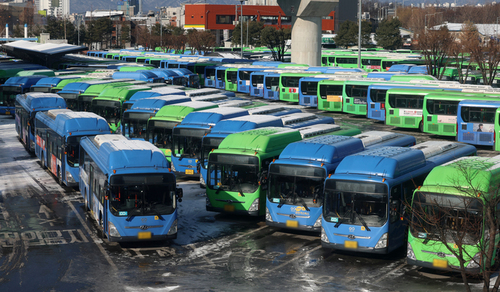
정유 4사가 하루 수십만 달러를 쏟아 부으며 버티고 있다.
트럼프는 한국을 공개 비판했다.
파병 압박은 계속되고 있다.
6·3 지방선거가 50일 앞으로 다가왔다.
단 한 명의 후보도 이 질문에 답하지 않고 있다.

|
▲청구서는 이미 날아왔다.
이쪽에선 전투기가 뜨고, 저쪽에선 한국 선원 173명이 기다린다.
사진 美 중부사령부 CENTCOM
■ 청구서의 내용 — 세 가지 질문
이란 협상 결렬이 한국에 남긴 청구서는 세 겹이다.
첫 번째는 에너지 청구서다.
수입 원유의 95%가 호르무즈를 통과한다.
해협이 막힌 지 45일이 넘었다.
HD현대오일뱅크, GS칼텍스, SK에너지, 에쓰오일 등 정유 4사는
하루 수십만 달러짜리 긴급 용선 계약으로 버티고 있다.
이 비용은 결국 소비자에게 전가된다.
묻는다.
에너지 대체 시나리오가 있는가.
비축유 방출 기준은 무엇인가.
우회 루트 확보 계획은 있는가.
두 번째는 외교 청구서다.
트럼프는 공개적으로 한국을 지목했다. 두 차례였다.
4월 1일 백악관 부활절 오찬. "한국은 도움이 안 되고 있습니다." 주한미군 4만5천 명을 거론했다.
4월 11일 트루스소셜(Truth Social). 한국, 중국, 일본, 프랑스, 독일을 나열했다. "이들 국가는 이 작업을 스스로 수행할 용기나 의지가 없다."
압박은 반복됐다. 다음 수순은 예측 가능하다.
묻는다.
파병에 찬성하는가, 반대하는가.
반대라면 압박을 어떻게 견딜 것인가.
찬성이라면 그 기준과 범위는 무엇인가.
세 번째는 안보 청구서다.
협상은 끝나지 않았다.
그러나 피해는 이미 시작됐다.
AP 통신은 14일 트럼프 행정부 관계자들을 인용해 2차 종전 협상이 이르면 16일 목요일 개최될 가능성이 있다고 전했다. 장소는 파키스탄 이슬라마바드 또는 스위스 제네바가 거론된다. 다음 주 휴전 기한 만료 전 합의를 목표로 논의 중이라고 했다.
그러나 1차도 결렬됐다.
선원 173명은 여전히
페르시아만(Persian Gulf) 안쪽에 묶여 있다.
묻는다.
이들을 어떻게 데려올 것인가.
독자 외교 채널을 열 것인가.
중동 의존 구조를 어떻게 바꿀 것인가.
■ 침묵의 기록 — 후보별 현황
주요 후보들의 입장을 확인했다.
파병 입장 없다.
에너지 대안 없다.
구출 계획 없다.
이건 침묵이 아니다.
공백이다.
이유는 간단하다.
말하면 잃는다.
침묵하면 버틴다.
그러나 묻는다.
버티는 것이
지도자가 되겠다는 사람의 태도인가.
■ 전례 — 우리는 한 번도 침묵하지 않았다
1973년, 오일쇼크.
강제 절약을 선택했다.
1979년, 다시 위기.
에너지 구조를 바꿨다.
2003년, 이라크 전쟁.
파병을 놓고 격론이 벌어졌다.
그때는 싸웠다.
지금은 침묵한다.
이게 차이다.
■ 트럼프는 이미 답을 요구하고 있다
그의 논리는 단순하다.
"가져가는 나라가 지켜라."
한국은 수입 원유의 95%를 이 해협에 의존한다.
4월 13일, 미군 함정 15척이 호르무즈에 투입됐다. 항공모함 1척, 구축함 11척을 포함한 역봉쇄 작전이 시작됐다. 트럼프는 "다수 국가가 협력할 것"이라고 했다. 누가 참여할지는 밝히지 않았다.
영국은 불참을 선언했다.
일본은 아직 정해진 바 없다고 했다.
한국은 침묵했다.
청구서는 이미 날아왔다.
선거 이후, 그 청구서는 더 커진다.
그리고 그때는
선택이 아니라 대응의 문제가 된다.
■ 결론 — 173명의 질문
선원 173명은 지금도 기다리고 있다.
출항 신호를.
그들은 묻고 있다.
지방권력을 잡겠다는 사람들이여,
이 위기에 답할 것인가.
이 나라의 에너지를 어떻게 지킬 것인가.
다음 청구서가 오면 어떻게 낼 것인가.
6·3 지방선거 D-50.
이 질문에 답하지 않는 후보는
자격이 없다.
그리고 더 분명히 말한다.
이 질문을 피한 후보는
선거에서가 아니라 현실에서 먼저 탈락한다.
당선되더라도
이 책임에서 벗어나지 못한다.
유권자는 투표로 선택하지만,
위기는 결과로 심판한다.
※ 이 기사는 시리즈로 이어집니다
아래는 위 기사를 구글 번역을 통해 영문으로 옮긴 전문입니다. 이해를 돕기 위한 참고용 번역으로, 일부 표현에는 원문의 뉘앙스와 차이가 있을 수 있습니다.
The following is a reference translation generated for reader convenience. Some nuances may differ from the original Korean text.
■ Trump's War for Sale 〈4〉 A Question for Korea's June 3 Local Election Candidates — Who Will Pay the Hormuz Bill?
■ 95% of Imported Oil Is Blocked. 173 Sailors Are Trapped. The Candidates Said Nothing.
■ June 3 Local Elections: D-50. Any Candidate Who Refuses to Answer This Question Has No Right to Run.
By Park Cheol-seong, Veteran Journalist / 〈Director of the Research Center · Columnist〉
This is a question.
For the local election candidates of a country where 95% of its imported oil passes through this strait.
The Strait of Hormuz is blocked.
One hundred seventy-three sailors are trapped.
Four major refiners are burning through hundreds of thousands of dollars a day just to stay afloat.
Trump has publicly criticized Korea.
The pressure to send troops keeps coming.
The June 3 local elections are fifty days away.
Not a single candidate has answered this question.
|
▲ ©호주브레이크뉴스 |
▲The invoice has already arrived. On one side, fighter jets launch. On the other, 173 Korean sailors wait.
Photo: U.S. Central Command CENTCOM
■ The Invoice — Three Questions
The bill left by the collapse of the Iran negotiations comes in three layers.
The first is the energy invoice.
Ninety-five percent of Korea's imported oil passes through Hormuz.
The strait has been blocked for over forty-five days.
HD Hyundai Oilbank, GS Caltex, SK Energy, and S-OIL —
Korea's four major refiners are holding on through emergency charter contracts worth hundreds of thousands of dollars a day.
That cost will ultimately be passed on to consumers.
The question:
Is there an energy alternative scenario?
What are the criteria for releasing strategic reserves?
Is there a plan to secure alternative routes?
The second is the diplomatic invoice.
Trump publicly named Korea. Twice.
April 1. White House Easter luncheon. "Korea has not been helpful." He invoked the 45,000 U.S. troops stationed there.
April 11. Truth Social. He listed Korea, China, Japan, France, and Germany. "These countries lack the courage or will to do this themselves."
The pressure repeated. What comes next is predictable.
The question:
Do you support troop deployment, or oppose it?
If you oppose it, how will you withstand the pressure?
If you support it, what are the criteria and scope?
The third is the security invoice.
The negotiations are not over.
But the damage has already begun.
On April 14, AP reported — citing multiple Trump administration officials — that a second round of ceasefire talks could be held as early as Thursday, April 16. Islamabad, Pakistan or Geneva, Switzerland are being considered as venues. Discussions are underway with the goal of reaching an agreement before next week's ceasefire deadline expires.
But the first round collapsed.
One hundred seventy-three sailors remain trapped
inside the Persian Gulf.
The question:
How will you bring them home?
Will you open an independent diplomatic channel with Iran?
How will you restructure Korea's dependence on Middle Eastern energy?
■ The Record of Silence — Where the Candidates Stand
The official positions of major candidates were reviewed.
No position on troop deployment.
No energy alternative.
No rescue plan.
This is not silence.
This is a void.
The reason is simple.
Speak up and you lose votes.
Stay silent and you survive.
But the question remains.
Is survival
the posture of someone who wants to lead?
■ Precedent — Korea Has Never Been Silent Before
1973. The oil shock.
Korea chose mandatory conservation.
1979. Crisis again.
Korea restructured its energy supply.
2003. The Iraq War.
Parliament fought bitterly over whether to deploy troops.
In the end, the Zaytun Unit was sent.
Back then, there was a fight.
Now there is silence.
That is the difference.
■ Trump Has Already Demanded an Answer
His logic is simple.
"The countries that take the oil should protect the strait."
Korea depends on this strait for 95% of its imported oil.
On April 13, fifteen U.S. naval vessels were deployed to Hormuz — including one aircraft carrier and eleven destroyers. The counter-blockade operation has begun. Trump said "many countries will cooperate." He did not say which ones.
Britain announced it would not participate.
Japan said nothing has been decided.
Korea said nothing.
The invoice has already arrived.
After the election, that invoice grows larger.
And by then,
it will no longer be a choice.
It will be a matter of response.
■ Conclusion — The Question of 173
One hundred seventy-three sailors are still waiting.
For the signal to depart.
They are asking:
You who seek local power —
will you answer when the crisis comes?
How will you protect the energy supply of a nation where 95% of imported oil is blocked?
When the next invoice arrives, how will you pay it?
June 3 Local Elections: D-50.
Any candidate who refuses to answer this question
has disqualified themselves.
And to be even clearer:
A candidate who avoids this question
will not fail at the ballot box first —
they will fail in reality.
Even if elected,
they will not escape this responsibility.
Voters choose at the polls.
But crises deliver their verdict in results.
※ This article is part of an ongoing series.
원본 기사 보기:호주브레이크뉴스