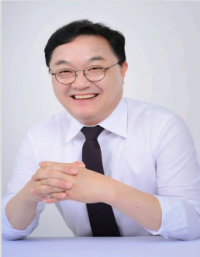
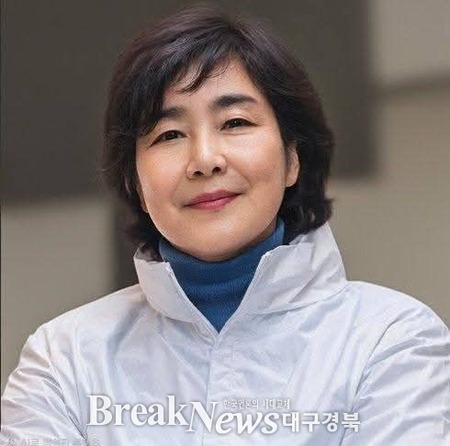
▲ 임성무 대구교육감 후보 © 진예솔 기자 |
【브레이크뉴스 대구】진예솔 기자=대구 교육감 선거에 출마한 임성무 후보는 자신을 ‘준비된 교육감’이라고 말한다.
선거를 위해 경력을 쌓은 것이 아니라, 40년 교실과 교육운동 현장에서 쌓인 고민이 정책으로 이어졌다는 설명이다.
전 전교조 대구지부장 출신인 그는 ‘교사 동의 50% 원칙’과 ‘정책 절반 축소’를 핵심 공약으로 내세웠다.
이 공약을 두고 의사결정 지연이나 책임 회피 우려가 제기되자, 그는 “교육 정책은 원래 1년 단위로 준비되는 구조라 속도 문제가 핵심이 아니다”며 “지금까지는 교사 의견을 배제한 채 일방적으로 추진된 게 더 큰 문제였다”고 반박했다.
이어 “현장에서 실행되지 않는 정책은 없는 것과 같다”며 “동의 기반 정책이 오히려 실패 비용을 줄인다”고 강조했다.
교사노조 영향력 약화에 대해서는 ‘변화’라는 해석을 내놨다. 그는 “예전처럼 거리에서 싸우는 방식은 줄었지만, 교사들은 정책을 ‘안 하는 방식’으로 대응한다”며 “AI 교과서 활용률이 낮은 것도 그런 흐름”이라고 설명했다.
그러면서 “이 에너지를 다시 교육 안으로 끌어들이는 것이 교육감의 역할”이라고 말했다.
 ▲ 임성무 대구교육감 후보 © 진예솔 기자 |
대구교육청의 핵심 정책인 AI 교과서와 IB 교육에 대해서는 방향 자체보다 추진 방식에 문제를 제기했다.
AI 교과서에 대해 “필요한 도구지만 강제로 밀어붙이면 실패할 수밖에 없다”며 “가능한 교사부터 자율적으로 확산시켜야 한다”고 밝혔다. 이어 “막대한 예산이 투입됐지만 활용률은 낮고, 그 과정에서 일반 교육 예산이 줄었다”고 지적했다.
IB 교육에 대해서는 “교육과정 자체는 우수하다”고 평가하면서도 “입시 중심 구조와 충돌하는 현실을 고려하지 않은 채 확대하는 것은 무리”라고 말했다. 특히 “일부 학교와 계층에 유리하게 작동할 가능성도 있다”며 “선택권은 보장하되 공교육의 중심은 국가 교육과정이어야 한다”고 선을 그었다.
학생 자율성 확대 논란과 관련해서는 “자율은 조건이 갖춰질 때 가능한 것”이라며 “교사 지원과 학교 문화 개선 없이 자율만 강조하면 학부모 공감을 얻기 어렵다”고 말했다.
학교 비정규직 처우 문제에 대해서는 “예산이 없는 게 아니라 우선순위의 문제”라고 진단했다. 그는 “특정 정책에 예산이 집중돼 있을 뿐 구조를 조정하면 충분히 개선 가능하다”며 “전국 평균 이상 수준은 맞출 수 있다”고 밝혔다.
다만 “교사·행정직·비정규직 간 갈등이 심각한 만큼 ‘학교를 하나의 팀으로 만드는 구조 개편’이 병행돼야 한다”고 강조했다.
자녀 교육 경험에 대해서는 “학원과 야간자율학습 없이 키웠다”고 밝혔다. 그는 “공교육 중심으로 교육했지만, 학벌 중심 사회의 현실도 자녀를 통해 체감했다”며 “공교육 강화는 구조 개혁과 함께 가야 한다”고 말했다.
1986년 교직에 들어온 그는 교육민주화 운동과 함께 교사 생활을 시작했다. “어떤 교사가 되겠다고 계획한 적은 없지만 시대 흐름 속에서 교육운동을 하게 됐다”고 돌아봤다. 자신의 교사상에 대해서는 “학생이 교사를 비판할 수 있어야 한다”며 “그게 진짜 소통”이라고 말했다.
그가 강조하는 ‘생태전환 교육’에 대해서는 “이미 국제 기준이 된 방향”이라고 설명했다. “기후위기 시대에 생존을 가르치는 교육으로 전환해야 한다”며 “다만 교사 역량과 인프라를 함께 키우는 장기적 접근이 필요하다”고 덧붙였다.
가장 중요한 공약을 묻자 그는 “교사를 다시 세우는 것”이라고 답했다. “교사가 살아야 학생이 산다”며 “정책보다 학교 문화와 신뢰 회복이 우선”이라고 강조했다.
현직 강은희 교육감의 지난 8년에 대해서는 “현장 간섭은 적었지만 보여주기식 정책이 많았다”고 평가했다. IB 교육을 사례로 들며 “겉으로는 화려하지만 현장과 괴리가 있었다”고 지적했다.
교권 문제와 관련해서는 “일부 악성 민원은 교육청이 직접 대응해야 한다”며 “학부모회 등 중간 완충 장치를 제도화할 필요가 있다”고 제안했다.
임 후보의 공약은 ‘현장 중심’과 ‘자율’에 방점이 찍혀 있다. 실행력과 속도에 대한 우려에 대해 그는 “이상처럼 보일 수 있지만 가장 현실적인 방식”이라며 “현장이 움직이지 않는 정책이야말로 비현실”이라고 말했다.
<구글 번역으로 번역한 영문 기사의 전문 입니다. 번역에 오류가 있을 수 있음을 밝힙니다.>
Im Seong-mu, a candidate running for Superintendent of Education in Daegu, describes himself as a "prepared superintendent."
He explains that his policies stem not from a career built solely for the election, but from the deep contemplation accumulated over 40 years in classrooms and the field of education activism.
A former head of the Daegu branch of the Korean Teachers and Education Workers Union (KTU), he put forward the "50% teacher consent principle" and "half-reduction of policies" as his core campaign pledges.
When concerns were raised regarding these pledges that they might delay decision-making or evade responsibility, he countered, "Education policies are inherently structured to be prepared on a yearly basis, so speed is not the core issue." He added, "The bigger problem until now was that policies were pushed forward unilaterally while excluding teachers' opinions."
He further emphasized, "A policy that is not implemented in the field is as good as non-existent," and asserted that "consent-based policies actually reduce the cost of failure."
Regarding the weakening influence of teachers' unions, he interpreted it as a "change." He explained, “While the method of fighting on the streets like in the past has decreased, teachers are responding to policies by ‘not doing them,’” adding that “the low utilization rate of AI textbooks is also a result of this trend.”
He then stated, “It is the role of the Superintendent to bring this energy back into education.”
Regarding AI textbooks and IB education, which are key policies of the Daegu Office of Education, he raised issues with the implementation method rather than the direction itself.
Regarding AI textbooks, he stated, “They are necessary tools, but if forced, they are bound to fail,” adding, “We must expand them autonomously, starting with teachers who can.” He further pointed out, “Although a massive budget was invested, the utilization rate is low, and in the process, the general education budget was reduced.”
Regarding IB education, while evaluating the curriculum itself as “excellent,” he said, “It is unreasonable to expand it without considering the reality that it conflicts with the entrance exam-centered structure.” In particular, noting that “there is a possibility that it may operate in favor of certain schools and social classes,” he drew a line, stating, “While the right to choose must be guaranteed, the national curriculum must remain the center of public education.”
Regarding the controversy over expanding student autonomy, he stated, “Autonomy is possible only when the conditions are met,” adding, “If autonomy is emphasized without supporting teachers and improving school culture, it is difficult to gain the empathy of parents.”
Regarding the issue of treatment for non-regular school staff, he diagnosed it as “not a lack of budget, but a matter of priorities.” He stated, “The budget is simply concentrated on specific policies, but it is fully achievable if the structure is adjusted,” and added, “We can meet a level above the national average.”
However, he emphasized, “Given the severe conflict between teachers, administrative staff, and non-regular staff, structural reforms that turn schools into a single team must be implemented in parallel.”
Regarding his experience with raising his children, he revealed, “I raised them without private academies or evening self-study.” He said, “Although I focused on public education, I also experienced the reality of a society centered on academic credentials through my children,” adding, “Strengthening public education must go hand in hand with structural reform.”
Having entered the teaching profession in 1986, he began his teaching career alongside the movement for educational democratization. "I never planned what kind of teacher I would become, but I ended up engaging in the education movement amidst the flow of the times," he reflected. Regarding his vision of a teacher, he stated, "Students must be able to criticize their teachers," adding, "That is true communication."
Regarding the 'ecological transition education' he emphasizes, he explained, "It is a direction that has already become an international standard." He added, "We must transition to education that teaches survival in the era of the climate crisis," noting, "However, a long-term approach is needed to simultaneously cultivate teachers' capabilities and infrastructure."
When asked about his most important pledge, he replied, "Rebuilding the teachers." He emphasized, "Students live only when teachers live," and stressed that "restoring school culture and trust takes precedence over policy."
Regarding the past eight years of incumbent Superintendent Kang Eun-hee, he assessed, "There was little interference in the field, but there were many policies for show." Citing the IB education system as an example, he pointed out, "It was flashy on the surface, but there was a disconnect with the reality on the ground."
Regarding issues concerning teachers' rights, he suggested that “the Office of Education must directly handle some malicious complaints,” adding that “it is necessary to institutionalize intermediate buffer mechanisms, such as parent associations.”
Candidate Lim’s pledges place emphasis on a “field-centered” approach and “autonomy.” Responding to concerns about implementation and speed, he stated, “It may appear idealistic, but it is the most realistic approach,” adding that “a policy where the field does not move is truly unrealistic.”
원본 기사 보기:브레이크뉴스 대구경북