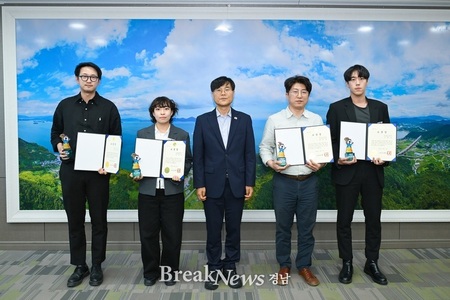
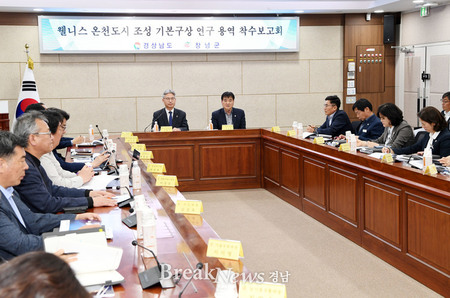
▲ 입상활성탄 재생시설착공식[사진=수자원공사] (C)김환일 기자 |
경기도 남양시 덕소정수장에 국내 최대규모의 입상활성탄 재생시설이 들어선다.
21일 한국수자원공사에 따르면 공사는 지난 20일 덕소정수장에서 입상활성탄 재생시설착공식을 가졌다.
활성탄은 고도정수처리시설에서 수돗물을 만들 때 최종 여과 과정에서 사용되며, 미세한 구멍이 수돗물의 냄새물질 등 미량유해물질을 흡착하는 역할을 하는 시설로 한국수자원공사는 총사업비 420억 원을 투입되는 입상활성탄 재생시설을 오는 2023년 완공을 목표로 이날 착공식을 가졌다.
이날 착공식에는 박재현 한국수자원공사 사장을 비롯한 조희송 한강유역환경청장 등 약 80명의 내외빈이 참석했다.
석탄을 원료로 제조되는 활성탄은 현재 중국에서 전량 수입해 국내 60개소 정수장에서 연간 약 4만4천㎥을 사용 중으로 정부는 활성탄을 긴급수급조절물자로 지정 관리 중으로, 이에 한국수자원공사와 조달청은 지난 7월 활성탄 비축사업 업무협약을 체결하는 등 활성탄 수급 취약성 극복을 위해 노력해 왔다.
한국수자원공사는 이번 사업을 시작으로 활성탄 교체 방식을 신탄 구매방식에서 기존 활성탄 재생방식으로 전환할 계획으로 이 시설을 통해 재생된 활성탄은 덕소, 성남 및 고양정수장을 포함하여 한강유역 등에 위치하는 10개 광역상수도 정수장에 공급될 예정이며, 연간 11,669㎥의 활성탄을 재생할 예정이다.
또, 향후 전국의 광역상수도 정수장의 활성탄을 재생할 수 있도록 낙동강, 금강, 영·섬유역에도 순차적으로 사업을 확대한다는 계획이다.
*아래는 위 기사를 '구글 번역'으로 번역한 영문 기사의 [전문]입니다. '구글번역'은 이해도를 높이기를 위해 노력하고 있습니다. 영문 번역에 오류가 있을 수 있음을 전제로 합니다.<*The following is [the full text] of the English article translated by 'Google Translate'. 'Google Translate' is working hard to improve understanding. It is assumed that there may be errors in the English translation.>
[Korea Water Resources Corporation, groundbreaking ceremony for activated carbon regeneration facility
Completion goal in 2023, high-quality tap water production stability and greenhouse gas reduction (approximately 2,800 tons per year) expected]
A granular activated carbon regeneration facility, the largest in Korea, will be installed at the Deokso water purification plant in Namyang-si, Gyeonggi-do.
According to the Korea Water Resources Corporation, the Korea Water Resources Corporation held a groundbreaking ceremony for the granular activated carbon regeneration facility at the Deokso Water Purification Plant on the 20th.
The groundbreaking ceremony was attended by about 80 guests, including Park Jae-hyeon, president of Korea Water Resources Corporation, and Cho Hee-song, head of the Hangang Basin Environment Agency.
Activated carbon is used in the final filtration process when making tap water at advanced water purification facilities, and its fine pores act to adsorb trace harmful substances such as odorous substances from tap water.
It aims to complete the granular activated carbon regeneration facility with a total project cost of KRW 42 billion by 2023.
Activated carbon, which is manufactured from coal, is currently entirely imported from China, and 60 water purification plants in Korea use about 44,000 cubic meters per year.
The government is designating and managing activated carbon as an emergency supply and demand control material. Accordingly, Korea Water Resources Corporation and the Public Procurement Service have been working hard to overcome the vulnerability in the supply and demand of activated carbon, such as signing a business agreement for the activated carbon stockpiling project (July, 2022).
Starting with this project, Korea Water Resources Corporation plans to change the activated carbon replacement method from the new coal purchase method to the existing activated carbon regeneration method.
Activated carbon regenerated through this facility will be supplied to 10 metropolitan water purification plants located in the Han River, including Deokso, Seongnam, and Goyang water purification plants, and 11,669㎥ of activated carbon will be regenerated annually.
In addition, the plan is to expand the business sequentially to the Nakdong River, Geum River, and Yeong-Textile Stations so that activated carbon can be regenerated from water purification plants across the country in the future.
Park Jae-hyun, president of Korea Water Resources Corporation, said, “This project is meaningful as it is to stably secure activated carbon, an essential material for safe and clean water supply. I will do my best,” he said.
원본 기사 보기:브레이크뉴스대전충청