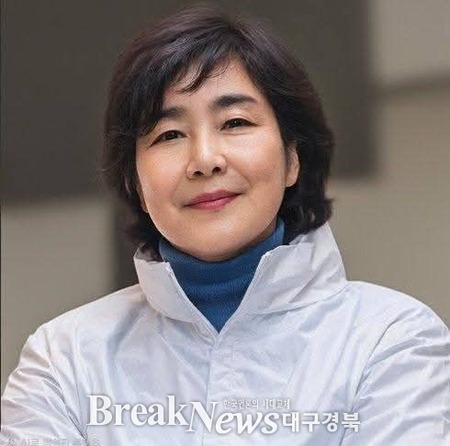
▲ 진선미 더불어민주당 경제위기센터 자문위원장이 5일 오전 서울 여의도 국회에서 열린 대출금리 부담완화 입법 간담회에서 발언하고 있다. 2023.04.05. ©뉴시스 |
브레이크뉴스 정명훈 기자= 최근 고금리와 경기 침체 여파로 인해 빚 부담이 가중되면서, 금융채무 불이행자가 되거나, 개인회생을 신청하는 청년층이 큰 폭으로 증가하는 것으로 나타났다.
30일 진선미 더불어민주당 의원이 한국은행‧대법원‧신용정보원에서 제출받은 자료에 따르면 올해 6월 말 기준 29세 이하 연령대 금융채무 불이행자는 9만5000명, 30대는 13만5000명에 달했다.
특히 올해 6월 말 기준 20~30대 연령에 속하는 금융채무 불이행자는 작년 말 대비 6월 기준 1만7000명 증가했다. 이로 인해 전체 금융채무 불이행자의 29.3%에서 29.7%으로 비중이 커졌다.
금융채무 불이행자(옛 신용불량자)는 금융기관에서 대출한 후 제때 돈을 갚지 못한 사람을 의미하며 90일 이상 대출 이자를 연체할 경우 금융채무 불이행자로 등록돼 모든 금융거래가 중단된다.
청년층 금융채무 불이행자가 늘어난 것에 더해 대출원금도 늘었다. 29세 이하 연령대 금융채무 불이행자의 평균 등록금액(대출원금)은 2021년 말 1500만원에서 2022년 말 2,150만원, 2023년 6월 말 2370만원까지 늘었다.
30대 연령 금융채무 불이행자의 평균 등록금액 역시 2021년 말 3420만원에서 2022년 말 3460만원, 2023년 말 3900만원으로 꾸준히 증가하고 있다.
빚을 갚지 못해 법원에 개인회생을 신청하는 청년층 역시 큰 폭으로 증가했다. 대법원이 제출한 ‘최근 3년간 개인회생 신청자 현황’ 자료에 따르면 2023년(6월 말 기준) 20대 개인회생 신청 건수는 8,447건이었고, 30대의 경우 16,797건에 달했다.
올 상반기 동안 신청된 개인회생 건수는 작년 한 해동안 신청된 건수 대비 29세 이하자는 60%, 30대 연령자는 63%에 달하며 작년보다 빠른 속도로 개인회생 신청이 늘어나는 추세다.
저금리 기조 속에서 코로나19 대응을 위해 정책금융이 대거 공급됐던 2020년에 비해 2022년 20대 개인회생 신청자는 61.2%(8,603명→13,868명) 늘었으며 30대는 33.5%(19,945명→26,626명) 증가했다.
한국은행이 제출한 ‘최근 3년간 연령별 연체율 현황’ 자료에 따르면 30대 이하 연령대의 연체율은 0.5%에서 0.6%로 오른 것으로 확인된다. 모든 연령대에서 연체율이 오르고 있는 상황에서 전체 연령대의 연체율은 지난해 4분기 0.6%에 비해 올해 2분기 0.7%로 올랐다.
이에 진선미 의원은 “고금리 추세에서도 청년층의 대출이 늘어나고 경기 악화로 상환능력 또한 떨어지는 청년 빚의 고리 악화 우려된다”며 “청년층의 빚부담이 금융 전반의 부실로 확대될 수 있는 상황이므로 청년의 금융사각지대 해소를 위한 금융당국의 관리‧구제방안이 시급하다”고 강조했다.
*아래는 위 기사를 '구글 번역'으로 번역한 영문 기사의 [전문]입니다. '구글번역'은 이해도 높이기를 위해 노력하고 있습니다. 영문 번역에 오류가 있을 수 있음을 전제로 합니다.<*The following is [the full text] of the English article translated by 'Google Translate'. 'Google Translate' is working hard to improve understanding. It is assumed that there may be errors in the English translation.>
Rep. Jin Sun-mi said, "There are more than 230,000 young people with bad credit."It's an increase of 1.7 million people compared to the end of last year."
As the debt burden has increased due to the recent high interest rates and the economic downturn, the number of young people who become defaulters or apply for individual rehabilitation has increased significantly.
According to data submitted by Rep. Jin Sun-mi of the Democratic Party of Korea from the Bank of Korea, the Supreme Court, and the Korea Credit Information Service on the 30th, 95,000 people under the age of 29 and 135,000 people in their 30s as of the end of June this year.
In particular, as of the end of June this year, the number of defaulters in their 20s and 30s increased by 17,000 as of the end of June compared to the end of last year. As a result, the proportion of all financial debt defaulters increased from 29.3% to 29.7%.
Financial debt defaulters (formerly credit delinquents) refer to those who failed to pay back their money on time after lending from financial institutions, and if the interest on the loan is overdue for more than 90 days, they will be registered as financial debt defaulters and all financial transactions will be suspended.
In addition to the increase in the number of young people who defaulted on financial debt, the loan principal also increased. The average registration amount (loan principal) of defaulters under the age of 29 increased from 15 million won at the end of 2021 to 21.5 million won at the end of 2022 and 23.7 million won at the end of June 2023.
The average registration amount of people in their 30s who default on financial debt is also steadily increasing from 34.2 million won at the end of 2021 to 34.6 million won at the end of 2022 and 39 million won at the end of 2023.
The number of young people applying for individual rehabilitation to the court also increased significantly because they could not repay their debts. According to the data submitted by the Supreme Court, the number of individual rehabilitation applicants in their 20s in 2023 (as of the end of June) reached 8,447 and 16,797 in their 30s.
The number of individual rehabilitation applications filed during the first half of this year reached 60% of those under the age of 29 and 63% of those in their 30s compared to the number of applications filed last year, and individual rehabilitation applications are increasing faster than last year.
Compared to 2020, when policy financing was supplied to respond to COVID-19 amid low-interest rates, the number of individual rehabilitation applicants in their 20s increased by 61.2% (8,603 → 13,868) and those in their 30s increased by 33.5% (19,945 → 26,626).
According to the data submitted by the Bank of Korea, the delinquency rate for those in their 30s or younger has risen from 0.5% to 0.6%. With the delinquency rate rising in all age groups, the delinquency rate for all age groups rose to 0.7% in the second quarter of this year, compared to 0.6% in the fourth quarter of last year.
Rep. Jin Sun-mi said, "Even in the high interest rate trend, young people's loans are increasing and their repayment ability is also falling due to the economic deterioration," adding, "As the debt burden of young people could expand to insolvency across the financial sector, it is urgent for financial authorities to manage and remedy the financial authorities to resolve financial blind spots.