사람이 하는 일에는 의례 영고성쇠(榮枯盛衰=번성하고 시들며 성하고 쇠함을 뜻함)가 반복된다. 종교 시설에도 영고성쇄가 있다.
미국은 기독교 국가. 그런데 현대화가 진행되면서 기독교세의 감소(減少)가 뒤따랐다. 이에 따라, 미국에서는 기독교인 비율 감소와 출석 교인 수의 급감으로 인해 매년 수천 개의 교회가 문을 닫고 있는 형편. 교회당 건물들은 어떻게 재활용될까? 다양한 방식으로 재활용(Adaptive Reuse)된다. 아래는 종교시설의 재활용 사례이다.
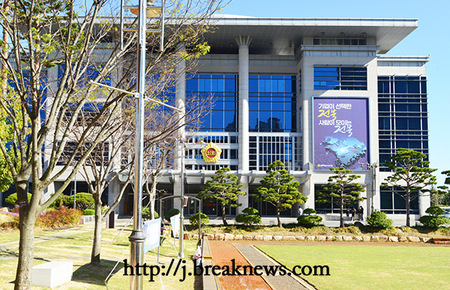
 ▲서울여의도 순복음교회. 한국에서 가장 큰 대형교회이다. <이 사진은 글 내용과 무관하다.> ©브레이크뉴스 |
▲상업 시설 및 문화 공간=가장 흔한 사례 중 하나는 건물 외관이나 내부 구조를 유지하면서 상업적 용도로 변경하는 것이다.
▲음식점 및 카페=높은 천장과 스테인드글라스 등 교회 특유의 분위기를 살려 고급 레스토랑, 펍(Pub), 카페 등으로 개조된다.
▲공연장 및 갤러리=울림이 좋은 음향 구조를 활용해 콘서트홀, 예술 전시관, 지역 커뮤니트 센터로 사용된다.
▲체육 시설=넓은 실내 공간을 활용해 스케이트 파크, 암벽 등반장, 헬스장으로 변모하기도 한다. 그런데 도심 한 가운데 위치한 오래된 교회들은 입지 조건이 좋아 주거용으로 인기가 높다.
▲콘도 및 아파트=교회의 화려한 건축 양식을 보존하면서 내부를 현대적인 럭셔리 아파트나 콘도로 리모델링 한다.
▲부티크 호텔=독특한 숙박 경험을 원하는 관광객들을 위해 교회의 예배당이나 사택을 부티크 호텔로 개조하여 운영하는 사례가 늘고 있다. 공공 및 사회 복지 시설로 이용된다. 지역 사회를 위한 공간으로 전환하여 공익적 가치를 이어가기도 한다.
▲저렴한 주택 공급: 비영리 단체나 정부가 폐쇄된 교회를 매입하여 저소득층을 위한 공공 주택으로 개조한다.
▲교육 및 돌봄 시설=도서관, 어린이집, 보호소 등으로 용도를 변경하여 지역 주민들에게 필요한 서비스를 제공한다.
▲타 종교 및 타 교파 사용=기독교 교세는 위축되었으나 다른 종교나 이민자 교회는 성장하는 경우 건물이 그대로 인계된다.
한인, 히스패닉 등 특정 민족 중심의 이민 교회가 기존 백인 위주의 대형 교회 건물을 인수하여 사용한다.
지역 인구 구성 변화에 따라 이슬람 사원(Mosque)이나 불교 사찰 등으로 바뀌기도 한다. 이러한 변화는 전통적인 종교 시설이 현대 사회의 새로운 경제적·사회적 수요에 맞춰 진화하는 과정으로 평가받고 있다.
한국종교, 불교-가톨릭 등에서도 벌써부터 성직자 부족사태가 발생하고 있다. 또는 종교시설들이 경매에 나오고 있다.
 ▲필자/문일석 웃음종교 교주. 시인. '웃음은 공짜다, 맘대로 웃어라!'의 저자. ©브레이크뉴스 |
필자(문일석 웃음종교 교주)는 예언(豫言)한다.
“한국의 유명 종교 시설들도, 신도들이 떠나면서 차츰차츰 매각(賣却) 처리될 것”이라고.
“사이버 인터넷-인공지능 세상(世上)에서 이미 세계종교화된 웃음종교도 본당(本堂)이 필요해요...기존 종교시설을 매입하면, 어떨까요? 하하하“ moonilsuk@naver.com
*필자/문일석 웃음종교 교주. 시인. '웃음은 공짜다, 맘대로 웃어라!'의 저자.
*아래는 위 기사를 '구글 번역'으로 번역한 영문 기사의 [전문]입니다. '구글번역'은 이해도 높이기를 위해 노력하고 있습니다. 영문 번역에 오류가 있을 수 있음을 전제로 합니다.<*The following is [the full text] of the English article translated by 'Google Translate'. 'Google Translate' is working hard to improve understanding. It is assumed that there may be errors in the English translation.>
Moon Il-suk, Leader of the Laughter Religion, and His 40 Great Prophecies (Series-37)... “Religious Facilities Left by Believers – The Era of Auctions Is Coming!”
- Moon Il-suk, Leader of the Laughter Religion
- In human endeavors, the cycle of rise and fall (meaning prosperity and decline) invariably repeats. Religious facilities also experience this cycle of rise and fall.
The United States is a Christian nation. However, as modernization progressed, a decline in the Christian population followed. Consequently, due to a decrease in the proportion of Christians and a sharp drop in church attendance, thousands of churches in the U.S. are closing their doors every year. How are these church buildings repurposed? They are repurposed in various ways (Adaptive Reuse). Below are examples of religious facility repurposing.
▲ Commercial Facilities and Cultural Spaces = One of the most common cases is converting the building for commercial use while maintaining its exterior or internal structure.
▲ Restaurants and Cafes: Preserving the church's unique atmosphere, such as high ceilings and stained glass, they are renovated into upscale restaurants, pubs, and cafes.
▲ Performance Halls and Galleries: Utilizing their acoustic structures, they are used as concert halls, art exhibition spaces, and local community centers.
▲ Sports Facilities: Utilizing their spacious indoor areas, they are sometimes transformed into skate parks, rock climbing walls, or gyms. However, old churches located in the heart of the city are highly popular for residential use due to their favorable locations.
▲ Condos and Apartments: While preserving the church's ornate architectural style, the interiors are remodeled into modern luxury apartments or condominiums.
▲ Boutique Hotels: There is a growing trend of converting church chapels or parsonages into boutique hotels to cater to tourists seeking unique accommodation experiences. They are also utilized as public and social welfare facilities. They are sometimes transformed into spaces for the local community to continue their public service value.
▲ Affordable Housing Supply: Non-profit organizations or the government purchase closed churches and convert them into public housing for low-income individuals. ▲ Education and Care Facilities = The building is repurposed into libraries, daycare centers, or shelters to provide necessary services to local residents.
▲ Use by Other Religions and Denominations = In cases where the influence of Christianity has diminished while other religions or immigrant churches are growing, the building is transferred as is.
Immigrant churches centered on specific ethnic groups, such as Koreans or Hispanics, acquire and use existing large churches that were predominantly white.
Depending on changes in the local population composition, the building may also be converted into an Islamic mosque or a Buddhist temple. These changes are evaluated as a process in which traditional religious facilities evolve to meet the new economic and social demands of modern society.
Korean religions, including Buddhism and Catholicism, are already facing a shortage of clergy. Alternatively, religious facilities are being put up for auction.
I (Moon Il-suk, founder of the Laughter Religion) make a prediction.
“Famous religious facilities in Korea will also be gradually sold off as their followers leave.” “In the world of the Cyber Internet and AI, even the Religion of Laughter, which has already become a global religion, needs a main sanctuary... How about purchasing an existing religious facility? Hahaha.”
<Photo Caption> Yoido Full Gospel Church, Seoul. It is the largest megachurch in Korea. This photo is unrelated to the content of the text. moonilsuk@naver.com
*Author/Moon Il-suk. Leader of the Religion of Laughter. Poet. Author of 'Laughter is Free, Laugh as Much as You Want!'