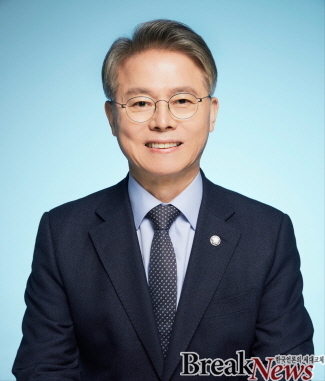
▲필자/ 권기환 철학박사. 가천대학교 출강. |
어느덧 2023년이 저물고 있다. 이제 며칠만 있으면 계묘년(癸卯年)은 역사의 뒤편으로 사라진다. 각자의 위치와 상황에 따라서 각자가 무엇을 했는지, 무엇을 하지 못했는지, 계획을 했지만 미처 실행하지 못했던 것이 무엇인지 등등을 한두 가지 정도는 아마도 떠올릴 것이다. 필자의 경우는 아무래도 학계에 속하다 보니 자연스럽게 질문과 토론의 관계가 주된 관심사일 수밖에 없어서 이와 관련된 문제를 떠올려 보았다.
필자가 독일 귀국한 직후에 한 학회에서 논문 발표를 할 기회가 있었다. 첫 발표이기 때문에 필자도 긴장감을 완전히 떨칠 수는 없었다. 하여튼 발표는 순조롭게 진행되긴 했다. 그런데 이른바 발표이후에 토론이 문제였다. 사회자가 토론의 시작을 알렸는데, 아무도 필자에게 질문을 하지 않아서 매우 당황스러웠다. 물론 필자의 논문 발표가 국내에서는 다소 생소한 주제이기 때문에, 참석자들은 논문의 내용을 잘 알지 못한 상태에서 질문을 하기가 어려운 부분도 있었을 것이다. 그러나 질문이 없다보니 토론이 그다지 만족스럽게 진행될 리가 없었다. 흔히 자신이 모르는 것에 대해 침묵해야 한다는 격언 때문일까, 아니면 괜히 내가 상대방에게 질문했다가 서로 오해가 생길 것이 두려워 그러는 것일까? 알 수 없는 노릇이다.
한국의 학회에서 무슨 발표나 토론을 할 때 보면 참석자가 발표자에게 질문을 하거나 어느 정도 근거 있는 반론을 제기하면, 발표자는 그것을 심지어 발표자 자신에 대한 공격하는 것으로 간주하기도 한다. 내가 누군데 감히 나를 공격해라는 오만방자함이 깔려 있는 것이 아닌지 의문이 들었다. 그보단 오히려 미처 그것까진 생각 못했는데 고맙다고 도리어 질문자에게 표현해야 하는 것이 학문적 태도가 아닐까 하는 생각도 동시에 들었다. 그리고 질문자가 발표자에 대해 어떤 질문을 하면 그걸 아예 무시해버리거나 관계가 없다는 태도로 회피하는 것도 질문자에 대한 발표자의 에티켓은 아니다. 학문의 토론장에서 발표자는 질문자에 대해서 어떤 방식으로 자신이 알거나 지금 대답할 수 있는 범위에서 답변하면 그만이다. 그리고 혹시 답변하지 못하더라도 나중에 토론이 진행되다 보면 발표자가 답변할 수 있는 기회는 얼마든지 있다. 그것은 한국에서 모든 질문에 대해 발표자가 모든 답변을 반드시 해야만 한다는 일종의 강박관념에 사로 잡혀 있고, 우리가 토론을 기계적인 질문과 답변으로만 되는 것으로 간주하는 데서 비롯한다.
필자는 질문을 하거나 토론에 적극적으로 참여하는 편에 속한다. 이때 주로 필자가 듣는 말은 두 가지이다. 한편으로 모두가 다 알고 있는 내용인데, 굳이 질문할 필요가 있는지에 대한 지적이다. 그러면 필자는 정말 내가 다 알고 있는지, 아니면 잘못 알고 있는 것은 없는지를 확인하고 싶어서라고 응수한다. 또 장시간 참여하면서 무엇이든지 얻을 것이 있어야 하지 않겠느냐고 덧붙인다. 다른 한편으로 필자에게 관심을 보이면서 오히려 필자의 적극적 태도를 좋게 보는 분들도 종종 있다. 이 분들은 대개 토론에 혹은 질문을 자주 하는 편에 속하는데, 설령 그렇지 않더라도 상대방의 논거에 대한 필자의 날카로운 지적 혹은 정당한 비판을 지지하고 격려하면서도 학문적 토론장에 활력에 불러 넣는다.
그런데 한국에서는 이해하기 어려운 점도 있다. 질문이라고 하면 자유로워야하는데, 마치 올바른 질문이 따로 있는 것처럼 말하는 것도 온당치 않다. 틀린 질문과 올바른 질문이 따로 있다면, 그 기준은 도대체 무엇인가? 질문을 자꾸 하다보면 질문이 모아지고 그러면 문제가 되고 이슈가 되는 것이다. 그 문제를 고민하고 그것을 주제로 삼아 토론을 이어 나가면 된다. 당장 이 문제에 대해 답변이 필요한 것도 있지만 차후로 미루어야할 것도 있을 수 있어서 그것도 자연스럽게 해소된다. 다소 엉뚱한 질문일지라도 그것은 전혀 틀린 질문이 아니다. 발표자가 그걸 무시해버리기보다 웃으면서 받아 주면서 위트로 표현할 여유는 도대체 왜 없는가? 이와 반대로, 발표자가 질문자에 대해서 성실히 답변을 했고 논거를 제시했음에도 불구하고, 질문자가 발표자를 의도적으로 깎아 내리는 경우도 종종 있다. 이것은 발표자를 존중하기보다는 깎아내려서 질문자 자신의 존재감을 부각시키려는 것에 불과할 뿐만 아니라 발표자의 자존심을 건드리는 것이다. 그러나 결코 학문적 태도는 전혀 아니다.
이러한 한국의 자화상은 근본적으로 토론문화가 아직 정착되지 못한 데에 기인한다. 토론은 자신의 학문적 성취도를 과시하거나 자화자찬하는 자리가 아니다. 오히려 토론은 서로 소통하면서 논쟁할 필요가 있는 것을 자유로이 서로 논거를 중심으로 논의하는 자리이다. 학문 앞에 그 어떤 장애물이 있어서는 안 된다. 가감 없는 진솔한 질문, 그리고 성실한 답변, 논거 있는 정당한 비판에는 그 누구도 예외일 수 없다. 그런데 실상은 그렇지 않다는 점이다. 토론은 배움의 자리이지 특정한 누구를 가르치는 자리가 아니다. 참석자라면 그대로 일정 정도의 학문적 성취도가 있기 마련인데, 도대체 누가 누구를 가르친단 말인가? 관점이나 해석의 차이라면 서로 근거를 밝히고 논의를 하되 어느 정도 선에선 스스로 판단해서 멈출 줄 알아야 한다. 왜냐하면 그것은 하루 종일 논쟁해도 합의될 사항은 아니기 때문이다. 이보다는 서로가 동의할 수 있는 부분이 무엇인지, 서로 동의하기 어려운 부분이 어떤 점에서 그런지를 확인하는 정도에서 한정되는 것이 효율적이다.
토론이 그저 그런 경우도 있다. 그것은 토론을 하기 전에 자유로운 질문을 던지기보다 고정된 질문의 형식에 고착되어 있다는 데 있다. 그러나 그것은 자유로운 질문이나 생각을 오히려 방해한다. 왜냐하면 그것은 답변이 어느 정도 정해져 있어서 거기에 맞추어 질문을 하는 것에 지나지 않기 때문이다. 따라서 이것은 경직된 태도일 뿐만 아니라, 좀 색다른 견해나 관점을 사전에 차단시켜 버린다. 그런데 사실 질문과 답변의 관계를 보면 질문이 답변보다 더 중요하다. 답변은 앞서의 설명처럼 모든 질문에 대해 답변을 다 할 수 없으니 말이다. 다만 발표자는 언제나 최선을 다해 성실히 답변하는 태도를 유지하는 것이 좋다.
이제 그러면 도대체 어떻게 질문을 하는 것이 서로에게 좋을까? 첫째, 질문자가 발표자를 먼저 존중해 주고, 긍정적이고 좋은 점을 언급하는 것이 요구된다. 그러면 발표자는 긴장을 풀게 되고, 비록 그 다음에 다소 비판적 언급이 있더라도 당황하거나 상처를 입었다고 생각하지 않게 된다. 둘째, 대개 질문자는 질문 자체보단 서두를 너무 길게 말한다. 그러다 보니 본인 자신도 질문이 무엇인지를 모르게 된다. 당연히 발표자도 질문이 정확히 무엇인지 모르게 된다. 이렇게 되지 않으려면, 질문자는 가능한 짧게 간결하면서도 날카롭게 정곡을 찌른 핵심적인 문제를 중심으로 말하는 것이 효율적이다. 추가 질문은 별도로 시간이 주어지면 따로 하거나, 아니면 휴식 시간을 이용하는 것이 좋다. 셋째, 질문자가 질의를 하면, 발표자가 답변하는 것으로 그쳐서는 안 된다. 질문자는 발표자의 답변을 받아들인 만하다면 고개를 끄덕이든지 아니면 알겠다든지 감사하든지 발표자에게 메시지를 보내 주어야 한다. 그래야만 토론자는 다음의 다른 질문자에게 집중할 수 있다. 만약 그 다음 질문자가 앞선 질문자와 비슷한 것이라면 양해를 얻어 덧붙이면 별다른 문제가 없을 것이다. 넷째, 전공분야가 아닐 경우에는 잘 모르지만이라는 말을 먼저 해놓고 질문자가 발표자에게 질문을 하면, 발표자 자신이 잘 아는 분야이니까 질문에 대해서 오히려 더 쉽게 설명할 수 있을 것이다. 이때 주의할 점은 발표자가 너무 말을 많이 하게 되면, 오히려 역효과가 나타날 수 있으니 간단하게만 설명하면 좋을 것이다.
물론 이런 방식으로 질문을 하면 토론에 도움이 될 수 있다. 그러나 그렇다고 해서 질문이 그렇게 되더라도 규칙처럼 천편일률적으로 실제 토론에서는 적용되기 실로 어렵다. 이보다는 토론에서 질문이 많으면 그만큼 관심이 있다는 뜻이니, 자유롭게 질문을 하는 것이 더 중요하다. 사실 토론에 적극적인 사람일수록 자유롭게 질문을 많이 한다. 그냥 토론하라고 하면 토론이 잘 되지 않는다. 아무런 출발점 없이 방향성 없이 우리가 토론을 도대체 어떻게 시작한단 말인가? 질문 없이 토론도 불가능하다. 우리가 서로 소통과 토론을 하고자 한다면 상대방의 어떠한 질문이더라도 귀를 열어야 하고, 진지하게 경청해야 한다. jgfichte@naver.com
The starting point for discussion is a question!
-Kwon Ki-hwan, columnist
The year 2023 is already coming to an end. In just a few days, the Year of Gyemyo will disappear into the back of history. Depending on your location and situation, you will probably recall one or two things about what each person did, what they failed to do, what they planned but could not execute, etc. In my case, since I belong to academia, the relationship between questions and discussions was naturally my main concern, so I thought about issues related to this.
Immediately after returning to Germany, I had the opportunity to present a paper at an academic conference. Because it was his first presentation, I could not completely shake off my nervousness. Anyway, the presentation went smoothly. However, the discussion after the so-called announcement was a problem. The moderator announced the start of the discussion, but I was very embarrassed because no one asked me any questions. Of course, since the author's thesis presentation was a somewhat unfamiliar topic in Korea, it may have been difficult for attendees to ask questions without knowing much about the content of the thesis. However, since there were no questions, the discussion could not have progressed very satisfactorily. Is it because of the common adage that you should be silent about what you don't know, or is it because I'm afraid that if I ask the other person a question, there will be a misunderstanding? It's impossible to know.
When there is a presentation or discussion at a Korean academic conference, if an attendee asks a question to the presenter or raises a somewhat well-founded counterargument, the presenter may even regard it as an attack on the presenter himself. I wondered if there was an underlying arrogance in who I was and how dare they attack me. Rather, I hadn't even thought about it, but at the same time, I thought that it would be an academic attitude to express gratitude to the questioner. Also, if the questioner asks a question about the presenter, it is not etiquette for the presenter to ignore the question or avoid it by saying it is not relevant. In an academic forum, the presenter only has to answer the questioner in a certain way to the extent of what he or she knows or can currently answer. And even if you are unable to answer, there are plenty of opportunities for the presenter to respond later as the discussion progresses. It stems from the fact that in Korea, there is a kind of obsession that the presenter must give all answers to every question, and that we regard discussions as consisting only of mechanical questions and answers.
I tend to ask questions or actively participate in discussions. There are two main things I hear at this time. On the one hand, it is something that everyone knows, so it is pointed out whether there is a need to ask questions. Then, the author responds by saying that I really want to check whether I know everything or whether I am misunderstanding anything. He also adds that there should be something to gain from participating for a long time. On the other hand, there are often people who show interest in me and view my proactive attitude favorably. These people are usually those who often participate in discussions or ask questions, and even if they do not, they support and encourage the author's sharp comments or legitimate criticism of the other party's argument and bring vitality to the academic discussion forum.
However, there are some things that are difficult to understand in Korea. Questions should be open-ended, but it is also inappropriate to speak as if there is a separate right question. If there are different questions between wrong and right questions, what is the standard? If you keep asking questions, the questions will accumulate and become problems and issues. All you have to do is think about the problem, use it as a topic, and continue the discussion. There are some issues that need answers right away, but there are also some that need to be postponed until later, so those issues will be resolved naturally. Although it may be a somewhat odd question, it is not a wrong question at all. Why on earth doesn't the presenter have time to express it with wit, accepting it with a smile rather than ignoring it? Conversely, even though the presenter has sincerely answered the questioner and presented an argument, there are often cases where the questioner intentionally disparages the presenter. This is not only an attempt to emphasize the questioner's own presence by belittling rather than respecting the presenter, but also touches the presenter's pride. However, this is by no means an academic attitude.
This self-portrait of Korea is fundamentally due to the fact that the debate culture has not yet been established. Debate is not a place to show off or praise one's academic achievements. Rather, discussion is a place where people communicate with each other and discuss freely what needs to be discussed based on arguments. There should be no obstacles in front of academics. No one can be exempt from honest questions, sincere answers, and justified criticism with arguments. But the reality is that this is not the case. Discussion is a place for learning, not a place to teach anyone in particular. Anyone who attends is bound to have a certain level of academic achievement, but who is teaching whom? If there is a difference in viewpoint or interpretation, we must clarify the basis and discuss it, but at a certain level, we must be able to make our own judgment and stop. Because that's not something you can agree on even if you argue all day. Rather than this, it is more efficient to limit the discussion to the extent of confirming what areas each can agree on and what aspects are difficult to agree on.
Sometimes the discussion is just that. The reason is that rather than asking free questions before discussion, they are stuck in a fixed format of questions. However, it actually hinders free questioning or thinking. This is because the answer is predetermined to some extent and it is nothing more than asking a question based on that answer. Therefore, not only is this a rigid attitude, but it also blocks out different opinions or viewpoints in advance. However, if you look at the relationship between questions and answers, questions are actually more important than answers. As explained above, it is not possible to answer all questions. However, it is best for presenters to always do their best and maintain an attitude of answering sincerely.
Now then, how on earth can asking questions be good for both sides? First, the questioner is required to respect the presenter first and mention positive and good points. This allows the speaker to relax and not feel embarrassed or hurt even if a somewhat critical comment follows. Second, the questioner usually speaks too long at the beginning of the question rather than the question itself. As a result, you yourself don't know what the question is. Naturally, the presenter does not know exactly what the question is. To avoid this, it is effective for the questioner to speak as briefly and concisely as possible, focusing on the key issues that hit the nail on the head. It is best to ask additional questions separately if time is given, or use the break time. Third, when the questioner asks a question, the presenter should not stop at answering. If the questioner is satisfied with the presenter's answer, he or she should nod his head or send a message to the presenter by saying "I understand" or "thank you." Only then can the discussant focus on the next questioner. If the next question is similar to the previous question, there will be no problem if you add it with permission. Fourth, if it is not a field of expertise, if the questioner first says, "I don't know much," and then asks the presenter a question, the presenter will be able to explain the question more easily because it is a field he or she knows well. One thing to keep in mind at this time is that if the presenter talks too much, it may have the opposite effect, so it would be better to keep the explanation simple.
Of course, asking questions in this way can help the discussion. However, even if the question is asked that way, it is really difficult to apply it uniformly like a rule in an actual discussion. Rather than this, it is more important to ask questions freely, as the more questions there are in a discussion, the more interest there is. In fact, the more active people are in discussions, the more questions they freely ask. If you just ask them to discuss, the discussion won't go well. How on earth do we start a discussion without any starting point or direction? Discussion is impossible without questions. If we want to communicate and discuss with each other, we must open our ears and listen seriously to any questions the other person may have. jgfichte@naver.com