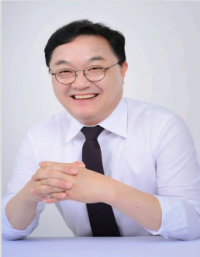
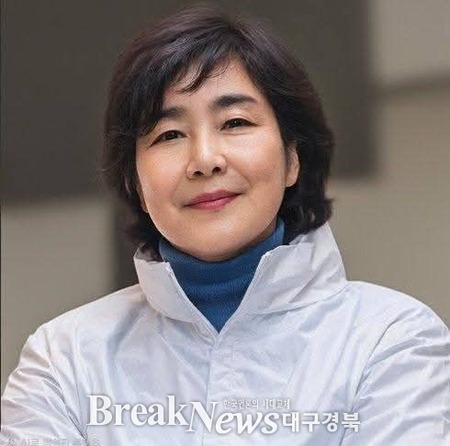
▲ 정길선 러시아 과학아카데미 유라시아 고고인류학연구소 연구교수. ©브레이크뉴스 |
2022년 1월 말부터 미국이 러시아의 우크라이나 침공이 임박했다는 가능성을 제기한 가운데 볼로디미르 젤렌스키 우크라이나 대통령이 서방에 위기감 조장에 대해 불쾌감을 드러내고 이와 같은 위화감 조성을 중단할 것을 요구했다. 서방 지도자들은 당장 전쟁이 발생할 것처럼 말하고 있다며 현재 우크라이나가 마주하고 있는 가장 큰 위협은 불안정한 국내 상황이라고 했다. 그런데 그 말은 틀린 말은 아니다. 사실 우크라이나는 1991년 소련에서 독립할 때부터 다른 소련에 속한 국가들보다 더 불안정한 상태에서 출발했기 때문이다. 소련 말기, 고르바초프의 뻬레스뜨로이까와 글라스노스뜨로 인한 체제 변화와 그 이전부터 진행되어 온 최악의 경제 위기, 그리고 소련 때 전체적으로 악화된 경제는 소련으로부터 독립한 다른 국가들도 마찬가지지만 산업 구조적으로 중화학 공업 정책이 다른 지역에 비해 월등히 떨어지는 우크라이나 소비에트 사회주의 공화국의 영토 내에는 소련의 경제 계획 추진의 실패로 인한 여파가 그대로 남아있었다. 게다가 체르노빌 사태가 터진 것도 우크라이나 소비에트 사회주의 공화국의 경제적 자립을 더욱 어렵게 만들었다.
더불어 이렇다 할 공업 자원이 부족한 우크라이나는 흑토(黑土)라고 불리는 비옥한 땅을 중심으로 자국의 경제를 농업 위주로 끌고 오다보니 소련에게서 독립한 후에도 기존의 소련이 남겨놓은 몇 안 되는 중화학 공업을 가지고 매우 어려운 상황을 힘겹게 넘기며 오늘날까지 이어왔던 것 또한 사실이다. 우크라이나가 소련으로부터 독립한 이후, 낙후된 경제만큼이나 가장 심각한 부분은 바로 사회적 갈등(Соціальний Конфлікт)이다. 우크라이나는 소련으로부터 독립한 다른 국가들보다 사회적 갈등이 매우 심한 나라에 속한다. 특히 우크라이나의 독립은 우크라이나 소비에트 사회주의 공화국 주민들의 이렇다 할 찬반투표도 없이 갑자기 진행된 부분이기 때문에 영내의 갈등은 어쩌고 보면 당연한 것이었다. 친러 세력이 많은데다 수많은 우크라이나인들은 러시아와 가족 같은 관계를 맺어왔다. 러시아 영내에는 우크라이나계 러시아인이 30% 가량 되고 있으며 우크라이나인과 인척관계에 있는 사람들도 즐비하다. 우크라이나 영내에서도 약 20% 정도로 러시아인과 인척 관계에 있는 사람들이 있다. 물론 이들이 러시아 및 우크라이나의 정치적 노선을 함께 한다는 것이 아닌 별개의 문제이지만 개중에도 서로의 정치적 문제에 관여하여 그들만의 네트워크를 형성하기도 한다.
특히 우크라이나 영내의 친러 네트워크는 우크라이나 각지에 퍼져 있는 친러 세력들을 하나로 모을 수 있는 구심점이 되고 있다. 그러한 구심점의 정점은 우크라이나 의회 중심이라 할 수 있는 최고 라다(Верховна Рада)이다. 최고 라다(Верховна Рада)는 우크라이나의 단원제 의회를 말하며 국민의 직접 선거를 통해 선출된 의원 450명으로 구성된다. 이들은 소선거구제로 선출된 225명, 비례대표제로 선출된 225명으로 구성되어 있으며 임기는 5년으로 명시되어 있다. 현재는 강력한 친러 네트워크 정당이 보이지 않지만 어느 정도 친러 성향을 가진 최다 득표의 야당인 인생을 위한 야권연단(Опозиційна платформа — За життя)이 보수 정당으로 존재하고 있다. 그 이전에 친러 성향의 강력한 보수 정당은 우크라이나 지역당(Партія регіонів)이다. 본래 이 정당은 소련으로부터 독립한 우크라이나의 레오니드 크라우추크(Леонід Кравчук) 대통령을 비판하고 다음 대선 주자인 레오니드 쿠치마(Леонід Кучма)를 전격적으로 밀어주는 모양새를 보이며 쿠치마를 친러, 우크라이나 보수 정권의 상징으로까지 끌어올렸다. 그래서 초창기 친러 네트워크들은 1997년 10월 26일에 레오니드 쿠치마 대통령을 광적으로 지지하는 정치 조직의 목적으로 당이 설립된다. 이들은 우크라이나 1세대 친러 네트워크로 2002년 총선거에서 같은 친러 네트워크이자 그 성향이 과격한 정치 연합인 통일 우크라이나당을 합병하게 된다.
우크라이나의 과격 친러 세력답게 지역당의 당원은 옛 소련의 관료, 국가 공무원, 러시아계가 상당수 분포하고 있는 우크라이나 동부 출신의 기업인들, 지방 자치체 행정관 자손들이 절대 다수를 차지했다. 우크라이나 동부에 거주하는 러시아계 주민들을 그들의 지지 기반으로 했기 때문에 친(親) 러시아적인 외교 정책과 정치, 경제적인 밀착을 강력하게 주장했다. 그리고 쿠치마의 경제 정책을 적극적으로 지지했다. 쿠치마는 이러한 우크라이나 동부 지역 친러 세력의 지지 기반을 통해 경제 개혁에 나서게 된다. 쿠치마는 자국 우크라이나 흐리브나 통화의 안정을 위하여 통화 발행을 억제했고 이를 통해 물가상승률을 획기적으로 낮추는데 성공한다. 하지만 여전히 지하 경제가 차지하는 비중이 매우 높았던데다 산업 기반이 허약하다는 것은 매우 치명적이었다. 게다가 미국이나 서방의 원조가 있었지만 부정부패가 심각했고 경제성장률도 낮았다. 무엇보다 IMF 외환위기가 터지면서 쿠치마의 경제운용 능력에 대해 의문점이 재기됨과 동시에 지지율이 급락하기 시작한다. 그러나 결선투표에 올라온 자가 우크라이나인들이 가장 싫어하는 공산당 후보였기 때문에 소련에 대한 염증을 느낀 서부 지역의 지지를 압도적으로 얻어 재선에 성공했다. 그리고 서부 테르노필 지역에 기반을 잡고 서부 지역 주민들의 인기가 최고조인 빅토르 유셴코를 총리로 지명하면서 서부 지역 주민들의 환심을 샀다.
물론 기존 친러 정책을 수행하고 친러 세력들을 친 서방에 가까운 서부 우크라이나 출신 정치인들과 융합시키는 많은 노력을 기울이지만 우크라이나 동, 서부는 서로를 극렬힌 싫어하고 부정적으로 보았기에 심한 부작용이 생기기 시작했다. 그러나 쿠치마의 노력으로 인해 이 때부터 우크라이나의 경제가 성장기조로 돌아서며 우크라이나 경제의 완전 정상화에 성공을 거두었고 1990년대 후반부터 7%대 경제성장률을 기록하기 시작했다. 그러나 정적을 잔인하게 탄압했고 반정부 성향의 '우크라인스카 프라우다(Українська правда)'의 공동 창립자인 기오르기 곤가제가 2000년 11월 3일 키예프 근교의 한 숲에서 목 없는 시체로 발견되는 사태가 발생해 쿠치마의 정적 탄압에 대한 잔인성이 드러났고 10억 달러 가량의 거액을 러시아로 빼돌린 최악의 대통령 비리 사건이 폭로되면서 우크라이나 국민들의 반러 정서가 강화되고 쿠치마의 지지율은 다시 급락하기 시작한다. 게다가 지역당이 총선과 대선에서 잇달아 패배하면서 쿠치마의 정권은 종결되고 쿠치마가 적극적으로 밀어주고 있는 지역당 소속의 인재인 빅토르 야누코비치가 전면에 부각되기 시작한다.
반면 우크라이나 서부 지역에 기반을 둔 빅토르 유센코는 우크라이나 중앙은행 총재로 재직하던 시절, 우크라이나 화폐인 흐리브나를 창설하는데 주도했던 인물이었다. 이는 기존에 사용한 카르보바네츠의 초인플레션을 극복하고 새로운 화폐를 창설하면서 경제 관료로 주목받았다. 그가 총리로 집권하던 시절 우크라이나의 경제 성장률이 본격적인 플러스 형태로 돌아서기 시작하여 살아나기 시작했지만, 유셴코는 그의 개혁적인 경제정책으로 인해 당시 우크라이나 의회 과반수를 점유하던 우크라이나 공산당이나 올리가르히 세력과 마찰을 빚게 되면서 정적들이 늘어나게 되었다. 친러 세력의 집중 견제까지 받게 된 유센코는 2004년 유세 중에 "다이옥신 수프" 사건으로 암살의 위기까지 맞게 된다. 그럼에도 불구하고 선거는 진행되었지만 결국 빅토르 야누코비치가 당선된다. 그러나 유셴코 진영은 선거 부정 사례를 입수, 부정선거 의혹을 제기했고 이에 키예프에서만 50만의 시민들이 마이단 광장에 모여 정부가 재선거할 것을 요구하며 시위했다. 이것이 바로 오렌지 혁명으로 알려진 이른바 우크라이나의 민주주의 혁명이다. 그러나 유센코가 집권했어도 전체적인 사회 기반이 매우 불안정한 상태였기에 친러 세력을 평화적으로 끌어 안기 위해 자신의 정적이던 빅토르 야누코비치를 총리로 임명하기도 했다.
이후 2010년 2월 8일에 실시된 우크라이나 대통령 선거 결선 투표에서 빅토르 야누코비치가 당선되었다. 우크라이나 지역당은 2010년부터 2014년까지 우크라이나에서 2위를 차지하고 있던 친서방주의 율리야 티모셴코와는 거의 경쟁 상태에 있었다. 그러나 2014년 우크라이나에서 유로마이단 시위가 발생하면서 빅토르 야누코비치 정권이 시위대를 강경 진압하자 이에 대한 반발로 키예프 시장을 포함한 많은 당원 및 의원들이 대거 탈당하였고 우크라이나 동부 출신 역시 지역당에서 탈당하게 되었다. 야누코비치의 실각 이후에 치러진 우크라이나 조기 총선에서는 참여를 거부하여 원외정당이 되면서 거의 사라졌다. 그러나 많은 지역당 출신들이 인생을 위한 야권연단(Опозиційна платформа — За життя)에 모여들면서 가장 강력한 야당이자 친러 정당이 되었고 이들은 2세대 친러 네트워크로 오늘날까지 이어오고 있다. lukybaby7@gmail.com
*필자/ 정길선.
노바토포스 회원, 역사학자, 고고인류학자, 칼럼니스트, 러시아 과학아카데미 유라시아 고고인류학연구소 연구교수
*아래는 위 기사를 '구글 번역'으로 번역한 영문 기사의 [전문]입니다. '구글번역'은 이해도 높이기를 위해 노력하고 있습니다. 영문 번역에 오류가 있을 수 있음을 전제로 합니다.<*The following is [the full text] of the English article translated by 'Google Translate'. 'Google Translate' is working hard to improve understanding. It is assumed that there may be errors in the English translation.>
History of the pro-Russian network in Ukraine, the first generation pro-Russian network was the Ukrainian Regional Party
-Jeong Gil-seon, columnist
As the United States raised the possibility that Russia's invasion of Ukraine was imminent from the end of January 2022, Ukrainian President Volodymyr Zelensky expressed his displeasure with the West for creating a sense of crisis and demanded that it stop creating such a sense of discomfort. He said that Western leaders are talking as if war will break out at any moment, and that the biggest threat Ukraine is currently facing is the unstable domestic situation. But that statement is not wrong. In fact, when Ukraine gained independence from the Soviet Union in 1991, it started out in a more unstable state than other countries belonging to the Soviet Union. At the end of the Soviet Union, the system changes brought about by Gorbachev's Perestroika and Glasnost, the worst economic crisis that had been going on since before, and the overall deteriorating economy during the Soviet Union were the same for other countries that became independent from the Soviet Union, as well as industrial structural problems. As a result, the aftermath of the failure of the Soviet Union's economic plan remained within the territory of the Ukrainian Soviet Socialist Republic, where the heavy chemical industry policy was significantly inferior to that of other regions. Moreover, the Chernobyl incident also made it more difficult for the Ukrainian Soviet Socialist Republic to achieve economic independence.
In addition, Ukraine, which lacks significant industrial resources, has focused its economy on agriculture, centered on fertile land called black soil, and even after independence from the Soviet Union, it has had a very difficult time maintaining the few heavy and chemical industries left behind by the Soviet Union. It is also true that we have overcome the situation with difficulty and continued to this day. After Ukraine gained independence from the Soviet Union, the most serious aspect of Ukraine's underdeveloped economy was social conflict. Ukraine is a country with much more severe social conflict than other countries that gained independence from the Soviet Union. In particular, since Ukraine's independence was something that took place suddenly without any significant votes for or against from the citizens of the Ukrainian Soviet Socialist Republic, conflict within the territory was natural. There are many pro-Russian forces, and many Ukrainians have developed a family-like relationship with Russia. About 30% of Russians are of Ukrainian descent, and there are also many people who are related to Ukrainians. Even within Ukraine, about 20% of people are related to Russians. Of course, this is a separate issue and does not mean that they share the same political line in Russia and Ukraine, but they also get involved in each other's political issues and form their own networks.
In particular, the pro-Russian network within Ukraine is becoming a focal point that can bring together pro-Russian forces spread across Ukraine. The pinnacle of such a central point is the Supreme Rada (Верховна Рада), which can be said to be the center of the Ukrainian parliament. The Supreme Rada (Верховна Рада) is Ukraine's unicameral parliament, consisting of 450 members elected directly by the people. They are comprised of 225 people elected through a single-member district system and 225 people elected through a proportional representation system, and their term of office is specified as 5 years. Currently, there is no strong pro-Russian network party, but the opposition party for life (Опозиційна платформа — За життя), the opposition party with the most votes, which has somewhat pro-Russian tendencies, exists as a conservative party. Before that, a strong pro-Russian conservative party was the Ukrainian Party of Regions (Партія регіонів). Originally, this party criticized President Leonid Krauchuk (Леонід Кравчук) of Ukraine, which had become independent from the Soviet Union, and appeared to strongly support the next presidential candidate, Leonid Kuchma (Леонід Кучма), supporting Kuchma's pro-Russian, conservative Ukrainian regime. It was raised to the level of a symbol. So, the early pro-Russian networks were founded on October 26, 1997, with the purpose of forming a political organization that fanatically supported President Leonid Kuchma. They are Ukraine's first-generation pro-Russian network, and in the 2002 general election, they merged with the United Ukraine Party, which is also a pro-Russian network and a political alliance with radical tendencies.
As is the case with Ukraine's radical pro-Russian forces, the vast majority of members of the regional party were former Soviet officials, state officials, businessmen from eastern Ukraine, where a significant number of Russians are distributed, and descendants of local government administrators. Since their base of support was Russian residents living in eastern Ukraine, they strongly advocated a pro-Russian foreign policy and close political and economic ties. And he actively supported Kuchma's economic policies. Kuchma will initiate economic reform through the support base of pro-Russian forces in eastern Ukraine. Kuchma suppressed currency issuance to stabilize his country's Ukrainian hryvna currency, and through this, he succeeded in dramatically lowering the inflation rate. However, the underground economy still accounted for a very high proportion and the weak industrial base was very fatal. In addition, although there was aid from the United States and the West, corruption was severe and economic growth was low. Above all, as the IMF foreign exchange crisis broke out, questions arose about Kuchima's ability to manage the economy, and at the same time, his approval rating began to plummet. However, because the candidate in the runoff election was the Communist Party candidate whom Ukrainians most disliked, he was re-elected with overwhelming support from the western region, which was fed up with the Soviet Union. And he won the favor of the western region's residents by appointing Viktor Yushchenko, who was based in the western Ternopil region and was most popular among the western region's residents, as prime minister.
Of course, a lot of effort was made to carry out the existing pro-Russian policy and integrate pro-Russian forces with politicians from western Ukraine who were close to the pro-West, but since eastern and western Ukraine strongly disliked and viewed each other negatively, severe side effects began to occur. However, thanks to Kuchma's efforts, Ukraine's economy returned to a growth trend from this time on, successfully normalizing the Ukrainian economy, and starting to record an economic growth rate of around 7% in the late 1990s. However, on November 3, 2000, Giorgi Gongadze, co-founder of the anti-government Ukrainian Pravda group, was found headless in a forest near Kiev. As the brutality of Kuchma's suppression of political opponents was revealed and the worst case of presidential corruption, in which a large sum of about $1 billion was siphoned off to Russia, was revealed, anti-Russian sentiment among the Ukrainian people strengthened, and Kuchma's approval rating began to plummet again. Moreover, as the Party of Regions suffered successive defeats in the general and presidential elections, Kuchma's regime came to an end, and Viktor Yanukovych, a talented member of the Party of Regions whom Kuchma was actively supporting, began to come to the fore.
On the other hand, Viktor Yushenko, based in the western region of Ukraine, was the leader in creating the Ukrainian currency, the hryvna, while serving as governor of the Central Bank of Ukraine. This attracted attention for his economic bureaucracy, overcoming the hyperinflation of the previously used Karbovanets and creating a new currency. When he was in power as prime minister, Ukraine's economic growth rate began to turn positive and revived, but Yushenko's reformative economic policies led to friction with the Ukrainian Communist Party and oligarchs who occupied the majority of the Ukrainian parliament at the time. The number of political opponents increased. Yushenko, who was under intensive control by pro-Russian forces, faced the threat of assassination due to the "dioxin soup" incident during the 2004 campaign. Nevertheless, the election was held, but Viktor Yanukovych was eventually elected. However, Yushchenko's camp received evidence of election fraud and raised suspicions of election fraud. As a result, 500,000 citizens in Kiev alone gathered at Maidan Square and protested, demanding that the government hold new elections. This is the so-called democratic revolution in Ukraine, also known as the Orange Revolution. However, even though Yushenko was in power, the overall social foundation was very unstable, so he appointed his political rival, Viktor Yanukovych, as prime minister in order to peacefully embrace the pro-Russian forces.
Viktor Yanukovych was elected in the Ukrainian presidential election runoff held on February 8, 2010. The Ukrainian Party of Regions was almost in competition with the pro-Western Yulia Tymoshenko, who was in second place in Ukraine from 2010 to 2014. However, when the Euromaidan protests occurred in Ukraine in 2014 and the Viktor Yanukovych regime harshly suppressed the protesters, many party members and lawmakers, including the mayor of Kiev, left the party in protest, and people from eastern Ukraine also left the regional party. In Ukraine's early general elections held after Yanukovych's fall, it refused to participate and almost disappeared as it became an out-of-parliament party. However, as many former regional party members gathered in the Opposition Platform for Life (Опозиційна платформа — За життя), it became the strongest opposition party and pro-Russian party, which continues to this day as a second-generation pro-Russian network. lukybaby7@gmail.com
*Writer/ Jeong Gil-seon.
Novatopos member, historian, archaeological anthropologist, columnist, research professor at the Institute of Eurasian Archeology and Anthropology of the Russian Academy of Sciences