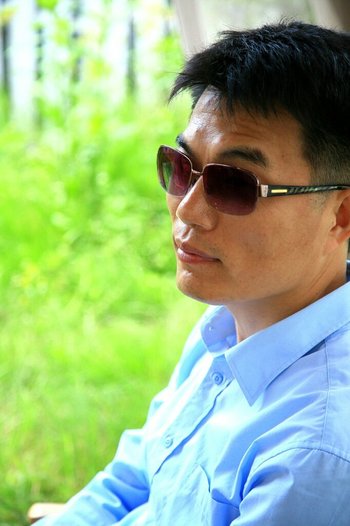
▲필자/ 이래권 작가. ©브레이크뉴스 |
푸시킨의 ‘삶이 그대를 속일지라도 슬퍼하거나 노여워하지 말라….’는 농노제 문맹 러시아에서 지식인의 차르 폭압을 눈감은 저열한 인식에서 탄생했다. 자본주의는 제도라는 체로 인간을 걸러 그 크기와 용도에 따라 물질적 가치를 부여한다. 서열화 차별화의 변방으로 몰린 현 우리나라의 노인 빈곤율은 38%에 육박한다. 약 544만 명의 노인이 월 32만 원의 노령연금으로 모진 말년을 버티며 죽음을 기다린다. 게 중에는 자식이 돌보지 않는 치매 배우자를 간병비가 없어 사망케 하는 상황들이 심심찮게 발생한다. 이를 개인의 능력 부재로 치부하고 자본주의 ‘능력에 따른 대우’법으로 반합법적 자살 살인 방조죄를 국가가 외면하는 매정한 처사다.
가난하게 늙은 것도 서러운데, 늙은 배우자가 암이나 불치병에 걸려 고통에 신음하고 대소변을 못 가리면 24시간 캐어 간병인을 쓴다. 육중한 환자의 몸을 가누고 기저귀와 물티슈로 갈고 닦아주려면 젊은 간병인이 필요한데 하루 15만 원 이상을 지불해야 한다. 의보 적용도 안 되고 고스란히 보호자가 감당해야 할 월 500만 원 여유도 애당초 없다. 요새는 간병 보호자가 2주 학원 수강 후 자격을 취득 후 환자 집으로 출퇴근하여 시급제로 돌본다. 현재 간병보호사가 넘쳐, 용역관리업체에서 출장 스케줄을 장악하여 소개비를 떼고 최저시급제로 반나절씩 파견하는 게 실정이다. 청소 요리 환자 냄새나는 밑자리를 처리하고 간호보호사가 손에 쥐는 돈은 한 달에 80여만 원 된다. 하루 8시간 케어를 받으려면 가난하고 늙은 보호자는 한 달에 160여만 원이 든다. 여기에, 식료품 공과금 약제비 등을 합치면 최소 250만 원은 든다. 그런 돈을 가진 늙은 환자 부부는 거의 없다.
이재명 대표가 간병비 폭탄을 해결하겠다는 선구적 발언은 북유럽의 복지국가에서나 가능할 일로 선두에서 깃발을 들었다는 선언적 의미가 크다. 이를 가능케 하기 위해서는, 현 1인당 조세부담률 19.9%에서 OECD 평균 24.5%로 높여야 한다. 결국 세금 인상이 전제되어야 복지도 분배정책도 확장할 수 있다. 현 정부의 부자 감세 비과세 확대 정책으로 투자를 유도하여 낙수효과로 일자리를 늘리고 내수를 활성화하겠다는 열변은 누더기 깃발이 된 지 오래다. 정권 심판론의 한 소재가 될 수 있다.
이런 와중에서 이재명 대표가 총대를 멘 간병비 건강보험료 지원은 만시지탄이지만 환자 가정에 복음이다. 전술한 바와 같이 이를 해결하기 위해 담배와 술의 개별소비세를 미국 호주 수준으로 높이면 충분하다. 선거철에 표 달아나는 개소리라고 치부하기는 여야가 같을 테지만, 누군가는 앞장서야 월 500여만 원 간병비에 신음하는 수많은 늙은 환자 가족을 위해 나서야 한다. 노인 빈곤율 38%와 간호가 필요한 환자 가족 지원을 합하면, 먼저 이 정책을 들고나와 끌고 가면 묻지 마! 노인 투표 성향을 단숨에 뒤바꿀 수 있다.
이재명 대표는 간병비 건강보험료 지원과 아울러 544만에 달하는 노령연금 월 수령액을 현 32만 원에서 50만 원으로 상향하는 선언을 촉구한다. 여기에 필요한 재원을 현 24조 원에서 12조를 더하면, 한해 36조로 늘리면 된다. 한해 670조에 달하는 국가재정에서 12조 증액은 2% 정도니, OECD 경제 강국 코리아가 충분히 감당할 액수니, 좌고우면할 필요가 없다.
현 노령연금 수급자 544만 명에게 월 32만 원의 의미는 하루 설렁탕 한 그릇 먹고 나면 다른 것을 못사는 금액이다. 보통 지병을 앓아 감당할 약제비는 월 10여만 원이고, 통신비 연료비 전기세는 아껴 쓰고 전기담요 둘러써도 15만 원은 된다. 여기에 식료품 구입비로 월 7만 원, 하루 2천3백 원으로 견뎌야 하니 물리적 수치상으로도 너무 적다. 노령연금을 월 50만 원으로 인상하면 하루에 8,300원의 식료품 구입비 간접지원이 가능하다.
1960년대에 태어난 나는 어릴 적부터 길거리에서 어르신을 만나면, “어르신 아침진지 잡수셨습니까?”라는 겉 인사를 입에 달고 살았다. 쌀이 떨어져 잿밥 지으려 낡은 강목 치마를 입은 농투성이 이웃 아주머니는 바가지를 들고 쌀을 빌려주고 빌려오곤 했다. 가난은 그 시대의 우리 어미 아비의 공통분모이자 강인하게 극복해야 할, 별반 살림살이 나아지진 않지만 그래도 부모 섬기고 자식 포대기에 둘러업고 산과 들을 헤매며 천형(天刑)에 허위허위 몸뚱어릴 던졌어도 굶어 죽는 사람은 없었다. 왜? 이웃의 제사와 굶주림에 부엌 한쪽의 옹기 독을 열고 쌀바가지를 과감히 긁어댔다.
OECD 선진국 K-POP의 본향이라 떠들어대면서도, 빌라 반지하에서 병들고 굶주리다 못해 번갯탄으로 생을 마감하는 기막힌 대한민국이다. 60년대 출생자들의 부모는 이제 구순에 이르렀다. 왜정-인공-새마을운동-산업화 과정을 겪으며 이제 남은 것은 인터넷과 IT에서 소외된, 병들고 허기져 저승길을 재촉하는 부시맨처럼 소외의 한복판에 내동댕이쳐졌다. 그 쉰내 나고 마른 젖을 먹고 자란 1960년대 생들도 어언 노령연금 수급자 대상이 됐다. 산업화 민주화 과정을 겪으며, 안정된 직장을 가지지 못한 사람들이 70%가 넘는다.
모진 역정을 겪고 나니, 전문성이 떨어지고 안정된 공무원이나 은행원 대기업 출신 소수를 제외한 대부분은 75세까지 경비로 취직한다. 퇴직금은 대부분 자식 혼사와 집 장만에 보태고, 부인은 간병보호사 남편은 신체가 튼튼한 경우 20% 정도가 경비로 재활용된다. 어찌 된 일인지 65세 은퇴자나 산업예비군 방출된 친구들 만나기가 명절날 성묘가 조상 보기보다도 더 어려운 삶이다.
70세를 전후하면 고용주들이 꺼린다. 갈 데가 없다. 몸은 성하고 주머닌 말라버린 무료 전철 유람객이 되어 사방팔방 유랑한다. 김밥 한 줄에 4,500원이다. 캔 커피는 하나 있어야지?
정부가 주는 64세 이상 노령연금이 월 32만 원인데, 이것저것 떼고 나면 하루 2,300원이 여윳돈인데, 이 돈으로 집에서 먼 전철 여행 시도하다간 설렁탕은커녕 김밥도 못 사 먹는다. 적어도 너무 적다.
현 노령연금 월 50만 원으로 인상하면, 하루 김밥 두 줄은 빈 배낭에 넣고 생의 시름을 잠시 달랠 수 있다. 총선을 한 달 앞두고 정부는 전국을 토건 사업장으로 만들어 주겠다고 호언한다. 이에, 이재명 당 대표는 간병비 한 달 50만 원 보호자 부담률을 낮춰주겠다고 약속했다. 거대 이슈다. 여기 개미만 한 제언을 정치권에 드린다. 여야 내세우는 개발과 복지재정도 좋지만, 544만 노령연금 월 수령액을 32만 원에서 50만 원으로 우선 올리는 데 합의하라. 성(城)을 쌓는데 거대한 석재를 움직이지 않게 하는 것은 작은 굄돌이다.
이 나라 경제를 위해 헌신했던 1960년대 출신자 이상 노령연금 수급자가 강가의 돌멩이보다 많다. 너무 소외됐고 아프고 굶주렸다. 올리면 하루 8,300원의 여력이 생긴다. 설렁탕은 못 먹어도, 김밥 두 줄을 사서 무료 전철 타고 노곤한 심신을 달랠 잠깐 외출이 가능하다. samsohun@naver.com
*필자/이래권 작가
*아래는 위 기사를 '구글 번역'으로 번역한 영문 기사의 [전문]입니다. '구글번역'은 이해도 높이기를 위해 노력하고 있습니다. 영문 번역에 오류가 있을 수 있음을 전제로 합니다.<*The following is [the full text] of the English article translated by 'Google Translate'. 'Google Translate' is working hard to improve understanding. It is assumed that there may be errors in the English translation.>
Regarding CEO Lee Jae-myeong's statement that he will solve the huge burden of nursing care costs...
-Writer Raekwon Lee
Pushkin’s ‘Do not be sad or angry even if life deceives you… .’ was born from the base perception that turned a blind eye to the tsarist oppression of intellectuals in illiterate Russia under serfdom. Capitalism filters humans through the sieve of institutions and gives them material value based on their size and use. The poverty rate among the elderly in Korea, which is currently on the outskirts of ranking and differentiation, is close to 38%. Approximately 5.44 million elderly people survive their final years and await death with an old-age pension of 320,000 won per month. Situations frequently occur where a spouse with dementia who is not cared for by their children dies due to lack of care expenses. This is a callous action by the state, which dismisses this as a lack of individual ability and ignores the semi-legal crime of aiding and abetting suicide and murder through the capitalist ‘treatment according to ability’ law.
It's sad to grow old in poverty, but when your old spouse suffers from cancer or an incurable disease and is groaning in pain and unable to control the toilet, you need a caregiver to take care of them 24 hours a day. A young caregiver is needed to support the heavy patient's body and change and clean him/her with diapers and wet wipes, costing more than 150,000 won per day. Medical insurance does not apply, and there is no room for the 5 million won per month that the guardian must cover in the first place. These days, caregivers attend a two-week academy, obtain qualifications, and commute to the patient's home to provide care on an hourly basis. Currently, there are a lot of caregivers, so the service management company takes control of the business trip schedule and sends them out for half a day at the minimum wage at a referral fee. The amount of money a nurse earns from cleaning, cooking, and cleaning patients' smelly floors is about 800,000 won per month. It costs a poor, elderly caregiver about 1.6 million won a month to receive care for 8 hours a day. If you include food, utility bills, pharmaceutical expenses, etc., it costs at least 2.5 million won. Few old patient couples have that kind of money.
Representative Lee Jae-myeong's pioneering statement that he will solve the huge burden of nursing care costs has a significant declarative significance in that he has raised the flag at the forefront of something that is only possible in Northern European welfare states. To make this possible, the current per capita tax burden rate must be increased from 19.9% to the OECD average of 24.5%. In the end, welfare and distribution policies can only be expanded if a tax increase is assumed. The current government's fervent promise to encourage investment through its policy of expanding tax cuts and exemptions for the rich, thereby increasing jobs and revitalizing domestic demand through a trickle-down effect, has long since become a tattered flag. It could become a subject of criticism of the regime.
In the midst of all this, CEO Lee Jae-myeong's support of health insurance premiums for nursing care costs is a disgrace, but it is good news for patients' families. As mentioned above, to solve this problem, it is sufficient to raise the individual consumption tax on cigarettes and alcohol to the level of the United States and Australia. Although both the ruling and opposition parties are likely to dismiss this as bullshit to get votes during the election season, someone must take the lead and step up for the sake of the families of countless elderly patients struggling with monthly nursing care costs of over 5 million won. If you combine the poverty rate of the elderly at 38% and the support for families of patients who need nursing care, don't ask questions if you come out with this policy first and drag it out! The voting tendencies of seniors can be changed in an instant.
Representative Lee Jae-myeong calls for a declaration to increase the monthly old-age pension amount of 5.44 million won from the current 320,000 won to 500,000 won, as well as support for health insurance premiums for nursing expenses. By adding 12 trillion won to the current 24 trillion won, the necessary financial resources can be increased to 36 trillion won per year. The 12 trillion won increase is about 2% of the annual national budget of 670 trillion won, which is an amount that Korea, an OECD economic powerhouse, can easily afford, so there is no need to hesitate.
For the current 5.44 million old-age pension recipients, 320,000 won per month means that they cannot buy anything else after eating a bowl of seolleongtang a day. Usually, the cost of medication for a chronic illness is about 100,000 won per month, and even if you save money on communication, fuel, and electricity bills and use an electric blanket, it costs 150,000 won. On top of that, we have to survive on 70,000 won per month for groceries, or 2,300 won per day, which is too small in physical terms. If the old-age pension is increased to 500,000 won per month, indirect support for food purchases of 8,300 won per day is possible.
Born in the 1960s, ever since I was young, whenever I met an elderly person on the street, I would always say “Have you had breakfast?” Her neighbor, a grumpy old woman wearing an old gangwood skirt, would borrow rice to make rice out of rice. Poverty was the common denominator of our mothers and fathers of that era and something we had to overcome with strength. Even though their living conditions did not improve much, they still served their parents, carried their children in swaddles, wandered through the mountains and fields, and threw their bodies falsely at the death penalty, but those who died of starvation did not die of starvation. There wasn't. why? In response to the neighbors' ancestral rites and hunger, I opened the earthen pot on one side of the kitchen and boldly scraped out the rice gourds.
Although it boasts that it is the home of K-pop in developed OECD countries, it is an amazing Republic of Korea where people end up sick and starving in the semi-basement of a villa and end up in a lightning strike. The parents of those born in the 1960s are now in their nineties. Having gone through the process of Japanese colonial rule, artificial intelligence, Saemaeul Movement, and industrialization, what is left is now alienated from the Internet and IT, and has been thrown into the middle of alienation like a sick and hungry bushman rushing to the afterlife. Even those born in the 1960s who grew up on that sour, dry milk became beneficiaries of old-age pensions. Going through the process of industrialization and democratization, more than 70% of people do not have a stable job.
After going through hard times, most people, except for a few who have less expertise and are stable civil servants or bankers from large companies, get jobs as security guards until the age of 75. Most of the severance pay is used for marriage of children and buying a house, and if the wife is a caregiver and the husband has a strong body, about 20% is recycled for expenses. For some reason, it is more difficult for a 65-year-old retiree to meet friends who have been discharged from the Industrial Reserve Force than to see their ancestors' graves on holidays.
Employers are reluctant to work after the age of 70. There is nowhere to go. With my body healthy and my pockets dry, I become a free train tourist and wander in all directions. One line of kimbap costs 4,500 won. You have to have one can of coffee, right?
The government provides 320,000 won of old-age pension for people over 64 years old, but after deducting various things, you have 2,300 won per day in extra money. If you try to travel by train far from home with this money, you cannot even buy gimbap, let alone seolleongtang. At least too little.
If the current old-age pension is increased to 500,000 won per month, you can put two rolls of kimbap a day in an empty backpack and temporarily relieve the worries of life. A month before the general election, the government boasts that it will turn the entire country into a civil engineering workplace. Accordingly, party leader Lee Jae-myeong promised to lower the burden on guardians of 500,000 won per month in nursing expenses. It's a huge issue. Here is an ant-sized suggestion to the political world. The development and welfare finances promoted by the ruling and opposition parties are good, but first, agree to increase the monthly old-age pension amount of 5.44 million people from 320,000 won to 500,000 won. When building a castle, it is the small rocks that keep the huge stones from moving.
There are more old-age pension recipients than people from the 1960s, who devoted themselves to the economy of this country, than there are stones in the river. I was so isolated, sick, and hungry. If you raise it, you will have 8,300 won per day. Even if you can't eat seolleongtang, you can buy two rolls of kimbap and take the free subway for a quick outing to soothe your tired mind and body. samsohun@naver.com
*Writer/Writer Raekwon Lee