▲ 아웅산 수치 미얀마 국가고문이 27일 오전 부산 누리마루에서 열린 제1차 한-메콩 정상회의에서 문재인 대통령의 인사말을 듣고 있다. (사진=2019 한-아세안 특별정상회의 제공) 2019.11.27. ©브레이크뉴스 |
미얀마는 현재 쿠데타와 민주화 시위로 내흥을 겪고 있다. 모두가 미얀마 민주화의 성공을 빌고 있으며 미얀마의 군부 독재가 끝나고 새로운 봄을 맞이하기를 소망하고 있다. 그런데 나는 미얀마의 상황을 다양한 매체들을 통해 들어보고 숙고한 결과 한 가지 의문을 떨쳐 버릴 수 없었다. 그 의문은 만약에 민주화가 성공하여 군부가 타도되면 과연 미얀마를 책임질 지도자는 누구이며 향후 미래에 대한 대책은 있는가이다.
나의 결론은 결국 그만한 인물이 없다는 것이다. 정치 경험이 전무하거나 국정을 이끌 능력이 어떤지에 대해 검증이 안됐다거나, 혹은 제3세력에 의해 점거되어 또다른 독재의 길로 들어설 확률이 있는 것이다. 그래서 사람들이 차후의 지도자로 아웅산 수지를 언급하곤 한다. 수지는 15년간의 가택연금을 포함해 21년간 정치적 억압을 받던 수지가 정치에 참여해 최고직에 오르기까지 과정은 순탄하지 않았다.
수지는 2011년 12월 정치에 참여하겠다고 선언했다. 2015년 총선에서 승리한 뒤 지난해 봄 최고 실권자 자리에 올랐다. 수지의 정치 참여는 군부와 타협의 산물이었다. 수지는 정치를 하는 대가로 군부와의 권력을 분할을 허용한다는 미얀마의 군부 시대에 제정된 헌법을 받아들이는 것이 조건이었다. 그 조건을 수락한 결과 군부는 의회 의석 4분의 1을 지니고, 국방과 치안, 국경 업무에 전권을 행사할 수 있게 되면서 정부에서 군을 통제할 능력을 상실해버렸다. 그래서 군부의 도움을 받지 못한 수지는 힘이 없고, 실질적인 권한은 군부에 있다는 말이 나오는 것인데 수지가 군부를 장악하지 못한 이유가 여기에 있다.
그런데 수지는 군부가 핵심이 되는 이러한 헌법을 받아들이는 것을 반대했다. 그러나 이러한 수지를 굴복시킨 것은 미국이었다. 미얀마의 민주화는 미국이 추구하는 민주주의의 가치와도 맞았고 무엇보다 군인보다 국민이 주인이 되는 나라, 민주화의 상징인 수지가 통수권자 되었음 하는 것이다. 무엇보다도 미국 입장에서는 G2로 부상한 중국을 견제하기 위해서는 미얀마가 필요했다. 미얀마를 통해 인도양으로 진출하는 교두보로 삼은 중국은 인도를 비롯한 서방에 중대한 위협이 됐기 때문이다. 결국 미국은 힐러리 클린턴 당시 국무장관을 보내 수지를 압박했다.
그러나 수지는 이러한 미국의 압력에 맞서기 위해 중국을 끌어들였다. 작년 1월 시진핑 주석이 미얀마를 방문하여 수지와 만나 차우퓨항을 특별경제구역(SEZ)으로 지정하고 7개의 협력 양해각서(MOU)를 체결했다. 중동산 원유를 실은 중국 유조선은 차우퓨항에서 육상 송유관을 통해 원유를 중국 운남성 쿤밍까지 보낸다. 차우퓨항이 중국의 일대일로 에너지 전략의 요충지가 되었으며 미국의 압력에서 벗어나고자 중국과 손을 잡은 수지의 패착이었다. 게다가 로힝야 족 학살과 탄압을 방관하는 등 철저히 서방 세계와 담을 쌓아왔다.
가장 큰 문제는 미얀마 군부의 최고 사령관인 민아웅 훌라잉이 작년 7월 15일 시진핑과의 회담을 통해 송유관 설치에 대한 전권을 이양받고 중국 자본을 받아들이기로 했다. 여기에서 드러나지 않았겠지만 미얀마 군부가 일대일로 구축에 찬성하고 이에 대한 전권을 받아들이면서 착복한 부정행위가 어느 정도인지 알 수는 없지만 부패한 군부의 행보를 볼 때 충분히 가능한 일이라 생각된다. 중국 정부가 로힝야의 폭력사태만 비난하고 군부의 쿠데타와 민주화 시위 탄압을 방관, 방조하는 이유 또한 일대일로의 완성과 수호에 있다. 어쩌면 수지는 군부와 중국, 미국을 비롯한 서방 세계의 손에 조정당하는 마리오네트일지도 모른다.
이러한 수지에게서 정치적 역량과 지도력을 아예 기대하기 힘들다. 서방 세계와 등지고 중국을 끌어들여 균형외교에 실패했으며 군부 독재에 맞서 미얀마 시민들을 위해 어떠한 정책을 실현했는지 잘 나타나지 않고 있다. 단지 잘한건 그동안 폐쇄적인 미얀마를 개방한 것 하나인데 개방 이후의 정책은 군부 독재 시절의 정책과 크게 다를 것은 없기 때문이다. 그래서 나는 수지의 정치 지도력과 리더십에 의문을 갖고 있다. 그녀는 성공한 지도자인가 실패한 지도자인가? 나는 실패한 지도자로 본다.
군부 때문에, 주변을 둘러싼 강대국들 때문이라고 항변할 수 있지만 그와 같은 과정을 겪어 민주주의 사회를 이룩한 우리 대한민국을 비롯한 많은 나라들이 훌륭한 모델이 되고 있으며 그러한 과정들을 이겨내고 따스한 봄을 맞이하고 있다. 정말 수지가 확고한 지도력이 있는 인물이라면 이러한 사태가 오지 않도록 했어야 한다. 그게 정치, 외교적인 능력의 잣대이기 때문이다. 물론 그녀가 민주화의 상징이고 군부 독재와 맞서 투쟁한 인물이라는 것은 인정한다. 그러나 민주화 항쟁과 정치 행정 능력은 별개의 문제이다.
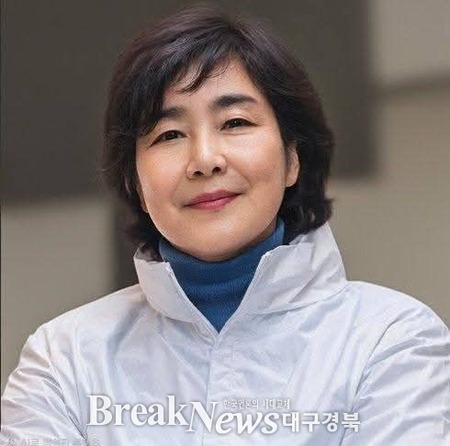
 ▲ 정길선 박사 ©브레이크뉴스 |
결국은 민주화가 성공하더러도 누가 차기 지도자로 부상할 것인지에 대한 청사진이 없다면 민주화 이전보다 더 큰 혼란을 야기할 것이고 군부가 재집권하거나 중국 정부의 적극적인 개입이 이어질 가능성이 농후하다. 민주화의 봄을 맞이했지만 더 큰 불행이 기다리고 있을 개연성이 높다는 것이다. 미얀마는 민주화의 봄을 맞이할 대안과 준비가 되어 있는가? 대안 없는 항쟁은 단순한 분노와 불만 표출에 불과할 뿐이고 더 큰 불행을 초래 할 수 있다. 대안이 없는 항쟁에 대한 대가는 우리의 현대사가 이미 잘 증명해주고 있지 않는가. 이것이 미얀마 민주화 운동이 결코 남의 일 같지 않는 이유인 것이다.
*필자/ 정길선.
노바토포스 회원, 역사학자, 고고인류학자, 칼럼니스트, 러시아 과학아카데미 유라시아 고고인류학연구소 연구교수.
*아래는 위 기사를 '구글 번역'으로 번역한 영문 기사의 [전문]입니다. '구글번역'은 이해도 높이기를 위해 노력하고 있습니다. 영문 번역에 오류가 있을 수 있음을 전제로 합니다.<*The following is [the full text] of the English article translated by 'Google Translate'. 'Google Translate' is working hard to improve understanding. It is assumed that there may be errors in the English translation.>
Myanmar's pro-democracy protests and Aung San Suu Kyi's failure in 2021
columnist Jeong Gil-sun
Myanmar is currently reeling from coups and pro-democracy protests. Everyone is praying for the success of democratization in Myanmar and hoping for a new spring after the military dictatorship in Myanmar ends. However, after listening to and considering the situation in Myanmar through various media, I couldn't dispel one question. The question is, if democratization succeeds and the military is overthrown, who will be responsible for Myanmar and whether there are any measures for the future.
My conclusion is that there is no one like him. There is a possibility that he will be occupied by a third party and enter another path of dictatorship, whether he has no political experience, has not been verified for his ability to lead state affairs, or has been occupied by a third party. For this reason, Aung San Suu Kyi is frequently mentioned as a future leader. After 21 years of political oppression, including 15 years of house arrest, Suu Kyi participated in politics and rose to the top job.
Suu Kyi announced in December 2011 that she would participate in politics. After winning the 2015 general election, she rose to the top position last spring. Suu Kyi's political participation was the result of a compromise with the military. Suu Kyi's acceptance of Myanmar's military-era constitution, which allowed the division of power with the military in exchange for politics, was a condition. As a result of accepting the condition, the military lost the ability to control the military in the government, allowing it to hold a quarter of the parliamentary seats and exercise full power over defense, security, and border affairs. Therefore, it is said that Suu Kyi is powerless without the help of the military, and that the military has real authority, which is why she failed to take control of the military.
Suu Kyi, however, opposed the acceptance of this core military constitution. However, it was the United States that brought Suu Kyi to heel. The democratization of Myanmar matched the values of democracy pursued by the United States, and above all, Suu Kyi, a country in which the people are the master over soldiers, became the commander-in-chief. Above all, the United States needed Myanmar to keep China, which has emerged as the G2, in check. This is because China, which served as a bridgehead for advancement into the Indian Ocean through Myanmar, posed a grave threat to the West, including India. Finally, the United States sent then-Secretary of State Hillary Clinton to pressure Suu Kyi.
However, Suu Kyi has attracted China to counter such U.S. pressure. In January last year, President Xi Jinping met with Suu Kyi in Myanmar and signed seven memorandums of understanding (MOUs) for cooperation in designating Chaufu Port as a Special Economic Zone. Chinese oil tankers carrying Middle Eastern crude oil will send crude oil from Chaufu Port to Kunming in Yunnan Province, China via a land pipeline. Chaufu Port became an important hub of China's One Belt, One Road energy strategy, and Suu Kyi joined hands with China to escape from U.S. pressure. Moreover, the port has been thoroughly built up walls with the West, watching the slaughter and oppression of Rohingya.
The biggest problem is that Myanmar's military commander, Min Aung Hualing, agreed to take over the full power of the pipeline installation and accept Chinese capital through a meeting with Xi Jinping on July 15 last year. As it may not have been revealed here, it is not known how many irregularities the Myanmar military committed when it agreed to build the One Belt, One Road and accepted the full power, but it is thought to be possible given the corrupt military's actions. The reason why the Chinese government only criticizes Rohingya's violence and assists the military to suppress coups and democratic protests is to complete and protect the One Belt, One Road. Perhaps Suu Kyi is a marionette who is controlled by the military, China, and the United States and the Western world.
One can hardly expect political competence and leadership from Suu Kyi at all. It has failed to achieve balanced diplomacy by turning its back on the West and attracting China, and it is not clear what policies were implemented for the citizens of Myanmar against the military dictatorship. The only good thing is to open Myanmar, which has been closed so far, because its post-open policy is not much different from that of the military dictatorship. This is why I have doubts about Suu Kyi's political leadership and leadership. Is she a successful or failed leader? I see her as a failed leader.
Many countries, including the Republic of Korea, which have gone through the military and achieved a democratic society through such processes, are setting good models and are welcoming a warm spring. Suu Kyi should not have let this happen if she really has a strong leadership. That is the yardstick of political and diplomatic ability. Of course, I admit she was a symbol of democratization and struggled against military dictatorship. But the democratic uprising and the ability to administer politics are one thing.
In the end, if democratization is successful and there is no blueprint for who will emerge as the next leader, it will cause more chaos than before democratization, and there is a high possibility that the military will return to power or the Chinese government will actively intervene. Although the spring of democratization is here, there is a high possibility that even greater misfortune awaits. Is Myanmar ready and alternative for the spring of democratization? An insurrection without alternative is nothing more than a mere expression of anger and dissatisfaction and can cause even more misery. Our modern history has already proven the price of an insurrection without an alternative. This is why the Myanmar democratization movement is by no means someone else's business.