|
브레이크뉴스 문홍철 기자= 현대자동차와 기아가 미래 전기차 배터리 경쟁력 확보에 박차를 가한다.
현대차·기아는 현대제철, 에코프로비엠과 함께 LFP(리튬인산철) 배터리 양극재 기술 개발 과제에 착수한다고 26일 밝혔다.
이번 협력은 LFP 배터리 양극재 제조 시 전구체1 없이 직접 재료를 합성하는 기술 개발을 목표로 한다. 산업통상자원부에서 지원하는 ‘LFP 배터리 기술 개발’ 과제로 총 4년 동안 진행된다.
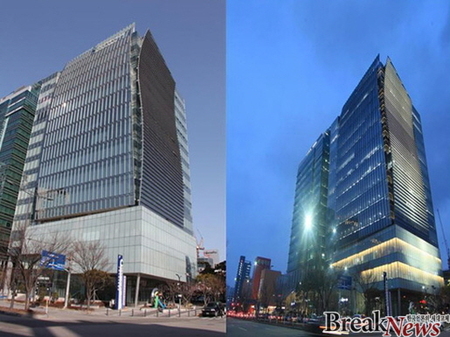
대전광역시 동구 선샤인호텔에서 열린 행사에는 현대차·기아 전동화구동재료개발실 정순준 상무, 현대제철 선행개발실 임희중 상무, 에코프로비엠 연구기획담당 서준원 전무 등이 참석해 각 사 연구 과제에 대해 설명하고 향후 지속적인 협력 방안을 논의했다.
일반적으로 LFP 배터리의 양극재는 인산염, 황산철 등을 합성한 전구체에 리튬을 첨가해 생산한다.
이번 협력을 통해 확보하고자 하는 직접합성법은 별도의 전구체를 제작하지 않고 인산, 철(Fe) 분말, 리튬을 동시 조합해 양극재를 만드는 기술이다. 전구체를 만드는 단계가 삭제돼 공정 중 발생하는 유해물질 배출을 최소화할 수 있으며 생산 비용도 절감이 가능하다.
직접합성법을 통한 효율적인 양극재 생산을 위해서는 불순물이 없고 균일한 입자의 원료 확보가 매우 중요하다.
이에 현대차·기아는 현대제철과 함께 국내 재활용 철을 가공한 고순도 미세 철 분말 공정 기술을 개발한다. 에코프로비엠은 이를 활용해 직접 합성 LFP 양극재 개발에 나선다.
더욱이 이 공법을 활용한 LFP 양극재는 성능향상을 통해 저온에서 우수한 충∙방전 성능과 함께 급속충전 기술 구현도 가능하도록 개발한다는 목표다.
이번 과제가 성공적으로 완료되면 보다 경쟁력 있는 가격으로 LFP 배터리 제조가 가능할 전망이다. 특히, 현재 양극재 전구체의 대부분은 일부 국가에서만 생산하고 있어 수입 의존도가 높지만, 직접합성법을 적용하면 국내 생산망을 활용한 안정적인 원료 공급망 구축도 가능할 것으로 보인다.
이번 협력은 배터리 소재 분야 기술 확보를 위해 ‘자동차-이차전지-제철’ 등 각기 다른 산업이 힘을 모았다는 점에서 의미가 크다고 현대차·기아는 설명했다.
현대차·기아 관계자는 “향후 전기차 시장 수요에 대응하기 위해서는 신속한 배터리 기술 개발과 효과적인 재료 공급망 구축이 필수적”이라며 “이번 과제를 통해 해외 수입 의존도를 낮추고 필요 기술을 내재화해 국가와 현대차그룹의 기술 경쟁력이 향상될 수 있기를 기대한다”고 말했다.
한편, 현대자동차는 지난달 28일 CEO 인베스터 데이에서 중장기 전략 ‘현대 웨이’를 발표하며 전기차 성능 및 안전, 원가 경쟁력 확보를 위해 배터리 개발 역량을 한층 강화해 나갈 계획이라고 밝힌 바 있다.
break9874@naver.com
*아래는 위 기사를 '구글 번역'으로 번역한 영문 기사의 [전문]입니다. '구글번역'은 이해도 높이기를 위해 노력하고 있습니다. 영문 번역에 오류가 있을 수 있음을 전제로 합니다.<*The following is [the full text] of the English article translated by 'Google Translate'. 'Google Translate' is working hard to improve understanding. It is assumed that there may be errors in the English translation.>
Hyundai Motors and Kia Motors Begin LFP Battery Cathode Material Technology Development Project
Hyundai Motor Company and Kia Motors are stepping up efforts to secure competitiveness in future electric vehicle batteries.
Hyundai Motor Company and Kia Motors announced on the 26th that they will embark on a project to develop LFP (lithium iron phosphate) battery cathode material technology with Hyundai Steel and EcoPro BM.
This collaboration aims to develop technology to directly synthesize materials without a precursor1 when manufacturing LFP battery cathode materials. The ‘LFP Battery Technology Development’ project, supported by the Ministry of Trade, Industry and Energy, will be conducted for a total of four years.
At the event held at the Sunshine Hotel in Dong-gu, Daejeon, Executive Director Jeong Sun-jun of the Hyundai Motor Company and Kia Motors Electric Drive Materials Development Lab, Executive Director Lim Hee-joong of Hyundai Steel’s Advanced Development Lab, and Executive Director Seo Jun-won of EcoPro BM’s Research Planning Division attended to explain each company’s research projects and discuss future plans for continued cooperation.
Generally, LFP battery cathode materials are produced by adding lithium to a precursor synthesized from phosphates, iron sulfates, etc.
The direct synthesis method that we are trying to secure through this collaboration is a technology that makes cathode materials by simultaneously combining phosphoric acid, iron (Fe) powder, and lithium without making a separate precursor. Since the precursor making step is eliminated, the emission of harmful substances generated during the process can be minimized, and production costs can also be reduced.
In order to efficiently produce cathode materials through the direct synthesis method, securing raw materials with no impurities and uniform particles is very important.
Accordingly, Hyundai Motor Company and Kia Motors, together with Hyundai Steel, are developing a high-purity fine iron powder process technology that processes domestically recycled iron. EcoPro BM will utilize this to develop direct synthesis LFP cathode materials.
Furthermore, the goal is to develop LFP cathode materials using this method so that they can implement rapid charging technology along with excellent charge/discharge performance at low temperatures through performance improvement.
If this project is successfully completed, it is expected that LFP batteries will be manufactured at a more competitive price. In particular, most cathode precursors are currently produced only in some countries, so there is a high dependence on imports, but if the direct synthesis method is applied, it is expected that a stable raw material supply chain utilizing the domestic production network will be possible.
Hyundai Motor Company and Kia Motors explained that this collaboration is significant in that different industries such as ‘automobiles-secondary batteries-steel’ have joined forces to secure battery material technology.
A Hyundai Motor Company and Kia Motors official said, “In order to respond to future electric vehicle market demand, rapid battery technology development and establishment of an effective material supply chain are essential,” adding, “We hope that this project will reduce dependence on overseas imports and internalize necessary technologies, thereby enhancing the technological competitiveness of the country and Hyundai Motor Group.”
Meanwhile, Hyundai Motor Company announced its mid- to long-term strategy ‘Hyundai Way’ at CEO Investor Day on the 28th of last month, stating that it plans to further strengthen its battery development capabilities to secure electric vehicle performance, safety, and cost competitiveness.