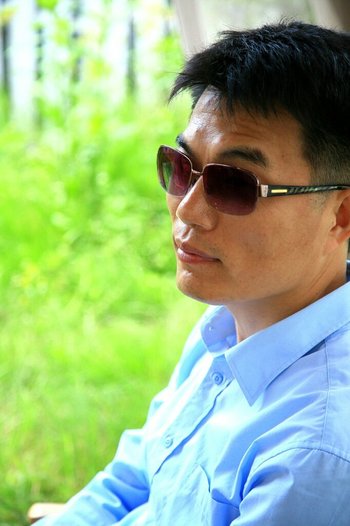
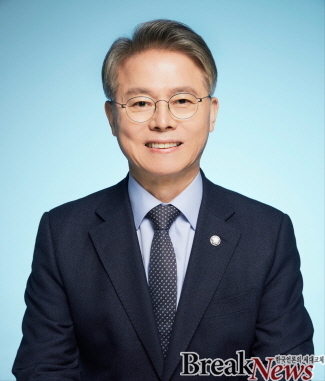
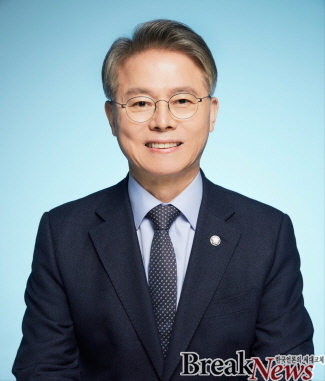
▲ 필자/권기환 철학 박사. ©브레이크뉴스 |
독일의 사상적 흐름에서 결코 빼놓을 수 없는 사상이 있다면 아마도 낭만주의라고 하겠다. 그러나 낭만주의가 정작 무엇인지라고 정의하고자 한다면, 그것은 매우 어려운데, 그 까닭은 낭만주의, 특히 독일 낭만주의가 독일적 풍토에서 뿌려진 다양한 영역의 사상들과 밀접하게 연관된 거대한 정신사적 운동이기 때문이다.
문학, 문헌학, 조형예술, 음악, 철학, 법학, 자연과학 등도 모두 포함하는 종합적 운동으로서 낭만주의는 독일의 여러 도시에서 다양한 영역의 수많은 인물에 의해 추진되고 발전된 독일적 현상에 국한되는 측면도 있었지만, 이와 반대로 그와 같은 독일적 현상이 오히려 유럽 각국의 다양한 영역에도 영향력을 주기도 했는데, 이 때 중요한 것은 통합의 정신이다. 여기에서 문제는 통합을 어떤 식으로 할 것인지가 당대 지식인들에게는 초미의 관심사였다.
바로 이러한 지점에서 우리는 독일의 시인이면서, 문예 비평가일 뿐만 아니라, 철학자, 번역가, 소설가, 문헌학자, 인도학 연구자, 역사가, 미술이론가, 미술사가였던 카를 빌헬름 프리드리히 슐레겔(1772-1829)에 주목할 필요가 있다. 그는 ‘프랑스 대혁명’, 피히테의 ‘학론’(Wissenschaftslehre) 그리고 괴테의 『빌헬름 마이스터』를 당대의 위대한 경향들로 파악했다. 이것들의 공통점은 아마도 통합의 정신이라고 할 수 있겠다. 프랑스 대혁명은 정치가 사회적 통합을 통해, 이성적 정치가 사회적 분열을 하나로 만드는 역할을 수행했다고 하겠다. 피히테의 학론은 인간 정신의 활동을 체계적으로 서술했으며, 이것은 학문적 통합이라고 하겠다. 괴테의 『빌헬름 마이스터』는 다양한 삶의 양상들을 통해 세상과 화해하는 전형적인 고전주의의 이상인 조화로운 인간상을 구현하고자 했다. 슐레겔이 이 세 가지 경향에 주목했던 까닭은 분열되고 낙후된 독일의 통합이 요구되었기 때문이다.
그런데 슐레겔은 이 통합을 정치나 철학이 아니라 문학에서, 부연하자면 예술의 절대적 위치를 통해 통합을 시도했다. 이때 슐레겔이 제시했던 개념이 바로 ‘포에지’(Poesie)다. 이때 포에지라는 개념은 협의의 시문학 혹은 시에 제한되는 의미가 아니라, 광의의 의미다. 그런데 ‘포에지’라는 개념은 원저자가 불분명한 『독일 관념론의 가장 오래된 체계 구상』의 두 문장에 들어가 있다. “포에지는 처음에 존재했던 것 – 인간성의 교육자들을 통해 좀 더 높은 가치를 얻는다. 포에지는 또다시 종국이 된다. 왜냐하면 더 이상 철학도 역사도 없고 오로지 시문학 창작만이 모든 그밖에 학문들과 예술들에 살아남게 될 것이기 때문이다.”(독일어 원문 번역). 슐레겔의 생각과도 이에 상당히 일치한다. 『아테나움 단상』에서 슐레겔은 낭만주의적 보편적 포에지를 단순히 분리되어있던 모든 시문학 장르를 또다시 통합하고, 시문학을 철학과 수사학과 접목시키는 것만을 뜻하지 않는다고 주장한다.
그에 따르면 낭만주의 포에지가 원하는 바는 협의의 시문학과 산문을, 독창성과 비평을, 창작시와 서사시를 서로 융합하고 뒤섞는 것이다. 그렇게 될 때 시문학은 생생하고 사교적으로 되고, “반면 삶과 사회는 시적으로 만들고, 재치도 하나의 시가 되게 한다.”(『문학적 절대』, 165쪽, 한국어 번역 참조). 예술형식들은 모든 종류의 참다운 교양 “재료들로 가득 채우게 하며, 기지의 번득임으로 생기를 불어넣는 것이다.”(같은 책, 같은 쪽).
이러한 프리드리히 슐레겔의 생각은 그의 형인 빌헬름 아우구스트 슐레겔(1757-1845)의 생각과도 대체로 일치한다. 아우구스트 슐레겔은 독일의 시인이면서, 철학자일 뿐만 아니라, 문헌학자, 언어학자, 번역가, 산스크리트학자, 인도학 연구자, 역사학자, 극작가, 미술사가이기도 했다. 적어도 독일의 예나 시대에 초기 낭만주의가 매우 짧았음에도 불구하고 이후 중기의 하이델베르크 낭만주의 시대와 후기의 베를린 낭만주의 시대에 비해 그 파급력이 컸던 까닭도 슐레겔 형제의 공헌 때문이라고 말해도 과언은 아니다. 예나 초기 낭만주의 그룹의 구성원들을 보면 흥미로운데, 이른바 집단 지성의 산물로서 특성이 잘 드러난다. 특히 여기에서 눈에 띄는 것은 여성 작가들인데, 이 그룹에 참여함으로써 그 당시에 상당히 자유주의적 여성상을 보여주었다는 점이다.
아우구스트 슐레겔과 결혼했던 카롤리네 슐레겔(1763-1809, 이후 셸링과 결혼)은 당시에 독일의 여성 지식인이면서 작가였다. 프리드리히 슐레겔과 결혼했던 도로테아 슐레겔(1763-1839)도 독일의 작가이면서 번역가였다. 더 나아가 독일의 시인이면서 동화작가, 대중 소설가였던 요한 루트비히 티크(1773-1853), 시인이었던 빌헬름 하인리히 바켄로더(1773-1798), 『푸른 꽃』의 노발리스, 자연철학의 셸링 등이 주축이 되었고, 베를린에 있었던 신학자로서 슐라이어마허도 이 그룹에 관여했다.
그러나 초기 예나를 중심으로 펼쳐졌던 초기 낭만주의 운동은 노발리스의 급사와 더불어 그룹 내부의 갈등으로 허무하게 끝나고 말았다. 이후에 남은 구성원들이 뿔뿔이 흩어졌고, 하이델베르크 시기에는 낭만주의는 철학에서 벌어졌고, 그 대신에 역사와 독일 문화가 부가되었으며, 회화가 새로이 추가되었고, 베를린 시기에 낭만주의는 역사학이 더 강화되었으며. 자연과학, 의학 이외에 종교와 음악이 추가되었다. 이것은 철학보다 개별학문이 더욱 발전한 것에 근거하기도 하지만, 이와 동시에 그면 그럴수록 초기 예나 낭만주의 운동과 같은 활기찬 논쟁이나 역동성은 사라져 버렸음을 나타낸다.
프리드리히 슐레겔은 이후에 예나를 떠나 드레스덴, 라이프치히, 바이마르, 파리로 이주하기도 했으며, 쾰른에서 결혼했고, 강의를 하기도 했다. 인도학 연구로 부각이 되긴 했지만, 전반적으로 그 외에 별다른 성과를 거두지 못했다. 더욱이 그는 결혼하면서, 개신교에서 카톨릭으로 개종했는데, 정치적-종교적 자유주의를 반대하는 태도를 취했다.
특히, 그는 『콘코르디아( Concordia)』라는 잡지를 출판하면서, 카톨릭을 옹호하고, 근대의 성과 전체를 부정하면서, 중세 신분제로의 복귀를 주장했는데, 이로 인해 수많은 개신교도와 자유주의자들이 그를 떠났다. 심지어 자신의 형인 아우구스트 슐레겔조차 의절할 정도였기 때문에, 그 파급력은 실로 컸다. 실로 아이러니가 아닐 수 없다! 이로써 더 이상 독일 낭만주의는 완전히 몰락하고 만다.
프리드리히 슐레겔은 자유의 영혼을 노래하고 독일의 낙후된 현실에서, 분열된 현실에서 새로운 가능성을 통합에서 모색했다. 더 나아가 계몽주의를 넘어서서, 고전주의를 넘어서서 새로운 독일의 정신사적 운동에 발판을 놓고자 했던 슐레겔의 시도는 그 당시에는 한갓 바람처럼 사라져 버린 것일지 몰라도 오늘날 집단 지성이 필요한 시대임을 고려해 볼 때 한 번쯤 고려해 볼 가치는 존재한다. 그러나 이와 동시에 프리드리히 슐레겔의 한계도 되짚어 봐야 할 것이다.
독일 초기 낭만주의 운동이 좌절되었을 때, 슐레겔은 그 자리에 종교의 길을 선택했는데, 이것도 가장 복고적인 결과로 귀결되었다. 어찌 보면 이러한 슐레겔은 태도는 자신의 유토피아적 이상이 좌절되었을 때, 이를 이겨내기보다는 냉혹한 현실 앞에 무기력하게 무너졌으며 현실과 타협하는 것으로 귀결되었다.
필자가 프리드리히 슐레겔을 접했던 것은 매우 오래되었다. 필자에게 그 당시 슐레겔을 이해하는 방식은 슐레겔에 대한 독자적인 차원이 아니라, 노발리스와 더불어 초기 낭만주의 운동에 근거하고 있었다. 필자에게는 노발리스나 횔덜린이 훨씬 더 철학적으로 다가왔기 때문에, 슐레겔은 상대적으로 뒷전에 밀려나 있었다. 그러던 중에 필자는 우연히 슐레겔의 문학작품보다 그가 편집했던 몇몇 비평문들과 잡지들을 보면서, 상당히 철학적 교양이 높다는 것을 알 수 있었다. 그것은 아마도 예나 시대의 통합적 정신이 작용한 결과에 따라 포에지를 통해 구현되고 있기 때문일 것이다.
오늘날 한국에서 문학 연구자들에게 철학을 얘기하면, 우선 강한 거부감이 표시하는 것은 일상적 현상이다. 이것은 철학이든 문학이든 서로 융합할 수 없게 만드는 심각한 장애물이다. 이 장애물을 우리 스스로 걷어찰 때 비로소 새로운 문화운동이나 혁신적 운동도 한국에서 기대할 수 있지 않을까! 프리드리히 슐레겔에게 자유의 영혼도 바로 거기에 있을 것이다. jgfichte@naver.com
*필자/권기환
철학박사. 동국대에서 석사학위를, 독일 지겐대 제 1학부(역사-철학과)에서 철학 박사학위(Dr. phil.)를 취득했다. 경희대, 경기대, 명지대, 상명대, 강남대, 홍익대 등에서 강의를 했다. 현재는 가천대에서 강의를 하고 있다. 주요 관심사는 독일 관념론, 독일 초기 낭만주의, 프랑스 현상학, 해석학, 동서 비교 철학 등이다. 한국 헤겔학회, 한국칸트학회, 한국해석학회, 한국 현상학회(전 정보이사), 서양 근대철학회 등에서 활동하고 있다.
*아래는 위 기사를 '구글 번역'으로 번역한 영문 기사의 [전문]입니다. '구글번역'은 이해도 높이기를 위해 노력하고 있습니다. 영문 번역에 오류가 있을 수 있음을 전제로 합니다.<*The following is [the full text] of the English article translated by 'Google Translate'. 'Google Translate' is working hard to improve understanding. It is assumed that there may be errors in the English translation.>
Friedrich Schlegel, Romanticism Buried in the Soul of Freedom
- Kwon Ki-hwan, Columnist
If there is an idea that cannot be left out of the ideological flow of Germany, it is probably Romanticism. However, if we try to define what Romanticism really is, it is very difficult because Romanticism, especially German Romanticism, is a huge intellectual movement closely related to various fields of thought that were spread in the German atmosphere. As a comprehensive movement that includes literature, philology, plastic arts, music, philosophy, law, natural science, etc., Romanticism was limited to a German phenomenon that was promoted and developed by numerous people from various fields in various cities of Germany, but on the contrary, such a German phenomenon also influenced various fields in each European country. What was important at this time was the spirit of integration. The question here was how to achieve integration, which was of primary interest to intellectuals at the time.
At this point, we need to pay attention to Karl Wilhelm Friedrich Schlegel (1772-1829), a German poet, literary critic, philosopher, translator, novelist, philologist, Indologist, historian, art theorist, and art historian. He identified the ‘French Revolution’, Fichte’s ‘Wissenschaftslehre’, and Goethe’s ‘Wilhelm Meister’ as the great trends of the time. The common denominator among these is probably the spirit of integration. The French Revolution was a case of politics uniting society, and rational politics uniting social divisions. Fichte’s ‘Wissenschaftslehre’ systematically described the activities of the human mind, which can be called academic integration. Goethe’s ‘Wilhelm Meister’ attempted to realize the harmonious human image, a typical classicist ideal of reconciling with the world through various aspects of life. The reason Schlegel paid attention to these three tendencies was because the unification of a divided and backward Germany was required. However, Schlegel attempted to achieve this unification not through politics or philosophy, but through literature, or more specifically, through the absolute position of art. The concept that Schlegel presented at this time was ‘poetry’. The concept of poetry here is not limited to the narrow sense of poetry or poetry, but has a broad sense. However, the concept of ‘poetry’ is included in two sentences from the ‘Concept of the Oldest System of German Idealism’, whose original author is unknown. “Poetry acquires a higher value through what existed at the beginning – the educators of humanity. Poetry becomes the end again, because there will be no more philosophy or history, and only poetic creation will survive all other disciplines and arts.” (Translation from the original German text). This is quite consistent with Schlegel’s thoughts. In Athenaeum Fragments, Schlegel argues that Romantic universal poetry does not simply mean reuniting all previously separate genres of poetry and grafting poetry with philosophy and rhetoric. According to him, what Romantic poetry wants is to fuse and mix poetry and prose in the narrow sense, originality and criticism, creative poetry and epic. When this happens, poetry becomes lively and sociable, and “life and society, on the other hand, become poetic, and wit becomes a kind of poetry” (see Literary Absolute, p. 165, Korean translation). Art forms “fill up all kinds of true culture with materials and breathe life into them with flashes of wit” (same book, same page).
This idea of Friedrich Schlegel is largely in line with that of his older brother, Wilhelm August Schlegel (1757-1845). August Schlegel was a German poet, philosopher, philologist, linguist, translator, Sanskrit scholar, Indologist, historian, playwright, and art historian. It is no exaggeration to say that the contribution of the Schlegel brothers was the reason why the early Romanticism in Jena, Germany, was so short-lived, but had such a great impact compared to the later Heidelberg Romanticism and the later Berlin Romanticism. It is interesting to look at the members of the Jena Early Romanticism group, which clearly shows their characteristics as a product of so-called collective intelligence. What stands out here is the fact that the women writers participated in this group and showed a fairly liberal image of women at the time. Caroline Schlegel (1763-1809, later married Schelling), who married August Schlegel, was a German female intellectual and writer at the time. Dorothea Schlegel (1763-1839), who married Friedrich Schlegel, was also a German writer and translator. Furthermore, Johann Ludwig Tieck (1773-1853), a German poet, fairy tale writer, and popular novelist, Wilhelm Heinrich Bakkenroeder (1773-1798), Novalis of The Blue Flower, and Schelling of Natural Philosophy were the main members, and Schleiermacher, a theologian who was in Berlin, was also involved in this group.
However, the early Romantic movement centered around Jena ended in vain due to Novalis' sudden death and internal conflicts within the group. Afterwards, the remaining members dispersed, and during the Heidelberg period, Romanticism took place in philosophy, and instead, history and German culture were added, and painting was newly added, and during the Berlin period, Romanticism strengthened history, and added religion and music in addition to natural science and medicine. This is based on the fact that individual disciplines developed more than philosophy, but at the same time, it shows that the lively debate and dynamism of the early Jena Romantic movement disappeared.
Friedrich Schlegel later left Jena and moved to Dresden, Leipzig, Weimar, and Paris, got married in Cologne, and lectured. Although he was prominent for his Indology studies, he did not achieve much else overall. Furthermore, he converted from Protestantism to Catholicism after getting married, and he took an anti-political and religious liberal stance. In particular, he published a magazine called Concordia, defending Catholicism, denying all the achievements of modernity, and advocating a return to the medieval caste system, which caused many Protestants and liberals to leave him. Even his brother, August Schlegel, disowned him, so the impact was truly great. How ironic! With this, German Romanticism completely collapsed.
Friedrich Schlegel sang the spirit of freedom and sought new possibilities in the backward and divided reality of Germany through integration. Furthermore, Schlegel's attempt to lay the foundation for a new German intellectual movement beyond the Enlightenment and classicism may have disappeared like a breeze at the time, but considering that we live in an era that requires collective intelligence, it is worth considering at least once. However, at the same time, we should also look back on Friedrich Schlegel's limitations. When the early German Romantic movement was frustrated, Schlegel chose the path of religion instead, which also resulted in the most retrograde result. In a way, Schlegel's attitude was that when his utopian ideals were frustrated, rather than overcoming them, he helplessly collapsed in the face of the harsh reality and ended up compromising with reality.
It has been a long time since I encountered Friedrich Schlegel. For me, the way I understood Schlegel at that time was not based on Schlegel’s independent dimension, but on the early Romantic movement along with Novalis. Since Novalis and Hölderlin were much more philosophical to me, Schlegel was relatively relegated to the background. Then, by chance, I saw some of Schlegel’s critical writings and magazines that he edited rather than his literary works, and I could see that he had a high level of philosophical knowledge. This is probably because the integrated spirit of the Jena era was realized through poetry. When I talk about philosophy to literature researchers in Korea today, it is a common phenomenon that they first show strong resistance. This is a serious obstacle that prevents philosophy and literature from merging with each other. Only when we kick away this obstacle ourselves can we expect a new cultural movement or innovative movement in Korea! The spirit of freedom is right there with Friedrich Schlegel. jgfichte@naver.com
*Author/Kwon Ki-hwan
Doctor of Philosophy. He received his master's degree from Dongguk University and his doctorate in philosophy (Dr. Phil.) from the first department (history-philosophy) of the University of Siegen in Germany. He lectured at Kyunghee University, Kyonggi University, Myongji University, Sangmyung University, Kangnam University, and Hongik University. He is currently a lecturer at Gachon University. His main interests are German idealism, early German romanticism, French phenomenology, hermeneutics, and Eastern-Western comparative philosophy. He is active in the Korean Hegel Society, the Korean Kant Society, the Korean Society for Hermeneutics, the Korean Phenomenology Society (former director of information), and the Western Modern Philosophy Society.