|
브레이크뉴스 문홍철 기자= 10년전에 비해 기업이 느끼는 규제부담이 는 것으로 조사됐다. 경직적인 근로시간, 중대재해처벌법 등 노동규제나 탄소배출에 따른 부담 등이 복합적으로 작용했다는 분석이다.
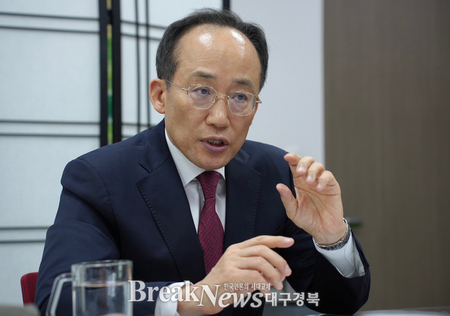
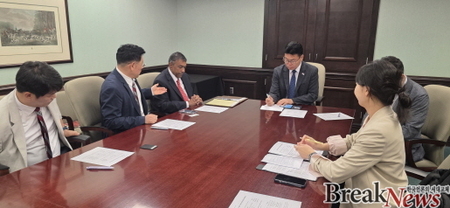
대한상공회의소가 17일 ‘지난 10년의 정책평가! 향후 10년의 혁신환경’을 주제로 개최한 온라인 좌담회에서 이 같은 결과가 도출됐다. 유튜브 생중계로 이어진 좌담회에는 박일준 대한상의 상근부회장, 안종범 정책평가원구원장, 남형기 국무조정실 국무2차장, 이혁우 배재대 교수, 정지은 코딧 대표, 이세비 기재부 청년보좌역 등이 참석했다.
기업부담지수(BBI: Business Burden Index)는 정책평가연구원이 기업이 체감하는 조세, 준조세, 규제, 행정 등의 부담수준을 측정해 수치화한 것으로 2015년에 마지막으로 발표된 바 있다.
이후 10년이 지난 올해 3월 전국의 913개 기업을 대상으로 동일한 구조의 조사를 진행했고, 업종·지역·규모별 가중치를 적용해 대표성과 객관성을 높였다. 기준선 100을 넘으면 ‘부담된다’, 100을 넘지 않으면 ‘부담되지 않는다’는 의미다.
먼저, 전체 기업부담지수는 105.5로, 2015년(109.5) 대비 소폭 하락했지만 여전히 기준선(100)을 상회하고 있어 기업들이 각종 의무로 부담을 느끼고 있는 것으로 나타났다. 조세 부담은 120.9에서 100.7로, 준조세 부담은 122.5에서 112.5로 줄었다.
이날 발표에 나선 안종범 정책평가연구원장은 “법인세 최고세율이 2012년에 27%에서 2023년에 24%로 조정되는 등 세율과 과표구간에 변화가 있었고, 기업들의 영업이익이 추세적으로 감소해 수익 기반의 법인세 부담이 준 것으로 보인다”고 분석했다.
규제부담은 10년 전과 비교하면 크게 높아졌다(88.3→102.9). 실제, 노동규제(112.0), 진입규제(101.1), 환경규제(99.3), 입지·건축규제(99.2) 등 모든 규제영역에서 부담이 증가한 것으로 조사됐다.
정책평가연구원은 “노동규제 부담지수가 112로, 기업들이 큰 부담으로 느낀다는 것이 중요한 대목”이라며 “52시간 근로시간 규제를 중심으로 고용유연성이 지극히 낮은 우리 노동시장 상황을 여실히 보여주고 있고, 국회를 중심으로 늘어난 규제법령에 대한 압박이 반영된 것이다”고 풀이했다.
일선행정에 대한 부담도 큰 것으로 나타났다. 10년전 77에서 현재 111로 34p 증가했다. 지자체의 일선 규제가 늘고 행정지연 등의 관행이 기업의 체감부담을 늘린 것으로 분석된다.
이어진 토론에서는 스타트업, 정부관계자, 학계전문가 등의 다양한 의견을 제시됐다. 정지은 코딧 대표는 “우리나라에서 플랫폼 사업은 거의 다 막혀 있는 형국”이라며 “경쟁국들은 빠르게 혁신해 가는데 우리는 규제나 기득권 반발 등에 막혀 성과를 만들어내기 어려운 상황이다”고 꼬집었다.
이어 “규제샌드박스도 기업에게 조그맣게 활로를 열어주고 있지만 혁신을 담기에는 부족한 상자”라며 “스타트업의 성장을 위해 공공조달 우대, 글로벌 진출을 위한 맞춤형 통합지원 체계 마련도 시급하다”고 강조했다.
이세비 기획재정부 청년보좌역은 “청년 창업가들은 자본뿐 아니라 공간 부족에도 시달린다”며 “유휴 국유지를 창업공간으로 활용한 사례처럼, 현실을 바꾸는 작은 실험이 더 많아져야 한다. 규제는 관행을 바로잡고 새질서를 만드는 도구로 인식해야 한다. 이런 적극행정을 위해 부처 간 칸막이를 허무는 노력이 필요하다”고 말했다.
규제정책을 총괄하는 국무조정실 남형기 국무2차장은 “기업부담지수 결과는 향후 정부 규제혁신 추진방향에 시사점이 크다”면서도 “대한민국은 2024년 OECD 규제정책평가(iREG)의 3개부문 중 2개 분야(규제영향분석, 사후평가)에서 1위를 달성하는 등 선진국 중에서도 최고 수준이다. 매년 4000여명의 국민을 대상으로 조사하는 규제혁신 만족도는 지속 상승 추세라는 점도 감안할 필요가 있다”고 설명했다.
이어 “국무조정실과 대한상의는 현장중심의 규제혁신을 위해 기업 정책환경을 조사할 계획으로, 현장의 목소리를 반영하기 위해 더욱 노력하겠다”고 덧붙였다.
break9874@naver.com
*아래는 위 기사를 '구글 번역'으로 번역한 영문 기사의 [전문]입니다. '구글번역'은 이해도 높이기를 위해 노력하고 있습니다. 영문 번역에 오류가 있을 수 있음을 전제로 합니다.<*The following is [the full text] of the English article translated by 'Google Translate'. 'Google Translate' is working hard to improve understanding. It is assumed that there may be errors in the English translation.>
“Corporate regulatory burden has increased significantly over the past 10 years”..Labor regulations and carbon emissions are holding back
It was found that the regulatory burden felt by companies has increased compared to 10 years ago. The analysis is that rigid working hours, labor regulations such as the Serious Disaster Punishment Act, and the burden due to carbon emissions have all had a complex effect.
This result was derived from an online symposium held by the Korea Chamber of Commerce and Industry on the 17th under the theme of “Policy Evaluation of the Past 10 Years! Innovation Environment of the Next 10 Years.” The symposium, which was live-streamed on YouTube, was attended by Park Il-joon, Executive Vice Chairman of the Korea Chamber of Commerce and Industry, Ahn Jong-beom, Director of the Policy Evaluation Institute, Nam Hyeong-gi, Second Vice Minister of the Office for Government Policy Coordination, Lee Hyuk-woo, Professor at Paichai University, Jeong Ji-eun, CEO of Codit, and Lee Se-bi, Youth Advisor to the Ministry of Strategy and Finance.
The Business Burden Index (BBI) is a numerical analysis of the level of burden felt by companies in terms of taxes, quasi-taxes, regulations, and administration by the Policy Evaluation Institute, and was last announced in 2015.
In March of this year, 10 years later, a survey of the same structure was conducted on 913 companies nationwide, and weights were applied by industry, region, and size to increase representativeness and objectivity. If it exceeds the baseline of 100, it means ‘burdened’, and if it does not exceed 100, it means ‘not burdened’.
First, the overall corporate burden index was 105.5, which is a slight decrease from 2015 (109.5), but it still exceeds the baseline (100), showing that companies are feeling burdened by various obligations. The tax burden decreased from 120.9 to 100.7, and the quasi-tax burden decreased from 122.5 to 112.5.
On this day, Jong-Beom Ahn, the head of the Policy Evaluation Institute, who made the announcement, analyzed, “There have been changes in tax rates and tax brackets, such as the corporate tax top rate being adjusted from 27% in 2012 to 24% in 2023, and the corporate tax burden based on profits seems to have decreased as the operating profit of companies has been decreasing.”
The regulatory burden has increased significantly compared to 10 years ago (88.3→102.9). In fact, the burden has increased in all regulatory areas, including labor regulations (112.0), entry regulations (101.1), environmental regulations (99.3), and location and construction regulations (99.2).
The Policy Evaluation Institute explained, “The labor regulation burden index is 112, which is an important point because companies feel it is a great burden,” and “It clearly shows the situation of our labor market, which has extremely low employment flexibility centered on the 52-hour workweek regulation, and it reflects the pressure on regulatory laws and regulations that have increased centered on the National Assembly.”
The burden on frontline administration was also found to be significant. It increased by 34p from 77 10 years ago to 111 currently. It is analyzed that the increase in frontline regulations by local governments and practices such as administrative delays have increased the perceived burden on companies.
In the discussion that followed, various opinions were presented by startups, government officials, and academic experts. Jeong Ji-eun, CEO of Codit, pointed out that “platform businesses in our country are almost completely blocked,” and “while our competitors are rapidly innovating, we are in a situation where it is difficult to produce results due to regulations and vested interests.”
He continued, “The regulatory sandbox is also providing a small way for companies, but it is not enough to contain innovation,” and emphasized that “It is urgent to establish a customized integrated support system for startup growth, such as preferential treatment in public procurement and global expansion.”
Lee Se-bi, the youth advisor to the Ministry of Strategy and Finance, said, “Young entrepreneurs suffer not only from a lack of capital but also from a lack of space,” and added, “There should be more small experiments that change reality, such as the case of using idle national land as a startup space. Regulations should be recognized as a tool to correct practices and create a new order. Efforts to break down barriers between ministries are needed for such proactive administration.”
Nam Hyung-ki, the 2nd Vice Minister of the Office for Government Policy Coordination, who oversees regulatory policy, said, “The results of the corporate burden index have significant implications for the future direction of the government’s regulatory innovation,” but explained, “South Korea is ranked first in two of the three sectors (regulatory impact analysis and ex post evaluation) of the 2024 OECD Regulatory Policy Evaluation (iREG), ranking first among advanced countries. It is also necessary to take into account the fact that the satisfaction with regulatory innovation, which is surveyed annually among 4,000 citizens, is on a continuous upward trend.”
He added, “The Office for Government Policy Coordination and the Korea Chamber of Commerce and Industry plan to investigate the corporate policy environment for field-centered regulatory innovation, and we will work harder to reflect the voices from the field.”