국회 농림축산식품해양수산위원회에 안건으로 상정된 ‘2025 년도 제 2 회 추가경정예산안’ 심의과정에서 농어업 활성화를 위한 예산이 필요하다는 지적이 제기됐다.
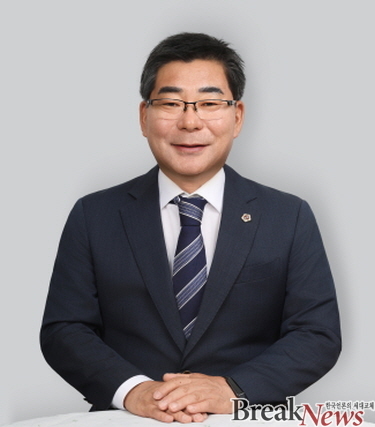
 ▲ 서삼석 의원은 “김 생산에 활용되는 굴 패각은 99%가 중국산으로 최근 5년간 수입액만 140 억원에 달한다”라며, “반면, 대한민국의 굴은 전 세계 생산 2위임에도 활용되지 않아 대한민국 실정에 맞게 국산 패각을 활용할 수 있는 예산을 확보하여 어가의 부담을 해소해야 한다”라고 주장했다. © 김충열 정치전문기자 |
쌀 대신 콩 재배 장려한 만큼 비축 예산도 확대해야
국회 농림축산식품해양수산위원회 더불어민주당 서삼석 의원(영암 ‧ 무안 ‧ 신안)은 "윤석열 전 정부가 쌀 재배면적 감축 정책으로 콩 재배를 장려하며 비축 생산물량 보관 ‘비축사업’으로 '25년도 콩을 6 만톤 비축하겠다고 계획을 수립했으나, 정작 편성 예산은 3 만톤 수준으로 나머지 3 만톤에 대해서는 수매실시기관인 농협이 책임져야 하는 실정이다”라며, “'23~'24년 미지급액도 1,300 여억원이 남은 상황에서 콩 비축예산 부족으로 생산 전량을 수매하지 않을 경우 지역조합의 경제적 부담이 늘어날 우려가 있어 '25년 부족 비축금액과 미지급액을 처리할 수 있도록 제 2차 추경안에 필요 예산을 증액해야 한다”고 강조했다.
세계 생산 2위 국산 굴, 김 생산엔 중국산 패각이 99% 활용
김 생산기반인 굴 패각의 국산화도 요구됐다. 서 의원은 “김 생산에 활용되는 굴 패각은 99%가 중국산으로 최근 5년간 수입액만 140 억원에 달한다”라며, “반면, 대한민국의 굴은 전 세계 생산 2위임에도 활용되지 않아 대한민국 실정에 맞게 국산 패각을 활용할 수 있는 예산을 확보하여 어가의 부담을 해소해야 한다”라고 주장했다.
가축전염병, 지자체 재정자립도 따라 정부 책임 늘려야
가축 전염병 발생에 따른 농식품부와 지자체 간 방역비 부담 실태에 대해서도 질타가 이어졌다. 서 의원은 “제 1종 가축전염병은 중앙정부와 지방정부가 방역비를 반반씩 부담하나, 지난 3월 구제역 발생으로 피해를 입은 영암군의 경우 재정자립도가 11% 로 전국 지자체 평균 재정자립도 49%에 비해 뒤떨어져 재정적 부담이 클 수밖에 없다”라며, “법상 가축전염병 확산을 막기 위해 활용된 비용에 대해 국가가 지방정부에 추가 지원을 해야 한다고 규정하고 있어 필요 예산을 편성하는 한편, 관련 규정도 중앙정부 책임을 더 강화해 개정해야 한다”라고 지적했다. hpf21@naver.com
* 아래는 위 기사를 '구글 번역'으로 번역한 영문 기사의 [전문]입니다. '구글번역'은 이해도 높이기를 위해 노력하고 있습니다. 영문 번역에 오류가 있을 수 있음을 전제로 합니다.
*The following is [the full text] of the English article translated by 'Google Translate'. 'Google Translate' is working hard to improve understanding. It is assumed that there may be errors in the English translation.
Rep. Seo Sam-seok: “Agricultural and fishery livelihood support budget needs to be organized... Reserve budget needs to be expanded”
“25-year soybean reserves are 60,000 tons, but the budget is only half that amount
During the deliberation process of the ‘2025 2nd Supplementary Budget’ submitted to the National Assembly Agriculture, Food, Rural Affairs, Oceans and Fisheries Committee, it was pointed out that a budget for revitalizing agriculture and fisheries is necessary.
As the cultivation of soybeans instead of rice is encouraged, the reserve budget should also be expanded.
Rep. Seo Sam-seok (Yeongam, Muan, Sinan), a member of the National Assembly Agriculture, Food, Rural Affairs, Oceans and Fisheries Committee and the Democratic Party of Korea, emphasized, “The former Yoon Seok-yeol government established a plan to reserve 60,000 tons of soybeans by 2025 as a ‘reserve project’ to store reserve production volume while encouraging soybean cultivation through a policy to reduce rice cultivation area, but the actual budget is only 30,000 tons, and the purchasing agency, Nonghyup, is responsible for the remaining 30,000 tons.” He added, “With the remaining unpaid amount of 130 billion won for 2023-2024, there is concern that the economic burden on local cooperatives will increase if the entire production volume is not purchased due to the insufficient reserve budget for soybeans. Therefore, the necessary budget should be increased in the second supplementary budget so that the insufficient reserve amount and unpaid amount for 2025 can be handled.”
World's 2nd largest domestic oyster producer, 99% of seaweed production uses Chinese shells
Domestic production of oyster shells, the basis of seaweed production, was also demanded. Rep. Seo said, "99% of oyster shells used in seaweed production are from China, and the import amount over the past 5 years alone has reached 14 billion won," and argued, "On the other hand, South Korea's oysters, which are the 2nd largest in the world, are not being used, so we need to secure a budget that can utilize domestic shells in accordance with South Korea's circumstances and relieve the burden on fishermen."
Government responsibility should be increased along with livestock infectious diseases and local government financial independence
There was also criticism about the actual state of quarantine costs between the Ministry of Agriculture, Food and Rural Affairs and local governments due to the outbreak of livestock infectious diseases. Rep. Seo said, “For the first class livestock infectious disease, the central and local governments share the quarantine costs equally, but in the case of Yeongam-gun, which suffered damage from the foot-and-mouth disease outbreak last March, its financial self-sufficiency rate was 11%, which is lower than the national average of 49% for local governments, so the financial burden is bound to be large.” He pointed out, “The law stipulates that the state should provide additional support to local governments for costs used to prevent the spread of livestock infectious diseases, so while allocating the necessary budget, the related regulations should also be revised to strengthen the central government’s responsibility.” hpf21@naver.com