미중 기술전쟁의 포화 속에서 우리는 다시 문명의 본질을 묻게 된다. AI, 반도체, 5G, 위성정보, 우주기술 등 겉으로는 기술패권의 다툼 같지만, 그 이면은 문명과 시스템의 충돌이다. 이 경쟁에서 미국은 여전히 세계 표준을 규정하고, 중국은 거센 추격의 채찍을 휘두르고 있다. 그런데도 미국은 여전히 흔들리지 않는다. 왜 그럴까? 그 근원은 단순한 기술력이나 군사력이 아니라, 문명을 떠받치는 시스템의 강건함(Civilizational Resilience)에 있다. 미국의 힘은 개방성(Openness)과 자정능력(Self-Correcting Capability)에서 나온다.
 ▲ 도널드 트럼프(왼쪽) 미국 대통령과 시진핑 중국 국가주석(오른쪽). ©AP/뉴시스 |
대통령이 누구든, 피부색이 무엇이든, 미국의 시스템은 작동한다. 사법부의 독립, 언론의 자유, 인재의 이민 유입, 기업가정신의 보호—이 모든 요소가 복합적으로 작용하며 미국은 기술·경제·안보의 중심축을 지탱하고 있다. 실패를 인정하고, 때로는 최고 권력자조차 법의 심판대에 세우는 자정능력은 미국이 무너지지 않는 이유다. 반면 중국은 다르다. 민간기업이라 해도 공산당의 그림자에서 자유롭지 않고, 모든 전략은 국가 권력의 명령으로 수렴된다. 화웨이의 생존도 그 기술력보다는 중국이라는 국가가 직접 떠받친 결과다. 미국은 시스템의 나라이고, 중국은 권력의 나라다. 이 두 체제의 충돌은 결국 문명의 충돌이다.
문제는 이 거대한 충돌 한가운데 놓인 한국의 외교다. 이재명 정부는 균형 외교를 내세우지만, 실상은 눈치보기와 회피로 일관하는 인상을 지우기 어렵다. 대미 외교는 애매하고, 대중 기류는 오히려 기울어져 있다. 최근 한국의 대표 방산기업이 미국 해군의 함정 정비사업에서 탈락한 것도 기술력의 문제가 아니라, 정보보안에 대한 신뢰 결여가 결정적이었다는 분석이 나온다.
상황은 더 엄혹해지고 있다. 트럼프의 백악관 복귀로 세계는 힘의 외교 시대로 급속히 회귀 중이다. 바이든 전 미국 대통령은 민주주의 연대와 동맹 가치를 앞세웠지만, 트럼프는 돈 없는 동맹은 필요 없다는 실리적 계산을 앞세운다. 그런 미국에겐 한국이 전략적 파트너가 아니라 거래 상대에 불과할 수도 있다. 이런 판에서 균형 외교는 허상에 불과하다. 미국은 분명한 선택을 요구할 것이고, 중국은 그 모호함을 불신으로 되갚을 것이다.
이제 필요한 것은 실용이다. 실용외교란 국익을 중심으로 한 선명한 선택이다. 경제는 글로벌 시장 원칙을 따르되, 안보는 확고한 동맹을 기반으로 해야 한다. 미국의 기술동맹 체계에서 한국이 신뢰를 잃는 순간, AI·반도체·5G·위성정보·우주기술같은 미래 전략산업은 다른 나라의 몫이 될 것이다. 동시에 중국과는 정치·안보적 거리는 분명히 하되, 경제협력은 비정치적 민간 채널을 통해 유연하게 관리하는 투 트랙 접근이 필요하다.
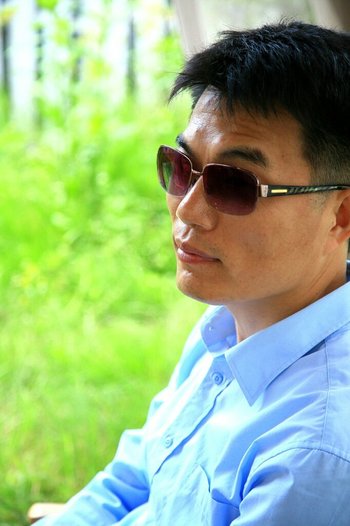
 ▲필자/ 김정기 <대한민국과 세계 이야기>의 저자. ©브레이크뉴스 |
지금 세계는 미국 중심의 세계질서인 팍스 아메리카나(Pax Americana) 2.0이라는 새로운 질서 속으로 진입하고 있다. 트럼프의 귀환은 미국 중심의 동맹 재편과 서열 조정으로 이어질 것이며, 거기서 실시간으로 적응하지 못하는 국가는 전략적 고립을 피하기 어렵다. 전략적 고아가 되는 길은, 선택을 미룬 대가로 주어질 것이다. 미국은 왜 100년을 가는가? 그 답은 무력의 크기가 아니라, 무너지지 않는 문명의 시스템에 있다. 지금 한국 외교에 필요한 것은 줄타기가 아니라 설계이고, 감정이 아니라 생존 전략이다. 대한민국이 이 격랑 속에서 살아남으려면 문명의 기반 위에 선 실용적 결단만이 유일한 해답이다. 기술도, 신뢰도, 그리고 미래도 오직 그것에 달려 있다. jeongkeekim@naver.com
*필자/김정기
● 학력
- 뉴욕주립대학교(Stony Brook) 정치학과 수석 졸업
- 마케트대학교(Marquette) 로스쿨 법학박사
- 하버드대학교(Harvard) 케네디스쿨 최고위 과정
- 베이징대학교(Peking) 북한학 연구학자
● 경력
- 세계스마트시티기구(WeGO) 사무총장 (현)
- 유엔 국제전기통신연합 (UN ITU) 가상세계 및 AI 글로벌 이니셔티브 집행위원(현)
- 아시아태평양지방정부네트워크(CityNet) 대표
- 제8대 주상하이 대한민국 총영사(13등급 대사)
- 2010 상하이엑스포 대한민국관 정부대표
- 제17대 대선 한나라당 이명박 대통령 후보 국제위원장
- 제20대 대선 국민의힘 윤석열 대통령 후보 정치개혁 공약 총괄
- 제21대 대선 국민의힘 김문수 대통령 후보 외교고문
- 자유한국당 오세훈 당대표 후보 SH전략회의 총괄 및 조직본부 총괄본부장
- 자유한국당 서울시장 예비후보
- 법무법인 대륙아주 중국 총괄 미국변호사
- 난징대학교 국제경제연구소 객좌교수
- 동국대학교 경영전문대학원 석좌교수
- 숭실사이버대학교 총장
● 저서
1. 대학생을 위한 거로영어연구[전 10권](거로출판사)
2. 나는 1%의 가능성에 도전한다(조선일보사)
3.<한국형 협상의 법칙> 저자.
4.<대한민국과 세계 이야기>의 저자.
*아래는 위 기사를 '구글 번역'으로 번역한 영문 기사의 [전문]입니다. '구글번역'은 이해도 높이기를 위해 노력하고 있습니다. 영문 번역에 오류가 있을 수 있음을 전제로 합니다.<*The following is [the full text] of the English article translated by 'Google Translate'. 'Google Translate' is working hard to improve understanding. It is assumed that there may be errors in the English translation.>
[In-depth Analysis of the US-China Technology War] Why is American Civilization Lasting 100 Years?
The Unstable Present and Survival Strategy of Korean Diplomacy in the US-China Technology War
-Columnist Kim Jeong-gi
In the midst of the US-China technology war, we are once again asking about the essence of civilization. On the surface, it seems like a fight for technological hegemony in AI, semiconductors, 5G, satellite information, and space technology, but behind it is a clash of civilization and systems. In this competition, the US still sets the world standard, and China is swinging the whip of fierce pursuit. Nevertheless, the US is still unwavering. Why is that? The source is not simply technological prowess or military power, but the robustness of the system that supports civilization (civilizational resilience). America’s power comes from openness and self-correcting capability. No matter who the president is or what color his skin is, the US system works. The independence of the judiciary, freedom of the press, the influx of talented immigrants, and the protection of entrepreneurship—all of these factors work together to support the U.S. as the center of technology, economy, and security. The ability to admit failure and sometimes even bring the most powerful to justice is the reason why the U.S. does not collapse. On the other hand, China is different. Even private companies are not free from the shadow of the Communist Party, and all strategies converge on the orders of state power. Huawei’s survival is not due to its technological prowess, but rather to the direct support of the state of China. The U.S. is a country of systems, and China is a country of power. The clash between these two systems is ultimately a clash of civilizations.
The problem is Korea’s diplomacy, which is caught in the middle of this huge clash. The Lee Jae-myung administration claims to pursue balanced diplomacy, but it is difficult to erase the impression that it is actually consistent in watching and avoiding things. Its diplomacy toward the U.S. is ambiguous, and public sentiment is rather tilted. Some say that the recent failure of a major Korean defense company to win a U.S. Navy ship maintenance project was not due to a problem of technological prowess, but rather to a lack of trust in information security. The situation is becoming more dire. With Trump’s return to the White House, the world is rapidly returning to an era of power diplomacy. Former US President Biden emphasized democratic solidarity and alliance values, but Trump is pushing forward the pragmatic calculation that alliances without money are not necessary. To such a US, Korea may not be a strategic partner but merely a trading partner. In this situation, balanced diplomacy is nothing more than an illusion. The US will demand a clear choice, and China will repay that ambiguity with distrust.
What is needed now is practicality. Pragmatic diplomacy is a clear choice centered on national interests. The economy should follow global market principles, but security should be based on a firm alliance. The moment Korea loses trust in the US’s technological alliance system, future strategic industries such as AI, semiconductors, 5G, satellite information, and space technology will fall to other countries. At the same time, a two-track approach is needed that clearly distances Korea from China in political and security terms, while flexibly managing economic cooperation through non-political private channels.
The world is now entering a new order called Pax Americana 2.0, a US-centered world order. Trump’s return will lead to a reorganization of alliances and a reordering of the order centered on the US, and countries that fail to adapt in real time will find it difficult to avoid strategic isolation. The path to becoming a strategic orphan will be given as a price for postponing the choice. Why has the US lasted 100 years? The answer lies not in the size of its military power, but in its unbreakable system of civilization. What is needed for Korean diplomacy now is not tightrope walking, but design, and not emotion, but a survival strategy. If the Republic of Korea is to survive this turbulent time, a pragmatic decision based on the foundation of civilization is the only answer. Technology, reliability, and the future depend solely on it. jeongkeekim@naver.com
*Author/Kim Jeong-gi
● Education
- Graduated from Stony Brook University, Department of Political Science with honors
- Doctor of Law, Marquette University School of Law
- Harvard Kennedy School, Senior Program
- Peking University, North Korean Studies Research Scholar
● Career
- Secretary General of the World Smart Cities Organization (WeGO) (current)
- Executive Committee Member of the Virtual World and AI Global Initiative of the United Nations International Telecommunication Union (UN ITU) (current)
- Representative of the Asia-Pacific Local Government Network (CityNet)
- 8th Consul General of the Republic of Korea in Shanghai (13th Ambassador)
- Government Representative of the Republic of Korea Pavilion at the 2010 Shanghai Expo
- Chairman of the International Affairs Committee of the 17th Presidential Election, Grand National Party, Lee Myung-bak
- General Manager of the 20th Presidential Election, People Power Party, Yoon Seok-yeol
- Foreign Affairs Advisor of the 21st Presidential Election, People Power Party, Kim Moon-soo
- Liberty Korea Party Oh Se-hoon, candidate for party leader, SH Strategy Conference, General Manager and Organization Headquarters General Manager
- Liberty Korea Party Seoul Mayor Candidate
- Law Firm Continental Aju, General Manager of China, American Lawyer
- Visiting Professor, Nanjing University International Economic Research Institute
- Dongguk University Graduate School of Business, Distinguished Professor
- President, Soongsil Cyber University
● Books
1. Georo English Studies for College Students [10 Volumes] (Georo Publishing)
2. I Challenge the 1% Possibility (Chosun Ilbo)
3. Author of <The Laws of Korean Negotiation>.
4. Author of <The Story of the Republic of Korea and the World>.