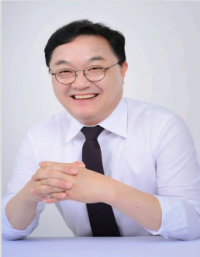
▲ 필자/김정기 미국변호사. ©브레이크뉴스 |
2025년, 대한민국 경제가 사상 초유의 무역 위기에 직면했다. 세계 수출의 양대 축인 미국과 중국 시장에서 동시에 무역 적자가 터져 나오고 있다. 이는 단순한 통계적 수치가 아니다. 국가 경제의 근간을 뒤흔드는 경고등이며, 지금 이 순간 한국 경제는 생존의 기로에 섰다.
먼저 미국 시장부터 보자. 2024년 556억 달러 흑자에서 2025년 상반기 무려 602억 달러 적자로 급전환되었다. 충격적일 뿐 아니라, 이 추세가 지속된다면 한국의 무역 구조는 근본적으로 흔들릴 수밖에 없다. 중국과의 교역 상황도 마찬가지다. 2024년 50억 달러 적자였고, 중국 내수 둔화와 한국 제품 경쟁력 약화가 이른바 연쇄적 위기를 가속시키고 있다. 2025년엔 60억 달러 이상 적자가 불가피한 상황이다.
이처럼 양대 시장에서 동시다발적으로 적자가 확대되는 상황은 경제의 사면초가를 의미한다. 수출 주도형 경제라는 한 축이 무너지고 있는 가운데, 국내 기업들은 노란봉투법, 중대재해처벌법 등 각종 규제 폭탄에 눌려 투자 위축과 일자리 감소라는 악순환에 빠져들고 있다. 규제 강화에 따른 기업 환경 악화는 글로벌 경쟁력 회복의 발목을 잡는 족쇄가 되고 있다.
한국 경제가 살 길은 단 하나다. 수출 시장 다변화를 통한 리스크 분산과 첨단 산업 고도화다. 미국과 중국에 쏠려있는 수출 구조를 벗어나 인도, 아세안 등 신흥 시장을 집중 공략해야 한다. AI, 반도체, 바이오, 전기차 등 미래 먹거리 산업에 과감한 투자와 지원을 쏟아 부어야 한다. 고부가가치 산업의 육성 없이는 지속 가능한 성장도, 국가 경쟁력 강화도 불가능하다.
국내 경제 환경 역시 근본적으로 바뀌어야 한다. 기업하기 어렵고 투자 꺼리는 환경에서 경쟁력을 기대하는 것은 망상이다. 과도한 규제를 걷어내고 기업 활동의 자유를 확대하는 것이 시급하다. 특히 법인세 인상은 이제 즉각 철회돼야 한다. 2026년부터 법인세 최고세율이 OECD 평균을 넘어서며 싱가포르, 베트남 등 경쟁국보다 훨씬 높은 부담을 지우는 것은 한국 경제에 재앙이다. 기업들은 투자 위축, 해외 이전 가속화를 우려하며 경고음을 내고 있다. 중소기업들은 회계 전략과 해외 진출의 취약성으로 더욱 치명적이다.
 ▲ 현대자동차 양산센터 ©현대자동차 |
더욱이 노란봉투법과 상법 2차 개정안 등 규제 법안들이 줄줄이 국회를 통과할 조짐을 보이고 있다. 자동차, 조선, 철강, 건설 등 다단계 협업 산업의 생태계를 무너뜨릴 가능성이 크다. 노조의 교섭력 강화가 산업 경쟁력 저하와 생태계 붕괴를 초래할 수 있다는 우려는 결코 가볍게 볼 문제가 아니다.
이재명 정부가 내놓은 친기업 정책들은 표면적인 약속에 그치고 있다. 규제 전수조사와 선(先)허용 후(後)규제 체제 전환, 100조 원 규모 성장펀드 조성 등은 선언에 불과하다. 법 개정과 입법 난항을 감안하면 실질적 성과가 나오기까지는 시간이 필요하다. 한국 경제가 숨 가쁘게 변화하는 글로벌 무역 환경에 대응하는 데는 너무 늦은 감마저 있다.
2025년은 한국 경제의 중대 전환점이다. 지금 이 위기를 돌파하지 못하면, 국가 경제의 미래는 암울할 수밖에 없다. 정부와 기업, 사회 모두가 총력을 다해 수출 다변화, 첨단 산업 육성, 규제 완화, 내수 활성화 정책을 동시에 강력히 추진해야 한다. 선택지는 없다. 혁신만이 살길이다.
한국 경제의 미래는 이제 우리의 결단에 달려 있다. 더 이상 미룰 시간이 없다. 전면적 혁신과 과감한 변화로 국가 경제의 존망을 건 승부에 나서야 한다. jeongkeekim@naver.com
*필자/김정기
● 학력
- 뉴욕주립대학교(Stony Brook) 정치학과 수석 졸업
- 마케트대학교(Marquette) 로스쿨 법학박사
- 하버드대학교(Harvard) 케네디스쿨 최고위 과정
- 베이징대학교(Peking) 북한학 연구학자
● 경력
- 세계스마트시티기구(WeGO) 사무총장 (현)
- 유엔 국제전기통신연합 (UN ITU) 가상세계 및 AI 글로벌 이니셔티브 집행위원(현)
- 아시아태평양지방정부네트워크(CityNet) 대표
- 제8대 주상하이 대한민국 총영사(13등급 대사)
- 2010 상하이엑스포 대한민국관 정부대표
- 제17대 대선 한나라당 이명박 대통령 후보 국제위원장
- 제20대 대선 국민의힘 윤석열 대통령 후보 정치개혁 공약 총괄
- 제21대 대선 국민의힘 김문수 대통령 후보 외교고문
- 자유한국당 오세훈 당대표 후보 SH전략회의 총괄 및 조직본부 총괄본부장
- 자유한국당 서울시장 예비후보
- 법무법인 대륙아주 중국 총괄 미국변호사
- 난징대학교 국제경제연구소 객좌교수
- 동국대학교 경영전문대학원 석좌교수
- 숭실사이버대학교 총장
● 저서
1. 대학생을 위한 거로영어연구[전 10권](거로출판사)
2. 나는 1%의 가능성에 도전한다(조선일보사)
3.<한국형 협상의 법칙> 저자.
4.<대한민국과 세계 이야기>의 저자.
*아래는 위 기사를 '구글 번역'으로 번역한 영문 기사의 [전문]입니다. '구글번역'은 이해도 높이기를 위해 노력하고 있습니다. 영문 번역에 오류가 있을 수 있음을 전제로 합니다.<*The following is [the full text] of the English article translated by 'Google Translate'. 'Google Translate' is working hard to improve understanding. It is assumed that there may be errors in the English translation.>
This Year's Korean Trade Crisis and Overcoming Measures: "A Path to Innovation in a Time of Trouble"
"We Must Embark on a Battle for the Survival of the National Economy Through Comprehensive Innovation and Bold Change"
- Columnist Kim Jeong-gi
In 2025, the South Korean economy faces an unprecedented trade crisis. Simultaneous trade deficits are emerging in the US and Chinese markets, the two largest export markets in the world. This is not simply a statistical figure. It is a warning sign that shakes the very foundations of the national economy, and the Korean economy stands at a crossroads of survival.
Let's first look at the US market. It has suddenly shifted from a surplus of $55.6 billion in 2024 to a deficit of $60.2 billion in the first half of 2025. This is not only shocking, but if this trend continues, Korea's trade structure will inevitably be fundamentally shaken. The same applies to trade with China. A $5 billion deficit was recorded in 2024, and the slowdown in Chinese domestic demand and the weakening competitiveness of Korean products are accelerating the so-called chain reaction crisis. A deficit exceeding $6 billion is inevitable by 2025.
Such simultaneous expansion of deficits in both major markets signals a crisis for the economy. With the export-driven economy crumbling, domestic companies are being burdened by various regulatory hurdles, such as the Yellow Envelope Act and the Serious Disaster Punishment Act, falling into a vicious cycle of shrinking investment and job losses. The deteriorating business environment caused by tightening regulations is hindering the recovery of global competitiveness.
The only way for the Korean economy to survive is through risk diversification through export market diversification and the advancement of advanced industries. We must move beyond our export structure, which is heavily reliant on the US and China, and focus on emerging markets like India and ASEAN. We must boldly invest and support future growth industries such as AI, semiconductors, biotechnology, and electric vehicles. Without fostering high value-added industries, sustainable growth and strengthening national competitiveness are impossible.
The domestic economic environment must also fundamentally change. Expecting competitiveness in an environment where business is difficult and investment is discouraged is a delusion. It is urgent to remove excessive regulations and expand corporate freedom. In particular, the corporate tax increase must be immediately withdrawn. The top corporate tax rate, which will exceed the OECD average starting in 2026, imposing a significantly higher burden on Korean businesses than competitors like Singapore and Vietnam, is disastrous for the Korean economy. Companies are sounding the alarm, fearing a decline in investment and accelerated overseas relocation. Small and medium-sized enterprises (SMEs) are particularly vulnerable due to their accounting strategies and vulnerabilities in overseas expansion.
Furthermore, regulatory bills, including the Yellow Envelope Act and the second amendment to the Commercial Act, are showing signs of passing through the National Assembly. This poses a significant risk of disrupting the ecosystems of multi-level collaborative industries such as automobiles, shipbuilding, steel, and construction. Concerns that strengthening union bargaining power could lead to a decline in industrial competitiveness and the collapse of the ecosystem are not to be taken lightly.
The pro-business policies of the Lee Jae-myung administration are nothing more than superficial promises. The comprehensive regulatory review, the transition to a regulatory-first-approval-then-regulation system, and the creation of a 100 trillion won growth fund are mere declarations. Given the challenges of legal revisions and legislation, it will take time to see tangible results. It feels too late for the Korean economy to adapt to the rapidly changing global trade environment.
2025 marks a critical turning point for the Korean economy. If we fail to overcome this crisis now, the future of the national economy will inevitably be bleak. The government, businesses, and society must all work together to aggressively pursue policies to simultaneously diversify exports, foster cutting-edge industries, deregulate, and stimulate domestic demand. There are no alternatives. Innovation is the only way to survive.
The future of the Korean economy now rests in our hands. There is no time to delay. We must embrace a decisive battle for the survival of the national economy through comprehensive innovation and bold change. jeongkeekim@naver.com
*Author/Kim Jeong-gi
● Education
- Graduated summa cum laude from the State University of New York (Stony Brook) with a degree in Political Science
- Doctor of Law, Marquette Law School
- Graduated from Harvard Kennedy School of Government
- North Korean Studies Research Scholar, Peking University
● Career
- Secretary General of the World Smart Cities Organization (WeGO) (current)
- Executive Committee Member, Virtual World and AI Global Initiative, UN International Telecommunication Union (UN ITU) (current)
- Representative of the Asia-Pacific Local Government Network (CityNet)
- 8th Consul General of the Republic of Korea in Shanghai (Ambassador, Class 13)
- Government Representative, Republic of Korea Pavilion, 2010 Shanghai Expo
- Chairman of the International Affairs Committee, Grand National Party (GNP) Presidential Candidate Lee Myung-bak in the 17th Presidential Election
- Chief of Political Reform Pledges, People Power Party Presidential Candidate Yoon Seok-yeol in the 20th Presidential Election
- Foreign Affairs Advisor, People Power Party Presidential Candidate Kim Moon-soo in the 21st Presidential Election
- Liberty Korea Party Oh Se-hoon, candidate for party leadership, SH Strategy Council, and General Manager of the Organization Headquarters
- Liberty Korea Party's preliminary candidate for Seoul mayor
- American attorney, China representative, Continental Aju Law Firm
- Visiting Professor, Nanjing University International Economics Institute
- Distinguished Professor, Dongguk University Graduate School of Business
- President, Soongsil Cyber University
● Books
1. Georo English Studies for University Students [10 Volumes] (Georo Publishing)
2. I Challenge the 1% Chance (Chosun Ilbo)
3. Author of <The Laws of Korean Negotiation>
4. Author of <The Story of Korea and the World>