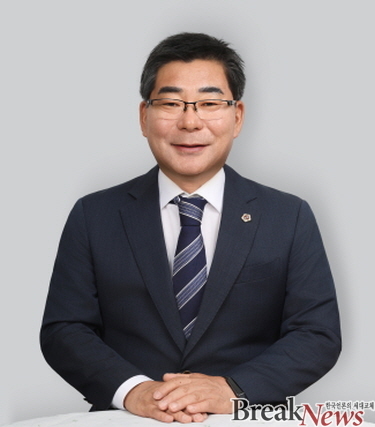
▲필자/ 김정기 Korea and the World (Advance Reader Copy)의 저자. ©브레이크뉴스 |
'정의란 무엇인가?' 마이클 샌델 교수는 이 질문에 대해 세 가지 대표적 정의관을 제시했다. 다수의 행복을 극대화하는 공리주의, 개인의 자유를 최우선하는 자유지상주의, 그리고 개인의 도덕성과 공동체의 가치를 아우르는 덕과 공동선론이다. 이 세 관점은 때로 충돌하지만, 샌델은 진정한 정의를 실현하기 위해 공동체적 책임과 도덕적 용기가 필수적이라고 강조한다.
○ 한국 보수가 지금 마주한 위기는 바로 이 지점에서 비롯된다
오늘날 우리 보수는 법치가 무너지고 불의가 만연한 현실 앞에서도 침묵으로 일관한다. 때가 아니라며 스스로를 옭아매고, 눈앞의 불의를 외면한다. 그 결과 공리주의적 성과인 경제 안정과 안보 강화, 자유주의적 가치인 자유와 재산권, 그리고 공동체의 도덕성 어느 것 하나 온전히 지켜지지 못했다.
역사는 냉혹하다. 1930년대 독일 보수 엘리트들이 국가 안정을 명분으로 히틀러의 독재를 방치했을 때 민주주의는 단숨에 붕괴했다. 우리 현대사 또한 권위주의 폭력 앞에서 침묵했던 세력이 결국 국민의 심판을 받았음을 잊어선 안 된다.
샌델이 말한 옳은 것을 옳다고 말하는 용기가 사라진 보수는 존재 이유를 상실할 수밖에 없다.
조선시대 선비들은 의(義)를 생명보다 중히 여겼다. 목숨을 걸고 옳은 일을 행하는 용기는 동아시아 유교 사회가 정의를 얼마나 소중히 여겼는지를 보여준다. 그들은 농업시대 토지를 소유한 지주로서 현대판 CEO처럼 안정적인 경제적 기반을 갖추고 있어 벼슬을 잃거나 목숨이 위태로워도 권력 앞에서 두려움 없이 진실을 말할 수 있었다. 이는 권력에 굴복하지 않는 진정한 용기의 상징이었다.
반면 오늘날 한국의 보수정당 엘리트들은 고비용 구조인 정치 활동에 필요한 든든한 경제적 기반을 갖추지 못한 채, 급격한 사회 구조 변화 속에서 미래가 보장되지 않은 불안정한 상황에 놓여 있다. 옳은 말을 하면 현상이 깨질 수 있다는 두려움이 커져 필요한 비판과 견제를 제대로 하지 못한다. 경제적 기반이 취약한 상황에서 용기 내어 바른 말을 하기 어렵고, 결과적으로 침묵하거나 계산적인 태도를 보이는 비겁함이 팽배하다.
보수가 침묵하는 사이에 법치주의가 흔들리고 공동체의 근본마저 위태로워지고 있다. 정의란 공동체를 위한 용기와 책임이다. 지금이야말로 한국 보수가 조선시대 선비 정신으로 돌아가야 할 때다. 두려움 없이 진실을 말하고 권력 앞에서 담대할 수 있는 용기를 회복해야 한다. 진정한 보수란 기득권에 얽매이지 않고 공동체 정의를 실현하는 정신에 있다.
○ 한국 보수를 살리기 위해서 구조적개혁이 필요하다
현실은 어렵지만, 한국 보수가 나아갈 길은 정의와 구조적 안정의 결합뿐이다. 즉, 도덕적 용기와 경제적 기반을 동시에 갖추는 것이 보수 재건의 핵심이다. 정의 없는 보수는 존재 이유를 상실하지만, 정의를 지키기 위해서는 안정적 구조가 뒷받침되어야 한다. 한국 보수가 살아남고 국민 신뢰를 회복하기 위해서는 다음과 같은 구조적 개혁이 필수적이다.
첫째, 정치 주체의 다양화가 필요하다.
지금까지 보수정당은 판·검사, 행정고시 출신 고위 관료, 언론인, 교수 등 소수 중앙 엘리트에게 과도하게 의존해 왔다. 이들은 고도의 전문성과 막강한 영향력을 갖추었지만, 낙선 시 법조인을 제외하고 직업 복귀가 어려워 정치 실패가 곧 생존 위기로 직결된다. 국가와 당의 이익보다 개인의 생존을 우선시할 수밖에 없는 구조적 약점이 있다는 것이다. 이제는 이런 악순환을 끊어야 한다. 기존의 중앙 엘리트에 의존하는 구조를 넘어, 지역사회 리더와 지역 변호사를 비롯한 전문가 집단, 중소기업가, 시민 활동가 등 지역에서 경제 사회적 기반이 안정된 인물들을 적극적으로 영입함으로써 정치의 저변을 넓히고 대표성을 한층 강화해야 한다.
둘째, 정치 자금의 제도화가 핵심 과제다.
한국 정치의 가장 큰 약점은 안정적인 자금원이 없다는 데 있다. 고비용 구조의 선거를 치르면서도 기업 후원은 금지되고 개인 후원은 활성화되지 않아 정치인은 권력에 의존하거나 불투명한 자금에 기대는 악순환에 빠져 있다. 이를 개선하려면 후원 행사(donation party)와 온라인 소액 기부 같은 개미 후원(grassroot donations)을 제도화해 시민 다수가 정치 자금의 주체로 참여하도록 해야 한다. 그러나 개인 후원에는 상한선이 있어 재정 자립도를 획기적으로 높이기는 어렵고, 후보와 직접 협의하지 않는 조건으로 무제한 후원이 가능한 미국식 슈퍼 PAC 제도 역시 돈의 정치로 변질될 위험이 크다. 따라서 한국 현실에 맞는 근본적 해법은 공적 선거 보조금을 투명하게 설계해 고비용 정치 구조 자체를 완화하는 데 있다.
셋째, 지속 가능한 정치 생태계의 구축이다
한국 정치의 가장 큰 약점은 단명 구조다. 국회의원은 4년마다 절반 이상이 교체되고, 낙선자는 곧바로 정치 무대에서 퇴장하거나 정치 낭인으로 전락한다. 영남에서는 보수 정당 공천만 받으면 살아남을 수 있지만, 그 대가로 정치적 성장은 멈추고 식물 정치인으로 남는 경우가 많다. 반대로 수도권은 인물 경쟁력이 있음에도 불구하고 보수 진영에 불리한 선거 지형 탓에 낙선이 반복된다. 결국 정치인의 경험과 정책이 축적될 기회는 사라지고, 남는 것은 단기 성과에 매달리는 얄팍한 정치뿐이다.
이 악순환을 끊는 해법은 분명하다. 바로 선거제 개편이다. 현행 소선거구제를 중대선거구제로 바꾸면, 1등만 살아남는 구조가 깨지고 ‘은메달’로도 정치 무대에 진입할 수 있다. 그렇게 되면 수도권에서 낙선만 거듭하던 보수 정치인에게도 길이 열리고, 국회는 보다 다양한 목소리를 담아낼 수 있다. 정치가 단기전이 아니라 장기적인 경력 관리와 정책 축적의 장으로 바뀌게 되는 것이다.
여기에 더해 낙선자의 경험을 흡수할 수 있는 정치 생태계가 필요하다. 정당 싱크탱크와 정책 네트워크를 강화해 낙선자들이 연구와 활동을 이어가도록 해야 한다. 그렇게 되면 선거 결과에 따라 정치적 자원이 허공으로 흩어지는 일이 사라지고, 오히려 국가적 과제를 발전시키는 자양분으로 축적될 수 있다.
넷째, 정치적 신뢰와 안정성을 회복해야 한다.
한국 정치의 불안정성은 유권자의 잦은 물갈이 성향과 검찰·언론의 정치 개입에서 비롯된다. 정치인은 언제든 사냥감이 될 수 있다는 불안 속에서 독립적인 선택을 하기 어렵다. 이를 해결하려면 유권자 교육을 강화해 정당 중심이 아닌 인물 중심의 책임정치 문화를 확립해야 한다. 동시에 검찰과 언론의 정치 개입을 제도적으로 제어하고, 선거제도를 합리적으로 개혁해 정치적 안정성을 보장해야 한다.
사람이 없고, 돈이 부족하면 도덕성도, 정책도, 신뢰도 지킬 수 없다. 보수 개혁의 출발점은 정치 주체의 다양화와 정치 자금 구조 개혁이다. 그 위에 지속 가능한 정치 생태계, 신뢰 회복이 차례로 쌓여야 한다. 사람과 돈의 문제를 풀지 못한다면, 그 어떤 개혁도 모래 위의 집에 불과하다. 이제 보수는 뿌리 깊은 구조적 문제를 직시하고, 정치인의 생존이 아니라 국가와 국민을 위한 장기적 정치 구조를 세워야 한다. 그것이 진정한 보수의 재탄생이다.
○ 사람, 돈, 제도의 토대 위에 정의를 세워야 보수는 산다
정치 주체를 다양화하고 경제적, 사회적 기반이 안정된 인물을 수혈하며, 기업과 개인 후원과 정치 자금 조달 구조를 현실화하고, 장기 재임과 낙선 후 생태계를 마련해야 한다. 정의와 용기만으로는 부족하다. 미국처럼 사람과 돈, 제도적 안전망을 갖춘 구조적 토대를 먼저 만들어야 한다. 정의 없는 보수는 생존할 수 없지만, 안정적 환경 없는 정의도 실현될 수 없다.
정의 없는 보수는 더 이상 보수가 아니다. 샌델이 강조했듯이 정의란 공동선을 지키기 위해 행동하는 것이다. 잘못된 길을 봤다면 과감히 돌아서자고 말하고, 법이 무너졌다면 다시 세우자고 외치는 것, 그것이 보수의 존재 이유다. 따라서 침묵을 깨고 불의에 맞서 싸우며, 옳은 것을 옳다고 말해야 한다. 그래야만 국민 앞에 부끄럽지 않은 보수로 돌아갈 수 있다. 그렇지 않으면 보수는 국민의 선택을 영원히 잃고, 역사 속 한 줄 각주로 사라질 것이다.
조선의 선비가 목숨을 걸고 ‘의’를 지켰던 것처럼, 오늘의 보수도 현실의 어려움 속에서 정치적, 도덕적 책임을 다할 용기를 내야 한다. 그 용기가 없다면 정의 없는 보수는 존재 이유를 잃는다.
이제 ‘정의란 무엇인가’라는 근본적 질문 앞에 다시 서서, 한국 보수의 길을 묻고 답해야 할 때다. jeongkeekim@naver.com
*필자/김정기
● 학력
- 뉴욕주립대학교(Stony Brook) 정치학과 수석 졸업
- 마케트대학교(Marquette) 로스쿨 법학박사
- 하버드대학교(Harvard) 케네디스쿨 최고위 과정
- 베이징대학교(Peking) 북한학 연구학자
● 경력
- 세계스마트시티기구(WeGO) 사무총장 (현)
- 유엔 국제전기통신연합 (UN ITU) 가상세계 및 AI 글로벌 이니셔티브 집행위원(현)
- 아시아태평양지방정부네트워크(CityNet) 대표
- 제8대 주상하이 대한민국 총영사(13등급 대사)
- 2010 상하이엑스포 대한민국관 정부대표
- 제17대 대선 한나라당 이명박 대통령 후보 국제위원장
- 제20대 대선 국민의힘 윤석열 대통령 후보 정치개혁 공약 총괄
- 제21대 대선 국민의힘 김문수 대통령 후보 외교고문
- 자유한국당 오세훈 당대표 후보 SH전략회의 총괄 및 조직본부 총괄본부장
- 자유한국당 서울시장 예비후보
- 법무법인 대륙아주 중국 총괄 미국변호사
- 난징대학교 국제경제연구소 객좌교수
- 동국대학교 경영전문대학원 석좌교수
- 숭실사이버대학교 총장
● 저서
1. 대학생을 위한 거로영어연구[전 10권](거로출판사)
2. 나는 1%의 가능성에 도전한다(조선일보사)
3. 한국형 협상의 법칙(청년정신사)
4. 대한민국과 세계 이야기 (도서출판 책미듬)
5. Korea and the World (Advance Reader Copy)
*아래는 위 기사를 '구글 번역'으로 번역한 영문 기사의 [전문]입니다. '구글번역'은 이해도 높이기를 위해 노력하고 있습니다. 영문 번역에 오류가 있을 수 있음을 전제로 합니다.<*The following is [the full text] of the English article translated by 'Google Translate'. 'Google Translate' is working hard to improve understanding. It is assumed that there may be errors in the English translation.>.
The Path of Korean Conservatism: "Courage is Essential"
Silent Conservatives: If They Abandon Justice, They Lose Their Reason for Existence!
- Kim Jeong-gi, Columnist
"What is justice?" Professor Michael Sandel presents three representative perspectives on justice in response to this question: utilitarianism, which seeks to maximize the happiness of the majority; libertarianism, which prioritizes individual freedom; and virtue and the common good, which embraces individual morality and communal values. While these three perspectives sometimes conflict, Sandel emphasizes that communal responsibility and moral courage are essential to achieving true justice.
○ The crisis facing Korean conservatives today stems from this very point.
Today, our conservatives remain silent even in the face of the collapse of the rule of law and rampant injustice. They confine themselves, claiming it's not the right time, and turn a blind eye to the injustice before their eyes. As a result, none of the utilitarian achievements of economic stability and strengthened security, the liberal values of freedom and property rights, or the morality of the community have been fully preserved.
History is cruel. In the 1930s, when Germany's conservative elites condoned Hitler's dictatorship in the name of national stability, democracy collapsed in an instant. We must not forget that in our modern history, those who remained silent in the face of authoritarian violence ultimately faced the judgment of the people.
Conservatism, which Sandel describes as losing the courage to speak out for what is right, inevitably loses its raison d'être.
Scholars of the Joseon Dynasty valued righteousness above life itself. Their courage to risk their lives to do what is right demonstrates how much justice was cherished in East Asian Confucian societies. As landowners who owned land during the agricultural era, they possessed a stable economic foundation, much like modern-day CEOs. This allowed them to speak the truth to power without fear, even at the risk of losing their positions or their lives. This symbolized true courage, a refusal to yield to power.
In contrast, today's conservative elites in Korea lack the solid economic foundation necessary for high-cost political activity, and face an uncertain future amidst rapid social change. The fear that speaking the truth could shatter the status quo grows, hindering the proper critique and checks and balances. With a weak economic foundation, it's difficult to muster the courage to speak the truth, and as a result, cowardice, silence or a calculated attitude, prevails.
While conservatives remain silent, the rule of law is being shaken, and the very foundations of the community are being jeopardized. Justice is courage and responsibility for the community. Now is the time for Korean conservatives to return to the spirit of the Joseon Dynasty scholars. They must regain the courage to speak the truth without fear and to stand boldly before power. True conservatism lies in the spirit of realizing community justice, unbound by vested interests.
○ Structural reform is necessary to revive Korean conservatives.
While the reality is challenging, the only path forward for Korean conservatives lies in the combination of justice and structural stability. In other words, securing both moral courage and an economic foundation is the key to rebuilding the conservative movement. Without justice, conservatives lose their raison d'être, but to uphold justice, a stable structure is essential. For Korean conservatives to survive and regain public trust, the following structural reforms are essential.
First, diversification of political actors is necessary.
Until now, conservative parties have relied excessively on a small number of central elites, including judges, prosecutors, high-ranking officials who passed the civil service examination, journalists, and professors. While these individuals possess advanced expertise and significant influence, political failure directly translates into a survival crisis, as they find it difficult to return to their jobs if they lose an election (except for those in the legal profession). This structural weakness forces them to prioritize their own survival over the interests of the nation and the party. This vicious cycle must now be broken. Beyond the existing reliance on central elites, we must actively recruit individuals with stable economic and social foundations in the region, including community leaders, local lawyers, experts, small business owners, and civic activists. This will broaden the political base and further strengthen representation.
Second, institutionalizing political funding is a key challenge.
The greatest weakness of Korean politics lies in the lack of a stable source of funding. Despite high-cost elections, corporate sponsorship is prohibited and individual donations are inactive, leaving politicians trapped in a vicious cycle of dependence on power or opaque funding. To improve this, grassroots donations, such as donation parties and online small donations, should be institutionalized to encourage the participation of a large number of citizens as political fundraisers. However, individual donations have caps, making it difficult to significantly increase financial independence. Furthermore, the US-style super PAC system, which allows unlimited donations without direct consultation with candidates, also runs the risk of degenerating into money politics. Therefore, a fundamental solution suited to the Korean reality lies in designing public election subsidies transparently to mitigate the high-cost political structure itself.
Third, building a sustainable political ecosystem.
The biggest weakness of Korean politics is its short-lived structure. More than half of the National Assembly members are replaced every four years, and those who lose immediately exit the political stage or become political vagrants. In the Yeongnam region, securing a conservative party nomination can help survive, but the price often comes with a halt in political growth and a decline in political power. Conversely, in the Seoul metropolitan area, despite the competitive nature of the candidates, conservatives repeatedly lose elections due to the unfavorable electoral landscape. Ultimately, the opportunity for politicians to accumulate experience and policies disappears, leaving only shallow politics focused on short-term achievements.
The solution to breaking this vicious cycle is clear: electoral reform. Replacing the current single-member district system with a multi-member district system will break the structure where only the top contenders survive, allowing even "silver medalists" to enter the political arena. This will open doors for conservative politicians who have repeatedly lost in the Seoul metropolitan area, and the National Assembly will be able to reflect a wider range of voices. Politics will shift from a short-term battle to a forum for long-term career development and policy accumulation.
Furthermore, a political ecosystem that can absorb the experiences of those who lost in elections is necessary. Party think tanks and policy networks should be strengthened to enable those who lost to continue their research and activities. This will prevent political resources from being lost to thin air due to election results, and instead, they can be accumulated as nutrients for advancing national agendas.
Fourth, political trust and stability must be restored.
The instability of Korean politics stems from the frequent turnover of voters and the political interference of the prosecution and media. Politicians, fearing they could become prey at any moment, find it difficult to make independent choices. To address this, we must strengthen voter education and establish a culture of responsible politics centered on individuals rather than parties. Simultaneously, we must institutionally control political interference by the prosecution and media, and rationally reform the electoral system to ensure political stability.
Without people and a lack of funds, morality, policies, and trust cannot be maintained. Conservative reform begins with diversifying political actors and reforming the political funding structure. Building on this foundation, a sustainable political ecosystem and the restoration of trust must be built. Without addressing the issues of people and money, any reform is nothing more than a house built on sand. Conservatives must now confront their deep-rooted structural problems and establish a long-term political structure that serves the nation and its people, not just the survival of politicians. This is the true rebirth of conservatism.
Justice must be built on a foundation of people, money, and institutions to survive.
We must diversify political actors, inject individuals with stable economic and social foundations, establish a viable structure for corporate and individual sponsorship and political financing, and establish an ecosystem for long-term tenure and post-election recovery. Justice and courage alone are not enough. We must first establish a structural foundation, like the United States, built on people, money, and an institutional safety net. Conservatives without justice cannot survive, but neither can justice be realized without a stable environment.
Conservatives without justice are no longer conservatives. As Sandel emphasized, justice is about acting to protect the common good. The very purpose of conservatism is to boldly turn back when faced with a wrong path, and to call for re-establishment when the law has been broken. Therefore, we must break the silence, fight against injustice, and declare what is right as right. Only then can we return to a conservative position that is worthy of the public's respect. Otherwise, conservatives will forever lose the people's choice and fade into a footnote in history.
Just as Joseon scholars risked their lives to uphold "righteousness," today's conservatives must muster the courage to fulfill their political and moral responsibilities amidst the challenges of reality. Without this courage, conservatism without justice loses its very reason for existence.
Now is the time to confront the fundamental question, "What is justice?" and ask and answer the question of the path for Korean conservatism. jeongkeekim@naver.com
*Author/Kim Jeong-gi
● Education
- Graduated summa cum laude from the State University of New York (Stony Brook) with a degree in Political Science
- Doctor of Law, Marquette Law School
- Graduated from Harvard Kennedy School of Government
- North Korean Studies Research Scholar, Peking University
● Career
- Secretary General of the World Smart Cities Organization (WeGO) (current)
- Executive Committee Member, Virtual World and AI Global Initiative, UN International Telecommunication Union (UN ITU) (current)
- Representative of the Asia-Pacific Local Government Network (CityNet)
- 8th Consul General of the Republic of Korea in Shanghai (Ambassador, Class 13)
- Government Representative, Republic of Korea Pavilion, 2010 Shanghai Expo
- Chairman of the International Affairs Committee, Grand National Party (GNP) Presidential Candidate Lee Myung-bak in the 17th Presidential Election
- Chief of Political Reform Pledges, People Power Party Presidential Candidate Yoon Seok-yeol in the 20th Presidential Election
- Foreign Affairs Advisor, People Power Party Presidential Candidate Kim Moon-soo in the 21st Presidential Election
- Liberty Korea Party Oh Se-hoon, Candidate for Party Leader, SH Strategy Council, and General Manager of the Organization Headquarters
- Liberty Korea Party's Seoul Mayoral Candidate
- American Attorney, Head of China, Continental Law Firm
- Visiting Professor, Nanjing University International Economics Institute
- Distinguished Professor, Dongguk University Graduate School of Business
- President, Soongsil Cyber University
● Books
1. Georo English Studies for College Students [10 Volumes] (Georo Publishing)
2. I Challenge the 1% Chance (Chosun Ilbo)
3. The Law of Korean Negotiation (Chungnyeon Jeongshin Publishing)
4. Korea and the World (Chaekmidum Publishing)
5. Korea and the World (Advance Reader Copy)