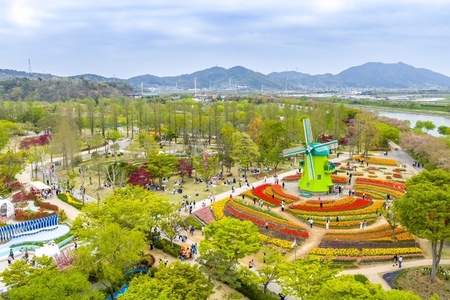
▲ 광양시가 철강 중심의 산업 구조를 넘어 이차전지·수소·스타트업을 축으로 한 ‘미래형 산업 3각 축’을 완성하며 첨단산업 도시로 도약하고 있다. 민선 8기 3년간의 성과를 바탕으로 주력산업 경쟁력 강화와 위기 대응, 고부가가치 신산업 육성을 결합해 양질의 일자리 창출과 지역경제 활성화를 본격화한다는 전략이다. |
전남 광양시가 철강 중심의 산업 구조를 넘어 이차전지·수소·스타트업을 축으로 한 '미래형 산업 3각축'을 완성하며 첨단산업 도시로 도약하고 있다.
20일 광양시에 따르면 민선 8기 3년간의 성과를 바탕으로 주력산업 경쟁력 강화와 위기 대응, 고부가가치 신산업 육성을 결합해 양질의 일자리 창출과 지역경제 활성화를 본격화한다는 전략이다.
◇ 이차전지 풀 밸류체인 구축…K-배터리 중심도시로 도약
- 리튬 원료부터 재활용까지 한곳에 집약된 국내 유일 생산 체계
- 포스코그룹 4조4천억 투자…미래 산업 주도·양질의 일자리 창출 기대
광양시는 국내에서 유일하게 리튬 원료 확보부터 전구체·양극재 대량 생산, 폐배터리 재활용까지 모든 공정을 한 도시 안에서 완결하는 이차전지 풀 밸류체인을 갖췄다.
‘하얀 석유’로 불리는 리튬은 그동안 중국산 탄산리튬 의존도가 높았으나, 광양은 자립형 공급 체계를 통해 원료 생산의 핵심 거점으로 부상했다. 포스코필바라리튬솔루션은 호주산 광석을 활용해 연 4만 3천 톤의 수산화리튬을 생산하고 있으며, 포스코리튬솔루션은 아르헨티나산 염수를 활용한 연 2만 5천 톤 규모의 리튬 생산 체계를 올해 준공 목표로 준비 중이다.
전구체는 니켈·코발트·망간 등 금속을 결합한 소재로, 리튬과 합성해 양극재로 가공되며, 그동안 국내 수요의 90% 이상을 수입에 의존해왔다. 그러나 지난 6월, 율촌산단에 연 4만 5천 톤 규모의 포스코퓨처엠 전구체 공장이 완공되면서 생산이 본격화됐다.
양극재 생산에서도 광양의 위상은 확고하다. 포스코퓨처엠 광양 양극재 공장은 단일 공장 기준 세계 최대 규모로, 연간 9만 톤 생산 능력을 보유하고 있다.
이는 60kWh급 배터리를 장착한 전기차 약 100만 대분에 해당한다. 현재 하이니켈 NCM, NCMA 계열 양극재를 양산 중이며, 향후 4만 5천 톤 규모의 5단계 NCA 양극재 공장이 추가 준공되면 연산 13만 5천 톤을 넘어설 전망이다.
이차전지 산업의 완결을 위한 재활용 인프라도 갖췄다. 광양 포스코HY클린메탈의 폐배터리 리사이클 공장은 연간 1만 2천 톤의 폐배터리에서 블랙파우더를 추출해 니켈 2,500톤, 코발트 800톤, 탄산리튬 2,500톤 등을 회수하는 설비를 운영한다.
회수된 금속 자원은 다시 전구체·양극재 공정에 투입돼, 이차전지 소재 산업 전반에서 지속가능한 친환경 순환경제 모델을 구현하고 있다.
광양시는 이차전지 산업 기반 강화를 위해 기업 중심의 산업정책을 적극 추진해왔다. ▲율촌산단 일원 40만 평 기회발전특구 지정 추진 ▲2023년 산업입지법 개정을 통한 국가산단 동호안 매립지 활용 규제 완화 ▲전력 공급 인프라 확충 ▲폐배터리 재활용 테스트베드 구축 등 시의 노력과 기업 투자가 맞물리면서 이차전지 풀 밸류체인이 완성됐다.
이를 통해 신규 고용 창출은 물론, 포스코그룹과 협력하는 지역 중소기업 생태계가 조성돼 지역경제 활성화 효과가 가시화되고 있다.
포스코그룹은 앞으로 10년간 광양에 4조 4천억 원 이상을 투자해 이차전지와 수소 산업 인프라를 지속 확대할 계획이다. 광양시는 이러한 민간 투자가 지역 발전과 직결되도록 산업 인프라 지원, 제도 개선, 인력 양성 등 다양한 정책을 병행해 나갈 방침이다.
◇ 친환경 수소도시 본격 조성 박차
- 광양시, 수소시범도시 기반으로 충전 인프라·모빌리티 확장
- 탄소중립 실현과 에너지 산업 거점 도약 기대
광양시는 이차전지 산업에 이어 수소 산업도시로의 전환에도 본격적으로 나서고 있다.
2022년 국토교통부 수소시범도시 공모사업에 선정된 광양시는 국비 200억 원을 포함해 총 400억 원 규모의 수소도시 조성 사업을 추진 중이다.
지난해 하반기 ‘광양 수소도시 마스터플랜’을 확정했으며 2028년까지 생산·이송·활용 전 과정을 아우르는 수소 인프라를 단계적으로 구축해 탄소중립을 선도하는 친환경 도시이자 새로운 에너지 산업 거점으로 도약한다는 계획이다.
시는 국내외 우수사례를 참고해 수소의 생산, 이송, 활용 전 과정을 아우르는 지속가능한 수소 생태계 조성에 속도를 내고 있다.
올해 2월부터 수소생산시설 타당성 조사 용역을 시작했고 3월에는 시민 참여형 ‘수소체험 커뮤니티(홍보센터)’ 조성에도 착수했다. 이 홍보관은 시민이 수소에너지의 필요성과 안전성을 직접 체험할 수 있도록 구성해 수소도시 전환에 대한 사회적 수용성을 높일 것으로 기대된다.
충전 인프라도 빠르게 확충 중이다. 지난해 말 초남산단에 준공된 전남 제1호 액화수소충전소는 시간당 200kg의 수소를 공급할 수 있으며 수소버스 150대 이상을 충전할 수 있다. 기존 성황 수소충전소도 버스 충전이 가능하도록 시설을 확장해 광양은 전남 최대 규모의 수소 충전망을 확보했다.
이러한 기반 위에서 광양시는 수소 모빌리티 활용 분야 확산에도 속도를 내고 있다.
현재 운행 중인 수소버스의 확대 보급은 물론, 수소청소차·수소지게차·수소드론·수소바이크·이동식 수소충전차량(튜브트레일러) 등 다양한 수소모빌리티를 공공과 산업 분야에 우선 도입해 시민이 체감할 수 있는 수소도시 전환을 앞당길 계획이다.
광양시의 수소도시 조성사업은 향후 전국 수소경제 확산을 이끄는 선도 모델로 주목받고 있다. 특히 여수광양항을 활용한 청정수소 수입 거점 항만화와 포스코 철강공정의 수소환원 전환이 맞물릴 경우, 광양은 대한민국 수소산업의 전략적 핵심 거점으로 자리매김할 것으로 기대된다.
◇ 스타트업 육성으로 혁신 생태계 구축
- 전남 유일의 인구 증가 도시, 스타트업으로 성장의 날개 달다
-광양, 스타트업이 자라는 도시로 … 미래형 산업생태계 본격 시동
광양시는 벤처·스타트업 육성에 속도를 내며 지역 산업 생태계에 혁신의 바람을 불어넣고 있다.
과거 인구 7만 명의 작은 농어촌 마을이었던 광양은 1982년 포스코 광양제철소 건설을 계기로 40여 년간 세계적인 철강 도시로 성장했다. 최근에는 산업 구조 전환과 지방 소멸 위기 대응을 위해 스타트업과 벤처를 중심으로 한 미래형 경제 기반 구축에 나서고 있다.
전남에서 유일하게 3년 연속 인구 증가를 기록하며 ‘전남에서 가장 젊은 도시’로 자리잡은 광양시는 청년층 유입 전략의 하나로 창업 지원 정책을 강화해왔다.
대표 사업인 ‘광양 벤처밸리’는 지난해부터 전라남도와 포스코가 함께 추진하는 민관 협력 프로그램으로, 지역 기술창업 보육과 창업 문화 확산을 통해 광양을 ‘전남의 실리콘밸리’로 육성하는 목표를 담고 있다.
시는 창업 분위기 확산을 위해 지난해 4월부터 ‘전남 스타트업 포럼’을 광양·여수·순천에서 열어 스타트업, 투자자, 지원기관, 지역대학 간 교류의 장을 마련했다.
또한 유명 스타트업 대표를 초청해 성공 사례를 공유하는 ‘스타트업 콘서트’를 개최, 지역 주민과 예비 창업자에게 기업가 정신을 전파했다.
실질적 지원도 강화됐다. 지난해 8월에는 포스코와 RIST 출신 박사급 연구 인력이 주축이 된 ‘포스코벤처지원단’을 출범시켜 전남지역 스타트업의 기술 애로를 해결하고 맞춤형 솔루션을 제공했다.
같은 해 11월에는 ‘제1회 광양 스타트업 컨퍼런스’를 개최해 이차전지, 수소, 로봇 등 미래 신산업 분야 스타트업에 대기업 연계 기회를 제공하고 투자 상담회를 진행했다.
창업 단계별 맞춤형 프로그램도 운영 중이다. 광양시는 예비 창업자를 위한 ‘체인지업캠프’, 초기 창업자를 위한 ‘빌드업캠프’, 스타트업과 투자사를 연결하는 ‘체인지업데이’ 등 단계별 맞춤형 프로그램을 운영하며 벤처 생태계 조성을 본격화하고 있다.
물리적 인프라도 속속 갖추고 있다. 올해 1월 문을 연 ‘광양만권 소재부품 지식산업센터’는 철강·에너지·융복합 산업 분야 강소기업과 스타트업의 거점으로, 개소 5개월 만에 23개 기업·기관이 입주를 완료해 운영에 들어갔다.
올 하반기 준공 예정인 ‘체인지업그라운드 광양’은 포스코그룹이 설계한 스타트업 특화 창업보육시설로, 창업·보육·투자·사업화 검증(POC)·해외 진출까지 초기 스타트업의 전 과정을 지원한다. 이곳에는 유망 스타트업 33개 사가 입주할 예정이다.
시의 이러한 스타트업 육성 전략은 지역 산업 구조를 미래 지향적으로 재편하는 데 중요한 역할을 하고 있다. 이차전지와 수소 산업 발전에 스타트업의 혁신 기술과 아이디어가 결합하면서, 광양은 대기업과 중소벤처가 조화를 이루는 창조적 산업 생태계로 변모하고 있다.
정인화 광양시장은 "이차전지와 수소 산업은 광양의 미래를 이끌 핵심 동력”이라며 “고부가가치 산업을 통해 양질의 일자리를 창출하고, 지속가능한 친환경 산업 생태계를 구축하겠다"고 밝혔다.
이어 "새로운 산업에 도전하는 스타트업이 마음껏 꿈을 펼칠 수 있도록 전폭적으로 지원해 광양을 대한민국에서 가장 기업하기 좋고 혁신이 활발한 도시로 만들겠다"고 강조했다.
한편 광양시는 주력산업인 철강산업의 미 관세 정책 변화에 대응하기 위해 민관 협의체를 구성하고 산업위기 선제 대응지역 지정, 철강기업 경쟁력 강화 지원사업 등을 병행하고 있다.
시민·기업·지방정부가 함께 만들어가는 변화 속에서 광양은 전남을 넘어 대한민국 미래산업의 중심지로 한 걸음 더 나아가고 있다.
[아래는 구글로 번역한 영문기사 전문입니다. 영문번역에 오류가 있을 수 있음을 전제로 합니다. Below is the full English article translated by Google. It is assumed that there may be errors in the English translation.]
Gwangyang City in South Jeolla Province is moving beyond its steel-centric industrial structure and establishing a "future industry triangular axis" centered around secondary batteries, hydrogen, and startups, making a leap forward as a high-tech industrial city.
According to the city on the 20th, the strategy aims to build on the achievements of the 8th popularly elected government over the past three years by combining strengthening the competitiveness of key industries, responding to crises, and fostering high-value-added new industries to create quality jobs and revitalize the local economy.
◇ Establishing a Full Secondary Battery Value Chain… Leaping Forward as a K-Battery Hub
- Korea's only production system integrating lithium raw materials to recycling
- POSCO Group's KRW 4.4 trillion investment… Expected to lead future industries and create quality jobs
Gwangyang City is the only city in Korea to have a full secondary battery value chain, encompassing all processes within a single city, from securing lithium raw materials to mass-producing precursors and cathodes to recycling spent batteries.
Lithium, often called "white oil," has traditionally relied heavily on Chinese lithium carbonate. However, Gwangyang has emerged as a key raw material production hub through its self-sufficient supply system. POSCO Pilbara Lithium Solutions produces 43,000 tons of lithium hydroxide annually using Australian ore, and POSCO Lithium Solutions is preparing a lithium production system with an annual capacity of 25,000 tons using Argentine brine, slated for completion this year.
Precursors are materials combining metals such as nickel, cobalt, and manganese. They are synthesized with lithium to produce cathode materials. Previously, over 90% of domestic demand was met by imports. However, with the completion of the POSCO FutureM precursor plant in the Yulchon Industrial Complex in June, production began in earnest.
Gwangyang's position in cathode material production is also solidified. The POSCO FutureM Gwangyang cathode material plant is the world's largest single plant, with an annual production capacity of 90,000 tons. This is equivalent to approximately 1 million electric vehicles equipped with 60kWh batteries. Currently, the company is mass-producing high-nickel NCM and NCMA cathode materials, and with the completion of the Phase 5 NCA cathode material plant with a capacity of 45,000 tons, annual production is expected to exceed 135,000 tons.
The company also has a recycling infrastructure in place to complete the secondary battery industry. POSCO HY Clean Metal's waste battery recycling plant in Gwangyang operates facilities that extract black powder from 12,000 tons of waste batteries annually, recovering 2,500 tons of nickel, 800 tons of cobalt, and 2,500 tons of lithium carbonate. The recovered metal resources are then reused in precursor and cathode material processes, fostering a sustainable, eco-friendly circular economy model across the secondary battery materials industry.
Gwangyang City has actively pursued a company-centered industrial policy to strengthen its secondary battery industry foundation. ▲Pursuing the designation of a 400,000-pyeong (approximately 1,300 sq ft) special development zone in the Yulchon Industrial Complex ▲Relaxing regulations on landfill use along the eastern shore of the national industrial complex through the Industrial Location Act amendment in 2023 ▲Expanding power supply infrastructure ▲Establishing a waste battery recycling testbed. The city's efforts, coupled with corporate investment, have completed the full secondary battery value chain. This has not only created new jobs but also fostered a local SME ecosystem that collaborates with the POSCO Group, revitalizing the local economy.
POSCO Group plans to invest over KRW 4.4 trillion in Gwangyang over the next 10 years to continuously expand the secondary battery and hydrogen industry infrastructure. Gwangyang City plans to implement various policies, including industrial infrastructure support, institutional improvements, and workforce development, to ensure that this private investment directly contributes to regional development.
◇ Accelerating the Development of an Eco-Friendly Hydrogen City
- Gwangyang City Expands Charging Infrastructure and Mobility Based on its Hydrogen Pilot City
- Expected to Achieve Carbon Neutrality and Become a Major Energy Industry Hub
Following its success in the secondary battery industry, Gwangyang is also actively transitioning to a hydrogen industry city.
Selected for the Ministry of Land, Infrastructure and Transport's 2022 Hydrogen Pilot City Competition, Gwangyang is currently pursuing a KRW 40 billion hydrogen city development project, including KRW 20 billion in government funding. The city finalized the "Gwangyang Hydrogen City Master Plan" in the second half of last year and plans to gradually build hydrogen infrastructure encompassing the entire production, transport, and utilization process by 2028, transforming the city into an eco-friendly city leading the way in carbon neutrality and a new energy industry hub.
Referring to best practices both domestically and internationally, the city is accelerating the creation of a sustainable hydrogen ecosystem encompassing the entire hydrogen production, transport, and utilization process. A feasibility study for a hydrogen production facility began in February of this year, and in March, the city also began establishing a citizen-participatory "Hydrogen Experience Community (PR Center). This PR Center is expected to increase social acceptance of the transition to a hydrogen city by allowing citizens to experience the necessity and safety of hydrogen energy firsthand.
Recharging infrastructure is also rapidly expanding. The first liquid hydrogen charging station in Jeollanam-do, completed in the Chonam Industrial Complex late last year, can supply 200 kg of hydrogen per hour and refuel over 150 hydrogen buses. The existing Seonghwang hydrogen charging station was also expanded to accommodate buses, securing the largest hydrogen charging network in Jeollanam-do.
Building on this foundation, Gwangyang is also accelerating the expansion of hydrogen mobility applications. In addition to expanding the existing fleet of hydrogen buses, the city plans to prioritize the introduction of various hydrogen mobility options, including hydrogen garbage trucks, hydrogen forklifts, hydrogen drones, hydrogen bikes, and mobile hydrogen refueling vehicles (tube trailers), in public and industrial sectors to accelerate the transition to a hydrogen city where citizens can experience the benefits.
Gwangyang City's hydrogen city development project is attracting attention as a leading model for the nationwide expansion of the hydrogen economy. In particular, if the port development of Yeosu-Gwangyang Port as a clean hydrogen import hub and the conversion of POSCO's steelmaking process to hydrogen reduction are combined, Gwangyang is expected to establish itself as a strategic hub for the Korean hydrogen industry.
◇ Building an Innovation Ecosystem by Fostering Startups
- Jeollanam-do's Only Population-Growing City Fuels Growth with Startups
- Gwangyang, a City Where Startups Grow… A Future-Oriented Industrial Ecosystem Begins in Full Swing
Gwangyang City is accelerating the fostering of ventures and startups, injecting a breath of innovation into the local industrial ecosystem.
Once a small farming and fishing village with a population of 70,000, Gwangyang grew into a global steel city over the past 40 years, fueled by the construction of POSCO's Gwangyang Steelworks in 1982. Recently, the city has been working to build a future-oriented economic foundation centered on startups and ventures to address the industrial restructuring and the crisis of regional extinction.
Gwangyang, the only city in South Jeolla Province to record population growth for three consecutive years and established itself as the "youngest city in South Jeolla Province," has been strengthening its startup support policies as part of its strategy to attract young people. Its flagship project, "Gwangyang Venture Valley," is a public-private partnership launched last year by South Jeolla Province and POSCO. Its goal is to foster local technology startups and foster a culture of entrepreneurship, fostering Gwangyang as the "Silicon Valley of South Jeolla Province."
To foster a startup culture, the city has hosted the "Jeonnam Startup Forum" in Gwangyang, Yeosu, and Suncheon since April of last year, providing a forum for exchange between startups, investors, support organizations, and local universities. The city also hosted a "Startup Concert," inviting renowned startup CEOs to share their success stories, fostering an entrepreneurial spirit among local residents and aspiring entrepreneurs.
Practical support has also been strengthened. In August of last year, the city launched the "POSCO Venture Support Group," led by PhD-level researchers from POSCO and RIST, to address technological challenges faced by startups in the Jeollanam-do region and provide customized solutions. In November of the same year, the "1st Gwangyang Startup Conference" was held, providing opportunities for startups in future new industries such as secondary batteries, hydrogen, and robotics to connect with large corporations and provide investment consultations.
Tailored programs tailored to each stage of startup life are also in place. Gwangyang City is actively fostering a venture ecosystem through these programs, including the "Change Up Camp" for aspiring entrepreneurs, the "Build Up Camp" for early-stage entrepreneurs, and the "Change Up Day" program, which connects startups with investors.
Physical infrastructure is also being steadily established. Opened in January of this year, the Gwangyang Bay Materials and Components Knowledge Industry Center serves as a hub for small and medium-sized enterprises and startups in the steel, energy, and convergence industries. Within five months of opening, 23 companies and organizations have moved in and begun operations.
Scheduled for completion in the second half of this year, "Change Up Ground Gwangyang," a startup-focused incubation facility designed by POSCO Group, will support the entire startup process, from incubation and investment to proof-of-concept (POC) validation and overseas expansion. Thirty-three promising startups are expected to move into the center.
The city's startup incubation strategy is playing a crucial role in restructuring the local industrial structure for the future. By combining the innovative technologies and ideas of startups with the development of the secondary battery and hydrogen industries, Gwangyang is transforming into a creative industrial ecosystem where large corporations and small and medium-sized ventures harmoniously coexist.
Gwangyang Mayor Jeong In-hwa stated, "The secondary battery and hydrogen industries are key drivers for Gwangyang's future. We will create quality jobs through high-value-added industries and build a sustainable, eco-friendly industrial ecosystem." He continued, "We will fully support startups taking on new industries to fully realize their dreams, making Gwangyang the most business-friendly and innovative city in Korea."
Meanwhile, Gwangyang City is forming a public-private consultative body to respond to changes in US tariff policies for its core steel industry, designating it as a preemptive response zone for industrial crises and implementing support programs to strengthen the competitiveness of steel companies. Through these changes, driven by citizens, businesses, and local governments, Gwangyang is moving beyond South Jeolla Province and taking another step forward as a hub for future industries in Korea.
원본 기사 보기:브레이크뉴스전남동부