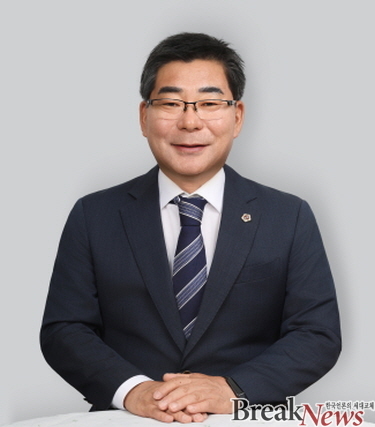
▲ 노병한 칼럼니스트 © 노병한 사주풍수칼럼니스트 |
[노병한의 관상·칼럼]관상의 미래 예측 유효성·성공률은 어느 정도일까? 누구나 행복하고 성공한 삶을 원하지만 모두 평생 부유하고 즐겁고 행복한 삶을 살지는 못한다. 평생 어려움을 겪지 않고 평안하게 사는 사람도 있다. 과연 평생 순조로운 사람이 얼마나 될까?
어떤 사람은 평생 부유하지 못하고 어렵게 살기도 한다. 부자로 삶을 산 사람도 일생을 보면 어렵고 가난한 시기가 있었을 것이다. 가난하고 어려운 상태로 삶을 마친 사람도 일생 가운데 어떤 때는 부유하고 다른 사람의 선망을 한 몸에 받던 시절도 있었을 것이다.
대부분 자신의 미래를 알지 못하고 산다. 살아가며 다양한 일을 겪고, 앞날을 알지 못해 불안해하며 고민할 수밖에 없이 살아간다. 그래서 오랜 옛날부터 선지식(先智識)들이 앞일인 미래를 예측하는 방법을 간구(懇求)하려고 노력했다. 그 결과 주역(周易)·풍수(風水)·사주명리(四住命理)·상법(相法) 등 앞날을 예측하는 역학(易學)·점술(占術)이 발전하게 되었고, 중국의 전국시대 이후 전해져 온 관상(觀相)도 한국과 일본에도 전해졌다.
관상(觀相)은 오랜 기간 전해져 오며 시대에 따라 많은 이론(異論)이 덧붙여져 복잡해졌다. 그래서 이러한 관상의 기본적인 원리·사상·철학과 적용하는 방법 그리고 미래의 예측력에 대한 신뢰도를 명쾌하게 설명하기란 불가능하다고 해야 할 것이다. 따라서 관상 예측의 유효성·성공률은 관상가가 가진 천문(天文)·지리(地理)·인사(人事)의 이치를 적용하는 실력에 따라 천차만별로 다르다.
관상(觀相)은 인체 중 얼굴의 면부(面部)에 깃들어 있는 우주와 자연의 원리와 이치를 관찰해 들여다보는 이론이다. 사람의 머리는 하늘이고 다리와 발은 땅이다. 우주와 자연의 형상이 천원지반(天圓地方)이니, 머리는 하늘처럼 높고 둥글어야 정상이고 길(吉)하며, 땅에 해당하는 다리와 발은 모나고 두터워야 정상이고 길(吉)하다.
눈의 눈빛인 안광(眼光)과 눈동자인 안청(眼睛)은 태양과 달에 해당함이니 해와 달처럼 맑고 빛나야 정상이고 길(吉)하다. 그리고 이마·관골·코·턱은 산(山)이니 적당히 솟아야 정상이고 길(吉)하다.
코와 윗입술 사이의 인중(人中)은 강(江)이니 길고 뚜렷해야 정상이고 길(吉)하며, 입은 바다(海)이니 크고 넓어야 정상이고 길(吉)하다. 그리고 머리카락·수염·털은 나무와 풀의 삼림(森林)에 해당함이니 맑고 또 수려해야 정상이고 길(吉)하다.
뼈(骨)는 금석처럼 단단해야 하고 살(肉)은 흙처럼 풍요로워야 정상이고 길(吉)하다. 그리고 음성인 목소리는 우레와 같이 울려야 하고 혈맥은 강과 하천처럼 막히지 않고 유유히 흘러 윤택해야 정상이고 길(吉)하다. 그렇다면 관상의 목적은 뭐고 관상(觀相)의 목적은 어디에 있나?
첫째 관상의 목적은 다가올 미래의 운명을 미리 관찰하고 파악해 길(吉)해 좋은 일엔 나아가게 하고, 흉(凶)해 나쁜 일인 재앙은 피하게 하여, 근심·고민을 덜어주며 행복을 추구하게 하는 추길피흉(趨吉避凶)을 미리 가늠함에 있다.
즉 사람이 나아갈 방향을 잡을 수 없어 방황할 때, 관상을 보아 제대로 나아갈 길을 알려주며 재앙을 피해 길(吉)한 일을 선택하게 함에 있다. 이는 관상으로 길흉을 예측하고 걱정하여 나쁜 일에는 미리 대처하여 바꿀 수도 있다는 의미이니 사람을 구제하고 만물을 이롭게 하는 방법이라 할 것이다.
둘째 관상(觀相)의 목적은 어떤 사람인지 알아보고 평가해 선택하고 기용·발탁·협업하는 용인술(用人術)과 같은 지인택술(知人擇術)에 있다. 아름답게 여기는 것 중에 총명함이 으뜸이고, 그 총명함을 귀하다고 여기는 건 관상으로 ′인물을 구별·식별하는 일′보다 더 귀한 일이 없기 때문이다.
정부·회사·단체에서 사람을 채용·기용·발탁함에 있어 그 사람이 가진 적성·능력을 평가하기 위하여 이력서·자소서 등 서류를 전형한 연후, 필기시험·적성검사 등을 치른 후에, 가장 중요한 대면 방식의 면접시험을 반드시 거친다. 이는 사람의 성격·능력·적성·건강·성패시기 등을 관상으로 파악하여 선발·기용하고 또 인사이동과 교체하는 데 유용하게 활용할 수 있기 때문일 것이다.
[[후기]얼굴의 관상이 사람의 미래에 성공·실패를 암시해 줄 수 있는 이정표로써 지도(地圖)인지 청사진(靑寫眞)인지에 대한 토론과 비판을 [노병한의 관상·칼럼]을 “브레이크뉴스의 지면”을 통해 앞으로 진지하게 조명해보고자 한다. nbh1010@naver.com
□글/노병한:박사/한국미래예측연구소(소장)/노병한박사철학원(원장)/자연사상칼럼니스트/인생상담사
*아래는 위 기사를 '구글 번역'으로 번역한 영문 기사의 [전문]입니다. '구글번역'은 이해도 높이기를 위해 노력하고 있습니다. 영문 번역에 오류가 있을 수 있음을 전제로 합니다.<*The following is [the full text] of the English article translated by 'Google Translate'. 'Google Translate' is working hard to improve understanding. It is assumed that there may be errors in the English translation.>
The Standards for Predicting Physiognomy and the Purpose of Observing Physiognomy
- Noh Byeong-han, Four Pillars of Destiny and Feng Shui Columnist
[Noh Byeong-han's Physiognomy/Column] What is the effectiveness and success rate of physiognomy in predicting the future? Everyone desires a happy and successful life, but not everyone lives a life of wealth, joy, and happiness. Some people live peaceful lives, free from hardship. But how many truly experience smooth sailing?
Some people live difficult lives, never wealthy. Even those who lived a wealthy life likely experienced difficult and poor periods. Even those who died poor and struggling likely experienced periods of prosperity and envy.
Most people live without knowing their future. As we experience various events in life, we inevitably feel anxious and worried about the future. Therefore, since ancient times, sages have sought ways to predict the future. As a result, fortune-telling and divination techniques, such as the Book of Changes (周易), Feng Shui (風水), Saju (四住命理), and Xiangbop (相法), developed. Physiognomy, a practice passed down from China's Warring States Period, also spread to Korea and Japan.
Physiognomy has been passed down for a long time, and over time, numerous theories have been added, making it increasingly complex. Therefore, it is virtually impossible to clearly explain the fundamental principles, ideology, philosophy, application methods, and reliability of physiognomy's predictive power. Consequently, the validity and success rate of physiognomy predictions vary greatly depending on the physiognomist's skill in applying the principles of astronomy, geography, and human affairs.
Physiognomy (Gwansang) is a theory that observes and delves into the principles and laws of the universe and nature, embodied in the facial features of the human body. The human head represents the sky, while the legs and feet represent the earth. The universe and nature are shaped like a circle: heaven is round and earth is square. Therefore, a head, like the sky, should be tall and round to signify normality and good fortune. Legs and feet, corresponding to the earth, should be square and thick to signify normality and good fortune.
The light in the eyes (an-gwang) and the pupils (an-cheong) correspond to the sun and moon. Therefore, they should be clear and luminous like the sun and moon to signify normality and good fortune. Furthermore, the forehead, cheekbones, nose, and chin represent mountains (san), and their moderate elevation is considered normal and good fortune.
The philtrum (人中), between the nose and upper lip, represents a river (江), and its long and distinct appearance is considered normal and auspicious. The mouth represents the sea (海), and its large and wide appearance is considered normal and auspicious. Furthermore, hair, beard, and fur correspond to the forest (森林) of trees and grasses. They should be clear and graceful, indicating normal and auspicious.
Bone (骨) should be as solid as gold and stone, and flesh (肉) as rich as earth, indicating normal and auspicious. Furthermore, the voice should resonate like thunder, and the blood vessels should flow smoothly and smoothly, like rivers and streams, without being blocked, indicating normal and auspicious. So, what is the purpose of physiognomy, and what is the purpose of physiognomy?
First, the purpose of physiognomy is to anticipate and understand one's future destiny, thereby guiding one toward good fortune and avoiding calamity. This can alleviate anxiety and distress, and encourage the pursuit of happiness.
In other words, when a person is lost and unable to determine their direction, physiognomy can guide them along the right path, helping them avoid disaster and choose auspicious paths. This means that physiognomy can predict good and bad fortune, and by predicting and worrying about bad events, it can also be used to proactively address and change them. It can be considered a method of saving people and benefiting all things.
Second, the purpose of physiognomy lies in the art of selecting people through knowledge, evaluation, and selection, similar to the art of employing, selecting, and collaborating with others. Among the things considered beautiful, intelligence is paramount, and this intelligence is valued because nothing is more precious than "distinguishing and identifying a person" through physiognomy.
When governments, companies, and organizations recruit, hire, and select individuals, they must first review resumes, cover letters, and other documents to assess their aptitude and abilities. This process involves a written and aptitude test, followed by an in-person interview, which is the most crucial step. This is likely because physiognomy can be used to determine a person's personality, abilities, aptitude, health, and periods of success and failure, making it a valuable tool for selection, hiring, and personnel transfers and replacements.
We will seriously examine and critique the question of whether facial physiognomy is a map or a blueprint, a guidepost that can foreshadow a person's future success or failure, through [Noh Byeong-han's Physiognomy and Column], published in the pages of "Break News."
nbh1010@naver.com
□Writer/Noh Byeong-han: Ph.D./Korea Future Forecasting Institute (Director)/Noh Byeong-han Ph.D. Philosophy Institute (Director)/Natural Thought Columnist/Life Counselor