지난 2025년 8월 25일 워싱턴에서 열린 트럼프 미국 대통령과 이재명 대한민국 대통령의 회담은 정치적 드라마였다. 국내 언론은 굴욕과 선방이라는 상반된 평을 쏟아냈지만, 협상학의 시각으로 들여다보면 보다 구조적이고 본질적인 교훈이 드러난다. 한국형 협상의 법칙에 비춰 본 이번 회담은 협상의 정의에서 종결에 이르기까지 어떤 원칙이 작동했고, 또 어디에서 실패했는지를 적나라하게 보여준다.
 ▲이재명 대통령과 도널드 트럼프 미국 대통령이 지난 8월25일(현지 시간) 미국 워싱턴DC 백악관에서 한미 정상회담을 하고 있다. ©대통령실 |
 ▲ 이재명 대통령과 도널드 트럼프 미국 대통령이 지난 8월 25일(현지 시간) 미국 워싱턴DC 백악관에서 한미 정상회담을 하고 있다. ©뉴시스 |
○ 협상의 정의―새로운 길을 창조하지 못한 만남
협상은 단순히 거래를 조정하는 절차가 아니라, 새로운 질서를 창조하는 과정이다. 협상을 통해 우리는 과거의 갈등을 넘어 미래의 틀을 짓는다. 그러나 이번 회담에서 한국이 얻은 것은 기존 합의의 재확인에 불과했다. 주한미군의 전략적 유연성 문제는 회피되었지만, 이는 새로운 합의가 아니라 논의를 미룬 것일 뿐이다. 경제 분야 역시 한 달 전 합의된 관세 조정의 유지에 머물렀다. 협상의 정의가 말하는 창조적 성과는 실종되었다.
○ 협상의 종류―윈-윈(Win-Win)이 아닌 윈-루즈(Win-Lose)의 구도
오늘날 협상의 시대정신은 윈-윈이다. 그러나 트럼프는 전형적인 윈-루즈 방식을 구사했다. 회담 직전 SNS에 '숙청과 혁명이 한국에서 벌어지고 있다'는 도발적 메시지를 던짐으로써 협상 테이블의 분위기를 압도했다. 이는 협상의 시작부터 한국을 수세로 몰아넣는 심리적 전술이었다. 이재명 대통령은 충돌을 피하려 웃음과 칭송으로 대응했지만, 그 결과는 상호이익 창출이 아니라 일방적 방어였다. 한국이 윈-윈의 협상을 설계할 수 있는 전략적 여지는 보이지 않았다.
○ 협상의 요소―이익(Interests)과 입장(Position), 창의적 대안(Creative Options), 최선의 대안 (BATNA), 정당성(Legitimacy)
트럼프의 숨겨진 욕구는 미국의 통상적·안보적 이익 극대화였고, 드러난 입장은 방위비, 군사 문제, 그리고 한국 내 정치 상황 개입이었다. 이재명 대통령의 핵심 욕구는 국내 정치적 입지 보전과 국익 수호였으나, 드러난 입장은 동맹 강화와 지도자 예우였다. 그러나 양측의 이익을 모두 충족할 창의적 대안은 마련되지 않았다.
협상이 결렬될 경우 대비한 최선의 대안, 즉 배트나(BATNA)는 트럼프에게 있었다. 협상이 무산되면 더 큰 압박을 가하겠다는 명확한 카드였다. 반면 한국은 대안이 없었다. 중국과의 경제 카드, 자주적 안보 구상은 구체적 배트나로 준비되지 않았다. 협상은 대안의 힘에서부터 기울어졌다.
정당성 확보에서도 한국은 약했다. 트럼프는 객관적 기준 대신 힘의 논리를 앞세웠지만, 한국은 국제법과 기존 협정이라는 기준을 활용하지 못했다. 협상장의 균형추는 무겁게 기울었다.
○ 협상의 기법―앵커링(Anchoring), 프레이밍(Framing), 양보(Concession), 적대적 협상자 다루기(How to deal with an adversarial negotiator)
트럼프는 협상의 첫 단계부터 앵커링에 성공했다. 회담 직전 던진 SNS 메시지는 상대의 심리를 흔드는 전형적 앵커링이었다. 그는 이어 회담 전체를 한미동맹 강화라는 프레임 속에 가두었다. 반면 이재명 대통령은 이를 역전시킬 프레임을 제시하지 못했다. 대신 트럼프를 위대한 지도자라 칭하며 상징적 양보로 상황을 달랬다. 하지만 이는 전략적 교환이 아니라 즉흥적 립서비스에 가까웠다.
적대적 협상자를 다루는 방법 역시 제대로 작동하지 않았다. 트럼프는 적대와 압박을 혼용하는 협상자였다. 이럴 때는 객관적 기준을 제시하거나 시간을 활용해 대응해야 한다. 그러나 이재명 대통령은 정면 대응 대신 우회적 유화로 넘어갔고, 결과적으로 주도권은 끝내 트럼프의 것이었다.
○ 협상의 세 가지 축―목표(Goal), 정보(Information), 시간(Time)
협상의 법칙은 세 가지 핵심 축으로 요약된다. 목표, 정보, 시간이다.
트럼프의 목표는 분명했다. 한국의 양보를 끌어내고 미국의 이익을 강화하는 것이었다. 이재명의 목표는 최악을 피하고 현상 유지하기였으나, 자주적 비전은 뚜렷하지 않았다.
정보 측면에서도 격차는 컸다. 트럼프는 한국의 정치 상황과 특검 문제까지 거론하며 상대의 내부 사정을 꿰뚫고 있었다. 반면 한국은 트럼프의 협상 습관을 역이용하지 못했다.
시간의 주도권도 트럼프가 쥐었다. 회담 직전 메시지로 상대를 압박하고, 회담의 흐름을 자신이 원하는 방향으로 끌고 갔다. 이재명 대통령은 이 시간 전술을 돌파하지 못했다
○ 합의(Commitment)의 문서화(Documentation) 부재
협상의 종결 단계에서 중요한 것은 합의를 문서화하는 것이다. 그러나 이번 회담은 기존 합의 재확인과 실무 논의 개시 정도에 머물렀다. 새로운 합의가 문서화되지 않았다는 것은 향후 미국이 언제든 추가 압박을 가할 수 있음을 의미한다. 협상의 종결 원칙이 제대로 지켜지지 않은 것이다.
○ 종합 평가―협상의 기본기를 준비하지 못한 한국
트럼프–이재명 회담은 흔히 말하는 굴욕 외교라는 한마디로 단순히 규정할 수 없다. 오히려 이번 회담은 우리 외교가 국제 협상에서 반드시 갖추어야 할 기본기와 준비 과정을 얼마나 소홀히 해왔는지를 드러내며, 한국 외교가 앞으로 무엇을 보완해야 하는지를 보여주는 생생한 사례라 할 수 있다.
협상은 곧 국가의 힘이다. 한국이 앞으로 나아가야 할 길은 명확하다. 상대의 압박에 '덜 빼앗겼다'는 소극적 만족에 머무를 것이 아니라, 최선의 대안을 강화하고, 객관적 기준으로 정당성을 확보하며, 윈-윈 협상을 설계할 능력을 키워야 한다. 그렇지 않다면 오늘의 방어적 협상은 내일의 종속적 굴레로 반복될 것이다. *** jeongkeekim@naver.com
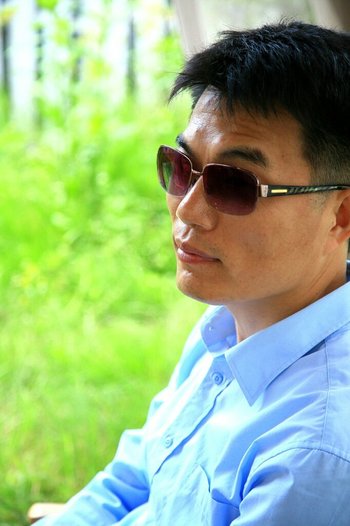
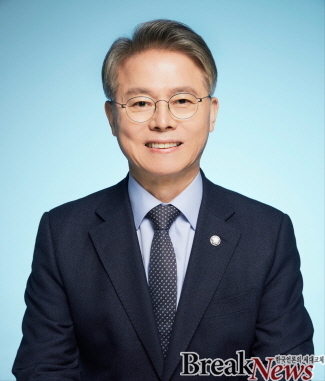
 ▲ 필자/김정기 '한국형 협상의 법칙(청년정신사)' 저자. ©브레이크뉴스 |
*필자/김정기
● 학력
- 뉴욕주립대학교(Stony Brook) 정치학과 수석 졸업
- 마케트대학교(Marquette) 로스쿨 법학박사
- 하버드대학교(Harvard) 케네디스쿨 최고위 과정
- 베이징대학교(Peking) 북한학 연구학자
● 경력
- 세계스마트시티기구(WeGO) 사무총장 (현)
- 유엔 국제전기통신연합 (UN ITU) 가상세계 및 AI 글로벌 이니셔티브 집행위원(현)
- 아시아태평양지방정부네트워크(CityNet) 대표
- 제8대 주상하이 대한민국 총영사(13등급 대사)
- 2010 상하이엑스포 대한민국관 정부대표
- 제17대 대선 한나라당 이명박 대통령 후보 국제위원장
- 제20대 대선 국민의힘 윤석열 대통령 후보 정치개혁 공약 총괄
- 제21대 대선 국민의힘 김문수 대통령 후보 외교고문
- 자유한국당 오세훈 당대표 후보 SH전략회의 총괄 및 조직본부 총괄본부장
- 자유한국당 서울시장 예비후보
- 법무법인 대륙아주 중국 총괄 미국변호사\
- 난징대학교 국제경제연구소 객좌교수
- 동국대학교 경영전문대학원 석좌교수
- 숭실사이버대학교 총장
● 저서
1. 대학생을 위한 거로영어연구[전 10권](거로출판사)
2. 나는 1%의 가능성에 도전한다(조선일보사)
3. 한국형 협상의 법칙(청년정신사)
4. 대한민국과 세계 이야기 (도서출판 책미듬)
5. Korea and the World (Advance Reader Copy)
*아래는 위 기사를 '구글 번역'으로 번역한 영문 기사의 [전문]입니다. '구글번역'은 이해도 높이기를 위해 노력하고 있습니다. 영문 번역에 오류가 있을 수 있음을 전제로 합니다.<*The following is [the full text] of the English article translated by 'Google Translate'. 'Google Translate' is working hard to improve understanding. It is assumed that there may be errors in the English translation.>
An In-Depth Evaluation of the Trump-Lee Jae-myung South Korea-US Summit Through the Eyes of Korean Negotiation Laws
"We must strengthen the best alternative and cultivate the ability to design win-win negotiations!"
-Columnist Kim Jeong-gi
The summit between US President Trump and South Korean President Lee Jae-myung, held in Washington on August 25, 2025, was a political drama. While the domestic media sang mixed reviews, describing it as a humiliation and a defensive maneuver, a closer examination through the lens of negotiation studies reveals a more structural and fundamental lesson. This summit, viewed through the lens of Korean negotiation law, starkly reveals which principles were at play, from the definition of negotiation to its conclusion, and where they failed.
○ Definition of Negotiation: A Meeting That Failed to Create a New Path
Negotiation is not simply a process of adjusting a deal; it is a process of creating a new order. Through negotiation, we transcend past conflicts and build a framework for the future. However, what South Korea gained from this summit was merely a reaffirmation of existing agreements. The issue of strategic flexibility for USFK was avoided, but this was merely a postponement of discussions, not a new agreement. The economic sector also remained limited to maintaining the tariff adjustments agreed upon a month earlier. The creative outcomes envisioned by the definition of negotiation were lost.
○ Types of Negotiations: Win-Lose, Not Win-Win
The zeitgeist of negotiation today is win-win. However, Trump employed a classic win-lose approach. Just before the meeting, he overpowered the atmosphere at the negotiating table by sending a provocative message on social media, claiming, "A purge and revolution are underway in Korea." This was a psychological tactic that put South Korea on the defensive from the outset. President Lee Jae-myung attempted to avoid conflict with laughter and praise, but the result was not mutual benefit but a unilateral defensive maneuver. There appeared to be no strategic room for South Korea to design a win-win negotiation.
○ Elements of Negotiation: Interests and Position, Creative Options, Best Action Plan (BATNA), and Legitimacy
Trump's hidden desire was to maximize America's trade and security interests, while his stated stance was defense spending, military issues, and intervention in South Korean politics. President Lee Jae-myung's core desire was to preserve his domestic political position and protect national interests, while his stated stance was to strengthen alliances and honor the leader. However, no creative alternative was developed that would satisfy both sides' interests.
Trump possessed a best action plan (BATNA) in the event of a breakdown in negotiations. It was a clear promise to apply greater pressure if negotiations failed. South Korea, on the other hand, had no alternative. The economic strategy with China and the independent security plan were not prepared as concrete BATNAs. The negotiations were hampered from the very beginning by the strength of the alternatives.
South Korea also lacked legitimacy. Trump prioritized the logic of power over objective standards, while South Korea failed to utilize the standards of international law and existing agreements. The balance of the negotiation table tilted heavily.
○ Negotiation Techniques: Anchoring, Framing, Concession, and How to Deal with an Adversarial Negotiator
Trump successfully anchored the negotiations from the very beginning. His social media messages immediately before the meeting were a classic example of anchoring, swaying the other party's sentiments. He then framed the entire meeting within the framework of strengthening the ROK-US alliance. President Lee Jae-myung, on the other hand, failed to offer a framework to reverse this. Instead, he praised Trump as a great leader and offered symbolic concessions to appease the situation. However, this was more like impromptu lip service than a strategic exchange.
The method of dealing with an adversarial negotiator also failed. Trump was a negotiator who mixed hostility and pressure. In such situations, it is necessary to present objective criteria or utilize the time available to respond. However, President Lee Jae-myung, instead of confronting him head-on, opted for indirect appeasement, ultimately leaving Trump in control.
○ Three Axis of Negotiation: Goal, Information, and Time
The laws of negotiation can be summarized in three core axes: goal, information, and time.
Trump's goal was clear: to extract concessions from South Korea and strengthen US interests. Lee Jae-myung's goal was to avoid the worst and maintain the status quo, but his independent vision was unclear.
The information gap was also significant. Trump possessed a deep understanding of his counterpart's internal affairs, even mentioning the South Korean political situation and the special prosecutor issue. Conversely, South Korea failed to capitalize on Trump's negotiating habits.
Trump also held the upper hand in terms of time. He pressured his counterpart with messages just before the meeting and steered the talks in his preferred direction. President Lee Jae-myung failed to overcome this timing tactic.
○ Absence of Documentation of Commitments
At the conclusion of negotiations, the most crucial element is documenting the agreement. However, this meeting only reaffirmed existing agreements and initiated working-level discussions. The lack of a new agreement in writing means the United States could apply additional pressure at any time. The principle of ending negotiations was not properly adhered to.
○ Comprehensive Assessment – Korea's Failure to Prepare for Negotiation Basics
The Trump-Lee Jae-myung meeting cannot be simply characterized as the so-called "humiliation diplomacy." Rather, this meeting reveals how Korea's diplomacy has neglected the fundamentals and preparation necessary for international negotiations, and serves as a vivid example of what needs to be improved in Korea's diplomacy going forward.
Negotiation is the power of a nation. The path forward for Korea is clear. Rather than remaining passively satisfied with "less deprivation" from the other side's pressure, Korea must strengthen its best alternatives, secure legitimacy based on objective criteria, and cultivate the ability to design win-win negotiations. Otherwise, today's defensive negotiations will become tomorrow's cycle of subordination. *** jeongkeekim@naver.com
*Author/Kim Jeong-gi
● Education
- Graduated summa cum laude from the State University of New York (Stony Brook) with a degree in Political Science
- Doctor of Law, Marquette Law School
- Graduated from Harvard Kennedy School of Government
- North Korean Studies Research Scholar, Peking University
● Career
- Secretary General of the World Smart Cities Organization (WeGO) (current)
- Executive Committee Member, Virtual World and AI Global Initiative, UN International Telecommunication Union (UN ITU) (current)
- Representative of the Asia-Pacific Local Government Network (CityNet)
- 8th Consul General of the Republic of Korea in Shanghai (Ambassador, Class 13)
- Government Representative, Republic of Korea Pavilion, 2010 Shanghai Expo
- Chairman of the International Affairs Committee, Grand National Party (GNP) Presidential Candidate Lee Myung-bak in the 17th Presidential Election
- Chief of Political Reform Platforms, People Power Party Presidential Candidate Yoon Seok-yeol in the 20th Presidential Election
- Foreign Affairs Advisor, People Power Party Presidential Candidate Kim Moon-soo in the 21st Presidential Election
- Oh Se-hoon, Liberty Korea Party Candidate for Party Leadership, SH Strategy Council, and Head of the Organization Headquarters
- Liberty Korea Party Candidate for Seoul Mayor
- American Attorney, Head of China, Continental Law Firm
- Visiting Professor, Nanjing University International Economics Institute
- Distinguished Professor, Dongguk University Graduate School of Business
- President, Soongsil Cyber University
● Books
1. Georo English Studies for College Students [10 Volumes] (Georo Publishing)
2. I Challenge the 1% Chance (Chosun Ilbo)
3. The Law of Korean Negotiation (Chungnyeon Jeongshin Publishing)
4. Korea and the World (Chaekmidum Publishing)
5. Korea and the World (Advance Reader Copy)