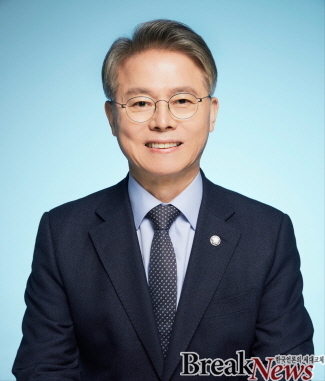
▲ 권기환 박사 ©브레이크뉴스 |
북한의 김정은 위원장이 중국의 전승절을 맞이해 시진핑 주석의 초청으로 거의 6년 만에 중국을 방문하기로 했다. 김정은은 지금까지 양자 회담을 선호했지만, 이번에는 26개의 국가가 초청되면서 이른바 다자외교의 첫 데뷔전을 맞이하게 될 것이다. 중국이 이번에 초청국 정상들을 호명하면서 러시아의 푸틴 대통령을 첫 번째로, 이어서 바로 김정은을 두 번째로 말한 것은 북한의 존재감을 확실히 보여 주었다. 러시아-우크라이나 전쟁에서 러시아의 파병을 통해 드러난 북한의 존재감은 세계에 관심을 끌기에는 충분하다. 김정은은 톈안먼 망루에서 시진핑, 푸틴과 나란히 열병식을 관람할 것이다. 그런데 이 장면에서 시진핑이 과연 김정은 바로 옆에 설 것인지 아니면 푸틴을 사이에 두고 거리감을 둘 것인지에 따라 중국의 속내가 드러날 수 있을 것이다. 과거 같으면 중국은 시진핑을 사이에 두고 김정은과 푸틴을 중재하면서 중국의 강한 위세를 과시하기를 원했을 것이다. 그러나 이러한 장면은 최근 북한과 러시아의 친밀한 관계로 발전되었다는 측면에서 보면 현실적으로 그렇게 연출되지 않을 것이다. 앞모습은 중국이 어쩌면 한동안 북한과 중국의 서먹한 관계를 회복시킨다는 이미지로 비추어질 것이다. 뒷모습은 푸틴의 강한 지도자로서 그 이미지만을 각인시키는 것이니까 중국으로서는 선뜻 원하는 방식이 아닐 것이다. 그렇다면 첫 번째 장면이 유력할 것인데, 이것은 북한의 존재감을 확실히 각인시키면서 김정은의 다자외교 첫 데뷔전에 붉은 카펫을 깔아 주는 것이라 하지 않을 수 없다. 이것은 북한이 ‘핵보유국’ 지위를 세계에 과시하고 반서방 연대를 보여 주면서도 미국과의 담판을 준비하려는 의도처럼 보인다. 세간에는 이번 북한의 다자외교 데뷔전에 트럼프 대통령의 개입이 있을 수 있다는 말도 나온다. 구체적으로는 알 수 없지만, 어느 정도의 신호가 있을 수 있다.
한국의 이재명 대통령이 한일 정상회담과 한미 정상회담을 마치는 시점에 김정은이 중국의 전승절에 직접 응한다는 것은 향후 국제 정세의 뭔가 변화를 암시하는 것이다. 한국-미국-일본의 삼각동맹에 대한 견제 차원에서 북한-중국-러시아의 삼각 연대는 중국이 북한을 끌어들임으로써 – 이것은 러시아-우크라이나 전쟁에서 북한이 보여 준 군사력이 중국의 생각보다 만만치 않다는 점을 입증한 것이다. - 북한의 위상을 높여 준 것이다. 그러면 이러한 판을 갈아 준 것은 누구인가? 푸틴이 트럼프와 정상회담을 하고, 이어서 시진핑의 초청에 응하면서 트럼프가 김정은을 만나고 싶다는 뜻을 시진핑과 공유했을 수 있다. 이에 대한 정확한 판단은 시진핑의 북한 답방, 김정은의 러시아 재방문 등으로 가늠해 볼 수 있을 것이다. 물론 이것은 실제로 두 가지가 성사되어야만 우리가 판단할 수 있을 것이다.
그런데 지금까지 역사적으로 보면 북한-중국-러시아의 연대는 굳건하기보다는 각국의 이익에 따라 움직이다 보니 그 연대의 틀이 효과적으로 유지되기는 어려웠다. 마치 한국이 중국과 가까워지더라도 중국의 이익에 조금이라도 위협이라고 생각되면 집요한 보복을 감행하는 것이 중국이었던 것처럼, 북한도 중국과의 관계에서 혈맹이라고 하기에는 불협화음도 있었다. 중국은 러시아에 대해서도 러시아-우크라이나 전쟁에서 러시아에 대한 군사적 지원을 하지 않고 비군사적인 측면에서만 간접 지원을 하는 수준에 그쳤다. 결국 북한은 중국보다 러시아를 선택했고, 다소 출혈이 있더라도 러시아-우크라이나 전쟁에서 파병을 통해 러시아로부터 파병의 대가를 챙겼다. 그리고 러시아도 중국에 퍼주기만 하기보다 러시아-우크라이나 전쟁에서 북한의 군사적 지원을 받은 것은 아마도 전세를 뒤집는 데 결정적이라고 할 만하다.
중국이 이처럼 북한을 끌어들인 까닭은 러시아-우크라이나 전쟁에서 러시아의 우세가 확실히 되는 것을 감지하고, 러시아와 북한을 함께 묶는 것이 중국 자신에게 현재 유리하다는 나름대로 자체 판단이 있었기 때문이다. 거기에는 북한이 이제 과거처럼 중국의 영향력에 그저 영향을 받는 국가가 아니라는 중국의 입장이 어느 정도 반영된 것이라 하겠다. 그런데 이러한 상황에 관해 한미일과 북중러의 ‘신냉전’ 구도로 몰아가는 것은 매우 부적절하다. 그 신냉전의 격전지는 당연히 한반도가 될 것인데, 이것은 한반도에 평화보다는 위기를 가중시키는 것에 지나지 않는다. 남북 관계가 현재 악화된 상황에서 신냉전은 둘 다 불이익을 불러올 것이다. 반대로 남북 관계가 좋아지면 둘 다 선택의 폭이 넓어지고 둘 다 이익이 될 것이다.
그러면 한국은 어떻게 대응해야 할까? 한국은 지난 3년간 다소 불편했던 중국과 러시아의 관계를 강화할 필요가 있으며, 북한과도 대화의 조건을 주도적으로 형성해야 한다. 어쩌면 이것은 한국에 ‘틈새 외교’ 전략이 요구되는 형국이다. 한국이 중국과 러시아에 또다시 어떤 방식으로든 접근하면 북한도 반응할 것이다. 한국은 지난 3년간 이른바 가치 외교라는 명분에 사로 잡혀 한반도의 정세를 둘러싼 외교력에서 철저하게 쓴맛을 보았다. 아무것도 얻을 것이 없는 철 지난 자유민주주의라는 구호는 국제관계에서 한반도를 둘러싼 정세에서 고립을 자초했다. 트럼프가 한미 정상회담에서 이재명 대통령에게 한 말은 기억할 만하다. 트럼프는 지금까지 북한에 대응하는 한국 지도자들의 방향이 잘못되었다고 말했는데, 이것은 상당히 정확한 지적이라고 보아야 할 것이다.
남북 관계는 정권의 성향과 관계 없이 현실적이고 일관될 필요가 있다. 그런데 이러한 필자의 소박한 바램과 달리 지금까지 남북 관계는 어떤 방식으로든 악순환의 고리를 끊지 못하고, 평화 무드가 잠시 조성되는 듯하다가도 또다시 긴장 모드로 바뀌는 경우가 많다 보니, 파국으로 끝나고 말았다. 국제관계에서 이처럼 꼬인 형국을 스스로 만들고 평화를 어렵게 하는 경우도 드물 것이다. 당장은 어렵더라도 휴전선에서 최소한의 군사적 충돌은 자제되어야 하고 서로 피해야 한다. 이를 위한 최소한의 안전장치는 마련되어야 한다. 그렇지 않으면 비극의 씨앗이 언제든지 한반도에 뿌려질 수 있을 것이다.
북한은 각종 경제제재로 국제관계에서 고립되었지만, 이번 김정은의 방중을 통해 다자외교에 데뷔함으로써 국제관계에 참여하는 것은 절호의 기회인 셈이다. 북한이 한국의 APEC에 참석하기는 어렵겠지만, 트럼프와 시진핑이 참석한다면, 이를 아마도 지켜볼 것이다. 이번 김정은의 방중은 하여튼 공교롭게도 전번 북미대화를 두 차례 했을 때와 유사해서 트럼프의 언급대로 북미대화가 이루어진다면, 남북대화도 성사될 가능성이 높을 것이다. 그렇게 되면 한국-미국-북한의 지도자들이 전번처럼 서로 휴전선에서 나란히 서는 역사적 장면이 될 수도 있을 것이다. 문제는 과연 그렇게 될 것인지는 현재로서는 불투명하다. 그러기에는 현실적으로 지난 3년간의 대북정책에 따른 후폭풍이 북한의 한국과 거리를 상당히 멀리 두었기 때문에, 당장은 어려울 것이다.
그런데 북한이 이러한 다자외교에 데뷔전을 치른다는 것은 국제관계에서 보면 과거처럼 고립된 국가로서 한계가 명확하다는 인식이 깔려 있을 수 있을 것이다. 문제는 이러한 북한의 행보가 과연 지속될 것인지는 여전히 의문으로 남아 있다. 한국도 북한의 다자외교 행보에 관심을 가지면서 남북 관계의 복원을 어떤 방식으로든 할 필요가 있다. 더 나아가 한국이 남북 관계의 특수성에 적극적으로 대응 체계를 갖추지 않으면 안 된다. 이것은 실용적으로도 타당하다고 하겠다. 북한이 다자외교에 등장했다는 점은 많은 국가와 무역 관계를 통해 자립갱생(自立更生)의 길로 길의 중요성을 인지했기 때문일 것이다. 남북 관계가 긴장 모드로 가면, 북한도 선택지가 좁아질 수밖에 없다. 북한의 지정학적 위치는 두만강 프로젝트, 러시아와 도로 및 철도 연결, 북극항로 개척 등에서 유리한 위상을 갖고 있다. 러시아도 태평양에 대한 강력한 주도권을 잡기 위해서라도 북한과 협력은 매우 중요하다. 중국도 태평양으로 진출하기 위해 북한의 경제적 지원을 그저 지켜보고만 있지 않을 것이다. 한국도 이에 맞추어 북한의 행보에 주목하면서 트럼프의 말대로 북한에 대한 새로운 접근법이 요구되어야 한다.
jgfichte@naver.com
*필자/권기환
철학박사. 동국대에서 석사학위를, 독일 지겐대 제 1학부(역사-철학과)에서 철학박사학위(Dr. phil.)를 취득했다. 경희대, 경기대, 명지대, 상명대, 강남대, 홍익대 등에서 강의를 했다. 현재는 가천대에서 강의를 하고 있다. 주요 관심사는 독일 관념론, 독일 초기 낭만주의, 프랑스 현상학, 해석학, 동서 비교 철학 등이다. 한국 헤겔학회, 한국칸트학회, 한국해석학회, 한국 현상학회(전 정보이사), 서양 근대철학회 등에서 활동하고 있다.
*아래는 위 기사를 '구글 번역'으로 번역한 영문 기사의 [전문]입니다. '구글번역'은 이해도 높이기를 위해 노력하고 있습니다. 영문 번역에 오류가 있을 수 있음을 전제로 합니다.<*The following is [the full text] of the English article translated by 'Google Translate'. 'Google Translate' is working hard to improve understanding. It is assumed that there may be errors in the English translation.>
North Korean leader Kim Jong-un has decided to visit China for the first time in nearly six years at the invitation of President Xi Jinping to mark China's Victory Day. While Kim Jong-un has previously preferred bilateral meetings, this visit, with 26 countries invited, will mark his debut in what is known as multilateral diplomacy. China's inclusion of Russian President Putin as the first invited leader, followed immediately by Kim Jong-un, underscored North Korea's growing influence. North Korea's presence, evidenced by Russia's deployment of troops during the Russo-Ukrainian War, has garnered global attention. Kim Jong-un will watch the parade alongside Xi Jinping and Putin from the Tiananmen Square. However, whether Xi Jinping will stand directly beside Kim Jong-un or maintain a distance between himself and Putin could reveal China's true intentions. In the past, China would have sought to mediate between Kim Jong-un and Putin, using Xi Jinping as a proxy to demonstrate its power. However, given the recent development of close relations between North Korea and Russia, such a scene is unlikely to be realistically portrayed that way. The first scene will likely be seen as China attempting to mend the strained relationship between North Korea and China. The second scene will likely focus solely on Putin's image as a strong leader, which China likely won't readily accept. Therefore, the first scene is likely the most likely. It solidifies North Korea's presence and, without a doubt, lays out the red carpet for Kim Jong-un's debut in multilateral diplomacy. This appears to be North Korea's attempt to flaunt its status as a "nuclear power" to the world and demonstrate anti-Western solidarity while also preparing for negotiations with the United States. There is speculation that President Trump may intervene in North Korea's multilateral diplomatic debut. While the specifics remain unclear, there could be some signaling.
Kim Jong-un's direct participation in China's Victory Day celebrations just as South Korean President Lee Jae-myung concludes the South Korea-Japan and South Korea-US summits suggests a shift in the international situation. As a counterweight to the trilateral alliance between South Korea, the United States, and Japan, the trilateral alliance between North Korea, China, and Russia was formed by China's enlistment of North Korea—a testament to North Korea's military prowess in the Russo-Ukrainian War, which demonstrated that North Korea's military might was far more formidable than China had anticipated. So who changed this dynamic? Putin's summit with Trump and subsequent acceptance of Xi Jinping's invitation likely shared Trump's desire to meet Kim Jong-un with Xi Jinping. A more accurate assessment of this will likely be determined by Xi Jinping's return visit to North Korea and Kim Jong-un's return visit to Russia. Of course, this will only be possible if both events actually occur.
However, historically, the alliance between North Korea, China, and Russia has been less solid and more driven by individual interests, making it difficult to maintain its structure effectively. Just as China, even if South Korea grew closer to China, would relentlessly retaliate if it perceived even the slightest threat to its interests, North Korea's relationship with China also experienced discord, far from being a blood alliance. China, too, offered Russia no military support during the Russo-Ukrainian War, offering only indirect, non-military support. Ultimately, North Korea chose Russia over China, and despite the cost, it received compensation from Russia for its contribution. Furthermore, Russia, rather than simply providing aid to China, received North Korea's military support in the Russo-Ukrainian War, which was arguably crucial in turning the tide of the war.
China's decision to involve North Korea stemmed from its own perception of Russia's growing dominance in the Russo-Ukrainian War and its own internal judgment that tying Russia and North Korea together would be advantageous to China. This, to a certain extent, reflects China's position that North Korea is no longer simply a country subject to Chinese influence, as it once was. However, it is highly inappropriate to frame this situation as a "new Cold War" between South Korea, the US, and Japan, and North Korea, China, and Russia. The Korean Peninsula will undoubtedly be the battleground of this new Cold War, but this will only exacerbate the crisis on the peninsula rather than bring peace. Given the current deterioration in inter-Korean relations, a new Cold War would be detrimental to both sides. Conversely, if inter-Korean relations improve, both sides will have broader options and benefit.
So, how should South Korea respond? It needs to strengthen its relations with China and Russia, which have been somewhat strained over the past three years, and proactively shape the conditions for dialogue with North Korea. Perhaps this situation calls for a "niche diplomacy" strategy for South Korea. If South Korea approaches China and Russia again in any way, North Korea will react. South Korea, obsessed with the pretext of so-called "values diplomacy" over the past three years, has suffered a bitter blow to its diplomatic power on the Korean Peninsula. The outdated slogan of liberal democracy, which yields nothing, has isolated the Korean Peninsula in international relations. Trump's remarks to President Lee Jae-myung during the South Korea-US summit are worth remembering. He said that South Korean leaders had been misguided in their approach to North Korea, a point that should be considered quite accurate.
Inter-Korean relations need to be realistic and consistent, regardless of the political stance of the administration. However, contrary to this author's humble hope, inter-Korean relations have so far failed to break the vicious cycle. Even if a mood of peace appears to be building for a while, it often reverts to tensions, ultimately ending in catastrophe. It's rare in international relations for someone to create such a tangled situation and make peace difficult. Even if it's difficult in the short term, military conflict at the Military Demarcation Line must be avoided and avoided. Minimum safeguards must be in place to ensure this. Otherwise, the seeds of tragedy could be sown on the Korean Peninsula at any time.
North Korea has been isolated from international relations due to various economic sanctions, but Kim Jong-un's visit to China, marking his debut in multilateral diplomacy, presents a golden opportunity for North Korea to engage in international relations. North Korea's attendance at APEC in South Korea is unlikely, but if Trump and Xi Jinping do attend, they will likely be watching closely. Kim Jong-un's visit to China coincidentally mirrors the two previous North Korea-US talks. If these happen as Trump has mentioned, inter-Korean talks are also likely to take place. This could create a historic moment where the leaders of South Korea, the US, and North Korea stand side by side at the Military Demarcation Line, as they did last time. The problem is that it remains unclear whether this will actually happen. Realistically, the aftereffects of North Korea's policy toward South Korea over the past three years have significantly distanced North Korea from South Korea, making this an impending undertaking.
However, North Korea's debut in multilateral diplomacy may reflect a perception that, from an international perspective, it is clearly limited as an isolated nation, as it was in the past. The question remains whether North Korea's actions will continue. South Korea should also pay attention to North Korea's multilateral diplomatic efforts and take some measures to restore inter-Korean relations. Furthermore, South Korea must proactively develop a system to address the unique nature of inter-Korean relations. This is also pragmatically sound. North Korea's emergence in multilateral diplomacy likely stems from its recognition of the importance of roads as a path to self-reliance and regeneration through trade relations with numerous countries. If inter-Korean relations become tense, North Korea's options will inevitably be limited. North Korea's geopolitical position offers advantages in areas such as the Tumen River Project, road and rail connections with Russia, and the development of the Northern Sea Route. Cooperation with North Korea is crucial for Russia to secure a strong leadership position in the Pacific. China, too, will not simply sit idly by and watch North Korea's economic support as it seeks to expand into the Pacific. South Korea, in keeping with this trend, must closely monitor North Korea's actions and, as Trump has suggested, adopt a new approach toward North Korea.