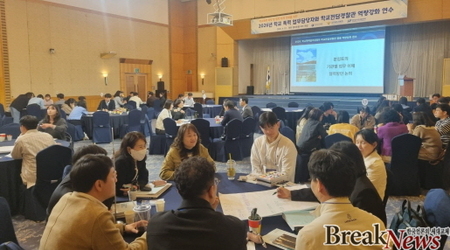
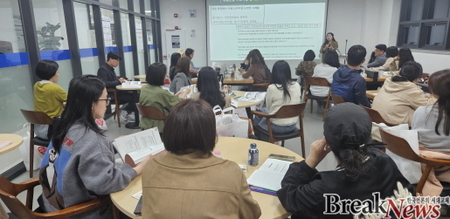
▲ 정책보고서 표지(사진제공:인천대학교) © 박상도 기자 |
(브레이크뉴스인천 박상도 기자) 인천대학교 지역동행플랫폼이 3일, 인천광역시 제조업의 경쟁력 제고를 위해 스마트공장 보급, 납품단가 연동제 등 관련 국가시책의 현장 실태를 조사 분석하고 그 결과를 담은 최종 정책보고서를 발간했다고 밝혔다.
이번 보고서는 중앙부처와 인천광역시, 시의회 등에 정책 개선 방안으로 건의될 예정이다.
앞서 지역동행플랫폼은 인천상공회의소와 공동으로 설문조사를 실시하고, 이해관계자 면담과 정책토론회(8.12)를 진행하며 현장의 목소리를 종합했다.
최종 보고서에 따르면, 중소벤처기업부는 2025년 기준 인천지역 중견·중소기업 스마트공장 보급률이 15%로 전국 지자체 중 6위라고 발표했다.
그러나 2023년 인천시 자료에 따르면 뿌리기업의 보급률은 7.3%에 불과하며, 지원기업수도 2021년 147개사에서 올해 36개 사로 크게 감소한 것으로 나타났다.
설문조사 결과, 스마트공장을 이미 도입한 기업의 95%가 고도화 의향을 밝혔고, 미도입 기업의 62%도 필요성을 인식한 것으로 확인됐다.
응답 기업들은 정부 지원 확대를 가장 시급한 과제로 꼽았으며, 응답기업들의 18%는 고객사로부터 데이터 제공을 요구받았다고 응답했다.
특히 거래 관계 개선을 주요 성과로 언급한 점은 스마트공장이 단순한 생산성 향상을 넘어 공급망 관리에도 중요한 역할을 하고 있음을 보여준다.
이와 관련해 보고서는 인천광역시가 대기업 참여 상생형 스마트공장 보급 사업을 기획하고, 지역 산업 전략과 연계한 확산 계획을 마련해야 한다고 강조했다.
아울러 중앙정부 차원에서도 지자체가 지역 여건에 맞게 차별화된 계획을 운영할 수 있도록 사업방식을 개선하고, 대기업 참여에 대한 인센티브를 강화할 필요가 있다고 제언했다.
또한, 납품단가 연동제는 제도 시행 초기 단계로, 제조현장에 조기 정착시키는 것이 중요하다고 분석했다.
설문조사에서는 응답기업의 70%가 제도 내용을 숙지하지 못했으며, 원청기업의 86%가 제도를 전혀 모르거나 명칭만 알고 있는 수준인 것으로 드러났다.
하청기업의 원가정보 공개 부담, 원청기업의 결제 지연 남용 등 주요 애로사항으로 지적되었다.
이에 보고서는 인천광역시가 중앙부처와 협력하여 원청기업 대상 정책 홍보 및 현장감독을 강화하고, 지역 내 대․중소기업 상생문화를 확산시켜야 한다고 제시했다.
연구를 수행한 신봉삼 박사(현 서울대학교 한국행정연구소 객원연구원, 전 공정거래위원회 사무처장)는 “중앙정부와 지자체가 협업하고, 대기업과 중소기업이 상생하는 전략을 통해 AI 대전환 시대에 제조업 경쟁력을 신속히 강화하고 지역 산업 기반을 튼튼히 다져야 한다”고 강조했다.
*아래는 위 기사를 ‘구글 번역’으로 번역한 영문 기사의 [전문]입니다.‘구글번역’은 이해도 높이기를 노력하고 있습니다. 영문 번역에 오류가 있을 수 있음을 전제로 합니다.<*Below is the full text of the English translation of the above article, translated using Google Translate. Google Translate strives to improve comprehension. Please understand that errors may exist in the English translation.>
Incheon National University's Regional Partnership Platform Publishes Policy Report to Enhance Incheon City's Manufacturing Competitiveness
Smart factory expansion requires alignment with industrial strategies and comprehensive expansion of local government and large corporation participation.
The supply price linkage system requires strengthening policy promotion for primary contractors and eliminating on-site fraudulent practices.
-Break News Incheon Park Sang-do Reporter
Incheon National University's Regional Partnership Platform announced on the 3rd that it has published a final policy report containing the findings from a survey and analysis of the on-site status of national policies related to the promotion of smart factories and the supply price linkage system to enhance the competitiveness of Incheon Metropolitan City's manufacturing industry.
This report will be submitted to central government agencies, Incheon Metropolitan City, and the city council as recommendations for policy improvement.
Previously, the Local Partnership Platform conducted a survey in collaboration with the Incheon Chamber of Commerce and Industry, and gathered feedback through stakeholder interviews and a policy discussion (August 12).
According to the final report, the Ministry of SMEs and Startups announced that the smart factory penetration rate among SMEs in Incheon will reach 15% by 2025, ranking 6th among local governments nationwide.
However, according to Incheon City data from 2023, the penetration rate among root companies is only 7.3%, and the number of supported companies has also significantly decreased from 147 in 2021 to 36 this year.
The survey results showed that 95% of companies that have already adopted smart factories expressed a desire to upgrade, while 62% of those who have not yet adopted them also recognized the need.
Respondents identified expanded government support as their most urgent task, and 18% of respondents said they have received requests for data from their clients.
The fact that improved business relationships were cited as a key achievement demonstrates that smart factories play a crucial role in supply chain management beyond simply improving productivity.
In this regard, the report emphasized that Incheon Metropolitan City should plan a smart factory expansion project with the participation of large corporations and develop a plan for expansion aligned with regional industrial strategies.
Furthermore, the report suggested that the central government should improve its business model to allow local governments to implement differentiated plans tailored to their local circumstances and strengthen incentives for large corporations to participate.
Furthermore, the report analyzed that the supply unit price linkage system is still in its initial stages of implementation, and that early implementation in manufacturing sites is crucial.
The survey revealed that 70% of respondents were unaware of the system's details, and 86% of prime contractors were either completely unaware of the system or only knew its name.
Major challenges identified included the burden of subcontractors disclosing cost information and prime contractors' abuse of delayed payment practices.
Accordingly, the report suggests that Incheon Metropolitan City should cooperate with central government agencies to strengthen policy promotion and on-site supervision for primary contractors and promote a culture of mutual growth between large and small businesses in the region.
Dr. Shin Bong-sam (currently a visiting researcher at the Korea Institute of Public Administration, Seoul National University; former Secretary-General of the Fair Trade Commission), who conducted the study, emphasized, "The central and local governments must collaborate, and through strategies that foster mutual growth between large and small businesses, we can rapidly strengthen manufacturing competitiveness in the era of AI transformation and solidify the regional industrial foundation."
원본 기사 보기:ebreaknews.com