2026년 지방선거는 단순한 지방 권력의 분배를 넘어, 대한민국 정치지형 전체를 뒤흔들 분수령이다. 윤석열 전 대통령 탄핵 이후 무너진 보수의 정체성 회복, 민주당의 밴드웨건 효과 차단, 그리고 수도권은 물론 충청권과 부산-울산-경남 지역의 민심 방어라는 삼중 과제가 국민의힘 앞에 놓여 있다.
무엇보다 이번 선거의 성패를 가르는 결정적 변수는 중도층·수도권·청년층이다. 수도권(서울·경기·인천)은 대한민국 인구의 절반, 약 2,600만 명이 거주하고 전국 총생산의 절반 이상을 차지하는 정치·경제의 심장부다. 이 지역 유권자만으로도 전체 선거의 향방이 갈린다. 여기에 18~39세 청년 유권자가 전국적으로 약 1,500만 명, 그 중 800만 명 이상이 수도권에 집중되어 있다. 즉 수도권 청년층은 단일 블록으로도 전체 선거 판세를 바꿀 수 있는 힘을 갖고 있다.
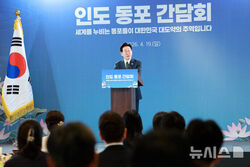
 ▲ 장동혁 국민의힘 대표. 사진/뉴시스. |
2018년 지방선거에서 민주당이 압승한 것도 수도권 청년·중도층의 결집이 결정적이었다. 반대로 2022년 지방선거에서 국민의힘이 반등할 수 있었던 이유는 수도권 중도 민심의 균형 심리와 청년 세대의 정권심판 정서가 작용했기 때문이다. 2026년 지방선거 역시 결과는 똑같은 법칙에 따라 좌우된다.
따라서 이번 선거는 단순히 TK 텃밭을 지키는 싸움이 아니다. 수도권에서 중도 민심을 사수하고, 청년층의 신뢰를 얻어야만 전국정당으로 생존할 수 있다. 그렇지 못하다면 TK의 몰표조차 승리가 아니라 고립의 증거가 될 뿐이다. 수도권과 청년층의 마음을 잃는 순간, 국민의힘은 전국정당에서 지역정당으로 추락할 수밖에 없다.
이번 시험대에서 실패한다면 TK 지역정당으로 쪼그라드는 운명을 피하기 어렵다. 반대로 혁신적 공천과 권역별 전략, 그리고 감동을 주는 정치혁신이 결합된다면 2018년의 치욕을 넘어 보수 재건의 원년으로 삼을 수도 있다. 2026년은 보수 재건의 마지막이자 최후의 기회다.
○ 혁명적 공천제도―국민 감동의 출발점
길이 없는 것은 아니다. 혁명적 공천제도다. 민주당이 거물급이지만 논란이 되는 인물을 다시 내세울 때, 국민의힘은 공천에서부터 우리는 완전히 달라졌다는 신호를 주어야 한다.
2025년 하반기에 공천관리위원회를 발족하고 투명성, 청년, 여성, 시민참여라는 네 가지 원칙을 확정해야 한다. 2026년 1월부터 이를 제도화해 공천 심사와 경선 절차를 전면 공개하고, 청년과 여성에 30% 할당하고, 부패나 논란이 되는 인사에 대해 관용 제로 규정을 선포해야 한다. 수도권과 100만 대도시에서 공개 오디션을 통해 후보군을 검증하고, 일반 국민이 참여하는 토론과 평가를 도입해 신선한 얼굴들을 전면에 세워야 한다. 2026년 3월에 시작되는 공천 과정은 온라인 생중계로 공개되어야 하며, 일반 국민이 최소 20%의 참여권을 갖는 시스템으로 운영해야 한다. 탈락자와 선정 이유까지 투명하게 발표할 때 국민은 밀실 공천의 유령이 사라졌음을 체감할 것이다. 선거 직전에는 국민이 뽑은 후보 30%라는 캠페인을 통해 청년과 여성 스타 후보를 전면에 내세워야 한다.
이 공천제도가 작동하면 국민의힘은 단순히 민주당과 경쟁하는 것이 아니라, 정당 자체가 변했다는 국민 감동을 만들어낼 수 있다. 그 감동이야말로 밴드웨건의 흐름을 멈추고 뒤집는 결정적 변수다.
○ 공천 혁신을 넘어선 정치 쇄신
공천의 혁신만으로는 충분하지 않다. 국민이 체감할 수 있는 정치 혁신이 병행되어야 한다.
첫째, 정당 운영을 시민에게 개방해야 한다. 당무 회의와 주요 의사결정 과정을 온라인으로 공개하고, 일반 국민이 직접 의견을 제시할 수 있는 플랫폼을 만들어야 한다.
둘째, 정치인의 특권을 과감히 내려놓아야 한다. 불체포특권과 면책특권의 내려놓기, 특수활동비의 폐지, 보좌진 채용의 투명화 등은 상징적이지만 강력한 메시지를 줄 수 있다.
셋째, 국민과의 소통을 형식이 아닌 실질로 바꿔야 한다. 현장 간담회를 정례화하고, 청년, 노동자, 소상공인 등 사회 각계의 생생한 목소리를 즉각 정책화하는 시스템을 마련해야 한다.
정치 혁신은 거창한 구호가 아니라 국민이 일상에서 정치가 변했다고 느끼게 하는 구체적 변화여야 한다. 이러한 쇄신은 전략의 기본 축은 아니지만, 공천 혁신을 국민 감동으로 연결하는 보완 장치다. 국민의힘이 먼저 변할 때, 민주당의 기득권 정치는 상대적으로 낡아 보이게 될 것이다.
○ 권역별 승리 전략
첫째, 수도권 방어가 최우선이다. 수도권이 무너지면 전국이 무너진다. 서울은 교통·주거·재개발 공약으로 생활밀착형 승부를 걸어야 한다. 재개발·재건축 규제 완화, GTX·지하철망 확충, 청년·신혼부부 주거 안정책을 내놓고, 도시행정 전문가형 후보를 내세워 정치인 vs 행정가의 대비 구도를 만들어야 한다. 경기는 3기 신도시 교통망과 보상, GTX A·B·C 노선 조기 완공, 반도체·배터리 산업 클러스터를 전면에 내세워야 한다. 인천은 공항·항만·국제무역도시로서의 미래 비전을 강조하고, 송도·청라·영종을 잇는 글로벌 비즈니스벨트를 내세워야 한다. 수도권 후보는 반드시 조기에 공천을 확정해 장기 레이스에 들어가야 하고, 청년과 여성 인재를 전면에 배치해 낡은 민주당 vs 새로운 국민의힘 대립 구도를 형성해야 한다. 수도권에서 반등의 기세만 보여도 충청과 PK는 흔들리게 되어 있다.
둘째, 충청권 공략이다. 충청은 수도권 밴드웨건에 가장 민감하게 반응하지만, 단순 종속 구도로 두면 필패다. 따라서 충청 독자 의제를 만들어야 한다. 세종시는 행정수도 논란 대신 신산업 수도로 재정의해야 하고, 대전·세종의 과학벨트와 국방산업을 결합해 미래 전략산업 수도로 포지셔닝해야 한다. 충남·충북 농촌 지역에는 충청형 스마트농업 지원 패키지를 내세워 농민과 고령층 표심을 붙잡아야 한다. 충청 후보군은 수도권 반등 신호를 확산시키는 동시에, 지역의 독자적 비전을 제시할 수 있는 중량급 인물이어야 한다.
셋째, 부산-울산-경남 수성 전략이다. 부산에서는 민주당이 조국 전 장관을 내세워 정권 피해자 프레임을 만들려 할 것이다. 그러나 국민의힘은 부산 경제의 희생양은 조국이 아니라 시민이라는 프레임으로 맞불을 놓아야 한다. 가덕도 신공항, 북항 재개발, 해양금융 허브 공약을 수치와 실행계획으로 제시하면서 조국의 정치적 서사를 생활문제로 전환해야 한다. 경남에서는 김경수의 과거의 정치인 부활 이미지를 깨고, 드루킹 사건의 도덕성 논란을 상기시키며 동시에 조선, 항만, 기계 산업 회생이라는 구체적 경제 재건 로드맵을 내세워야 한다. 논란 후보 vs 산업 재건 주체 구도를 만들 때 승산이 생긴다. 울산은 노동계 결집이 변수지만, 노동과 기업이 공존하는 울산이라는 메시지를 통해 민주당의 갈라치기를 역공해야 한다.
넷째, TK 지역정당화 방지다. TK는 단순한 안전지대가 아니라 전국정당 생존의 교두보다. 지방대학 혁신, 중소기업 지원, 신산업 특구를 TK에서 시범 운영해 성공 모델을 전국으로 확산시켜야 한다. TK가 몰표를 주더라도 그것이 지역당의 몰표가 아니라 정책 실험실의 성공으로 읽힐 때 전국적 지지를 견인할 수 있다.
다섯째, 전국정당 이미지 유지다. 호남에서 민주당이 거물급을 내세우더라도, 국민의힘은 반드시 후보를 내야 한다. 승산 여부를 떠나, 논란 있는 거물 vs 깨끗하고 성실한 인물 구도를 만들어야 한다. 장기적으로 호남에서는 경제와 민생에 강한 제1야당 이미지를 누적해야 한다.
여섯째, 캠페인 전술 혁신이 필요하다. 빅데이터와 SNS를 활용해 지역별 맞춤형 메시지를 매일 송출하고, 개별 후보 캠페인을 넘어 국민의힘 지방정부 연합이라는 공동 브랜드를 구축해야 한다. 전국 대학가와 청년층을 중심으로 청년 선거군단을 조직해 오프라인과 온라인을 연결하는 역동적 유세를 전개해야 한다.
중도층·수도권·청년 공략―승부를 가르는 보강 축
국민의힘이 전국정당으로 서려면 결국 중도층·수도권·청년층을 동시에 아우르는 전략적 돌파가 필요하다. 이는 기존의 공천 혁신이나 권역별 전략을 보완하며, 승패의 무게추를 결정적으로 움직이는 요소가 된다.
첫째, 중도층이다. 중도층은 이념보다 안정과 실용을 중시한다. 따라서 극단적 진영 대립을 피하고, 주거·교육·의료·노동 같은 생활 문제에서 구체적이고 실현 가능한 대안을 내놓아야 한다. 중도층은 선거판의 무당파가 아니라, 실제로 승패를 가르는 ‘캐스팅 보트’다. 국민의힘이 실용성과 책임감을 앞세울 때 민주당의 밴드웨건 효과는 균열된다.
둘째, 수도권이다. 수도권은 인구 절반이 거주하는 정치의 심장부다. 이미 공약 차원에서 교통·주거·산업 비전이 제시되었지만, 여기에 더해 수도권 특유의 정치 피로감을 해소해야 한다. “갈등을 증폭시키는 정당”이 아니라 “해법을 제시하는 정당”이라는 이미지를 줄 때, 수도권 민심은 움직인다. 국민의힘 후보들은 정책적 전문성과 현장 실행력을 겸비한 인물로 구성되어야 하며, 이들이 장기 레이스를 통해 생활 밀착
형 메시지를 반복할 때 수도권 민심은 변화를 체감한다.
셋째, 청년층이다. 청년층은 단순히 인구 비중이 아니라 미래를 대표한다. 국민의힘이 청년 후보를 30% 이상 내세우는 데 그치지 않고, 청년이 직접 정책을 설계·실행하는 구조를 만들어야 한다. 청년 스타트업 지원, 대학 등록금 완화, 주거·교통 바우처 같은 과제는 청년에게 직접 기회가 된다는 점에서 설득력이 있다. 나아가 SNS·숏폼 중심의 청년 선거군단이 전국적으로 활동할 때, 국민의힘은 민주당과 차별화된 ‘젊고 역동적인 정당’ 이미지를 구축할 수 있다.
중도층은 안정, 수도권은 생활해법, 청년층은 기회와 미래. 이 세 축을 정밀하게 결합할 때 국민의힘은 단순한 방어가 아니라 역공의 발판을 마련하게 된다.
결론
 ▲ 필자/김정기 칼럼니스트. ©브레이크뉴스 |
2026년 지방선거는 단순한 승패가 아니다. 그것은 국민의힘이 전국정당으로 생존할 것인가, TK 지역정당으로 쪼그라들 것인가를 결정짓는 최후의 시험대다. 혁명적 공천제도에 수도권 방어, 충청 독자 의제, 부산-울산-경남 수성, TK 정책 실험실, 전국정당 이미지까지 모두 결합해야만 한다. 여기에 중도층 포섭·수도권 집중·청년층 흡수 전략이 더해질 때 비로소 승리의 문은 열리게 된다.
2018년의 치욕을 반복할지, 아니면 2026년을 보수 재건의 출발점으로 만들지는, 오직 국민의힘이 수도권 중도와 청년을 지켜내고, 혁명적 공천으로 국민 감동을 이끌어내며, 밴드웨건의 기세를 뒤집을 수 있느냐에 달려 있다. 만약 이번에 실패한다면, 보수에게 다시는 기회가 주어지지 않을 것이다. 2026년은 보수 재건의 마지막이자 최후의 기회다. jeongkeekim@naver.com
*필자/김정기
● 학력
- 뉴욕주립대학교(Stony Brook) 정치학과 수석 졸업
- 마케트대학교(Marquette) 로스쿨 법학박사
- 하버드대학교(Harvard) 케네디스쿨 최고위 과정
- 베이징대학교(Peking) 북한학 연구학자
● 경력
- 세계스마트시티기구(WeGO) 사무총장 (현)
- 유엔 국제전기통신연합 (UN ITU) 가상세계 및 AI 글로벌 이니셔티브 집행위원(현)
- 아시아태평양지방정부네트워크(CityNet) 대표
- 제8대 주상하이 대한민국 총영사(13등급 대사)
- 2010 상하이엑스포 대한민국관 정부대표
- 제17대 대선 한나라당 이명박 대통령 후보 국제위원장
- 제20대 대선 국민의힘 윤석열 대통령 후보 정치개혁 공약 총괄
- 제21대 대선 국민의힘 김문수 대통령 후보 외교고문
- 자유한국당 오세훈 당대표 후보 SH전략회의 총괄 및 조직본부 총괄본부장
- 자유한국당 서울시장 예비후보
- 법무법인 대륙아주 중국 총괄 미국변호사\
- 난징대학교 국제경제연구소 객좌교수
- 동국대학교 경영전문대학원 석좌교수
- 숭실사이버대학교 총장
● 저서
1. 대학생을 위한 거로영어연구[전 10권](거로출판사)
2. 나는 1%의 가능성에 도전한다(조선일보사)
3. 한국형 협상의 법칙(청년정신사)
4. 대한민국과 세계 이야기 (도서출판 책미듬)
5. Korea and the World (Advance Reader Copy)
*아래는 위 기사를 '구글 번역'으로 번역한 영문 기사의 [전문]입니다. '구글번역'은 이해도 높이기를 위해 노력하고 있습니다. 영문 번역에 오류가 있을 수 있음을 전제로 합니다.<*The following is [the full text] of the English article translated by 'Google Translate'. 'Google Translate' is working hard to improve understanding. It is assumed that there may be errors in the English translation.>
[In-Depth Analysis] People Power Party's Strategy for Victory in the 2026 Local Elections
- Kim Jeong-gi, Columnist
The 2026 local elections are a watershed moment that will shake up the entire political landscape of South Korea beyond the mere distribution of local power. The People Power Party faces the triple challenge of restoring the conservative identity that collapsed after the impeachment of former President Yoon Seok-yeol, countering the Democratic Party's bandwagon effect, and securing public support not only in the Seoul metropolitan area but also in the Chungcheong region and Busan, Ulsan, and South Gyeongsang provinces.
Above all, the decisive variables determining the success or failure of this election are the moderates, the Seoul metropolitan area, and the youth. The Seoul metropolitan area (Seoul, Gyeonggi, and Incheon) is the political and economic heart of South Korea, home to approximately 26 million people—half the population—and accounting for more than half of the country's gross domestic product. Voters in this region alone will determine the outcome of the entire election. Furthermore, there are approximately 15 million young voters aged 18 to 39 nationwide, with over 8 million concentrated in the Seoul metropolitan area. In other words, the youth of the Seoul metropolitan area possess the power to change the overall election landscape even as a single bloc.
The Democratic Party's landslide victory in the 2018 local elections was also crucial to the unification of young and moderate voters in the Seoul metropolitan area. Conversely, the People Power Party's rebound in the 2022 local elections was due to the balanced sentiment of moderate voters in the Seoul metropolitan area and the youth generation's desire to judge the current administration. The outcome of the 2026 local elections will also be determined by the same principles.
Therefore, this election is not simply a battle to protect the TK stronghold. Only by securing moderate support in the Seoul metropolitan area and earning the trust of young people can the party survive as a national party. Failure to do so will result in even a landslide victory for the TK party, not in victory, but in isolation. The moment the party loses the support of the Seoul metropolitan area and the youth, the People Power Party will inevitably be reduced from a national party to a regional one.
If it fails this test, it will be difficult to avoid its fate of being reduced to a TK regional party. Conversely, if innovative nominations, regional strategies, and inspiring political innovations are combined, we can move beyond the humiliation of 2018 and make it the first year of conservative reconstruction. 2026 is the final and final opportunity for conservative reconstruction.
○ Revolutionary Nomination System – A Starting Point for Emotional Public Relations
There is a path forward. This is a revolutionary nomination system. While the Democratic Party is once again nominating a prominent yet controversial figure, the People Power Party must signal a complete transformation, starting with its nomination process.
The Nomination Management Committee should be launched in the second half of 2025 and establish four principles: transparency, youth, women, and civic participation. Starting in January 2026, this system should be institutionalized, fully disclosing the nomination screening and primary process, quotaing 30% of the seats for youth and women, and declaring a zero-tolerance policy for corruption or controversial candidates. Candidates should be vetted through open auditions in the Seoul metropolitan area and major cities with a population of one million, and discussions and evaluations involving the general public should be introduced to bring fresh faces to the forefront. The nomination process, which begins in March 2026, should be live-streamed online and operated under a system in which the general public has at least 20% of the vote. Transparency, including the reasons for the selection and the candidates who were eliminated, will allow the public to sense the disappearance of the ghost of closed-door nominations. Leading up to the election, a campaign calling for 30% of the candidates chosen by the people should be launched, highlighting young and female star candidates.
If this nomination system works, the People Power Party will not simply compete with the Democratic Party, but will be able to create a public perception that the party itself has changed. This sentiment is the critical variable that can halt and reverse the bandwagon.
○ Political Reform Beyond Nomination Innovation
Nomination innovation alone is not enough. Political reform that the public can perceive must be implemented alongside it.
First, party operations must be opened to the public. Party meetings and key decision-making processes must be made public online, and a platform must be created where ordinary citizens can directly voice their opinions.
Second, politicians must boldly relinquish their privileges. Relinquishing immunity from arrest and prosecution, abolishing special activity funds, and increasing transparency in the hiring of aides can be symbolic, yet send a powerful message.
Third, communication with the public must shift from formality to substance. Regularize on-site meetings and establish a system that immediately translates the voices of young people, workers, small business owners, and other sectors of society into policy.
Political innovation should not be grand slogans, but concrete changes that allow citizens to perceive a change in politics in their daily lives. While this reform is not a fundamental strategic pillar, it is a complementary mechanism that connects nomination innovation with public sentiment. If the People Power Party changes first, the Democratic Party's vested-interest politics will appear relatively outdated.
○ Regional Victory Strategy
First, defending the Seoul Metropolitan Area is the top priority. If the Seoul Metropolitan Area collapses, the entire nation will collapse. Seoul must prioritize a battle focused on transportation, housing, and redevelopment, focusing on real-world issues. It should ease redevelopment and reconstruction regulations, expand the GTX and subway networks, and introduce housing stability policies for young people and newlyweds. It should field candidates with expertise in urban administration, creating a competitive landscape between politicians and administrators. Gyeonggi Province should prioritize the transportation network and compensation for the three new cities, the early completion of the GTX A, B, and C lines, and the semiconductor and battery industry cluster. Incheon should emphasize its future vision as an airport, port, and international trade city, and promote a global business belt connecting Songdo, Cheongna, and Yeongjong. Candidates in the Seoul metropolitan area must secure their nominations early to enter the long race, and by deploying young and female talent at the forefront, it should create a confrontation between the old Democratic Party and the new People Power Party. Even a slight rebound in the Seoul metropolitan area could destabilize Chungcheong and the People's Democratic Party.
Second, the Chungcheong region must be targeted. Chungcheong is most sensitive to the Seoul metropolitan area's bandwagon, but simply remaining subordinate will lead to a doomed defeat. Therefore, Chungcheong must develop its own agenda. Sejong City should redefine itself as a new industrial capital, rather than focusing on the administrative capital debate. It should combine the science belt of Daejeon and Sejong with the defense industry to position itself as a future strategic industrial capital. In rural areas of South Chungcheong and North Chungcheong, a Chungcheong-style smart agriculture support package should be introduced to capture the votes of farmers and the elderly. Chungcheong candidates should be heavyweights who can spread signals of a rebound in the Seoul metropolitan area while also presenting a unique vision for the region.
Third, a strategy to defend Busan, Ulsan, and South Gyeongsang Province is needed. In Busan, the Democratic Party will likely use former Minister Cho Kuk to frame the regime as a victim. However, the People Power Party should counter by framing the Busan economy as a victim, not Cho Kuk, but its citizens. By presenting figures and implementation plans for the Gadeokdo New Airport, North Port redevelopment, and maritime finance hub, the party should shift Cho Kuk's political narrative to a matter of daily life. In Gyeongnam, we must shatter Kim Kyung-soo's image as a former politician, recall the moral controversies surrounding the Druking scandal, and simultaneously present a concrete roadmap for economic reconstruction, focusing on the revitalization of the shipbuilding, port, and machinery industries. Creating a structure that pits controversial candidates against those spearheading industrial reconstruction will ensure success. While labor union unity is a key factor in Ulsan, we must counter the Democratic Party's attempts to divide the region by conveying the message that Ulsan is a place where labor and businesses coexist.
Fourth, we must prevent the regionalization of TK. TK is not simply a safe haven, but a springboard for the survival of the national party. Successful models should be piloted in TK for local university innovation, support for small and medium-sized enterprises, and new industrial special zones, and then spread nationwide. Even if TK receives a landslide victory, it can only garner national support if it is seen as a successful policy laboratory, not a regional party's.
Fifth, we must maintain the image of a national party. Even if the Democratic Party nominates a prominent figure in Honam, the People Power Party must field a candidate. Regardless of the odds of victory, we must create a structure that pits a controversial figure against a clean and honest figure. In the long term, the primary opposition party in Honam must build an image of itself as a strong economic and livelihood leader.
Sixth, innovative campaign tactics are necessary. Big data and social media should be utilized to deliver daily, customized messages for each region. Beyond individual candidate campaigns, the People Power Party should establish a common brand as a local government coalition. A youth electoral force should be organized, focusing on university campuses and young people nationwide, and a dynamic campaign should be launched, combining offline and online campaigns.
Targeting the Moderate, the Seoul Metropolitan Area, and the Youth: A Strengthening Axis That Determines Victory
For the People Power Party to establish itself as a national party, a strategic breakthrough is essential, encompassing the moderate, the Seoul Metropolitan Area, and the youth. This complements existing nomination innovations and regional strategies, and will be a decisive factor in determining victory or defeat.
First, the moderate. The moderate class prioritizes stability and pragmatism over ideology. Therefore, it must avoid extreme partisan conflict and present concrete and feasible alternatives on everyday issues like housing, education, healthcare, and labor. The moderate class is not a party ally in the election, but rather a "casting vote" that determines victory or defeat. If the People Power Party prioritizes pragmatism and responsibility, the Democratic Party's bandwagon effect will be disrupted.
Second, the Seoul Metropolitan Area. This is the political heartland, home to half the population. While visions for transportation, housing, and industry have already been presented in pledges, the party must also address the political fatigue inherent in the Seoul Metropolitan Area. When the People Power Party presents itself as a "party that proposes solutions" rather than a "party that exacerbates conflict," public sentiment in the Seoul metropolitan area will shift. The People Power Party's candidates must be comprised of individuals with both policy expertise and practical execution skills. When they repeatedly deliver messages relevant to everyday life through long-term races, the public in the Seoul metropolitan area will sense a tangible shift.
Third, the youth. Youth represent not just a demographic but the future. The People Power Party must go beyond fielding at least 30% of young candidates; it must create a structure where young people directly design and implement policies. Issues like supporting youth startups, easing university tuition, and providing housing and transportation vouchers are compelling because they directly provide opportunities for young people. Furthermore, when a youth electoral force focused on social media and short-form content is active nationwide, the People Power Party can establish a "young and dynamic party" image, differentiating itself from the Democratic Party.
The moderates will prioritize stability, the Seoul metropolitan area will prioritize solutions for everyday life, and the youth will prioritize opportunity and the future. By precisely combining these three pillars, the People Power Party will not simply defend itself but establish a foundation for a counteroffensive.
Conclusion
The 2026 local elections are not simply a matter of victory or defeat. They are the final test, determining whether the People Power Party will survive as a national party or be reduced to a TK regional party. They must combine a revolutionary nomination system with a defense of the Seoul metropolitan area, an independent Chungcheong agenda, the preservation of Busan, Ulsan, and South Gyeongsang Province, a TK policy laboratory, and a national party image. Only when these strategies are combined—capturing the centrist vote, concentrating on the Seoul metropolitan area, and attracting young people—will the door to victory open.
Whether the People Power Party will repeat the humiliation of 2018 or make 2026 the starting point for conservative reconstruction depends solely on whether it can protect centrists and youth in the Seoul metropolitan area, inspire the public with revolutionary nominations, and reverse the bandwagon's momentum. If it fails this time, the conservatives will never have another chance. 2026 is the final and final opportunity for conservative reconstruction. jeongkeekim@naver.com
*Author/Kim Jeong-gi
● Education
- Summa Cum Laude, Department of Political Science, State University of New York (Stony Brook)
- Doctor of Law, Marquette Law School
- Harvard Kennedy School, Executive Program
- North Korean Studies Research Scholar, Peking University
● Career
- Secretary General of the World Smart Cities Organization (WeGO) (current)
- Executive Committee Member, Virtual World and AI Global Initiative, UN International Telecommunication Union (UN ITU) (current)
- Representative of the Asia-Pacific Local Government Network (CityNet)
- 8th Consul General of the Republic of Korea in Shanghai (Ambassador, Class 13)
- Government Representative, Republic of Korea Pavilion, 2010 Shanghai Expo
- Chairman of the International Affairs Committee, Grand National Party (GNP) Presidential Candidate Lee Myung-bak in the 17th Presidential Election
- Chief of Political Reform Pledges, People Power Party (PPP) Presidential Candidate Yoon Seok-yeol in the 20th Presidential Election
- People Power Party (PPP) Presidential Candidate for the 21st Presidential Election Kim Moon-soo, Foreign Affairs Advisor for Presidential Candidate
- Oh Se-hoon, Liberty Korea Party Representative Candidate, SH Strategy Council, and Head of the Organization Headquarters
- Liberty Korea Party Preliminary Candidate for Seoul Mayor
- American Attorney General, China Office, Continental Law Firm
- Visiting Professor, Nanjing University International Economics Institute
- Distinguished Professor, Dongguk University Graduate School of Business
- President, Soongsil Cyber University
● Books
1. Georo English Studies for College Students [10 Volumes] (Georo Publishing)
2. I Challenge the 1% Chance (Chosun Ilbo)
3. The Law of Korean Negotiation (Chungnyeon Jeongshinsa)
4. Korea and the World (Chaekmidum Publishing)
5. Korea and the World (Advance Reader Copy)