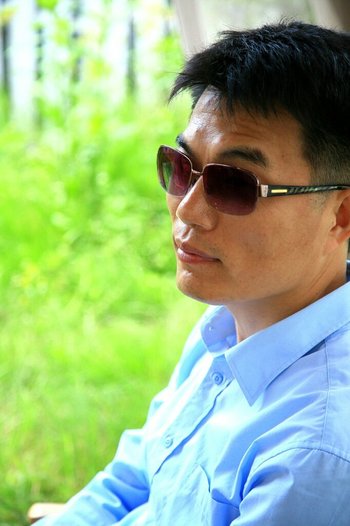
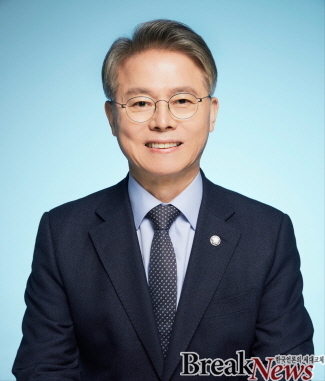
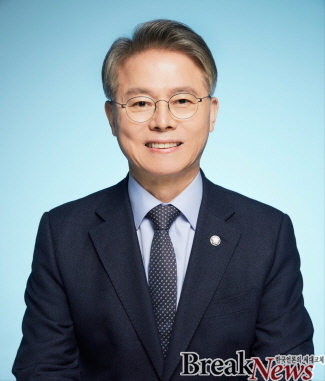
▲필자/ 이양승 군산대 교수. ©브레이크뉴스 |
미국 조지아에 구금됐던 한국 근로자들이 돌아왔다. 한국 언론이 약간 오버하는 것 같다. 마치 미국이 한국 근로자들을 ‘범죄자 취급’ 했다는 식이다. 팩트는 한국 근로자들이 법을 어겨가며 근로를 하고 있었다는 것이다. 다시 지적하지만, 미국에서 외국인의 노동은 권리가 아니라 특권이다. 외국인이 하바드에서 박사를 받았어도 미국에서 정식으로 일을 하고 임금을 받으려면 노동허가가 꼭 필요하다. 공부를 잘하고 못하고 유능하고 무능하고의 문제가 아니다.
한국 근로자들이 한 두 명도 아닌 300백 명 넘게 단체로 노동허가도 받지 않고 일을 하고 있었다. 이는 보통 심각한 게 아니다. 물론 그걸 단속하는 미국 당국이 야속하게 느껴질테지만 그 단속이 부당하다는 식의 보도는 분명 문제가 있다. 나름대로 포인트는 이런 것이다. 이를테면, 바이든 정부 때는 불법노동 단속을 하지 않았는데 왜 트럼프 정부는 단속을 하느냐는 것이다.
하나 묻자. 단속을 하지 않으면 그게 정당성을 얻는 것일까? 예를 들어, 음주단속을 하지 않으면 음주운전이 정당한 것일까? 그렇지 않다. 음주단속을 하고 말고를 떠나서 음주운전은 해서는 안된다. 음주와 노동은 다르지 않느냐고 항변하려는 모양인데 그냥 ‘노동’이 아니라 ‘불법노동’이다. 어느 나라나 법률이 있고 특히 미국은 불법체류자들이 매우 많다. 게다가 트럼프 정부는 불법체류에 대해 관용을 베풀 지 않을 것임을 예고했다. 미국 언론도 그 점을 계속 보도해오고 있었다.
항상 그렇지만 한국의 정책은 뼈아픈 구석이 참 많다. 매사 소 잃고 외양간 고치는 식이다. 이번 사태를 놓고 갑론을박 한다는 게 무슨 의미가 있을까 싶지만 이성을 잃은 억지 주장은 국익에 도움을 주지 못한다. 정히 그럴테면 책임 소재를 분명히 가려보라. 이번 사태를 두고 아무에게도 책임이 없을 순 없을 것이다. 그렇다면 이게 과연 누구 책임일까? 미국 정부에 책임이 있을까? 미국 영토 내에서 벌어진 불법노동을 단속하고 문제 제기를 한건 데 미국 정부에 대해 무슨 책임을 물을 수 있을까? 안타깝지만 그 책임은 한국으로 돌아올 수밖에 없다.
미국 사회는 지금까지 불법체류자들에게 관용을 베풀어왔을 뿐이다. 불법체류자들의 노동이 미국 경제에 기여하는 측면도 있을 수 ㅇㅆ다. 하지만 그렇다고 해서 불법체류와 불법노동이 정당성을 얻는 건 아니다. 한국인은 곧잘 착각한다. 그래서 나온 말이다. 호의를 계속 베풀면 그걸 권리라고 생각한다고. 미국에서 노동허가를 받는 건 권리가 아니라 의무다. 아무리 미국이 한국의 동맹 국가이고 한국에 우호적인 나라라고 해도 외국은 외국이다. 그리고 미국만큼 불법노동에 관대한 나라도 드물다. 한국 동포들 중에도 불법체류에 불법노동을 하고 있는 이들 많다.
갈수록 황당한 목소리가 많아지고 있다. 국내 미국인 영어강사들을 잡아들이자는 소리도 있다. 그 영어강사들이 조직적으로 불법노동을 하는 게 아니다. 그렇게 대응을 한다면, 그 영어강사들을 고용해 돈을 버는 학원 원장들이 먼저 책임을 져야 할 것이다. 감정적 대응은 도움이 되지 못한다. 망신당하는 쪽은 한국일 것이다. 한국에 사는 미국인들보다 미국에 사는 한국인들이 월등히 많다. 비교조차 할 수 없다.
예나 지금이나 스스로를 돌아보지 않고 억지 주장을 하는 사람들이 많다. 한국 언론도 마찬가지다. 특히 미국 또는 일본과의 외교문제가 발생하면 무작정 ‘피해자 코스프레’로 이어지는 것 같아 아쉽다. 그 과정에서 문제의 본질을 놓치고 만다. 누군가 정치적 이윤만 챙겨갈 뿐이다. 그리고 같은 문제가 또 발생한다. 이제 와서 누구를 탓할 게 아니라 그 근로자들이 노동허가를 단기간에 얻고 대미 직접투자와 기업 활동에 연속성이 보장되도록 노력을 기울일 때다.
위기를 기회로 삼는 게 중요하다. 지금도 얼마든지 기회를 찾을 수 있다. 미국은 제조업 부흥 프로젝트를 위해 한국의 숙련 근로자들이 필요할 수도 있다. 미국에 투자도 하고 그에 필요한 인적자본도 한국에서 조달할 걸 제안하는 것이다. 지금 한국엔 고학력 실업자들이 많은 상태다. 그들이 일을 하지 않는 건 일자리가 없어서가 아니라 ‘일자리 미스매칭(mismatching)’ 때문이다. 그들이 미국 현지에 취업해 견문을 넓히도록 한국 정부가 ‘매칭’을 주선하는 것도 생각해볼 만하다. 비자문제도 일자리 문제를 위한 동시적 접근인 것이다. 말 그대로 일거양득이다. yslee1992@kunsan.ac.kr
*필자/이양승
군산대 교수. 국제경제, 게임이론 그리고 지역 발전전략에 대해 연구하는 학자이다. 현재 국립 군산대 무역학과 교수로 재직 중이다. 이전엔 캐나다 앨버타 대학교(University of Alberta) 경제학과에서 ‘게이임(gaming)’에 대해 연구와 강의를 했으며, 한국건설산업연구원에서 연구위원으로 근무했다.
전북 남원에서 출생해 전주한일고와 전북대 상과대학을 졸업했다. 이후 미국으로 건너가 노스 캐롤라이나 주립대학교 (North Carolina State University)에서 통계학과 경제학을 공부해 석사를 받았으며, 캔자스 대학교(The University of Kansas)에서 산업조직과 게임이론에 대한 연구로 경제학 박사를 받았다.
저서로는 '메트로 이코노미 (타임라인)'과 ‘와일드 게임이론 (박영사)’, ‘무역학개론(공저, 두남)’, ‘문화지체에 빠진 건설산업 (공저, 한국건설산업연구원)’ '자유무역론(박영사)' 등이 있고, 36편의 단독연구 학술논문이 있다.
*아래는 위 기사를 '구글 번역'으로 번역한 영문 기사의 [전문]입니다. '구글번역'은 이해도 높이기를 위해 노력하고 있습니다. 영문 번역에 오류가 있을 수 있음을 전제로 합니다.<*The following is [the full text] of the English article translated by 'Google Translate'. 'Google Translate' is working hard to improve understanding. It is assumed that there may be errors in the English translation.>
Korean Workers Detained in Georgia Return... "Let's Turn Crisis into Opportunity"
yslee1992@kunsan.ac.kr
- Professor Lee Yang-seung, Kunsan National University
Korean workers detained in Georgia have returned. The Korean media seems to be exaggerating a bit, as if the US was treating them like criminals. The truth is, the Korean workers were working in violation of the law. Let me reiterate: in the US, working for foreigners is a privilege, not a right. Even if a foreigner holds a doctorate from Harvard, a work permit is essential to work and earn a living in the US. It's not a matter of academic excellence or competence.
Over 300,000 Korean workers, not just one or two, were working in groups without work permits. This is a serious matter. While the US authorities cracking down on this may feel resentful, the reporting that the crackdown is unfair is clearly problematic. This is the point. For example, the Biden administration didn't crack down on illegal labor, so why is the Trump administration cracking down on it?
Let me ask you this: Does not cracking down on illegal labor justify it? For example, if there are no drunk driving crackdowns, does that make drunk driving justifiable? No. Regardless of whether there are DUI crackdowns, drunk driving should not be allowed. They seem to be trying to argue that drinking and working are different things, but it's not just "labor," it's "illegal labor." Every country has laws, and the United States, in particular, has a large number of illegal immigrants. Furthermore, the Trump administration has announced that it will not tolerate illegal immigrants. The American media has been consistently reporting on this.
As always, South Korea's policies are deeply flawed. They're always like locking the barn door after the horse has bolted. It's hard to argue with the argument over this situation, but unreasonable, unreasonable arguments don't serve the national interest. If that's the case, then clearly determine who is responsible. No one can be blameless in this situation. So, who is responsible? Is the US government responsible? How can the US government be held accountable for cracking down on and raising issues regarding illegal labor within US territory? Unfortunately, the responsibility inevitably falls on Korea.
American society has been tolerant of illegal immigrants. Their labor may contribute to the US economy. However, that doesn't justify illegal stay and illegal work. Koreans often make this mistake. That's why the saying, "If you continue to show kindness, you think it's a right." Obtaining a work permit in the US is not a right, but a duty. No matter how much the US is an ally and friendly country to Korea, it's still a foreign country. And few countries are as tolerant of illegal labor as the US. Many Koreans living in the US are also illegally staying and working illegally.
Increasingly, absurd voices are being raised. Some are even calling for the arrest of American English instructors in Korea. These English instructors aren't systematically engaging in illegal work. If they respond in this way, the academy owners who make money by hiring these English instructors should be held accountable first. Emotional responses won't help. It's Korea that will be the ones to suffer the humiliation. There are far more Koreans living in the US than Americans living in Korea. There's no comparison.
There are many people, past and present, who make unreasonable claims without self-reflection. The Korean media is no exception. It's especially regrettable that whenever diplomatic issues arise with the US or Japan, they seem to blindly resort to "victim play-acting." In the process, they miss the root of the problem. Someone simply reaps political benefits. And then the same problem arises again. Instead of blaming anyone, it's time to focus on ensuring these workers quickly obtain work permits and ensure the continuity of direct investment and corporate activities in the US.
It's crucial to turn this crisis into an opportunity. There are plenty of opportunities out there, even now. The US may need skilled Korean workers for its manufacturing revitalization project. I propose investing in the US and sourcing the necessary human capital from Korea. Currently, Korea has a large number of highly educated unemployed people. The reason they don't work isn't because there aren't enough jobs, but because of a "job mismatch." It's worth considering whether the Korean government could help them find jobs in the United States and broaden their horizons. This approach simultaneously addresses the visa issue and the job market. It's literally killing two birds with one stone. yslee1992@kunsan.ac.kr
*Author/Yangseung Lee
Professor at Kunsan National University. He researches international economics, game theory, and regional development strategies. He currently serves as a professor in the Department of International Trade at Kunsan National University. Previously, he researched and lectured on "gaming" in the Department of Economics at the University of Alberta, Canada, and served as a research fellow at the Korea Construction and Economy Research Institute.
Born in Namwon, North Jeolla Province, he graduated from Jeonju Hanil High School and the College of Commerce at Chonbuk National University. He later moved to the United States, where he studied statistics and economics at North Carolina State University, earning a master's degree. He also received a doctorate in economics from the University of Kansas, focusing on industrial organization and game theory.
His publications include "Metro Economy (Timeline)," "Wild Game Theory (Parkyoungsa)," "Introduction to Trade Studies (co-authored, Doonam), "The Construction Industry in Cultural Lag (co-authored, Korea Construction Economy Research Institute)," and "Free Trade Theory (Parkyoungsa)," and he has published 36 independent academic papers.