1961년 5.16 군사쿠데타에 성공한 박정희 군사 쿠데타 정부는 언론을 매우 무서워했다. 방송-일간신문들을 무서워했지만, 주간신문들을 더 무서워했다. 그래서인지 주간신문 말살정책을 폈다. 이승만 정권 하에서 활동해왔던 650여 개 주간신문을 하루아침에 말살했다. 주간신문 발행기준을 바꿔, 윤전기를 소유해야 한다는 조항을 신설, 그 조건을 갖추기 어려운 점을 악용, 싹쓸이 축출했다.
이러한 언론악법은 그 이후 노태우 정권 중반부인 1989년 무렵에야 해소됐다.
필자가 편집국장을 역임했던 토요신문(홍성목 발행인)이 첫 독립 주간신문으로 꼽힌다.
필자는 주간신문에서 줄곧 일 했었다. 미국의 뉴욕 맨해튼에서 발행됐던 '세계신보(1985-1989년 근무)'를 거쳐 '토요신문(3년 근무-편집국장 역임)' 이후 '일요서울(3년 근무-편집국장)'에서도 근무했다.
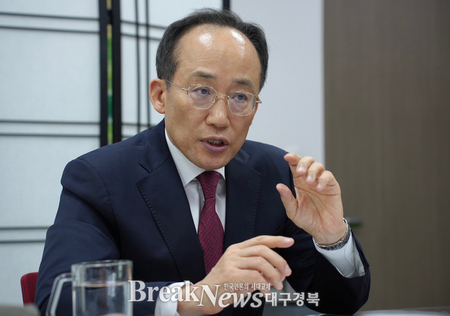
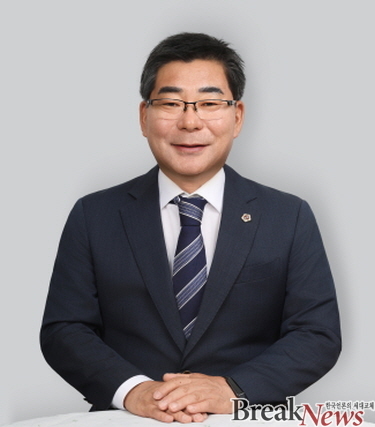
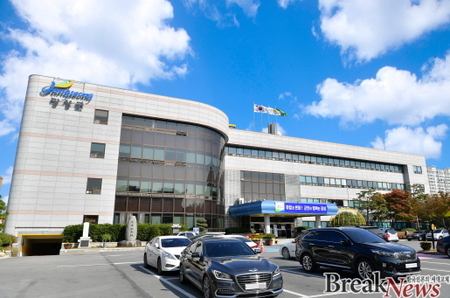
 ▲사옥 앞에 선 필자(문일석). ©브레이크뉴스 |
 ▲맥주를 마실수 있는 집인 '붐박스'의 벽에 다닥다닥 붙어 있는 병마개들. ©브레이크뉴스 |
그 후 1997년 '주간현대'-'사건의 내막'을 창간, 지금까지 편집국장-발행인으로 근무해왔다.
주간신문 근무 이력(履歷)을 자세하게 언급하는 것은, 한국의 현대 사회 발전과정에서 주간신문이 어떤 역할을 했는지를 논(論)하기 위해서이다.
신문시장 발달사를 살펴보면, 1988년 올림픽을 치르기 이전부터 전두환-노태우 정부는 소위 '3S(스포츠-섹스-스크린)정책'을 폈다. 이에 따라 스포츠 일간신문 시대가 열렸다. 노태우 정권의 주간신문 동록완화 정책으로 주간신문 전성시대가 열렸다. 그후 광고유치로 운영되는 무가지(無價紙-무료신문) 전성시대가 이어졌다.
이 과정을 거치면서, 스포츠 일간신문-무료신문 등의 시장이 거품처럼 사그라들었다.
왜 그랬을까? 시대변화로 해석된다. 그러나 이 시기에도 주간신문 시장만 남아 있었다. 그 이유는 뭘까? 주간신문들이 폭로기사 위주의 신문제작을 함으로써 독자들의 지적 호기심을 지속적으로 충족시킨 데서 그 원인을 찾을 수 있다.
그러나 노무현 정권(2003-2008)에 들어서면서 인터넷 세상이 열리게 됐고 이 때부터 오프라인(종이신문)이 쇠퇴하고 온라인(인터넷 매체) 매체가 득세(得勢)하게 됐다. 지금은 온라인이 대세이다. 그 초창기 시기(2002년), 필자는 브레이크뉴스의 발행을 시작했다.
필자는 성리학에서 논(論)하는 이기(理氣)일원론자이다. 이(理)와 기(氣)가 둘이 아니고 하나라는 논리(論理)를 추종한다.
이 논리에 따라, 한국 언론계의 주류와 비주류 논쟁에서 주류(방송+일간 신문 등)와 비주류(주간신문+월간 잡지)가 하나라는 데 동의한다.
한국사회의 군사정부(박정희-전두환-노태우 정권 기간) 기간(1961-1993)에 언론들은 한데 뭉쳐 반(反)독재 투쟁을 했었다. 이런 중에, 비주류 역시 한국의 민주주의 진전에 기여했었다. 큰 방향은 민주주의 안착과 시민-대중 사회의 건설이었다. 이로 인해, 한국이 동아시아의 가장 민주화된 국가, 시민-대중들이 넘치는 자유를 누리는 자유국가가 안착됐다.
필자는 감히 이야기하지만, 한국 언론 비주류(非主流), 즉 주간신문 리더 중의 한 명이었다. 핵심 세력이었다. 나는 한국사회의 미래 동력을 만들어 낸 장본인이었다. '반정부 기자', '폭로기자'라는 비난도 들어야만 했다.
나는 결코 무시당하고 싶지는 않다. 이런 감정을, 자부감(自負感)으로 지니고 살아왔다.
한국이 발전시킨 민주주의와 자유가 넘치는 시민사회 건설은 아주 중요한 미래가치이기도 하다.
필자는 서울시 중구에 있는 인현시장 시장 통을 가끔씩 간다. 맛있는 음식을 먹기 위해서이다. 충무로 인현시장 근처는 소위 '인쇄 골목'으로 통칭된다. 인쇄 골목은 한국인들의 지식 향상에 기여했다. 대부분의 단행본들을 인쇄-제본, 유통시키는 산실(産室)의 역할을 했다. 시간이 흐르더라도, 인쇄골목의 역할은 부각(浮刻)될 것이다.
마찬가지로 시간이 흐르더라도 주간신문이 국가의 미래를 위해 노력했던 기록들은 남아질 것이다.
필자, 언론계 비주류-핵심이라고 떠드는, 필자가 지닌 오만한 자부심도 사실은 별게 아니다.
지난 9월18일 저녁, 이런 생각-저런 생각들을 하며, 다치카와 마사키 일본 일간현대 전 외신부장, 그리고 서울신문 기자출신인 전향규 시인, 지승룡 작가와 어울려 충무로 붐 박스(BOOM BOX) 가게에서 맥주를 마셨다.
이 가게의 벽에는, 맥주의 병마개들이 가득 붙여져 있다. 수 천개의 맥주병 병마개들을 벽에 다닥다닥 붙여 놓았다.
병마개의 운명. 많은 마개들은 맥주를 따기 이전까지는, 아주 중요한 자리에 있었을 것이다. 그러나 맥주병을 따는 순간, 설자리를 잃고 말았다.
우리나라에는 3만여 명에 달하는 분들이 언론계에 종사하고 있다. 이들이 이룩해낸 업적, 한국의 민주주의 안착-사민사회의 건설은 역사의 시간이 흐를수록 더욱 더 빛나는 업적이리라.
그러나 그들 모두는 병마개 신세일지 모른다. 필자 역시 그런 신세를 묵상하며~~~맥주를 마셔댔다!!!
"나는 병뚜겅을 딸때마다 뚜껑아 고맙다"라는 의미로, 오프너로 병의 몸통을 톡톡톡 3번 때립니다. 하하하...별난 버릇입니다. moonilsuk@naver.com
*필자/문일석. 시인. 신문사(본지)발행인.
*아래는 위 기사를 '구글 번역'으로 번역한 영문 기사의 [전문]입니다. '구글번역'은 이해도 높이기를 위해 노력하고 있습니다. 영문 번역에 오류가 있을 수 있음을 전제로 합니다.<*The following is [the full text] of the English article translated by 'Google Translate'. 'Google Translate' is working hard to improve understanding. It is assumed that there may be errors in the English translation.>
What about the arrogant pride of the author, who touts himself as a non-mainstream figure in the media industry?
[Essay-like Approach] 30,000 Media Workers... Are They All Suffering?
- Moon Il-suk, Publisher of this Newspaper
The Park Chung-hee military coup government, which succeeded in its May 16, 1961, coup, was deeply terrified of the media. While it feared broadcasters and daily newspapers, it feared weekly newspapers even more. Perhaps for this reason, it implemented a policy of eradicating weekly newspapers. It wiped out approximately 650 weekly newspapers that had operated under the Syngman Rhee regime overnight. It changed the publication standards for weekly newspapers, requiring ownership of a printing press. It exploited the difficulty of meeting this requirement, and swept them all out.
These unjust media laws were only lifted around 1989, midway through the Roh Tae-woo administration. The Saturday Newspaper (published by Hong Seong-mok), where I served as editor-in-chief, is considered the first independent weekly newspaper.
I have worked in weekly newspapers throughout my career. I worked at the Segye Shinbo (published in Manhattan, New York, from 1985 to 1989), the Saturday Newspaper (where I worked for three years as editor-in-chief), and then Sunday Seoul (where I worked for three years as editor-in-chief).
After that, in 1997, I founded the Weekly Hyundai and the Inside Story of the Incident, where I have served as editor-in-chief and publisher ever since.
The purpose of detailing my career at weekly newspapers is to discuss the role weekly newspapers played in the development of modern Korean society.
Looking at the development of the newspaper market, the Chun Doo-hwan and Roh Tae-woo administrations implemented the so-called "3S (sports, sex, and screen) policy" even before the 1988 Olympics. This ushered in the era of daily sports newspapers. The Roh Tae-woo administration's policy of easing registration requirements for weekly newspapers ushered in a golden age for weekly newspapers. This was followed by the heyday of free newspapers, operating solely on advertising.
During this period, the market for daily sports newspapers and free newspapers collapsed like a bubble.
Why? This can be interpreted as a change of times. However, even during this period, only the weekly newspaper market remained. Why? The reason lies in the fact that weekly newspapers consistently satisfied readers' intellectual curiosity by focusing on investigative articles.
However, with the advent of the Roh Moo-hyun administration (2003-2008), the internet era opened up, and from this point on, offline (print newspapers) began to decline, while online (internet media) gained ground. Online is now the dominant force. In the early days of this era (2002), I began publishing Break News.
The author is a proponent of the monism of principle and vital energy (理氣) in Neo-Confucianism. I follow the logic that "li" (理) and "gi" (氣) are not two separate entities, but one.
Following this logic, I agree that the mainstream (broadcasts and daily newspapers, etc.) and the non-mainstream (weekly newspapers and monthly magazines) are one in the debate over the mainstream and non-mainstream in the Korean media landscape.
During the military regimes of Park Chung-hee, Chun Doo-hwan, and Roh Tae-woo (1961-1993), the media united in the anti-dictatorship struggle. During this period, the non-mainstream also contributed to the advancement of democracy in Korea. The overarching goal was to establish democracy and build a citizen-popular society. This led to Korea becoming the most democratic nation in East Asia, a free nation where citizens and the public enjoy abundant freedom.
I dare say I was one of the leaders of the non-mainstream Korean media, namely, the weekly newspapers. I was a key force. I was a key figure in creating the future driving force of Korean society. I've also endured accusations of being an "anti-government journalist" and an "exposé reporter."
I never want to be ignored. I've lived with this feeling, a sense of pride.
Korea's development of democracy and the construction of a civil society brimming with freedom are also crucial future values.
I occasionally visit Inhyeon Market in Jung-gu, Seoul, to enjoy delicious food. The area around Inhyeon Market in Chungmuro is collectively known as "Printing Alley." Printing Alley contributed to the advancement of knowledge among Koreans. It served as a cradle for printing, binding, and distributing most books. Even as time passes, the role of Printing Alley will be highlighted.
Similarly, the records of the weekly newspaper's efforts for the nation's future will remain.
The arrogant pride I harbor, claiming to be a member of the mainstream media community, is in fact nothing special. On the evening of September 18th, I drank beer at the Boom Box in Chungmuro, along with Masaki Tachikawa, former foreign news editor of the Japanese daily Ilkan Hyundai, poet Jeon Hyang-gyu, a former reporter for the Seoul Shinmun, and writer Ji Seung-ryong.
The walls of this store were covered with beer bottle caps. Thousands of them were tightly packed against the walls.
The fate of these bottle caps. Many of these caps likely held a very important position before the beer was opened. But the moment the beer was opened, they were no longer there.
There are approximately 30,000 people working in the media in Korea. The achievements they have achieved—the establishment of democracy in Korea and the construction of a civilized society—will only grow brighter as history progresses.
But perhaps they are all just bottle caps. I, too, meditated on that fate as I drank my beer!!! "Every time I open a bottle, I tap the bottle opener three times to say, 'Thank you, lid.'" Hahaha... It's a strange habit.
- The author (Moon Il-seok) standing in front of the company building.
- Bottle caps clinging to the wall of "Boombox," a place where you can drink beer. moonilsuk@naver.com
*Author/Moon Il-suk. Poet. Publisher of a newspaper (this paper).