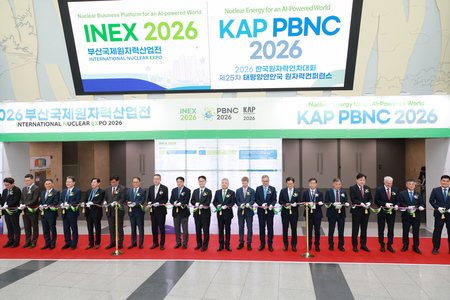
▲왜구인명사전 출판기념회 단체사진. ©브레이크뉴스 |
지난 9월 18일 광주광역시 전일빌딩245에서 ‘왜구인명사전 출판기념회’가 열렸다. 이날 처음으로 <왜구인명사전>3권이 모습을 드러냈다. 권당 크기가 놀라웠다. 가로 21cm, 세로 29. 5cm로 A4용지 크기의 책이었다. 전화번호부와 같은 크기의 책이었다. 1권 851쪽, 2권 799쪽, 3권 746쪽으로 총 2,396쪽이었다. 방대한 분량의 책이었다. 책값은 3권 30만원이다.
 ▲김강열 저, <왜구인명사전>전3권, ㈜아논컴퍼니, 2025. ⓒ 박용규(2025년 9월 21일 촬영). ©브레이크뉴스 |
김강열 작가는 BC50년부터 2025년 6월까지 2,075년 동안 우리나라를 침략한 일본인들(왜구들) 5,348명과 그 후손과 친족 5,642명으로 총 10,990명 일본인들의 행적을 조사하여 기록하였다.
<왜구인명사전>은 일본인의 우리나라 침략사를 서술한 책이다. 이 사전은 일본의 우리나라 침략사를 심도 있게 연구하는데 크게 활용될 것으로 단언한다.
김강열 작가는 이 시대 대한민국의 의병장이다. 김강열 작가의 <왜구인명사전> 저술 업적은 불멸이다.
광주와 전남에서 먼저 <왜구인명사전>을 저술한 김강열 작가의 업적에 대해 알아주고, 그에 합당한 예우와 포상이 이루어지기를 바란다. 필자는 당일 ‘왜구인명사전에 대한 평론’을 하였다. 필자는 「<왜구인명사전> 발간의 의미」라는 주제로 발표하였다. 아래는 그 전문이다.
「<왜구인명사전> 발간의 의미」
안녕하십니까? 반갑습니다. 독립운동사를 전공한 역사학자 박용규입니다. 저는 침략자 일본군을 몰아내고자 싸운 전봉준 장군 등 항일 동학투사들이 아직도 독립유공자 서훈을 받지 못해, 이분들의 서훈을 위해 앞장을 서서 작은 힘을 보태고 있습니다.
매일 ‘동학’과 관련한 언론기사를 검색하다가 ‘<왜구인명사전> 출간기념 세미나’가 국회 의원회관에서 열린다는 내용을 읽었습니다. ‘왜구인명사전’을 저술한 분이 있다니, 세미나에 가봐야겠다고 마음을 먹었습니다.
 ▲ 박용규 교수 ©브레이크뉴스 |
지난 8월 23일(토) 국회 의원회관 제1소회의실에서 민형배 국회의원 초청 ‘<왜구인명사전> 출간기념 세미나’가 열렸습니다. 저는 그 날에 <왜구인명사전>을 저술한 김강열 작가를 처음으로 뵈었습니다. 그리고 <왜구인명사전> 축약본 책을 구입하였습니다.
1. <왜구인명사전>은 김강열 작가가 완성한 기념비적 업적
참으로 놀라운 일이 일어났습니다. 역사학자도 하지 못한 일을 김강열 작가가 해내었습니다. 이번에 발간된 <왜구인명사전>은 김강열 작가가 18년 동안 고군분투하여 완성한 기념비적 업적입니다. 김강열 작가는 BC50년부터 2025년 6월까지 2,075년 동안 우리나라를 침략한 일본인들(왜구들) 5,348명과 그 후손과 친족 5,642명으로 총 10,990명 일본인들의 행적을 조사하여 기록하였습니다.
<왜구인명사전>은 일본인의 우리나라 침략사를 서술한 책입니다. 이 사전은 일본의 우리나라 침략사를 심도 있게 연구하는데 크게 활용될 것으로 단언합니다.
일본과 일본인은 우리와 앞마당을 함께 쓰고 있는 이웃입니다. 이웃은 사이좋게 지낼 때, 진정한 이웃입니다. 이웃은 사이좋게 지내지 않을 때는 이웃이 아닙니다. 경계의 대상일 뿐입니다.
<왜구인명사전>은 우리나라 사람도 많이 읽어야 하지만, 일본인들도 읽어야 합니다. 왜냐하면 과거를 제대로 알아야, 두 나라 사람들이 과거를 제대로 기억할 수 있기 때문입니다. 특히 일본인들은 이웃나라들을 침략한 역사를 제대로 알아야 합니다. 그래야 이웃나라들을 다시 침략하지 않을 것입니다. 역사에서 교훈을 얻어야, 이웃나라와 사이좋게 평화롭게 지낼 수 있습니다.
개별적으로 만나는 일본인들은 순하고 상냥하기가 그지없습니다. 그러나 일본을 이끌어가는 정치인들은 이웃나라의 주권을 침해하는 짓을 그치지 않고 있습니다. 일본은 지금도 독도를 ‘다케시마’라고 부르고, “일본의 고유 영토”라고 강조하며, “한국이 불법 강점하고 있다.”라고 일본 사회교과서에서 가르치고 있습니다. 이래서는 안 됩니다. 일본은 섬이 많은 나라입니다. 만족할 줄을 알아야 합니다. 왜 남의 나라 영토인 ‘독도’에 집착합니까.
2020년 5월 19일 일본 고노 다로(河野太郞) 방위대신의 집무실에 자기나라 지도가 아닌 한반도 지도가 걸려 있었습니다. 한반도는 일본 땅이 아닙니다. 일본 국방장관이 왜 한반도(우리나라 영토) 지도를 자신의 집무실에 걸어두고 있는지를 우리는 살펴보아야 합니다.
2. 일본의 우리나라 침략사
일본은 1894년 7월 23일 경복궁을 점령하고 고종 임금을 포로로 잡았으며, 친일내각을 세웠으며, 같은 해 9월 15일 평양전투 이후 일본군이 단독으로 1895년까지 우리나라를 강제로 군사 점령하였습니다. 1895년 10월 8일 일본군은 을미사변을 일으키며 다시 경복궁을 점령하였습니다.
1894년 7월 5일 일본군 참모본부가 발행한 <조선전도(朝鮮全圖)>에는 임진왜란 때 도요토미 히데요시(豐臣秀吉)의 조선을 침략한 옛 전투지역(古戰場)을 표시하고 있습니다. 1894년에 나온 <조선내란지도(朝鮮內亂地圖)>에도 지도 오른 쪽에 임진왜란 당시 도요토미 히데요시의 조선을 침략한 옛 전투지역(古戰場)을 쓰고 설명하고 있습니다.
임진왜란 이후 300년이 더 지났는데도, 1894년 일본이 임진왜란 때처럼 우리나라를 점령하여 식민지로 만들고자 하였음을 지도에서 보여주고 있습니다. 임진왜란 때의 일본 침략자들인 도요토미 히데요시(豐臣秀吉), 고니시 유키나카(小西行長), 가토 기요마사(加藤淸正), 와키사카 야스하루(脇坂安治)도 왜구였고, 동학의병 전봉준을 체포·압송하여 심문한 미나미 고시로(南小四郞) 대대장, 이노우에 카오루(井上馨) 주한일본공사, 우치다 사다즈치(內田定搥) 주한일본영사와 “항일 동학농민군을 모조리 죽이라”고 결정하고 명령을 내린 이토 히로부미(伊藤博文) 수상과 가와카미 소로쿠(川上操六) 병참총감은 모두 왜구들이었습니다.
★‘왜구인명사전에 대한 평론’을 하고 있는 박용규.
3. 일본군의 항일 동학농민군 학살
일본군은 3만명에서 5만명의 항일 동학농민군을 모조리 살육하였습니다. 3개 중대를 지휘하며 동학농민군 학살 작전을 수행한 자가 일본군 후비보병 독립 제19대대 미나미 고시로(南小四郞) 대대장이었습니다. <왜구인명사전>은 미나미 고시로에 대해 상세히 서술하고 있습니다. 일본군 후비보병 독립 제19대대는 1894년 12월 14일(양력 1895년 1월 9일) 장흥 석대들 전투에서 항일 동학농민군을 무수히 총살하였습니다.
김강열 작가의 고향이 전남 장흥군 장평면으로 알고 있습니다. 장흥 석대들 전투에 대해 잘 알고 있을 것입니다. 저의 고향인 전남 신안군 지도는 유배지의 고장입니다. 나철 선생 등 무수히 많은 분들이 지도에 유배를 왔습니다. 지도 소작쟁의 참여로 투옥된 분들 20여명이 독립유공자로 서훈되었습니다.
대한민국의 뿌리와 근간은 항일 독립투쟁에 있습니다. 장흥 석대들 전투에 참여한 동학농민군들은 항일 독립투사들이었습니다.
항일 독립투사들을 학살한 왜구들 즉 일본 침략자들이 우리나라를 식민지로 만들었습니다. 이들 일본 침략자들의 행적이 모두 김강열 작가의 <왜구인명사전>에 상세히 기술되어 있습니다.
4. 김강열 작가는 대한민국의 의병장
그 누구도 할 수 없는 일을 김강열 작가가 이루어내었습니다. 이순신 장군은 “호남이 없으면 나라가 없다”라고 말씀하였습니다. 호남은 의향 즉 의병의 고장이고, 대한민국의 기둥입니다. 이 곳 광주와 전남에서 먼저 <왜구인명사전>을 저술한 김강열 작가의 업적에 대해 알아주고, 그에 합당한 예우와 포상이 이루어지기를 바랍니다.
김강열 작가는 이 시대 대한민국의 의병장입니다. 김강열 작가의 <왜구인명사전> 저술 업적은 불멸입니다. 다시 한번 <왜구인명사전> 발간을 축하드립니다. 감사합니다. hispak@hanmail.net
*필자/박용규
민족문제연구소 연구위원. 전 고려대 연구교수.hispak@hanmail.net
The Significance of the Publication of the "Dictionary of Japanese Pirates"
- Park Yong-gyu, Research Fellow, Institute for Research in Collaborationist Activities
On September 18th, a "Dictionary of Japanese Pirates" publication ceremony was held at Building 245, Jeonil Building, Gwangju. The three volumes of the "Dictionary of Japanese Pirates" were unveiled for the first time. The size of each volume was astonishing. Measuring 21cm wide and 29.5cm high, they were the size of A4 paper. They were the size of a phone book. Volume 1 had 851 pages, Volume 2 had 799 pages, and Volume 3 had 746 pages, for a total of 2,396 pages. It was a massive volume. The price for all three volumes was 300,000 won.
★Kim Kang-yeol, <Dictionary of Japanese Pirates>, 3 volumes, Anon Company, 2025. ⓒ Park Yong-gyu (Photographed September 21, 2025)
Author Kim Kang-yeol investigated and recorded the activities of 10,990 Japanese people—5,348 Japanese pirates (Japanese pirates) who invaded Korea over a period of 2,075 years, from 50 BC to June 2025—and their 5,642 descendants and relatives.
<Dictionary of Japanese Pirates> describes the history of Japanese invasions of Korea. I firmly believe this dictionary will be of great use in the in-depth study of the history of Japanese invasions of Korea.
Author Kim Kang-yeol is a leader of the Korean Righteous Army during this era. His legacy in writing <Dictionary of Japanese Pirates> is immortal.
★Group photo from the publication commemorative event for the Dictionary of Japanese Pirates
I hope that Gwangju and South Jeolla Province will recognize the achievements of author Kim Kang-yeol, who first authored the Dictionary of Japanese Pirates, and that he will be appropriately honored and rewarded. On that day, I presented a critique of the Dictionary of Japanese Pirates. My presentation was titled "The Significance of the Publication of the Dictionary of Japanese Pirates." Below is the full text.
"The Significance of the Publication of the Dictionary of Japanese Pirates"
Hello. Nice to meet you. I am Park Yong-gyu, a historian specializing in the history of the independence movement. I am a leading figure in the effort to award medals to anti-Japanese Donghak activists like General Jeon Bong-jun, who fought to drive out the invading Japanese army, as they have yet to receive the Order of Merit for Independence.
While searching for daily news articles related to Donghak, I came across an article about a "Seminar Commemorating the Publication of the Dictionary of Japanese Pirates" being held at the National Assembly Members' Hall. When I heard that someone had written a "Dictionary of Japanese Pirates," I decided to attend the seminar.
On Saturday, August 23rd, a seminar commemorating the publication of the "Dictionary of Japanese Pirates" was held in the first conference room of the National Assembly Members' Hall, with Representative Min Hyung-bae as the guest. That day, I met author Kim Kang-yeol, the author of the "Dictionary of Japanese Pirates," for the first time. I also purchased an abridged version of the "Dictionary of Japanese Pirates."
1. The "Dictionary of Japanese Pirates" is a monumental achievement by author Kim Kang-yeol.
A truly remarkable thing has happened. Author Kim Kang-yeol has accomplished what even historians have failed to do. The recently published "Dictionary of Japanese Pirates" is a monumental achievement, the result of 18 years of hard work by author Kim Kang-yeol. Author Kim Kang-yeol investigated and recorded the activities of 5,348 Japanese (Waegu) who invaded Korea over a period of 2,075 years, from 50 BC to June 2025, along with 5,642 of their descendants and relatives, for a total of 10,990 Japanese.
The "Dictionary of Japanese Pirates" describes the history of Japanese invasions of Korea. I am confident that this dictionary will be of great use in the in-depth study of the history of Japanese invasions of Korea.
Japan and the Japanese are neighbors who share our front yard. When neighbors live amicably, they are truly neighbors. When neighbors do not live amicably, they are no longer neighbors; they are merely objects of caution.
The "Dictionary of Japanese Pirates" is a must-read for Koreans, but it is also essential for Japanese people. Only by properly understanding the past can both countries properly remember it. The Japanese, in particular, must properly understand the history of their invasions of neighboring countries. Only then will they avoid repeating such invasions. Only by learning from history can we live in peace and harmony with our neighbors.
Japanese people, when met individually, are incredibly gentle and kind. However, the politicians who lead Japan continue to infringe upon the sovereignty of their neighbors. Japan still refers to Dokdo as "Takeshima," insisting that it is "inherent Japanese territory," and teaching in social studies textbooks that "Korea is illegally occupying it." This cannot continue. Japan is a country with many islands. We must learn to be content. Why are we so obsessed with "Dokdo," which is foreign territory?
On May 19, 2020, a map of the Korean Peninsula, not a map of Japan, was hung in the office of Defense Minister Taro Kono. The Korean Peninsula is not Japanese territory. We must examine why the Japanese Minister of Defense has a map of the Korean Peninsula (Korean territory) hanging in his office. 2. History of Japan's Invasion of Korea
On July 23, 1894, Japan occupied Gyeongbokgung Palace, took King Gojong prisoner, and established a pro-Japanese cabinet. Following the Battle of Pyongyang on September 15 of the same year, the Japanese military forcibly occupied Korea until 1895. On October 8, 1895, the Japanese military launched the Eulmi Incident and occupied Gyeongbokgung Palace again.
The "Complete Map of Korea" published by the Japanese Army General Staff on July 5, 1894, marks the old battlefields where Toyotomi Hideyoshi invaded Joseon during the Imjin War. The 1894 "Map of the Joseon Civil War" also depicts and explains the old battlefields of Toyotomi Hideyoshi's invasion of Joseon during the Imjin War on the right side of the map.
Even though more than 300 years had passed since the Imjin War, the map shows that in 1894, Japan, as it had during the Imjin War, was attempting to occupy and colonize Korea. During the Imjin War, the Japanese invaders Toyotomi Hideyoshi, Konishi Yukinaka, Kato Kiyomasa, and Wakisaka Yasuharu were all Japanese pirates. The Japanese colonial commander Minami Koshiro, who arrested and deported Jeon Bong-jun of the Donghak Peasant Army for questioning, Inoue Kaoru, the Japanese Minister to Korea, Uchida Sadatsuchi, the Japanese Consul to Korea, and Prime Minister Ito Hirobumi and Quartermaster General Kawakami Soroku, who decided and issued the order to “kill all the anti-Japanese Donghak Peasant Army members,” were all Japanese pirates.
★Park Yong-gyu, writing a critique of the "Dictionary of Japanese Pirates."
3. The Japanese Army's Massacre of the Donghak Peasant Army
The Japanese army massacred between 30,000 and 50,000 anti-Japanese Donghak Peasant Army members. Commanding three companies and carrying out the Donghak Peasant Army massacre, the battalion commander of the 19th Independent Infantry Battalion, Minami Koshiro, was the commander of the battalion. The "Dictionary of Japanese Pirates" describes Minami Koshiro in detail. The 19th Independent Infantry Battalion, the Japanese Army Reserve Infantry, executed countless anti-Japanese Donghak Peasant Army members in the Battle of Seokdaedeul in Jangheung on December 14, 1894 (January 9, 1895, Gregorian calendar).
I understand that author Kim Kang-yeol's hometown is Jangpyeong-myeon, Jangheung County, South Jeolla Province. He is likely familiar with the Battle of Seokdaedeul in Jangheung. My hometown, Jido in Sinan County, South Jeolla Province, was a place of exile. Countless people, including Na Cheol, were exiled to Jido. Around 20 people imprisoned for their participation in the Jido Tenancy Dispute were awarded medals for their contributions to independence.
The roots and foundation of the Republic of Korea lie in the anti-Japanese independence movement. The Donghak Peasant Army, which participated in the Battle of Seokdaedeul in Jangheung, were independence fighters.
The Japanese invaders, the Japanese pirates who massacred these independence fighters, colonized our country. The actions of these Japanese invaders are fully described in detail in Kim Kang-yeol's "Dictionary of Japanese Pirates."
4. Kim Kang-yeol, the leader of the Korean Righteous Army
Kim Kang-yeol achieved what no one else could. Admiral Yi Sun-sin once said, "Without Honam, there is no nation." Honam is the home of righteous armies, the pillar of the Republic of Korea. I hope that Gwangju and South Jeolla Province will first recognize the achievements of author Kim Kang-yeol, who authored the "Dictionary of Japanese Pirates," and that he will be given appropriate recognition and recognition.
Author Kim Kang-yeol is a leader of the Korean Righteous Army in this era. His achievements in writing the "Dictionary of Japanese Pirates" are immortal. Once again, I congratulate you on the publication of the "Dictionary of Japanese Pirates." Thank you. hispak@hanmail.net
*Author/Park Yong-gyu
Research Fellow, Institute for Research in Collaborationist Activities. Former Research Professor, Korea University. hispak@hanmail.net