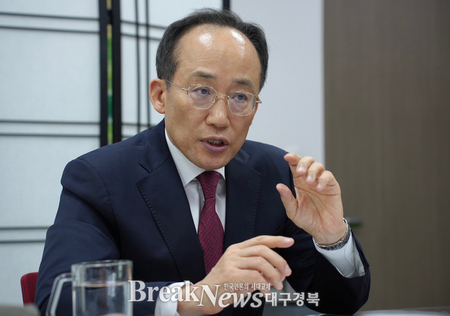
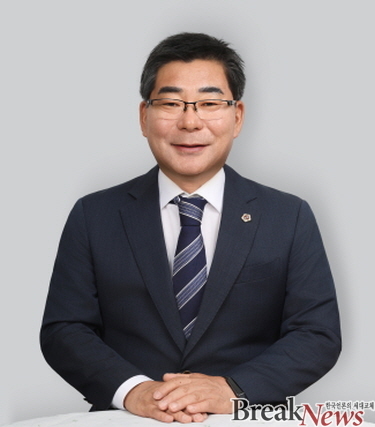
▲ 정길선 박사 ©브레이크뉴스 |
한류는 우리 문화 뿐 아니라 학문에서도 큰 컨텐츠이다. 우리가 연구하고 있는 방향성과 깊이, 그리고 세계 유수의 학자들과 어깨를 나란히 하는 것이다. 한류라고 하는 것은 단순히 K-POP이나 K-DRAMA와 영화만이 아니다. 우리가 가지고 있는 모든 문화적 정체성을 포괄하는 단어가 한류라는 것이다. 그래서 단순히 몇몇 분야에서만 범칭되어질 수가 없다. 그러기 위해서 일본과의 적대관계가 아니라 문화적으로 전략적 파트너쉽으로 함께 가야 한다. 중국은 우리의 문화를 가져가 자신들의 것이라고 억지를 부리는 자들이기 때문에 중국에서의 한류는 더 이상 의미가 없다.
그러나 일본의 경우는 다르다. 실질적으로 엔터테인먼트 회사들이 많은 외화벌이를 하고 있는 나라가 중국이 아니라 일본이기 때문이고 일본을 타고 미국과 남미로 건너가는 것이 엔터테인먼트의 현실이기 때문이다. 그리고 러시아를 통해 중앙아시아, 유럽으로 들어가고 남쪽으로 말레이시아와 싱가포르를 통과하여 카타르나 아랍에미리트로의 진출을 타진하고 있는 것이 엔터테인먼트 전략의 현실이다. 그리고 우리가 연구한 유라시아 역사도 마찬가지로 러시아와 중앙아시아를 타고 중동과 유럽으로 진출할 것이다. 그리고 그들과 교류하여 우리의 연구분야도 만만치 않다는 것을 보여줄 필요가 있다.
전 세계 이슬람 인구는 약 15억 명이다. 국제연합(UN) 가입국 중 57개가 이슬람 국가로 등록돼 있다. 최근 중동 전역에 한류 열풍이 몰아치면서 중동 사람 대부분이 ‘코리아(Korea)’ 브랜드에 열광하고 있다. 최근 동남아시아 지역에 영화, 드라마, 가요 등 한국 대중문화와 패션, 핸드폰, TV세트 등 가전제품 심지어 김치, 고추장 등 한국 전통 음식에 대한 선호 현상이 붐을 이루고 있다. 이른바 ‘한류 열풍’이 불고 있다. 근현대사만 놓고 볼 때 우리가 중국,일본, 미국 등 외국 문물을 받아들이다가 이제는 오히려 우리 문화가 역 수출되는 현상을 겪고 있는 것이다. 한류 열풍의 원인과 배경은 우선 국제 관계 측면에서 찾아볼 수 있는데, 동아시아 지역 국가들이 문화적 정체성으로 혼돈을 겪고 있는 상태에서 한류 열풍이 일어나게 되었다는 설명이 설득력을 가진다.
이 지역에서 문화적 종주국 행세를 해온 중국이 사회주의 이데올로기 하에서 국민의 문화적 욕구를 충족시키지 못함으로써 오늘날 개혁, 개방 노선과 시장경제를 지향하는 사회의 문화적 정체성에 대해 고민을 하고 있다. 그 동안 동아시아 지역에서 문화적 기지 역할을 해왔던 홍콩 역시 지난 97년 본토 편입 이후 문화 산업이 할리우드로 기지를 옮겨가 그 영향력을 잃은 것도 큰 이유라고 할 수 있다. 따라서 한국의 대중 문화는 자본주의 문화가 확산되기 시작했으나 문화적 정체성에 혼돈을 겪고 있는 이들 지역 국가에서, 특히 신세대를 대상으로 각광을 받기 시작한 것이다.
특히 베트남에서의 한류 현상은 한국 드라마와 영화를 중심으로 일고 있으며 그 영향은 패션과 가정용 소비 제품 선택에도 미치고 있다. 베트남에서 일고 있는 “한류” 열풍을 일컬을 때, 이곳에 거주하고 있는 한국인들은 베트남이야말로 한류의 원류라는 주장을 서슴치 않는다. 이러한 주장은 아마도 베트남에 일정 기간 거주한 경험이 있는 한국인들이 공통적으로 느끼는 양국 민간의 정서상 친근감에 기인하는 것 같다. 사실 이곳에 거주하다 보면 한국인과 베트남인 간에는 유사한 정서를 많이 느끼게 된다. 베트남 사람들은 한국인과 문화적으로 비슷한 점이 많다는 것을 자주 이야기 한다. 이는 무엇보다 한국인과 비교할 때 훨씬 개방적인 베트남 사람들의 성격에 기인하는 바가 큰 것 같다.
러시아 같은 경우, 스마트폰은 아이폰보다 갤럭시가 더 많이 팔린다. 왠만한 가정집에서는 삼성이나 LG의 냉장고, TV, 전자레인지, 세탁기 등 가전제품을 가지고 있다. 경동나비엔은 러시아 상공회의소 주관 조사에서 난방기기 부문 러시아 국민브랜드로 3년 연속 선정될 정도이고 한국 마요네즈나 초코파이가 인기 있다는 것은 널리 알려진 얘기다, 팔도의 도시락 컵라면은 한국에서보다 러시아에서 50배나 많이 팔린다.삼성전자는 전쟁 전까지 러시아에서 몇 년째 1등 자리를 유지하고 있었다. 게다가 러시아 MZ 세대 한류의 성지(聖地)인 CHICKO도 있다. 상식적으로 이런 나라와 가까이 지내며 우리 물건 더 팔아야 하는건 당연한거 아닌가?
대한민국에서는 미국의 트럼프가 이제 한류와 K-무비 및 K-드라마, K-POP까지 건들려 하고 있는 것을 모르는 것 같다. 트럼프가 트루스소셜에서 해외 제작 영화에도 관세를 100% 물린다고 했다. 이건 보나마나 우리 한류를 겨냥한 것이나 다름없다. 이제 미국 트럼프가 우리 한류에 대해서도 칼을 들이대기 시작했다.
*필자/ 정길선.
노바토포스 회원, 역사학자, 고고인류학자, 칼럼니스트, 러시아 과학아카데미 유라시아 고고인류학연구소 연구교수.
*아래는 위 기사를 '구글 번역'으로 번역한 영문 기사의 [전문]입니다. '구글번역'은 이해도 높이기를 위해 노력하고 있습니다. 영문 번역에 오류가 있을 수 있음을 전제로 합니다.<*The following is [the full text] of the English article translated by 'Google Translate'. 'Google Translate' is working hard to improve understanding. It is assumed that there may be errors in the English translation.>
The Meaning of the Korean Wave: Trump's Threat to Tariff Korean Films and the Korean Wave in the US
Columnist Jeong Gil-seon
The Korean Wave is a significant element not only in our culture but also in our academics. The direction and depth of our research speaks volumes, and it places us on par with leading scholars worldwide. The term "Korean Wave" isn't simply about K-pop, K-drama, and film. It encompasses our entire cultural identity. Therefore, it can't be simply applied to a few fields. To achieve this, we must pursue a strategic cultural partnership with Japan, not an adversarial relationship. China is a powerhouse that has appropriated our culture and is now claiming it as their own, so the Korean Wave in China is no longer meaningful.
However, the situation in Japan is different. It's Japan, not China, that earns the most foreign currency for entertainment companies. The reality of the entertainment industry is that it travels through Japan to the US and South America. Furthermore, it's Russia that is entering Central Asia and Europe, and southward through Malaysia and Singapore, exploring expansion into Qatar and the United Arab Emirates. The Eurasian history we've studied will also travel through Russia and Central Asia to the Middle East and Europe. We need to engage with them and demonstrate that our research field is no slouch.
The global Muslim population is approximately 1.5 billion. Fifty-seven United Nations member states are registered as Islamic states. With the recent Korean Wave sweeping across the Middle East, most people in the region are enthusiastic about the "Korea" brand. In Southeast Asia, a boom in popularity for Korean pop culture—films, dramas, and pop music—as well as fashion, home appliances like cell phones and TV sets, and even traditional Korean foods like kimchi and gochujang (Korean red pepper paste) is taking place. The so-called "Korean Wave" is sweeping the globe. Looking at modern and contemporary history alone, we've been adopting foreign cultures from countries like China, Japan, and the United States, but now we're experiencing a reverse export of our own culture. The causes and background of the Korean Wave can be traced primarily to international relations. The explanation that the Korean Wave emerged at a time when East Asian countries were struggling with cultural identity issues is compelling.
China, which has long been a cultural powerhouse in the region, has failed to satisfy its citizens' cultural needs under its socialist ideology, leading to concerns about the cultural identity of a society pursuing reform, openness, and a market economy. Hong Kong, which has long served as a cultural hub in East Asia, has also lost influence since its annexation from the mainland in 1997, as its cultural industries shifted to Hollywood. Consequently, Korean popular culture has begun to gain traction, particularly among younger generations, in these regions where capitalist culture has begun to spread but cultural identity is still in disarray.
In Vietnam, the Korean Wave phenomenon is particularly prevalent, centering around Korean dramas and films, and its influence extends to fashion and household consumer goods. When discussing the "Korean Wave" craze in Vietnam, Koreans living there readily assert that Vietnam is the true origin of the Korean Wave. This assertion likely stems from the common kinship between the two peoples, a sentiment shared by Koreans who have lived in Vietnam for a period of time. Indeed, living here often reveals a strong sense of similarity between Koreans and Vietnamese. Vietnamese people often talk about their cultural similarities with Koreans. This is largely due to the Vietnamese people's much more open-minded nature compared to Koreans.
In Russia, for example, Galaxy smartphones outsell iPhones. Most households own Samsung or LG appliances, including refrigerators, TVs, microwaves, and washing machines. Kyungdong Navien was named the Russian National Brand in the heating appliance category for three consecutive years in a survey conducted by the Russian Chamber of Commerce and Industry. It's widely known that Korean mayonnaise and Choco Pies are popular. Paldo's Dosirak Cup Ramen sells 50 times more in Russia than in Korea. Samsung Electronics held the top spot in Russia for several years before the war. Furthermore, CHICKO, a mecca for Korean Wave among Russia's MZ generation, is also home to the brand. It's only natural that we should cultivate close ties with such a country and sell more Korean products.
South Korea seems oblivious to the fact that President Trump is now targeting Korean Wave, K-movies, K-dramas, and even K-pop. Trump announced on TrueSocial that he would impose a 100% tariff on foreign-produced films. This is clearly aimed at the Korean Wave. Now, Trump has begun to take aim at the Korean Wave as well.