브레이크뉴스 김충열 정치전문기자 = 발전정비산업 현장에서 민간 경쟁체제 전환 이후 비정규직 양산, 재해 이중구조, 품질 저하 등 부작용이 드러나고 있어 공공성을 강화해야 한다는 지적이 제기됐다.
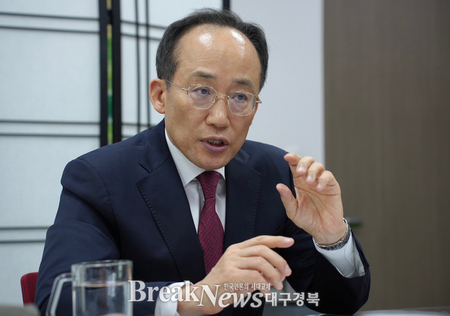
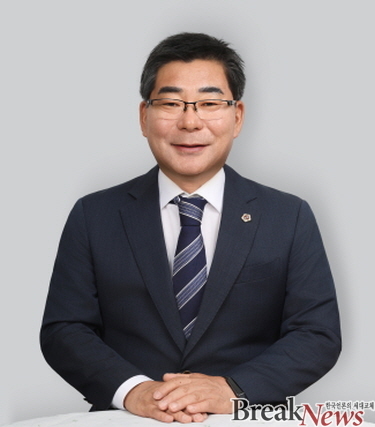
 ▲ 김주영 의원은 “경쟁을 통한 효율화라는 정책적 기대와는 달리 발전정비산업 개방으로 심각한 부작용이 초래되고 있다”며 “민간개방을 더 늘리겠다면서도 이같은 부작용 탓에 유보상태에 놓인 ‘발전정비산업 경쟁도입 2단계’ 도입을 재검토해야 한다”고 제안했다. (사진, 국회방송 캡처) © 김충열 정치전문기자 |
김주영 더불어민주당 의원은 14일 기후에너지환경부 국정감사 질의를 통해 “발전정비산업 민간개방 22년간 산업재해 등 위험의 구조화가 심각한 만큼 기후부 새 출범을 계기로 공공성 강화 전략을 재수립해야한다”고 주문했다. 답변에 나선 김성환 장관은 검토해보겠다고 말했다.
김 의원에 따르면 정부가 지난 2003년 발전정비산업 민간경쟁 정책을 도입하면서 발전정비 전문공기업인 한전KPS 시장점유율은 작년에 46%대로 감소한 반면, 현재 민간정비업체는 전체 발전정비공사의 54%를 점유하고 있다.
 ▲ 2003년 발전정비산업 민간경쟁 정책을 도입하면서 발전정비 전문공기업인 한전KPS 시장점유율은 작년에 46%대로 감소한 반면, 현재 민간정비업체는 전체 발전정비공사의 54%를 점유하고 있다. © 김충열 정치전문기자 |
현재 유보 상태인 발전정비산업 경쟁 도입 2단계가 계획대로 간다면 민간의 최대 발전정비시장을 종합심사낙찰제 방식으로 해서 65%까지 개방하겠다는 계획이다.
이에 비해 발전정비 공기업인 한전KPS는 경쟁입찰시 정규직 고용승계 원칙 탓에 신규 입찰만 참여 가능한 차별적 환경에 놓이면서 점유율이 지속적으로 하락, 지난 2015년 62%에서 2025년 현재 46%까지 떨어졌다.
문제는 민간 점유율이 확대되면서 저가낙찰 구조의 고착화, 고용불안, 기술투자 부족, 정비품질 저하로 근로자 산재 및 사망사고가 민간협력사에 집중되고 있다는 점이다.
실제 2020년부터 2024년까지 5년 동안 발전소에서 발생한 근로자 사망사고는 민간협력사 4건, 한전KPS 1건으로 4배 차이가 난다. 사망 외 산재사고는 민간협력사 471건, 한전KPS 31건으로 무려 15배 차이다.
민간 발전정비사의 기술력 부족에 따른 정비 품질저하도 문제로 지적됐다. 기력 800메가와트(MW)급 이상, G급 이상의 최신 가스터빈 복합설비를 정비할 수 있는 정비사는 한전KPS가 유일하다.
 ▲ 실제 2020년부터 2024년까지 5년 동안 발전소에서 발생한 근로자 사망사고는 민간협력사 4건, 한전KPS 1건으로 4배 차이가 난다. 사망 외 산재사고는 민간협력사 471건, 한전KPS 31건으로 무려 15배 차이다. © 김충열 정치전문기자 |
김주영 의원은 “경쟁을 통한 효율화라는 정책적 기대와는 달리 발전정비산업 개방으로 심각한 부작용이 초래되고 있다”며 “민간개방을 더 늘리겠다면서도 이같은 부작용 탓에 유보상태에 놓인 ‘발전정비산업 경쟁도입 2단계’ 도입을 재검토해야 한다”고 지적했다.
한편, 정부는 올해를 ‘산업재해 근절의 원년’으로 선포하고 산재 사망자를 OECD 평균 이하로 줄이겠다고 공언하고 있어, 김 의원의 이같은 발전정비산업 공공성 강화 제안은 무게를 더할 것으로 전망된다.
전기 민영화로 캘리포니아, 텍사스는 대규모 정전사태를 겪었고, 일본 도쿄에서는 매월 10만원 내던 전기요금을 월 100만원 납부한 일도 있다. 중요한 것은 ‘독점’이나 ‘경쟁을 통한 효율화’라는 번지르한 말은 보편적 복지를 위해 부단히 노력해야 하는 국가정책의 공공 영역에서는 해법이 될 수 없다. 기후에너지환경부로 새로 출범한 주무부서는 ‘공공성’과 ‘안전’ 중심의 발전정비사업 체계 재정립과 발전소 노동자들의 정의로운 전환에도 실질적이고 구체적인 로드맵 구성이 그 어느 때보다 중요한 시점이다. hpf21@naver.com
* 아래는 위 기사를 '구글 번역'으로 번역한 영문 기사의 [전문]입니다. '구글번역'은 이해도 높이기를 위해 노력하고 있습니다. 영문 번역에 오류가 있을 수 있음을 전제로 합니다. *The following is [the full text] of the English article translated by 'Google Translate'. 'Google Translate' is working hard to improve understanding. It is assumed that there may be errors in the English translation.
Rep. Kim Joo-young: "The root cause of power plant accidents is private competition and outsourcing... Publicness must be strengthened."
Strengthening the public nature of the power plant maintenance industry is the answer, not private competition policies -
Break News Political Reporter Kim Choong-lyoul = Since the transition to a private competition system, the power plant maintenance industry has been experiencing negative side effects, such as the creation of more irregular workers, a dual disaster structure, and declining quality. This has led to calls for strengthening the public nature of the industry.
Rep. Kim Joo-young (Gimpo A, Gyeonggi Province) of the Democratic Party of Korea, in a parliamentary audit of the Ministry of Climate, Energy, and Environment on the 14th, stated, "Given the serious structuralization of risks, including industrial accidents, over the past 22 years since the industry was opened to the private sector, the launch of the new Ministry of Climate Change should serve as an opportunity to re-establish a strategy to strengthen the public nature of the industry."
According to Rep. Kim, since the government introduced a private competition policy for the power plant maintenance industry in 2003, the market share of KEPCO KPS, a public enterprise specializing in power plant maintenance, has declined to around 46% last year. Meanwhile, private companies currently account for 54% of all power plant maintenance projects.
If the second phase of the currently suspended competition in the power plant maintenance industry proceeds as planned, the plan is to open up the largest power plant maintenance market to the private sector by adopting a comprehensive review and bidding system.
In contrast, KEPCO KPS, a public enterprise specializing in power plant maintenance, has faced a discriminatory environment where only new bidders can participate due to the principle of retaining regular employees in competitive bidding. This has led to a steady decline in its market share, falling from 62% in 2015 to 46% by 2025.
The problem is that as the private sector's share expands, the low-price bidding structure has become entrenched, job insecurity has increased, lack of technology investment has been hindered, and the deterioration of maintenance quality has led to a concentration of industrial accidents and fatalities among private contractors.
In fact, between 2020 and 2024, there were four worker fatalities at power plants at private contractors and one at KEPCO KPS, a fourfold difference. In terms of industrial accidents other than fatalities, there were 471 at private contractors and 31 at KEPCO KPS, a staggering 15-fold difference.
The lack of technical skills among private power plant maintenance technicians, leading to a decline in maintenance quality, has also been identified as a problem. KEPCO KPS is the only maintenance company capable of performing maintenance on the latest gas turbine combined-use facilities with a capacity of 800 MW or higher and Class G or higher.
Representative Kim Joo-young stated, "Contrary to policy expectations of increased efficiency through competition, the liberalization of the power plant maintenance industry is resulting in serious side effects. Despite the government's pledge to further increase private sector participation, the introduction of the 'Phase 2 Competition for the Power Plant Maintenance Industry,' which has been on hold due to these side effects, should be reconsidered."
Meanwhile, the government has declared this year the "first year of eradicating industrial accidents" and pledged to reduce industrial accident fatalities to below the OECD average. Therefore, Rep. Kim's proposal to strengthen the public nature of the power generation and maintenance industry is expected to gain traction.
Privatization of electricity has led to widespread power outages in California and Texas, and in Tokyo, Japan, monthly electricity bills of 100,000 won have dropped to 1 million won. The key point is that glaring rhetoric like "monopoly" or "efficiency through competition" are ineffective in the public sector of national policy, which must constantly strive for universal welfare. The newly launched Ministry of Climate, Energy and Environment is now more critical than ever to reestablish the power generation and maintenance business system with a focus on "publicness" and "safety," and to develop a practical and concrete roadmap for a just transition for power plant workers. hpf21@naver.com