브레이크뉴스 김충열 정치전문기자 = 조현 외교부 장관이 “미국과의 안보 분야 협상에서 한·미 원자력협정 개정 논의가 이뤄졌다”며 “사용 후 핵연료를 재처리하는 게 필요하다는 것을 아주 강력하게 요청한 결과 그게 받아들여져서 협상을 곧 시작할 계획”이라고 말했다.
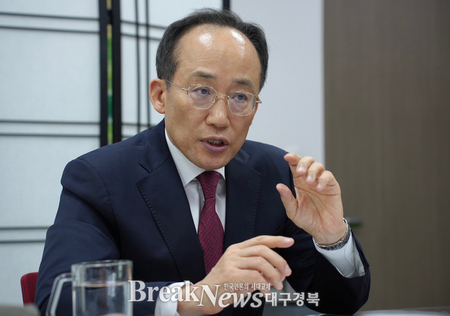
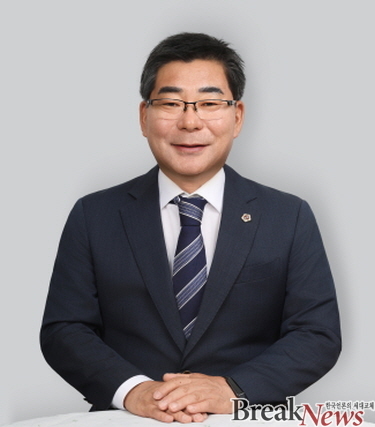
 ▲ 조현 장관은 “우리가 현재 26기의 상업용 원자로를 운영하고 있다. 이 정도 원자력을 가진 나라에서 연료를 100% 수입해서 쓰는 나라는 없다”며 “안보 차원이 아니고 어디까지나 (평화적)산업적 차원에서 이 연료를 우리가 만들기 위해서는 우라늄 농축을 해야 한다”고 강조했다. (사진, 뉴시스) © 김충열 정치전문기자 |
조 장관은 23일 MBC 라디오 '김종배의 시선집중'과의 인터뷰에서 ‘미국과 한·미 원자력협정 개정 얘기가 있었나’라는 진행자 질문에 “물론이다. 그건 당연히 포함됐다. 이것도 협상을 곧 시작할 계획이다”라고 밝혔다.
그는 “우리가 현재 26기의 상업용 원자로를 운영하고 있다. 이 정도 원자력을 가진 나라에서 연료를 100% 수입해서 쓰는 나라는 없다”며 “안보 차원이 아니고 어디까지나 (평화적)산업적 차원에서 이 연료를 우리가 만들기 위해서는 우라늄 농축을 해야 한다”고 강조했다.
이어 “협상으로 가는 데 걸림돌은 우리가 핵무장을 해야겠다 또는 농축과 재처리 능력을 갖춰서 잠재적 핵보유국이 돼야 하겠다 이렇게 얘기하면 NPT(핵확산금지조약) 체제에 어긋난다”며 “이 문제는 완벽하게 평화적, 상업적이고 환경적 차원의 접근으로 농축과 재처리를 미국으로부터 받아내는 게 참으로 중요하다”고 말했다.
핵재처리 기준은 사용 후 핵연료의 안전한 처리, 방사성 물질의 분리 및 재활용, 방사선 피폭 최소화 등을 포함한다. 관련 규정은 원자력안전위원회 및 국제기구의 지침에 따라 정해진다. 핵재처리는 원자로에서 사용된 핵연료를 다시 처리하여 유용한 물질을 회수하거나 폐기물을 안전하게 관리하는 기술이다.
우리나라 원전의 고준위 핵폐기물 저장시설은 대부분 포화 상태에 근접해 있으며, 일부 원전은 이미 90% 이상의 포화율을 기록하고 있다. 고준위 핵폐기물 저장 포화 현황은 고리 원전: 저장 포화율 98%, 한빛 원전: 82%, 한울 원전: 91%, 월성 원전: 82%, 신고리, 새울, 신한울, 신월성 원전도 각각 30~70%대의 포화율을 보이고 있다. 이처럼 대부분의 원전 부지 내 저장시설이 포화 임계점에 도달했으며, 2030년 이후에는 저장 여유가 거의 없는 것으로 전망되고 있다. 이에 따라 정부는 2025년 ‘고준위 방사성폐기물 관리에 관한 특별법’을 제정해 대응에 나섰다.
한편, 한미일 동맹국 차원에서 한일 원자력협정의 가장 큰 차이는 한국은 미국의 사전 동의 없이 핵연료 재처리나 우라늄 농축을 할 수 없지만, 일본은 일정 조건 하에 자율적으로 재처리와 농축이 가능하다. 이는 일본이 미국과 '특별한 신뢰 관계'를 맺고 있기 때문이다.
따라서 관세협상도 중요하지만 한미원자력협정 또한 중요하다. 이번 미국과의 안보 분야 협상에서 원자력협정 개정이 평화적, 산업적 측면에서 SMR(소형모듈원전) 개발과 핵연료 전주기 기술 확보를 위해 한·미 원자력협정 개정이 반드시 필요하다 할 것이다. hpf21@naver.com
* 아래는 위 기사를 '구글 번역'으로 번역한 영문 기사의 [전문]입니다. '구글번역'은 이해도 높이기를 위해 노력하고 있습니다. 영문 번역에 오류가 있을 수 있음을 전제로 합니다. *The following is [the full text] of the English article translated by 'Google Translate'. 'Google Translate' is working hard to improve understanding. It is assumed that there may be errors in the English translation.
Cho Hyun: "US Accepts Requests for Spent Nuclear Fuel Reprocessing and Uranium Enrichment... Expects APEC Agreement to Be Adopted"
The Nuclear Energy Agreement Must Be Revised for a Win-Win Partnership Between Korea and the US, Both Peacefully and Industrially
Break News Political Reporter Kim Choong-lyoul = Minister of Foreign Affairs Cho Hyun stated, "Discussions on revising the Korea-US Nuclear Energy Agreement took place during security negotiations with the US. We strongly requested the need for reprocessing spent nuclear fuel, and it was accepted."
In an interview with MBC Radio's "Kim Jong-bae's Focus" on the 23rd, Minister Cho responded to the host's question, "Has there been any discussion of revising the Korea-US Nuclear Energy Agreement with the US?" with, "Of course. That was definitely included." He added, "We plan to begin negotiations on this soon."
He emphasized, "We currently operate 26 commercial nuclear reactors. No country with this level of nuclear power imports 100% of its fuel. To produce this fuel, we must enrich uranium, not for security reasons, but for (peaceful) industrial purposes."
He continued, "The obstacle to negotiations is that if we talk about acquiring nuclear weapons or becoming a potential nuclear power by acquiring enrichment and reprocessing capabilities, it goes against the NPT (Nuclear Non-Proliferation Treaty) regime." He added, "It is truly crucial to secure enrichment and reprocessing from the United States through a completely peaceful, commercial, and environmentally sound approach."
Standards for nuclear reprocessing include the safe disposal of spent nuclear fuel, the separation and recycling of radioactive materials, and the minimization of radiation exposure. Relevant regulations are established in accordance with guidelines from the Nuclear Safety and Security Commission and international organizations. Nuclear reprocessing is a technology that reprocesses spent nuclear fuel from nuclear reactors to recover useful materials or safely manage the waste.
Most high-level nuclear waste storage facilities at South Korea's nuclear power plants are nearing capacity, with some already reaching over 90% capacity. The current status of high-level nuclear waste storage saturation is as follows: Kori Nuclear Power Plant: 98% saturation rate, Hanbit Nuclear Power Plant: 82%, Hanul Nuclear Power Plant: 91%, Wolsong Nuclear Power Plant: 82%, and Shin-Kori, Saeul, Shin-Hanul, and Shin-Wolsong Nuclear Power Plants are each showing saturation rates in the 30-70% range. As such, most nuclear power plant storage facilities have reached their saturation threshold, and it is projected that there will be virtually no storage space after 2030. In response, the government enacted the "Special Act on the Management of High-Level Radioactive Waste" in 2025 to address this issue.
Meanwhile, the most significant difference between the Korea-Japan nuclear energy agreement and the Korea-US-Japan alliance is that, while Korea cannot reprocess nuclear fuel or enrich uranium without prior US consent, Japan can autonomously reprocess and enrich uranium under certain conditions. This is due to Japan's "special relationship of trust" with the United States.
Therefore, while tariff negotiations are important, the Korea-US nuclear energy agreement is equally crucial. In these security negotiations with the United States, revisions to the Korea-US nuclear agreement are essential to secure the development of small modular reactors (SMRs) and full-cycle nuclear fuel technology for both peaceful and industrial purposes. hpf21@naver.com