▲ 기본소득당 용혜인 의원 |
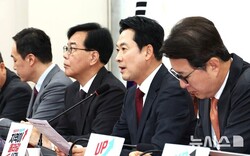
【브레이크뉴스 대구】진예솔 기자=기본소득당 용혜인 의원이 주최한 ‘이재명 정부 사회연대경제 정책 제안 연속 토론회’가 지난 29일 오후 국회의원회관에서 첫 포문을 열었다.
이번 토론회에서는 협동조합 활성화를 위한 법인격 제도 개선과 세제 개편 방안이 집중적으로 다뤄졌으며, 정부의 사회연대경제 정책 수립에 의미 있는 이정표가 될 것으로 기대를 모으고 있다.
이재명 정부는 사회연대경제를 국정과제로 내세우며 사회연대경제기본법 제정, 민관 협력체계 구축, 사회연대금융 활성화 등 제도적 기반 강화에 박차를 가하고 있다. 주무 부처를 행정안전부로 변경한 데 이어 구체적인 정책 논의에 속도를 내는 가운데, 용혜인 의원은 현장과 정치권의 다양한 목소리를 수렴해 정책 대안을 모색하는 자리로 연속 토론회를 기획했다.
토론회는 △협동조합의 법인격과 세제 개편 △자금 조달 활성화 방안 △사회연대경제기본법 제정 이후 과제 등 총 세 차례에 걸쳐 열린다. 현장의 생생한 목소리와 전문가 제언을 바탕으로 현실성 있는 정책 대안이 제시될 전망이다.
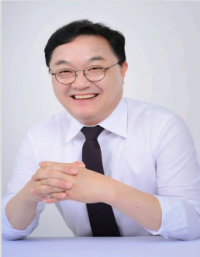
첫 번째 발제자로 나선 장종익 한신대 교수는 협동조합의 핵심 가치인 ‘상호성, 민주주의, 연대’가 현행 법체계에서 충분히 반영되지 못해, 협동조합이 오히려 영리 추구에 내몰리고 있다고 지적했다. 장 교수는 협동조합의 상호성을 강화하고, 이용고 배당 및 연대사업 비용에 대해 법인세 공제 혜택을 부여하는 등 법·제도 체계의 신속한 개선 필요성을 강조했다.
송재일 명지대 교수는 “기본적으로 협동조합은 비영리법인으로 보는 것이 국제적 원칙”이라며, 국내에서 ‘일반협동조합=영리법인’으로 간주하는 점을 비판했다. 협동조합기본법 제정 과정에서 정체성에 대한 고민과 국제 기준 반영이 부족했다는 지적이다.
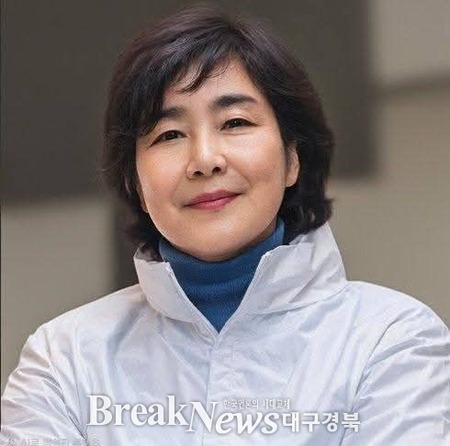
정순문 변호사(공인회계사)는 협동조합이 현재 세법의 불합리한 부분을 개선하고, 새로운 법인격 특성에 맞는 제도 마련이라는 두 가지 과제를 안고 있다고 설명했다. 그는 고유목적 사업의 손금 인정, 이용고 배당 손금 인정, 비조합원 거래 수익의 비분할 적립금 적립 등 세제 개편 방안을 구체적으로 제안했다.
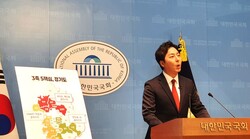
용혜인 의원은 “협동조합은 사업체이자 결사체로 공동의 가치를 실현하지만, 지금의 제도는 영리·비영리 중 하나만 선택하도록 강요한다”며, “기존 체계에 억지로 끼워 맞출 것이 아니라 협동조합의 본질에 맞는 새로운 법·제도 체계를 만들어야 한다”고 강조했다. 이어 “오늘 논의된 다양한 의견을 바탕으로 정책 개선에 힘쓰겠다”고 밝혔다.
<구글 번역으로 번역한 영문 기사의 전문 입니다. 번역에 오류가 있을 수 있음을 밝힙니다.>
The "Lee Jae-myung Administration's Social Solidarity Economy Policy Proposal Series," hosted by Basic Income Party lawmaker Yong Hye-in, opened its doors on the afternoon of the 29th at the National Assembly Members' Hall.
This series of discussions focused on improving the legal personality system and tax reform measures to revitalize cooperatives, and is expected to serve as a significant milestone in the government's social solidarity economy policy formulation.
The Lee Jae-myung administration has prioritized the social solidarity economy as a national agenda and is accelerating efforts to strengthen its institutional foundation, including enacting the Framework Act on Social Solidarity Economy, establishing a public-private partnership system, and revitalizing social solidarity finance. Following the transfer of the competent ministry to the Ministry of the Interior and Safety and the acceleration of concrete policy discussions, lawmaker Yong Hye-in designed the series of discussions to gather diverse voices from both the field and the political community to explore policy alternatives.
The discussion will be held over three sessions: △Reform of the legal status and tax system for cooperatives, △Measures to revitalize fundraising, and △Post-enactment challenges for the Framework Act on Social and Solidarity Economy. Based on the voices of those in the field and expert advice, realistic policy alternatives are expected to be presented.
Professor Jang Jong-ik of Hanshin University, the first presenter, pointed out that the core values of cooperatives—mutuality, democracy, and solidarity—are not sufficiently reflected in the current legal system, leading cooperatives to be driven more toward profit-seeking. Professor Jang emphasized the need for rapid reform of the legal and institutional framework, including strengthening the mutuality of cooperatives and providing corporate tax deductions for dividends paid to cooperatives and solidarity projects.
Professor Song Jae-il of Myongji University criticized the domestic assumption that "general cooperatives equal for-profit corporations," stating, "The international principle is that cooperatives are fundamentally considered non-profit corporations." He pointed out that the enactment of the Framework Act on Cooperatives lacked consideration of identity and incorporation of international standards.
Attorney Jeong Soon-moon (Certified Public Accountant) explained that cooperatives face two challenges: improving the current tax laws and establishing systems that align with their new legal status. He proposed specific tax reform measures, including deductibility of expenses for specific purposes, deductibility of dividends for use, and the establishment of non-dividend reserves for profits from non-member transactions.
Representative Yong Hye-in stated, "Cooperatives are businesses and associations that realize shared values, but the current system forces them to choose between for-profit and non-profit. Rather than forcing them into the existing system, we must create a new legal and institutional framework that reflects the true nature of cooperatives." She added, "I will strive to improve policies based on the diverse opinions discussed today."
원본 기사 보기:브레이크뉴스 대구경북