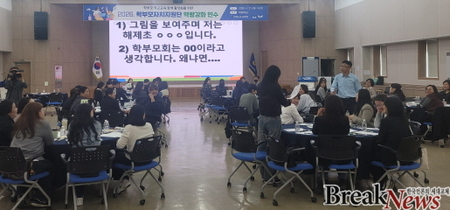
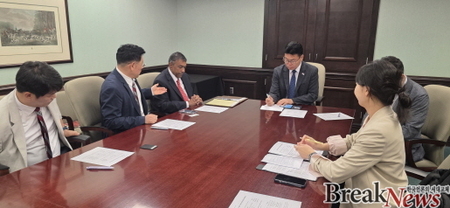
▲ 간담회 장면. ©브레이크뉴스 |
화장실문화시민연대는 지난 11월13일치 보도자료에서 “도심의 필수 공공 인프라로 자리매김해야 할 '개방화장실' 제도가 관리 부담과 노후 시설 문제로 난항을 겪는 가운데, 성공적인 사례를 통해 돌파구를 찾고 실효성 있는 개선 방안을 모색하는 뜻깊은 논의의 장이 마련됐다”고 소개했다.
이 자료에 따르면, 화장실문화시민연대는 13일 녹색소비자연대, 지자체 공무원(은평구청, 용산구청), 건물 관리소장, 시민 등 각계 전문가가 참석한 '개방화장실 실태 및 발전방향 간담회' 결과를 14일 발표하며, '강남구 모델'을 중심으로 한 실질적 재정 지원 확대가 제도의 혁신을 이끌어낼 핵심 열쇠임을 확인했다고 밝혔다.
이어 “노후 시설 개선 지원으로 '관리 부담'을 '협력 의지'로 간담회 참석자들은 현재 개방화장실의 운영이 위축되는 주요 원인을 '1분기당 40만 원 수준의 물품 지원'과 '실질적인 유지보수 비용 격차'에서 찾았다”면서 “용산구청의 이영복 주무관은 ‘물품 지원액이 변기 한 대 수리비(약 30만 원)를 겨우 충당하는 수준이라 관리자들의 부담이 매우 크다’고 현실을 전했다. 이에 대해 용산아이피아 관리소장 신상철 씨는 ‘20년 된 건물 화장실의 노후 환경 개선 지원만 이뤄져도, 주변 혼잡 시기(시위 등)에도 청소 관리가 원활해져 개방 유지가 충분히 가능해질 것’이라며, 시설 개선 지원을 통한 관리자의 협력 의지 증진을 기대했다“고, 설명했다.
은평구의 경우 외부인 샤워 이용 등으로 주민 불만이 커져 4개의 개방화장실이 폐쇄되는 등 어려움을 겪었지만, 종교시설 등에서 대체 시설을 확보하며 공공 편의 유지를 위한 긍정적인 노력이 이어지고 있음이 확인됐다.
강남구 '30만원 지원' 모델이 제시한 청사진
개방화장실 제도의 활성화 가능성은 이미 일부 지자체의 성공 사례를 통해 입증됐다.
표혜령 화장실문화시민연대 상임 대표는 "강남구의 경우 개방화장실에 월 30만 원 정도의 물품 등을 지원하자, 오히려 상가들이 자발적으로 개방 신청을 하는 추세가 증가했다"고 밝혔다. 이는 단순히 의무를 강요하는 것이 아니라, 적절하고 현실적인 보상이 수반될 때 공공 서비스가 확대될 수 있음을 보여주는 결정적인 사례다.
녹색소비자연대 임은경 전문위원은 "주유소 화장실 폐쇄 문제 해결은 버스 기사 등 필수 이동 노동자의 복지를 위해서도 시급하다"며, 실질적인 지원 확대를 통한 개방 환경 조성의 중요성을 강조했다. 한국예술종합학교 김시현 학생은 "이용자도 개방화장실 문제 발견 시 정식 민원을 넣을 수 있도록 법적 효력을 부여해야 한다"는 제언으로 제도적 개선의 방향을 제시했다.
서울시 차원의 통일된 지원으로 공공 인프라 완성해야
간담회의 최종 합의는 '강남구 성공 모델'을 기반으로 한 서울시 차원의 통일된 지원 확대 요구로 모아졌다.
화장실문화시민연대 표혜령 상임대표는 "물품의 단순 수량뿐만 아니라 이용자 편의를 고려한 화장지 형태 등 질적인 측면의 지원과 파손시 제기 되는 비용 등의 고민이 필요하다"며, "명확한 실태 파악과 근거를 바탕으로 각 지자체별 조례를 지정하고, 중앙 차원의 통일된 지원을 이끌어내어 누구나 안심하고 이용할 수 있는 화장실 문화를 완성해나가야 한다"고 밝혔다.
*아래는 위 기사를 '구글 번역'으로 번역한 영문 기사의 [전문]입니다. '구글번역'은 이해도 높이기를 위해 노력하고 있습니다. 영문 번역에 오류가 있을 수 있음을 전제로 합니다.<*The following is [the full text] of the English article translated by 'Google Translate'. 'Google Translate' is working hard to improve understanding. It is assumed that there may be errors in the English translation.>
Citizens' Coalition for Toilet Culture Holds Discussion on the Current Status and Future Direction of Open Toilets
- Reporter Park Jeong-dae
In a press release dated November 13th, the Citizens' Coalition for Toilet Culture stated, "The 'open toilet' system, which should be established as essential public infrastructure in urban areas, is facing difficulties due to management burdens and aging facilities. This meaningful forum for discussion has provided a platform for finding breakthroughs and exploring effective improvement measures through successful examples."
According to this release, the Citizens' Coalition for Toilet Culture held a discussion on the current status and future direction of open toilets on the 14th. Participants included representatives from the Green Consumer Network, local government officials (Eunpyeong-gu Office, Yongsan-gu Office), building management office directors, and citizens. The discussion concluded that expanding practical financial support, centered on the "Gangnam-gu Model," is key to driving innovation in the system. The meeting participants identified the main reason for the current decline in the operation of public restrooms as the "400,000 won per quarter in material support" and the "disparity in actual maintenance costs." Yongsan District Office Manager Lee Young-bok explained, "The material support barely covers the cost of repairing a single toilet (approximately 300,000 won), putting a significant burden on managers." In response, Yongsan IPIA Management Office Director Shin Sang-cheol stated, "If we could simply improve the aging environment of the restrooms in 20-year-old buildings, it would be possible to maintain the facilities open during busy periods (such as protests), making cleaning easier. He expressed his hope that this support would increase managers' willingness to cooperate."
Eunpyeong District experienced difficulties, such as the closure of four public restrooms due to growing complaints from residents regarding the use of showers by outsiders. However, positive efforts to maintain public convenience have been confirmed, with alternative facilities secured at religious facilities.
The Blueprint for Gangnam-gu's "300,000 Won Support" Model
The potential for revitalizing open restrooms has already been proven through the success stories of several local governments.
Pyo Hye-ryeong, standing representative of the Citizens' Coalition for Toilet Culture, stated, "In Gangnam-gu, when we provided monthly support of approximately 300,000 won for supplies to open restrooms, we actually saw an increase in businesses voluntarily applying to open restrooms." This is a crucial example that demonstrates that public services can be expanded not simply by imposing obligations, but by providing appropriate and realistic compensation.
Lim Eun-gyeong, a specialist at the Green Consumer Network, emphasized the importance of fostering an open environment through expanded practical support, stating, "Resolving the issue of closed gas station restrooms is also urgent for the welfare of essential mobile workers such as bus drivers." Kim Si-hyeon, a student at the Korea National University of Arts, suggested a direction for institutional improvement by suggesting, "Users should also be given legal authority to file formal complaints when they encounter problems with open restrooms."
Public infrastructure must be completed with unified support from the Seoul Metropolitan Government.
The final agreement reached at the meeting was a call for expanded, unified support from the Seoul Metropolitan Government, based on the "Gangnam-gu Success Model."
Pyo Hye-ryeong, standing representative of the Citizens' Coalition for Toilet Culture, stated, "We need to consider not only the quantity of products but also qualitative aspects, such as toilet paper types that consider user convenience, as well as the costs incurred in case of damage." She added, "Based on a clear understanding of the current situation and evidence, each local government should establish its own ordinance and secure unified support from the central government to create a restroom culture that everyone can use with confidence."