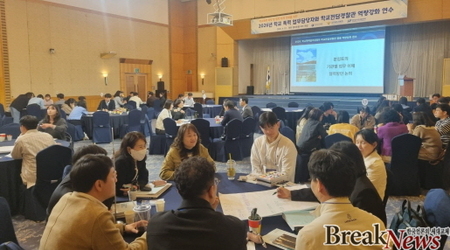
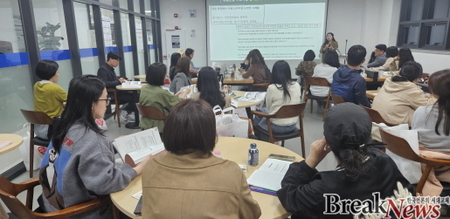
▲ 26일 진주시가 진주성 대사지 정밀 발굴조사 완료해 현장보고회를 가지는 모습. 사진제공=진주시. |
[브레이크뉴스=정철규 기자] 진주시는 26일 진주성 공영주차장에서 ‘진주성 대사지(해자)’ 정밀 발굴조사 완료에 따라 현장보고회를 열고 조사 결과와 향후 조성 계획을 공유했다고 밝혔다.
보고회에는 조규일 진주시장을 비롯해 진주문화사랑모임 김법환 이사장과 회원들, 경상국립대학교 관련 전공자가 참석해 발굴성과를 청취하고 대사지의 역사적 가치와 보존 필요성에 대해 의견을 나눴다.
이번 조사는 대사지의 잔존 상태와 매립 과정을 규명하고, 향후 정비·조성계획 수립을 위한 기초자료를 확보하기 위해 실시됐으며, 조선 후기의 뻘층과 일제강점기 매립 흔적 등이 확인됐다.
발굴 과정에서는 자기·옹기·유리병 등 다양한 유물과 함께 대사지 주변에서 자연적으로 자생한 것으로 추정되는 연꽃 씨앗(연자) 60여 개가 수습돼 고고학적 의미를 더했다.
대사지는 성 외곽에 물길을 두어 적의 침입을 막는 방어시설로, 진주성은 남강이 남쪽을 지키고 대사지가 북쪽을 1차적으로 방어한 것으로 알려져 있으며, 삼국유사 등의 기록을 통해 그 존재가 전해진다.
19세기 진주성도에는 연꽃과 정자가 어우러진 경관이 묘사돼 대사지는 방어시설을 넘어 연지로서 아름다운 풍경을 이루었으나, 일제강점기 두 차례 매립된 뒤 도시 개발로 사라지게 됐다.
진주시는 이러한 역사성을 복원하기 위해 대사지 일부를 재정비해 관광자원으로 활용하기 위해 진주성 대사지 조성사업을 추진하고 있으며, 발굴 조사결과는 향후 조성 방향의 핵심 자료가 될 전망이다.
조규일 시장은 “대사지를 목적으로 한 정밀 발굴이 이곳에서 처음 진행됐고, 일제강점기 매립 기록을 실제로 확인한 첫 사례라는 점에서 큰 의미가 있다”며“조사결과를 토대로 아름다운 대사지를 시민들에게 다시 선보이겠다”고 말했다.
*아래는 위 기사를 '구글 번역'으로 번역한 영문 기사의 [전문]입니다. '구글번역'은 이해도 높이기를 위해 노력하고 있습니다. 영문 번역에 오류가 있을 수 있음을 전제로 합니다.
*The following is [the full text] of the English article translated by 'Google Translate'. 'Google Translate' is working hard to improve understanding. It is assumed that there may be errors in the English translation.
Jinju City Holds Excavation Report Meeting of the Jinju Fortress Daesaji Site
Uncovering the Remains and Reclamation Process…Sharing Excavation Results, Including Artifacts and Lotus Seeds
Jinju City announced on the 26th that it held an on-site report meeting at the Jinju Fortress Public Parking Lot following the completion of a detailed excavation of the "Jinju Fortress Daesaji (moat)" site, sharing the results and future development plans.
Attendees included Jinju Mayor Cho Gyu-il, Jinju Cultural Love Association Chairman Kim Beop-hwan, members, and Gyeongsang National University experts. They listened to the excavation results and discussed the historical value of the Daesaji site and the need for its preservation.
This investigation was conducted to uncover the remains and reclamation process of the Daesaji site and to secure basic data for future maintenance and development plans. Traces of a late Joseon Dynasty mud layer and reclamation from the Japanese colonial period were identified.
During the excavation, various artifacts, including porcelain, earthenware, and glass bottles, were recovered, along with approximately 60 lotus seeds (lotus seeds), believed to have grown naturally around the site, adding to its archaeological significance.
Daesaji was a defensive structure built around the outer walls of the fortress, with a waterway to prevent enemy invasion. Jinju Castle is known to have been protected by the Namgang River to the south, while Daesaji served as the primary defense to the north. Its existence is documented in records such as the Samguk Yusa (Memorabilia of the Three Kingdoms).
A 19th-century Jinju City map depicts a landscape of lotus flowers and pavilions, suggesting that Daesaji was not only a defensive structure but also a beautiful lotus pond. However, it was reclaimed twice during the Japanese colonial period and subsequently disappeared due to urban development.
Jinju City is promoting the Jinjuseong Daesaji Restoration Project to restore this historic site and redevelop it as a tourist attraction. The excavation results are expected to serve as key data for future development.
Mayor Cho Gyu-il stated, "This is the first detailed excavation of Daesaji, and it is significant in that it is the first case of actual confirmation of reclamation records from the Japanese colonial period. Based on these findings, we will once again present the beautiful Daesaji to the citizens."
원본 기사 보기:브레이크뉴스경남