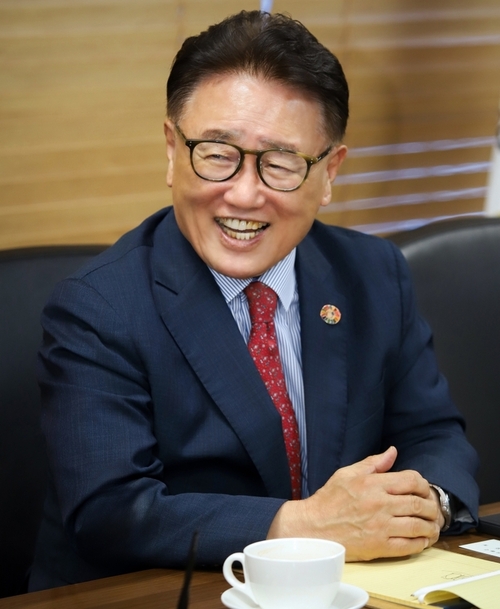
▲ 경남도 누리호 관계자들이 성공적인 발사에 환호하며 기뻐하고 있다. |
[브레이크뉴스=이성용 기자] 대한민국의 우주 독립시대를 알리는 한국형 발사체 누리호(KSLV-II)의 네 번째 발사가 성공적으로 마무리되자, 그 핵심 거점인 경상남도의 환영과 포부가 쏟아졌다.
박완수 경상남도 도지사는 27일 새벽 전남 고흥 나로우주센터에서 진행된 누리호 4차 발사 성공에 대해 “330만 도민과 함께 진심으로 축하드린다”고 전하며, "경남이 곧 대한민국 우주항공산업의 미래"임을 재차 강조했다.
이번 4차 발사는 여러 면에서 기념비적이다. 특히 국내 최초로 진행된 야간 발사라는 환경적 난관을 넘어, 주탑재 위성인 차세대중형위성 3호(KAI 개발)와 12기의 큐브위성을 목표 궤도(고도 약 600km)에 성공적으로 안착시키며 경남의 우수한 기술력을 세계에 각인시켰다.
박 지사는 “누리호의 성공, 그 시작은 경남이었다”고 역설하며, “이번 발사는 대한민국 우주항공 분야 발전의 중요한 이정표이자, 경상남도가 세계 우주산업의 중심으로 도약하는 첫걸음”이라고 강조했다.
이번 발사에서 한화에어로스페이스가 구성품 제작부터 조립, 발사 운용을 총괄하며 민간이 체계종합을 주도하는 최초의 사례를 만들었다. 여기에 한국항공우주산업(KAI), 두원중공업, 에스엔케이항공, 현대로템 등 경남지역 대표 우주항공 기업들이 대거 참여하여 발사체 제작과 운용을 주도, 경남이 대한민국 우주항공산업의 핵심 거점임을 다시 한번 입증했다.
이번 누리호 4차 발사는 우주항공청 출범 이후 첫 발사라는 점에서 정부의 국정과제인 '세계를 선도할 넥스트(NEXT) 전략기술 육성'을 뒷받침하는 핵심 성과로 평가된다. 경남도는 기세를 몰아 우주산업 생태계 구축에 전력을 다할 방침이다.
박 지사는 "경상남도는 지속적인 기술 고도화와 발사체 개발을 통해 대한민국 우주산업 생태계를 이끌어갈 것"이라며, "경남이 글로벌 우주항공 산업의 중심으로 자리 잡을 수 있도록 최선을 다하겠다"고 밝혔다.
이를 위해 경남도는 ▲경남 우주항공클러스터 협의체 구성 ▲전문 인재 양성 ▲기업 지원 등 지역 우주항공산업 생태계 조성에 적극 나선다. 특히, 산·학·연 협력의 중심축이 될 '우주항공산업진흥원' 설립을 적극적으로 추진하여, 대한민국 우주항공산업의 체계적 육성과 경남의 독보적인 경쟁력 강화를 견인할 계획이다.
한편, 김명주 경상남도 경제부지사는 같은 날 새벽 나로우주센터를 방문해 발사 과정을 참관하고 현장에서 성공적인 발사를 축하했다. 또한 정부와 유관기관 관계자들과 만나 정부–지자체–기업 간 협력 강화, 우주산업 경쟁력 제고, 우주항공청 기능 확충 방안을 논의하며 상호 협력 의지를 재확인했다.
*아래는 위 기사를 '구글 번역'으로 번역한 영문 기사의 [전문]입니다. '구글번역'은 이해도 높이기를 위해 노력하고 있습니다. 영문 번역에 오류가 있을 수 있음을 전제로 합니다.
*Below is the [full text] of the English article translated using ‘Google Translate’.‘Google Translate’ is working to increase understanding.It is assumed that there may be errors in the English translation.
Governor Park Wan-soo: "Nuriho's Success: Gyeongnam Made It"
Fourth Launch Successfully Lights Up the Night Sky, Proclaiming Gyeongnam as 'Aerospace Hub'
The successful fourth launch of the Korean Space Launch Vehicle Nuriho (KSLV-II), heralding Korea's era of space independence, drew an outpouring of welcome and aspirations from Gyeongsangnam-do, a key hub for the region.
Governor Park Wan-soo expressed his sincere congratulations to the 3.3 million residents of Gyeongsangnam-do on the successful fourth launch of Nuriho, which took place at the Naro Space Center in Goheung, South Jeolla Province, early on the 27th. He reiterated that "Gyeongnam is the future of Korea's aerospace industry."
This fourth launch is monumental in many ways. Notably, it successfully placed the main payload satellite, Next-Generation Medium Satellite 3 (developed by KAI) and 12 CubeSats, into their target orbit (altitude of approximately 600 km), demonstrating Gyeongnam's technological prowess to the world.
Governor Park emphasized, "The success of Nuri began in Gyeongsangnam-do," and emphasized, "This launch marks a significant milestone in the development of South Korea's aerospace sector and marks the first step toward Gyeongsangnam-do becoming a leader in the global space industry."
Hanwha Aerospace oversaw the entire process from component manufacturing to assembly and launch operations, marking the first instance of a private sector-led system integration. Furthermore, leading aerospace companies in Gyeongsangnam-do, including Korea Aerospace Industries (KAI), Doowon Heavy Industries & Construction, SNK Aerospace, and Hyundai Rotem, participated in the launch vehicle production and operation, further demonstrating Gyeongsangnam-do's position as a key hub for South Korea's aerospace industry.
This fourth launch of Nuri, the first since the launch of the Korea Aerospace Research Institute (KARI), is considered a key achievement in supporting the government's national agenda of "Fostering Next Strategic Technologies to Lead the World." Gyeongsangnam-do plans to capitalize on this momentum and dedicate itself to building a robust space industry ecosystem.
Governor Park stated, "Gyeongsangnam-do will lead the Korean space industry ecosystem through continuous technological advancement and launch vehicle development. We will do our best to establish Gyeongsangnam-do as a hub for the global aerospace industry."
To this end, the province will actively foster a regional aerospace industry ecosystem, including the formation of the Gyeongsangnam-do Aerospace Cluster Council, fostering specialized talent, and supporting businesses. In particular, the province plans to actively pursue the establishment of the Korea Aerospace Industry Promotion Agency, which will serve as a central axis for cooperation among industry, academia, and research institutions. This will foster the systematic development of the Korean aerospace industry and strengthen Gyeongsangnam-do's unrivaled competitiveness.
Meanwhile, Gyeongsangnam-do Deputy Governor for Economic Affairs Kim Myung-joo visited the Naro Space Center early that morning to observe the launch and congratulate the successful launch on-site. He also met with government and related organizations to discuss ways to strengthen cooperation among the government, local governments, and businesses, enhance the competitiveness of the space industry, and expand the functions of the Korea Aerospace Research Institute. They reaffirmed their commitment to cooperation.
Governor Park Wan-soo: "Nuriho's Success: Gyeongnam Made It"
Fourth Launch Successfully Lights Up the Night Sky, Proclaiming Gyeongnam as 'Aerospace Hub'
The successful fourth launch of the Korean Space Launch Vehicle Nuriho (KSLV-II), heralding Korea's era of space independence, drew an outpouring of welcome and aspirations from Gyeongsangnam-do, a key hub for the region.
Governor Park Wan-soo expressed his sincere congratulations to the 3.3 million residents of Gyeongsangnam-do on the successful fourth launch of Nuriho, which took place at the Naro Space Center in Goheung, South Jeolla Province, early on the 27th. He reiterated that "Gyeongnam is the future of Korea's aerospace industry."
This fourth launch is monumental in many ways. Notably, it successfully placed the main payload satellite, Next-Generation Medium Satellite 3 (developed by KAI) and 12 CubeSats, into their target orbit (altitude of approximately 600 km), demonstrating Gyeongnam's technological prowess to the world.
Governor Park emphasized, "The success of Nuri began in Gyeongsangnam-do," and emphasized, "This launch marks a significant milestone in the development of South Korea's aerospace sector and marks the first step toward Gyeongsangnam-do becoming a leader in the global space industry."
Hanwha Aerospace oversaw the entire process from component manufacturing to assembly and launch operations, marking the first instance of a private sector-led system integration. Furthermore, leading aerospace companies in Gyeongsangnam-do, including Korea Aerospace Industries (KAI), Doowon Heavy Industries & Construction, SNK Aerospace, and Hyundai Rotem, participated in the launch vehicle production and operation, further demonstrating Gyeongsangnam-do's position as a key hub for South Korea's aerospace industry.
This fourth launch of Nuri, the first since the launch of the Korea Aerospace Research Institute (KARI), is considered a key achievement in supporting the government's national agenda of "Fostering Next Strategic Technologies to Lead the World." Gyeongsangnam-do plans to capitalize on this momentum and dedicate itself to building a robust space industry ecosystem.
Governor Park stated, "Gyeongsangnam-do will lead the Korean space industry ecosystem through continuous technological advancement and launch vehicle development. We will do our best to establish Gyeongsangnam-do as a hub for the global aerospace industry."
To this end, the province will actively foster a regional aerospace industry ecosystem, including the formation of the Gyeongsangnam-do Aerospace Cluster Council, fostering specialized talent, and supporting businesses. In particular, the province plans to actively pursue the establishment of the Korea Aerospace Industry Promotion Agency, which will serve as a central axis for cooperation among industry, academia, and research institutions. This will foster the systematic development of the Korean aerospace industry and strengthen Gyeongsangnam-do's unrivaled competitiveness.
Meanwhile, Gyeongsangnam-do Deputy Governor for Economic Affairs Kim Myung-joo visited the Naro Space Center early that morning to observe the launch and congratulate the successful launch on-site. He also met with government and related organizations to discuss ways to strengthen cooperation among the government, local governments, and businesses, enhance the competitiveness of the space industry, and expand the functions of the Korea Aerospace Research Institute. They reaffirmed their commitment to cooperation.
원본 기사 보기:브레이크뉴스경남