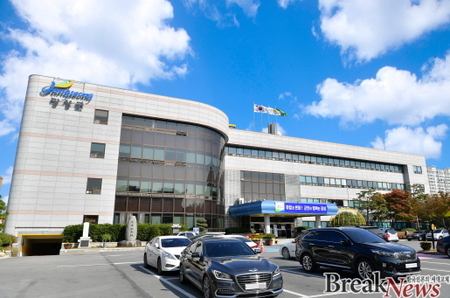
▲ 사진=고양시청 |
고양특례시가 2026년부터 2030년까지 5개년간 추진할 '고양시 스마트농업 육성 기본계획'을 수립했다고 15일 밝혔다.
이번 기본계획은 「고양시 스마트농업 육성 및 지원에 관한 조례」에 따라 마련됐으며, 기후변화와 농업 인력 감소 등 급변하는 농업환경에 대응하고 도시 특성을 살린 스마트농업 전환을 체계적으로 이끌기 위한 중장기 전략을 담고 있다.
시는 '도시와 기술이 결합한 고양형 스마트농업 선도도시 실현'을 비전으로 설정하고, 4대 핵심 추진과제를 제시했다.
주요 과제는 ▲도심형 스마트농업 실증기반 구축 ▲민간 중심 스마트농업 생태계 조성 ▲고부가가치 특화작목 실증 및 기술 고도화 ▲스마트농업 혁신권역(가칭) 구축 등이다.
첫 번째 과제인 도심형 스마트농업 기반 구축은 공공시설과 도시 유휴공간을 활용한 스마트농업 모델 확대를 골자로 한다.
시는 마두지하보도 등에서 진행해온 도심형 스마트팜 운영 경험을 바탕으로 이를 더욱 확장할 계획이다.
두 번째로 민간 중심의 생태계 조성을 위해 스마트팜 기술 기업과의 협력을 강화한다.
지식산업센터를 기반으로 스마트팜을 확산시키고, 민간의 비즈니스 모델 발굴을 적극 지원해 운영·관리 체계를 고도화할 방침이다.
세 번째 과제는 고부가가치 특화작목 실증 및 기술 고도화다.
시는 딸기, 와사비, 버섯 등 고부가가치 작목을 중심으로 실증을 확대하고, 지하보도 환경 같은 지역 특성을 활용한 재배 모델을 개발한다.
재배기술의 고도화와 표준화를 통해 기술 경쟁력도 함께 끌어올릴 계획이다.
마지막으로 시는 약 100만 평 규모의 스마트농업 혁신권역 구상을 제시했다.
이 권역에는 스마트농업 관련 기업을 유치하고, 생산·거주·연구·실증·유통이 유기적으로 연계되는 농업혁신 허브를 조성한다는 구상이다.
또한 농림축산식품부의 스마트농업 육성지구 공모에 대응하기 위한 사전 기반도 단계적으로 마련할 예정이다.
시는 그동안 마두지하보도 등 도심 공간에서의 스마트농업 실증 운영과 지식산업센터 내 민간투자 기반 스마트팜 확산을 통해 실증기반을 차근차근 쌓아왔다.
시 관계자는 “이번 기본계획을 바탕으로 관계 기관과의 협력과 의견수렴을 지속하며 지역 여건에 맞는 스마트농업 전환을 추진해 나갈 것”이라고 밝혔다.
*아래는 위 기사를 '구글 번역'으로 번역한 영문 기사의 [전문]입니다. '구글번역'은 이해도 높이기를 위해 노력하고 있습니다. 영문 번역에 오류가 있을 수 있음을 전제로 합니다.<*The following is [the full text] of the English article translated by 'Google Translate'. 'Google Translate' is working hard to improve understanding. It is assumed that there may be errors in the English translation.>
Goyang City Aims to Become a "Leading City in Smart Agriculture" by 2030
Expanding Smart Farms Using Idle Urban Space... Establishing a Public-Private Partnership Ecosystem
Goyang Special City announced on the 15th that it has established the "Goyang City Smart Agriculture Promotion Master Plan," which will be implemented over a five-year period from 2026 to 2030.
This master plan, developed in accordance with the "Goyang City Smart Agriculture Promotion and Support Ordinance," contains a mid- to long-term strategy to address the rapidly changing agricultural environment, including climate change and a decreasing agricultural workforce, and systematically lead the transition to smart agriculture that leverages the city's unique characteristics.
The city has set its vision as "Realizing Goyang-style Smart Agriculture as a Leading City Combining Urban and Technology" and has outlined four key initiatives.
The key initiatives include: ▲Establishing a demonstration base for urban smart agriculture, ▲Fostering a private-sector-led smart agriculture ecosystem, ▲Verifying high-value-added specialty crops and advancing technology, and ▲Establishing a Smart Agriculture Innovation Zone (tentative name).
The first task, establishing a foundation for urban smart agriculture, focuses on expanding smart agriculture models utilizing public facilities and idle urban spaces.
The city plans to further expand this model, building on its experience operating urban smart farms, including those in Madu Underpass.
Second, the city will strengthen collaboration with smart farm technology companies to foster a private-sector-led ecosystem.
Based on the Knowledge Industry Center, the city plans to expand smart farms and actively support the development of private business models to enhance the operation and management system.
The third task is to demonstrate and enhance technology for high-value-added specialty crops.
The city will expand demonstrations focusing on high-value-added crops such as strawberries, wasabi, and mushrooms, and develop cultivation models that leverage regional characteristics, such as the underground passage environment.
By advancing and standardizing cultivation techniques, the city also plans to enhance technological competitiveness.
Finally, the city proposed a plan for a smart agriculture innovation zone covering approximately 1 million pyeong (approximately 3.3 million square meters).
The plan is to attract smart agriculture-related companies to this area and create an agricultural innovation hub where production, housing, research, demonstration, and distribution are organically linked.
Furthermore, a preliminary foundation will be established in phases to respond to the Ministry of Agriculture, Food and Rural Affairs' smart agriculture development zone competition.
The city has been steadily building this demonstration base through smart agriculture demonstration operations in urban areas, such as the Madu Underpass, and the expansion of privately funded smart farms within the Knowledge Industry Center.
A city official stated, "Based on this basic plan, we will continue to collaborate and gather feedback from relevant organizations and promote a smart agriculture transition tailored to local conditions."
원본 기사 보기:브레이크뉴스 경기서부