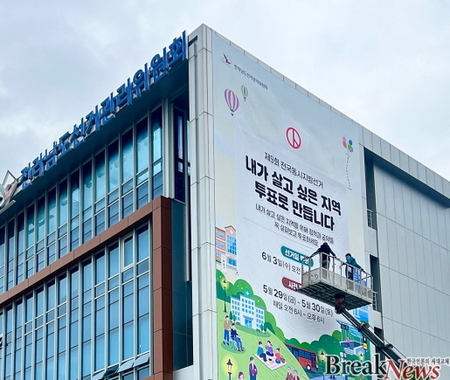
▲ 충남도청사 전경 © 충청남도 제공 |
충남도가 ‘대전충남특별시 설치 및 경제과학수도 조성을 위한 특별법’의 특례 조항을 원안대로 관철하기 위해 전담 태스크포스(TF)를 출범시키고 정책 대응에 속도를 내고 있다. 행정통합 논의가 구체화되는 국면에서 통합 지방정부의 실질적 권한과 재정 기반을 확보하지 못할 경우 제도 효과가 반감될 수 있다는 판단이 작용했다.
도는 정무부지사를 단장으로 기획·정책 부서와 통합 준비 조직이 참여하는 TF를 구성해 이달부터 주 1~2회 정례 회의를 열고, 특례 반영 논리의 정교화와 법안 보완 작업을 병행한다. 중앙정부와 국회 설득을 염두에 둔 정책 메시지 정리와 도민 공감대 확산을 위한 홍보도 병행한다는 방침이다.
TF 논의의 초점은 통합 지방정부의 위상에 부합하는 제도 설계다. 도와 대전시가 공동 제안한 특례 가운데 재정·행정·산업 전반에서 체감 변화를 만들 수 있는 8개 핵심 분야를 중심으로, 권한 이양의 범위와 실행 경로를 구체화한다. 이는 통합 이후 정책 집행의 신속성과 지역 주도 성장의 지속성을 동시에 담보하기 위한 장치다.
특별법 특례에는 국세·지방세 추가 확보를 통한 재정 자율성 확대, 환경·중소기업·고용·노동 분야 중앙기관의 인력·재정 일괄 이양, 각종 타당성 조사 면제와 인허가 의제 확대 등 경제·산업 활성화 방안이 포함돼 있다. 아울러 스마트 농업 육성지구 지정과 은퇴 농업인 연금제 확대 등 지역 특성을 살린 균형발전 수단까지 총 257개 과제가 담겼다.
도는 이러한 특례가 단순한 행정 편의가 아니라 초광역 단위의 정책 실험을 가능하게 하는 제도적 토대라는 점을 강조하고 있다. 국가 사무와 재정의 과감한 이양이 전제돼야 통합 지방정부가 책임 행정을 구현하고, 광역 혁신의 선순환을 만들어낼 수 있다는 논리다. 앞서 김태흠 충남도지사가 중앙 정책 결정 라인을 찾아 특별법 취지와 통합 모델의 파급 효과를 설명한 것도 같은 맥락이다.
행정통합은 형식보다 내용이 중요하다. 권한과 재정이 동반되지 않은 통합은 조직 개편에 그칠 위험이 크다. 이번 TF 가동은 통합 이후를 대비한 정책 설계의 출발점이라는 점에서 의미가 있다. 특례의 실질적 반영 여부가 대전·충남 행정통합의 성패를 가를 핵심 변수가 될 전망이다.
*아래는 위 기사를 '구글 번역'으로 번역한 영문 기사의 [전문]입니다. '구글번역'은 이해도를 높이기를 위해 노력하고 있습니다. 영문 번역에 오류가 있을 수 있음을 전제로 합니다.<*The following is [the full text] of the English article translated by 'Google Translate'. 'Google Translate' is working hard to improve understanding. It is assumed that there may be errors in the English translation.>
South Chungcheong Province has launched a dedicated task force (TF) to ensure the implementation of the special provisions of the "Special Act on the Establishment of Daejeon-Chungcheongnam-do Special City and the Development of an Economic and Scientific Capital" as originally proposed, accelerating policy responses. This was driven by the belief that, as discussions on administrative integration become more concrete, the effectiveness of the system could be halved if the integrated local government fails to secure substantial authority and a financial foundation.
The province has formed a task force led by the Deputy Governor for Political Affairs, comprised of planning and policy departments and integration preparation organizations. Starting this month, the task force will hold regular meetings once or twice a week, refining the logic behind the special provisions and revising the legislation. The task force will also develop policy messages with an eye toward persuading the central government and the National Assembly, while simultaneously promoting them to build consensus among the province's residents.
The task force's discussions will focus on designing a system befitting the status of the integrated local government. Among the special provisions jointly proposed by the province and Daejeon City, the task force will focus on eight key areas that can bring tangible change across finance, administration, and industry. The task force will specify the scope and implementation path of the devolution of authority. This is a mechanism to simultaneously ensure swift policy implementation and sustainable regional-led growth following integration.
The special law's provisions include measures to revitalize the economy and industry, such as expanding fiscal autonomy through additional national and local taxation; comprehensively transferring human resources and finances from central government agencies in the areas of environment, SMEs, employment, and labor; exempting various feasibility studies and expanding the scope of permits and licensing. Furthermore, the law includes a total of 257 projects, including measures for balanced development that leverage regional characteristics, such as designating smart agriculture development zones and expanding pension systems for retired farmers.
The province emphasizes that these special provisions are not simply administrative convenience but rather an institutional foundation that enables policy experimentation at a metropolitan level. The logic is that only through bold transfers of national affairs and finances can integrated local governments implement responsible administration and foster a virtuous cycle of regional innovation. This is also the context in which South Chungcheong Province Governor Kim Tae-heum visited the central government's policymaking line to explain the purpose of the special law and the ripple effects of the integration model.
In administrative integration, substance is more important than form. Integration without adequate authority and funding runs the risk of ending up as nothing more than an organizational restructuring. The launch of this task force is significant as it serves as a starting point for policy design for the post-integration era. Whether or not the special provisions are effectively implemented will likely be a key variable in determining the success or failure of the administrative integration of Daejeon and South Chungcheong Province.
원본 기사 보기:브레이크뉴스대전세종충청